

There is a particular joy in watching a craftsman's hands shape a lump of clay into a delicate tulip motif, or hammer a sheet of copper into a gleaming tray that will hang on your wall for decades. Türkiye is one of the last great repositories of living handicraft traditions, and buying directly from the people who make these objects transforms a simple souvenir into a story you'll tell for years.
This guide takes you to the workshops, ateliers and village cooperatives where you can meet the makers face to face. You'll pay fair prices, skip the middleman, and come home with something that carries the fingerprints—quite literally—of Turkish hospitality and skill.
Why Buying Direct Matters
When you buy from an artisan's workshop instead of a souvenir shop, the money goes where it should: to the person who spent twenty years mastering a craft. In tourist-heavy bazaars, middlemen can take 50% or more of the final price, while the maker earns a fraction. At the atelier, that same amount buys a better piece—and supports a tradition that might otherwise die out.
There's also the question of authenticity. Mass-produced "Turkish" ceramics are often printed abroad and shipped in. When you stand in an İznik workshop and see the quartz-rich paste being shaped and the cobalt pigment applied by hand, you know exactly what you're getting.
And then there's the intangible: the conversation. A çay (tea) offered while you browse, a story about a grandfather's kiln, a quick lesson in how to spot a genuine hand-painted border. These moments are the real souvenirs.
İznik and Kütahya: The Ceramic Heartland
The town of İznik, a two-hour drive from Istanbul, gave its name to the legendary blue-and-white tiles that adorn the Süleymaniye Mosque and Topkapı Palace. Today, a handful of workshops keep the tradition alive. İznik Çini Vakfı (the İznik Tile Foundation) runs a workshop where you can watch every stage: shaping, painting, glazing and firing. Pieces are signed and priced transparently.
Further south, Kütahya is the other great ceramic center, known for its bright colors and whimsical figures. At Kütahya Porselen and smaller family ateliers in the old bazaar, you can commission custom plates or buy directly from the kiln. A hand-painted 20 cm plate typically costs 400–900 TL ($15–35), a fraction of gallery prices abroad.
Ask to see the back of a piece: genuine handwork often has slight irregularities and a signature or workshop stamp. Machine-printed items are suspiciously perfect.
Gaziantep and Kahramanmaraş: Copper and Metalwork
In Gaziantep's Bakırcılar Çarşısı (Coppersmiths' Bazaar), the rhythmic tap-tap-tap of hammers is the soundtrack of the city. Here, copper trays, cezve (coffee pots), and elaborate basins are still made by hand, often using techniques passed down through generations. Many workshops welcome visitors and will let you try your hand at hammering.
Prices are refreshingly fair: a hand-hammered copper cezve costs around 150–300 TL ($6–12), while a large serving tray might be 800–1,500 TL. Compare that to boutique stores in Istanbul, where the same tray can sell for triple.
In nearby Kahramanmaraş, known for its distinctive copper engraving, family workshops like Kervan Bakır offer demonstrations and direct sales. Shipping can be arranged for larger items—more on that below.
Textiles: From Silk Cocoons to Handwoven Rugs
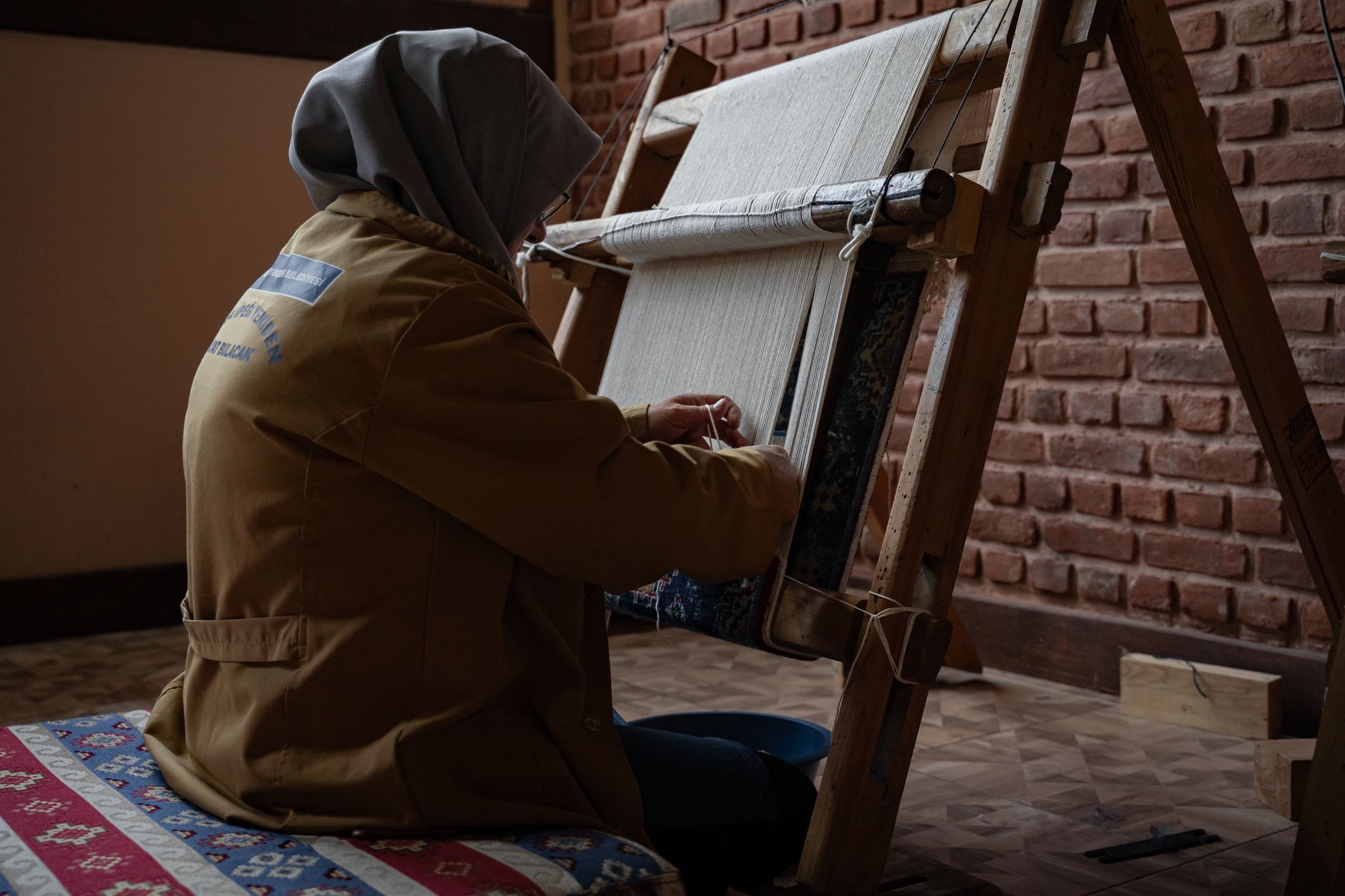
Türkiye's textile tradition stretches from the silkworm farms of Bursa to the nomad looms of Anatolia. In Bursa's Koza Han, a 15th-century silk market, you can still buy raw silk and visit small ateliers weaving scarves and fabrics on traditional looms. A handwoven silk scarf made on-site costs 300–600 TL ($12–24).
For rugs, skip the high-pressure showrooms and head to Kula, Gördes or the villages around Selçuk, where women weave at home. Cooperatives like Dobag in Istanbul work directly with village weavers and share profits fairly. You'll pay fair prices and can meet the weaver via video call if she's not present.
Look for natural dyes (madder root, indigo, walnut husk) and hand-spun wool. Ask how long a piece took: a 1x1.5m rug can take three months, so a price of 3,000–8,000 TL ($120–320) is reasonable for genuine handwork.
Olive Oil Soap: The Aegean's Liquid Gold
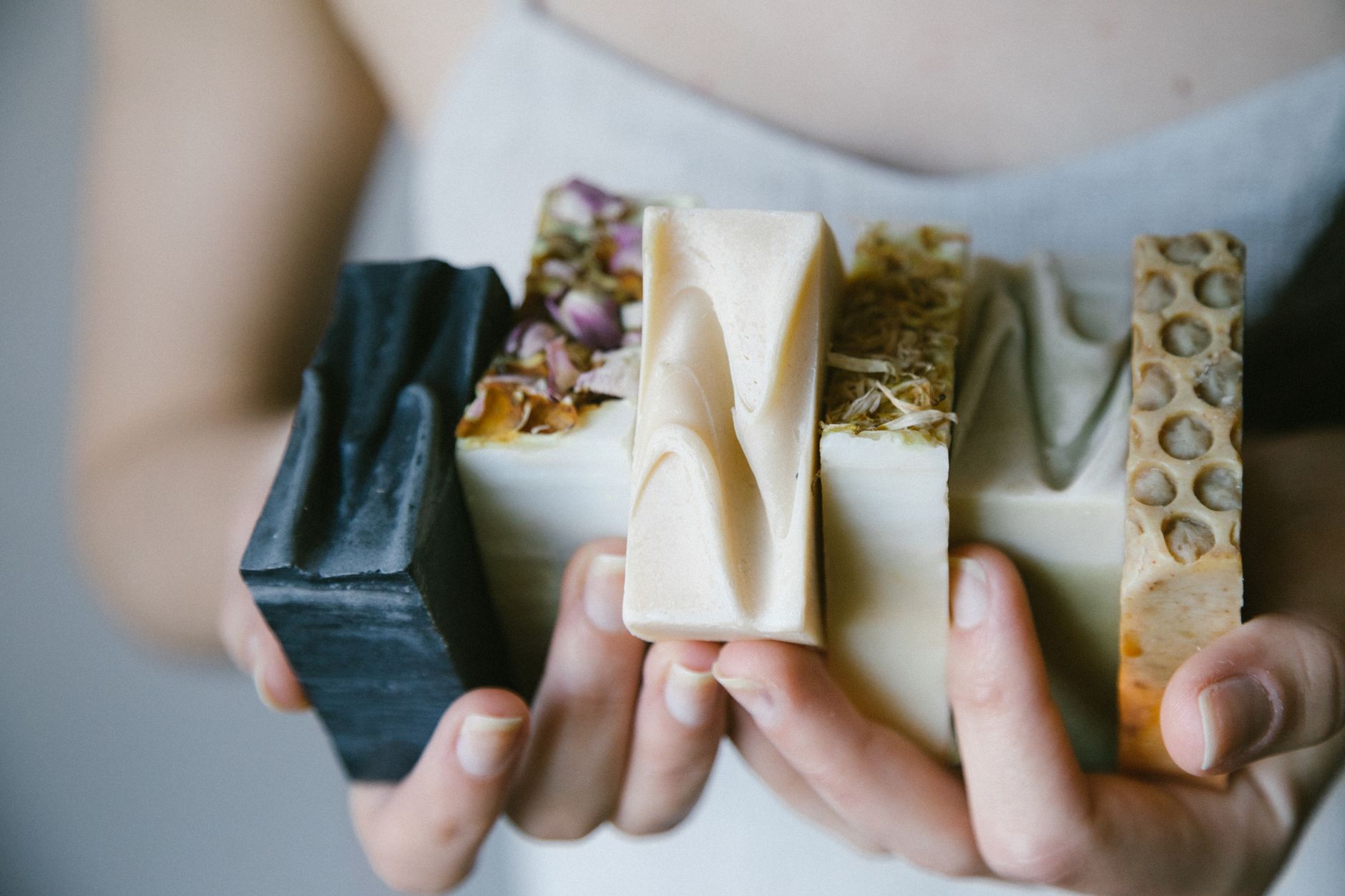
The Aegean coast, particularly around Ayvalık and Küçükkuyu, produces some of the world's finest olive oil. Many small producers also make traditional olive oil soap using centuries-old methods: olive oil, water, and lye, cured for months in open air. It's gentle, biodegradable, and a wonderful souvenir.
At family-run Zeytinyağı Müzesi (Olive Oil Museum) in Küçükkuyu, or smaller farms along the Çanakkale–İzmir road, you can buy soap directly from the makers. A 1 kg block of handmade soap costs 60–120 TL ($2.5–5)—a steal compared to boutique prices.
Ask about the curing time and ingredients. Pure olive oil soap should list only olive oil, water, and sodium hydroxide (which becomes harmless during curing). Scented versions use natural essential oils like lavender or bay laurel.
Shipping, Bargaining, and Meaningful Souvenirs
Shipping: For larger items like rugs or copper trays, most artisans can arrange shipping via PTT (Turkish Post) or private cargo. Expect 200–600 TL for international shipping, depending on size and destination. Always get a tracking number and photograph the item before packing.
Bargaining kindly: In workshops, fixed prices are common, especially for signed pieces. In bazaars, a gentle negotiation is acceptable—start by asking about the craftsmanship, then inquire if there's any flexibility. A smile and a respectful tone go far. Never bargain below a fair price; remember you're supporting a family.
What makes a meaningful souvenir? It's not the price tag but the connection. A small ceramic tile you watched being painted, a copper spoon you saw hammered, a bar of soap that smells of the Aegean sun—these carry memory and meaning. Buy less, buy better, and buy directly.
Plan Your Handmade Trail
You can combine several of these destinations in a two-week trip: Istanbul (Koza Han, Dobag), a day trip to İznik, then fly to Gaziantep for copper, continue to Ayvalık for olive oil soap, and finish in Kütahya for ceramics. Or focus on one region and go deep.
Wherever you go, ask at your hotel or local tourist office for artisan workshops—they often know the hidden gems. And always carry cash: many small ateliers don't accept cards.
Türkiye's handmade heritage is a living treasure. By buying directly, you become part of its story—and you'll return home with more than a souvenir; you'll return with a piece of someone's heart and skill.
Thinking about a trip to Turkey?
Share your contact details and a vetted local expert will follow up with a plan built around you — free, no obligation.