
Why a Turkish Bath Belongs on Every Itinerary
Few travel rituals are as deeply woven into a country's identity as the Turkish bath. The hamam is not simply a place to wash; it is a social institution, a piece of architecture, and a living tradition that has shaped daily life in Anatolia for centuries. Romans built the first grand bathing complexes here, Byzantines continued the practice, and the Ottomans elevated it into an art form of marble, steam, and hospitality. When you step into a historic hamam, you are stepping into a continuous story that stretches back more than two thousand years.
For visitors, the appeal is refreshingly simple. After days of walking through bazaars, mosques, and archaeological sites, an hour in a hot marble room followed by a vigorous scrub leaves you cleaner and more relaxed than almost anything else on the road. It is also remarkably accessible: you do not need to be a spa connoisseur or speak Turkish to enjoy it. With a little preparation, a bath becomes one of the most memorable and affordable cultural experiences of your trip.
This guide walks you through the full spectrum — from centuries-old heritage hamams in Istanbul and Bursa to polished modern spa resorts on the Aegean and Mediterranean coasts — so you can match the experience to your budget, comfort level, and curiosity. For more context on planning a wider journey, browse our travel guides and destinations pages.
Understanding the Hamam: What Actually Happens Inside
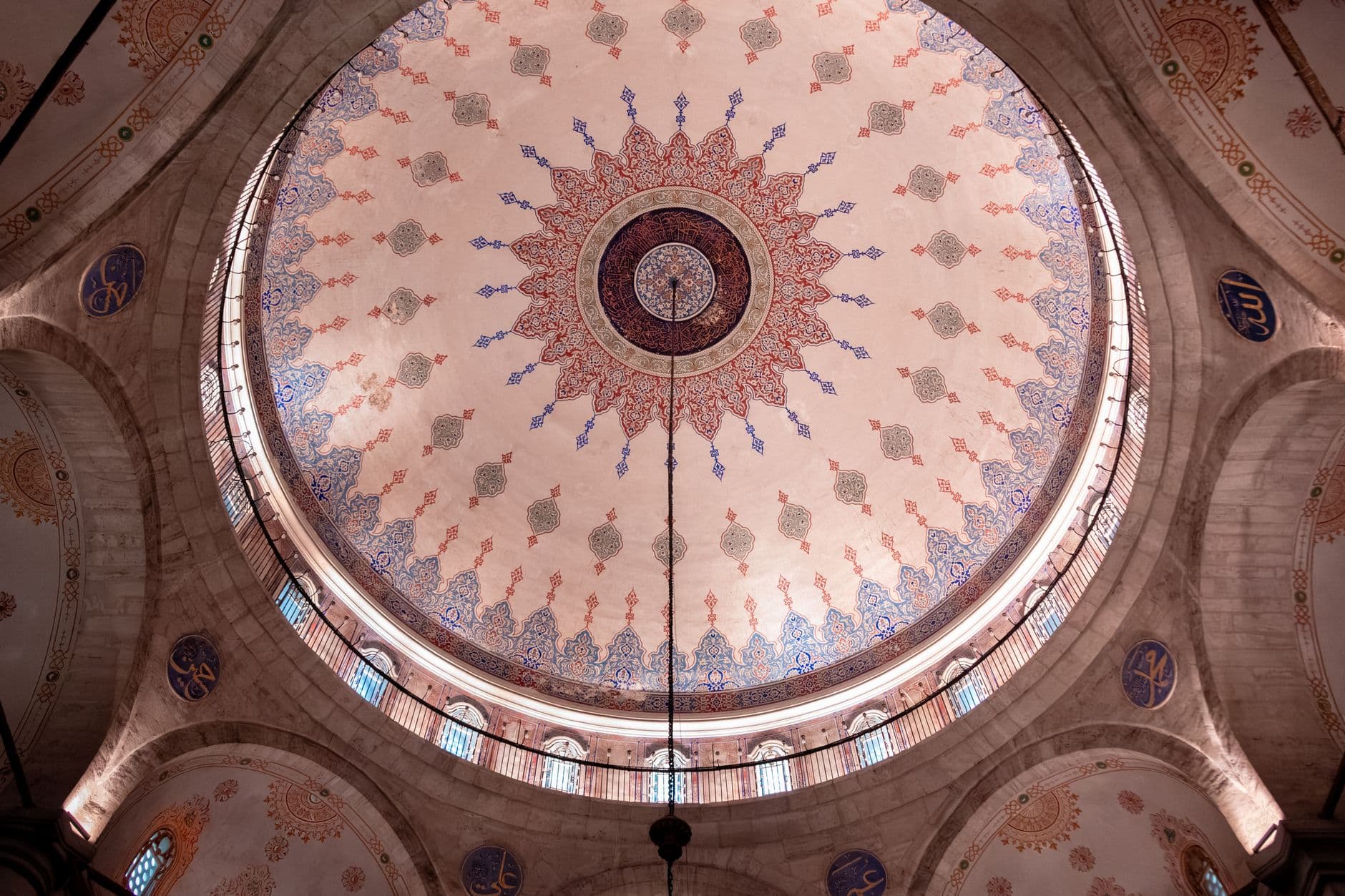
A traditional hamam is built around a sequence of rooms that gradually raise your body temperature. You begin in a cool changing area, often with lockers and a reception desk, before moving into a warm transition room. The heart of the building is the hararet, the hot marble chamber crowned by a domed ceiling pierced with small glass stars that scatter light across the stone. In the center sits the göbek taşı, a raised marble platform where you lie down for your treatment.
The classic ritual has several stages. First you relax on the hot stone to open your pores. Then an attendant — the tellak for men, natır for women — scrubs your skin with a rough mitt called a kese, removing layers of dead skin you did not know you had. Next comes a soap massage: a pillowcase-like cloth is dipped in suds and squeezed so that clouds of foam float over you, followed by a firm, surprisingly athletic massage. You finish with rinses of warm and cool water, then rest wrapped in towels with a glass of tea or sherbet.
Understanding this rhythm helps you relax into it. Nothing is rushed, and the attendants are professionals who have done this thousands of times. If you are unsure at any point, a gesture or a simple question is always welcome — hospitality is central to the experience.
Heritage Hamams: Bathing in Living History
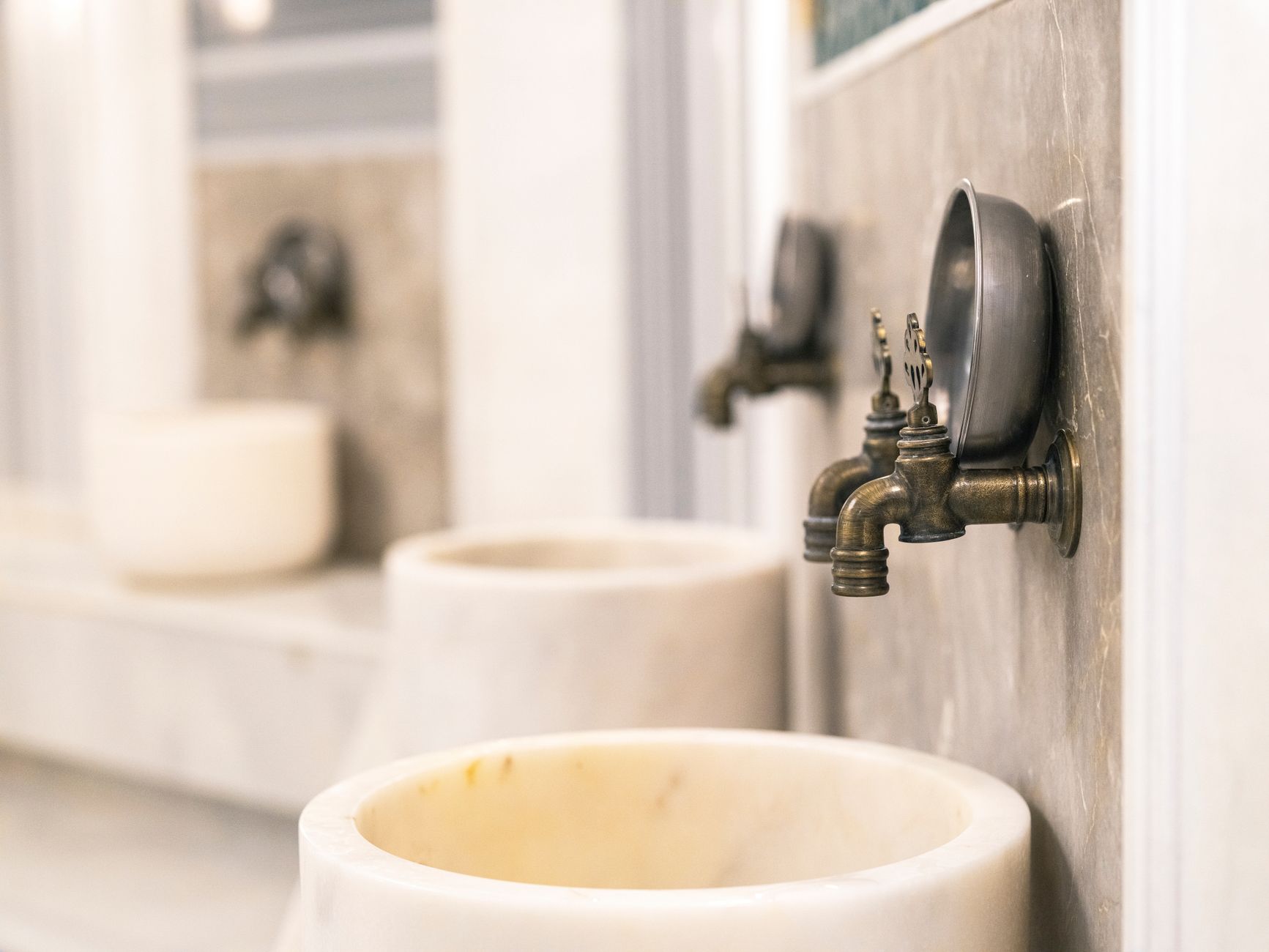
Türkiye's historic hamams are the crown jewels of the tradition. In Istanbul, the sixteenth-century Ayasofya Hürrem Sultan Hamamı sits directly between Hagia Sophia and the Blue Mosque, a masterpiece designed by the great Ottoman architect Mimar Sinan and restored to gleaming condition. The Çemberlitaş Hamamı, also by Sinan and dating to 1584, offers a more traditional and slightly more affordable experience along Divan Yolu. The Kılıç Ali Paşa Hamamı near Tophane is celebrated for its soaring dome and careful restoration, while the Galatasaray Hamamı has served the neighborhood since 1481 and remains a favorite for its no-frills authenticity.
Beyond Istanbul, Bursa's Keçeli Hamam and the historic baths of the old city offer a quieter, more local atmosphere. In Safranbolu, a UNESCO-listed town of timber mansions, the old hamams feel like time capsules. Many of these buildings are working monuments: their marble basins, carved fountains, and domed roofs are as much the attraction as the treatment itself. Booking ahead is wise at the most famous venues, especially in high season, and morning slots tend to be calmer.
Heritage hamams generally fall into two price bands. Traditional neighborhood baths often cost between 200 and 500 Turkish lira for entry, with scrubs and massages added separately. Restored, tourist-facing hamams — particularly the Hürrem Sultan and Kılıç Ali Paşa — charge premium rates that can reach several thousand lira for a full package, reflecting the setting, service, and upkeep of a historic monument.
Modern Spa Hotels: Comfort, Privacy, and Resort Luxury
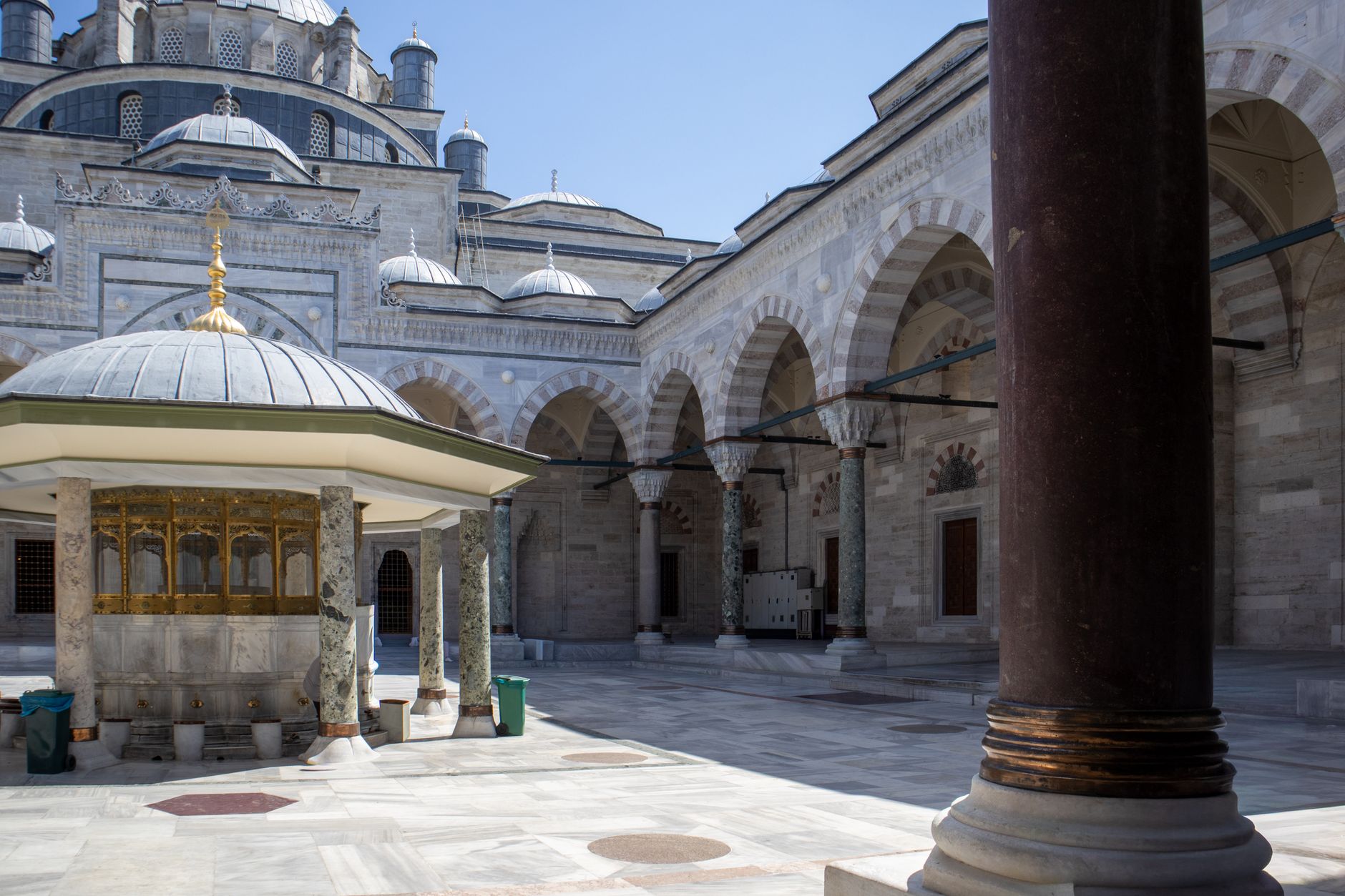
If the idea of a historic bath excites you but the communal setting gives you pause, Türkiye's spa hotels are a wonderful alternative. Across the country, four- and five-star properties incorporate hamam traditions into contemporary wellness centers with private treatment rooms, saunas, steam rooms, and indoor pools. Along the Aegean and Mediterranean — from Bodrum to Antalya and the Dalaman coast — resort spas blend Ottoman bathing rituals with international techniques such as aromatherapy, hot stone massage, and thalassotherapy.
These venues are especially good for families, couples seeking privacy, and travelers who prefer predictable scheduling and English-speaking staff. Many hotels offer mixed sessions or private family hours, and treatments can be booked as part of a half-board package. Prices vary widely: a spa treatment at a mid-range hotel might cost 500 to 1,500 lira, while luxury resort spas charge considerably more, often comparable to European spa rates.
Cappadocia and the thermal regions around Yalova and Afyonkarahisar deserve a special mention. The latter is famous for its mineral-rich hot springs, where the therapeutic waters have been used for centuries. Combining a cave-hotel stay in Cappadocia with a hammam evening — many hotels keep a small traditional bath on site — makes for a memorable, low-stress introduction to the ritual.
Etiquette and Practical Tips for a First Visit
Turkish bath etiquette is straightforward once you know the basics. Most hamams are single-sex, either at all times or during set hours, and the traditional neighborhood baths often have separate men's and women's sections or schedules. At mixed tourist venues, swimwear is typically provided or required. Bring nothing more than you need: a swimsuit, a change of underwear, and a small amount of cash for tips and extras.
- Arrive a few minutes early and expect the whole visit to take 60 to 90 minutes.
- Leave valuables in the locker; most venues provide secure storage.
- Listen to your attendant and drink water before and after — the heat is dehydrating.
- Tipping is customary for the tellak or natır; 10 to 20 percent of the treatment price is generous.
- People with heart conditions, low blood pressure, or pregnancy should consult a doctor before a hot bath.
Note that the marble can be slippery, and the heat can feel intense at first. Take your time, sit on the edge of the hot stone if you need to, and step out for cool air whenever you like. Attendants are used to first-timers and will guide you gently. For common questions about travel logistics, our FAQ page has useful answers.
How to Choose the Right Experience for You
The best choice depends on what you want from the experience. If you are fascinated by history, prioritize a restored heritage hamam in Istanbul, Bursa, or Safranbolu, and book a full scrub-and-massage package so you experience the complete ritual. If you value privacy and convenience, a spa hotel's wellness center is ideal, particularly if you are traveling with children or want a treatment suited to sensitive skin.
Budget travelers can find excellent value in neighborhood hamams, where the experience is authentic and the price modest — just be prepared for a more communal, less English-speaking environment. Luxury seekers will find world-class facilities at resort spas and the grandest restored hamams, where the architecture and service justify the premium. Couples should confirm whether mixed sessions are available; many venues offer them at specific times.
Whatever you choose, treat the bath as a ritual rather than a quick errand. Arrive unhurried, leave your phone in the locker, and let the rhythm of heat, scrub, and foam do its work. It is one of the most accessible and rewarding cultural experiences Türkiye offers — and for many travelers, it becomes the highlight of the trip. Explore our itineraries for ideas on weaving a hamam visit into a larger journey, and check the best time to visit to plan around the seasons.
Booking, Pricing, and Timing Advice
Booking in advance is recommended for the famous heritage hamams, especially in Istanbul during spring and autumn. Most venues accept online reservations and some offer packages that bundle scrub, massage, and refreshments. Off-peak hours — early morning or late afternoon — are quieter and often more pleasant. Walk-ins are usually possible at smaller neighborhood baths, though weekends can be busy with locals.
As a rough guide, expect to pay 200 to 600 lira for entry at a traditional hamam, with scrub and massage adding a few hundred more. Restored premium venues can cost several thousand lira for a full experience, while hotel spa treatments vary from modest to luxury pricing depending on the property. Always confirm what is included, and ask about tips and any extras before you begin.
Finally, consider contacting a local specialist if you want a personalized recommendation. Our experts can advise on the best venue for your group, and our pricing page explains how planning support works. Whether you choose a five-century-old marble dome or a sleek modern spa, the Turkish bath is a ritual worth making time for — an experience that connects you to centuries of Anatolian hospitality in a single, unforgettable hour.
Thinking about a trip to Turkey?
Share your contact details and a vetted local expert will follow up with a plan built around you — free, no obligation.