

Why Small-Town Hammams Are Türkiye's Best-Kept Spa Secret
Every traveler to Türkiye hears about the great historic hammams — the domed marble showpieces of Istanbul, Bursa and Edirne. What far fewer people realize is that almost every small town in Anatolia has its own working hammam, many of them built in the 15th to 18th centuries under Ottoman patronage and still heated by the same wood-fired boiler system today. These are not museums with a spa attached. They are living neighborhood institutions where retirees, farmers, students and shopkeepers go on the same afternoon you do.
The economics are the real revelation. In a city resort spa, a tourist package can run 40–80 euros. In a small-town heritage hammam, the local entry fee is often a modest handful of lira, with a scrub-and-soap service costing barely more. Even with a generous tip, a full ritual typically comes to a fraction of what a hotel spa charges — and you get architecture, atmosphere and a genuinely local rhythm that no polished spa can replicate.
Small towns are also where the ritual has stayed intact. Nobody is rushing you through a conveyor-belt circuit. The natır (female attendant) or tellak (male attendant) has likely worked there for decades, the scrub glove is used with real conviction, and the tea afterwards is served in the cooling room exactly as it has been for generations.
What Actually Happens Inside: The Ritual, Step by Step
A traditional hammam visit follows a slow, unvarying sequence. You enter through the camekan, the domed reception and changing room, where you are given a peştemal (thin cotton wrap), a pair of wooden clogs called takunya, and a locker. You change, wrap yourself, and are usually offered tea while you acclimatize.
Then comes the heat. The hararet, or hot room, is the architectural heart of the building: a marble chamber with a raised central slab, the göbek taşı, warmed from beneath, and small washing alcoves along the walls. You sit, you sweat, you pour water from a copper bowl. Ten to twenty minutes of this is normal. This is not a place to rush — the point is that the heat does the work before anyone touches you.
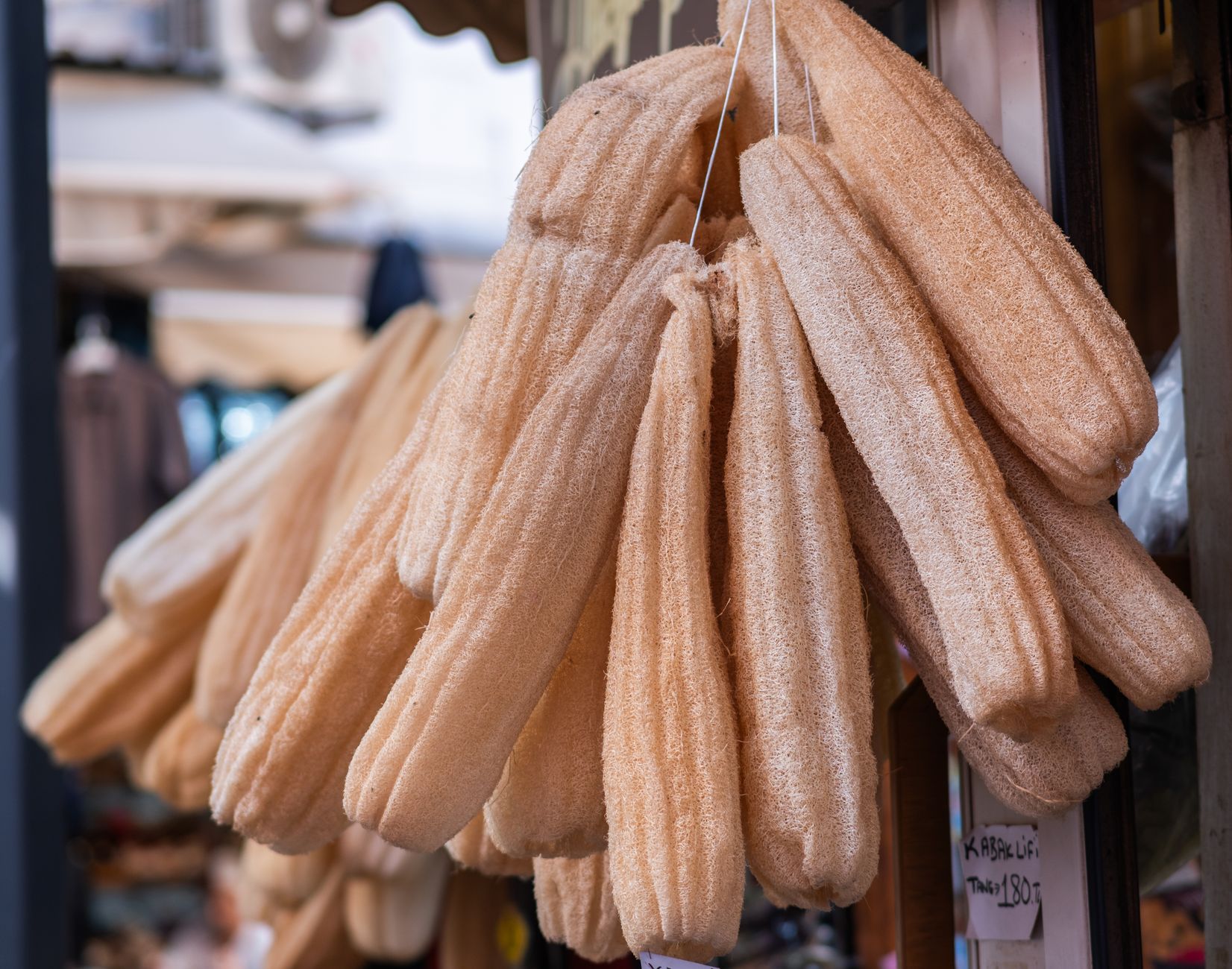
The scrub is next. The attendant puts on a coarse kese mitt and works over your back, shoulders, arms and legs, removing layers of dead skin you did not know you had. First-timers are often astonished by how much comes off. A soap massage and a rinse follow, sometimes with a foam wash that fills the air with bubbles. Afterwards you retreat to the cooling room, wrapped in towels, drink tea or şerbet, and let your heart rate settle. The whole visit, unhurried, takes 60–90 minutes; many locals stay longer.
Etiquette: How to Be a Good Guest
Hammam etiquette is simple but worth knowing before you walk in, especially in conservative small towns where the rhythm of local life is strong.
- Respect single-sex hours. Many small-town hammams serve women in the morning and men in the afternoon and evening, or alternate days. Ask before you go, and never assume mixed bathing.
- Cover up. Keep your peştemal on in shared spaces. Nudity is not the norm.
- Watch, then follow. Observe how locals wash — filling the bowl, pouring, refilling — and copy them. Water is scooped, not splashed about.
- Agree the price first. Confirm entry, scrub and any extra services up front, particularly if you do not share a language with the attendant.
- Tip discreetly. A small tip in cash, handed to the attendant, is appreciated and expected for a scrub.
- Skip it if you are unwell. The heat is intense. Pregnant travelers, people with heart conditions, and anyone feeling faint should sit it out — and it is normal to shorten your time in the hot room.
Photography is a hard no inside the bathing areas. In many small towns the hammam is the one place where people are truly off display, and that trust is why visitors are welcomed at all. Leave the phone in the locker.
A word on language: in villages and small towns, English is rare. A few phrases go a long way — “Bir kişi, lütfen” (one person, please), “Kese ve sabun?” (scrub and soap?), and “Ne kadar?” (how much?). A smile and a gesture do the rest.
What to Bring (and What to Leave Behind)
You need less than you think, but a few items make the difference between a good visit and a great one.
- A spare pair of underwear and a small towel. Some hammams rent towels; many small ones expect you to bring your own.
- Cash in small notes. Card machines are the exception, not the rule.
- Flip-flops or water shoes if you are squeamish about wet marble — the takunya clogs are provided but can be slippery.
- A plastic bag for wet swimwear and your peştemal.
- Water to drink afterwards, and a hairbrush for the changing room.
- Your own kese mitt if you want to buy one to take home — they make excellent, lightweight souvenirs and are sold cheaply in local markets.
Leave behind valuables, jewelry and your phone. A small lock or the hammam's own locker system is normally fine, but keep it minimal. If you have sensitive skin, mention it before the scrub — you can ask for a lighter touch, or skip the kese altogether and simply enjoy the steam.
The Market-Day Pairing: A Perfect Small-Town Afternoon
Here is the tip that turns a hammam visit into a highlight of your trip: plan it around market day. Almost every small Turkish town has a weekly pazar — a sprawling street market of produce, cheese, olives, spices, textiles and household goods. Market mornings are the town at its most alive, and the hammam is its natural conclusion.
The logic is practical as well as pleasurable. Arrive in the morning, walk the market while it is cool and at its busiest, buy fruit and snacks for later, and pick up a kese mitt or a bar of local olive-oil soap. Then, in the afternoon, when the market is winding down and your feet are tired, go to the hammam. You will soak away a morning of walking, and you will emerge into the early evening in time for dinner.
Ask your guesthouse or a shopkeeper which day the market falls on and which hours the hammam serves your sex — the two are sometimes linked, with women's hours scheduled after the morning market rush. If your visit falls on a non-market day, the hammam is still worth it; the town will simply be quieter, and the ritual more private.
For broader planning around regional rhythms, see our best time to visit guide and browse destinations for small towns with strong heritage architecture. If you want a route that strings several of them together, our itineraries are a good starting point, and our guides cover regional customs in more depth.
Where to Find the Best Heritage Hammams in Small Towns
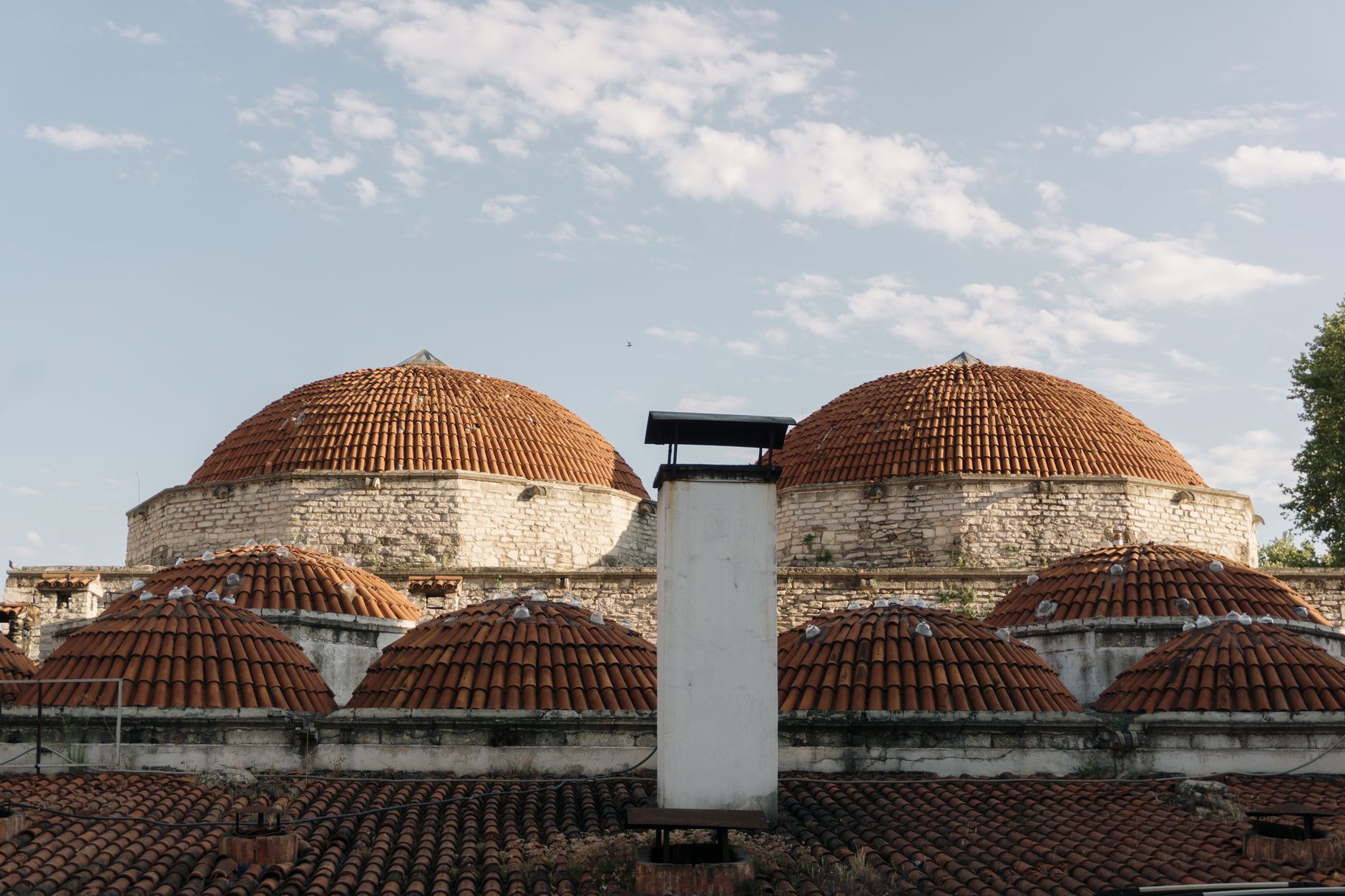
The richest hunting ground is the interior: towns along the old Ottoman trade and pilgrimage routes, where a mosque, a covered market and a hammam were built as a single charitable complex. Think towns in the provinces of Bursa, Kütahya, Amasya, Tokat, Konya, Kastamonu and the Aegean hinterland behind Izmir. A history older than a century, a dome with glass stars pierced for light, and a marble slab that has been warmed for 400 years are the signs you have found the real thing.
How to identify a good one? Look for a functioning boiler — steam on the windows and locals coming out with damp hair. Check whether the building appears on local heritage lists. Ask at the muhtarlık (neighborhood headman's office) or the nearest kahvehane (coffeehouse); men there will know the hours and the going rate, and they will be pleased you asked. Women traveling solo can ask at a women's cooperative or a local guesthouse for a recommendation and, ideally, a companion for the first visit.
Combining a hammam with the surrounding town is what makes the day. Pair it with the local museum, a mosque courtyard, a han (caravanserai) turned tea garden, or a walk along the old bazaar street. That slower itinerary is exactly what we help travelers build — you can start with our trip planner, check practical details in the FAQ, or read more culture and practical advice on our blog.
Practical Notes: Prices, Health and Expectations
Entry and scrub prices vary enormously by region, but the guiding principle is that small-town hammams are priced for local incomes, not tourist ones. Expect the local rate, bring cash, and tip for the scrub. If you are quoted something that feels like a city spa price, you are probably in the wrong place — or talking to someone who is not the hammam itself.
Manage expectations. These are working buildings, not curated spas: the changing room may be basic, the heating uneven, the décor worn. That is the charm, and part of the value. Bring your own towel, be patient with queues during the busy hours after work or after the market, and remember that the building was designed for community, not for privacy.
Finally, health: hydrate before and after, eat something light beforehand, and do not go straight from a heavy lunch into the hot room. If you are unsure, tell the attendant it is your first time — “İlk defa” — and they will generally look after you. There is no better way to understand Turkish daily life than an afternoon in a small-town hammam: a few coins, a scrub, a glass of tea, and a town's whole history around you.
Thinking about a trip to Turkey?
Share your contact details and a vetted local expert will follow up with a plan built around you — free, no obligation.