

Quiet Sanctuaries of Stone and Shade
In Türkiye, cemeteries are not merely places of burial; they are tranquil gardens where history, art, and nature intertwine. Across Istanbul, Bursa, and beyond, Ottoman-era cemeteries offer peaceful respites from the bustling streets, inviting visitors to slow down and reflect. These sacred grounds, often shaded by ancient cypress and plane trees, are living museums of stone carving, calligraphy, and botanical beauty.
Walking through these cemeteries, you'll encounter intricately carved headstones, some adorned with turbans, fezzes, or floral motifs that tell stories of the departed. The atmosphere is one of gentle reverence, where the whisper of leaves and the scent of pine accompany your steps. Whether you seek a moment of contemplation or an appreciation of Ottoman craftsmanship, Türkiye's historic cemeteries offer a unique and culturally enriching experience.
This guide invites you to explore some of the most beautiful and well-kept cemeteries in Türkiye, with respectful visiting tips and nearby spots for a cup of tea or a scenic view. Remember that these are active places of mourning and memory; approach them with sensitivity and gratitude.
Aşiyan Cemetery, Istanbul: A Poet's Resting Place
Perched on the hillside of Rumeli Hisarı in Istanbul, Aşiyan Cemetery is named after the nearby Aşiyan Museum, the former home of the renowned Turkish poet Tevfik Fikret. The cemetery is the final resting place of many notable writers, artists, and intellectuals, including Fikret himself. Its terraced layout offers stunning views of the Bosphorus, making it one of the most picturesque cemeteries in the city.
The tombstones here are a testament to Ottoman and early Republican-era stonework, with elegant calligraphy and symbolic carvings. As you wander along the shaded paths, you'll find peaceful corners overlooking the water, perfect for quiet reflection. The cemetery is well-maintained, with seasonal flowers adding splashes of color among the dark cypresses.
After your visit, stop by the Aşiyan Museum to learn more about Tevfik Fikret's life and work. The museum's garden is a charming spot to enjoy a glass of tea while taking in the Bosphorus view. For a longer walk, head down to the Rumeli Hisarı waterfront, where cafes and restaurants line the shore.
Eyüp Sultan Cemetery, Istanbul: A Historic Hillside of Faith
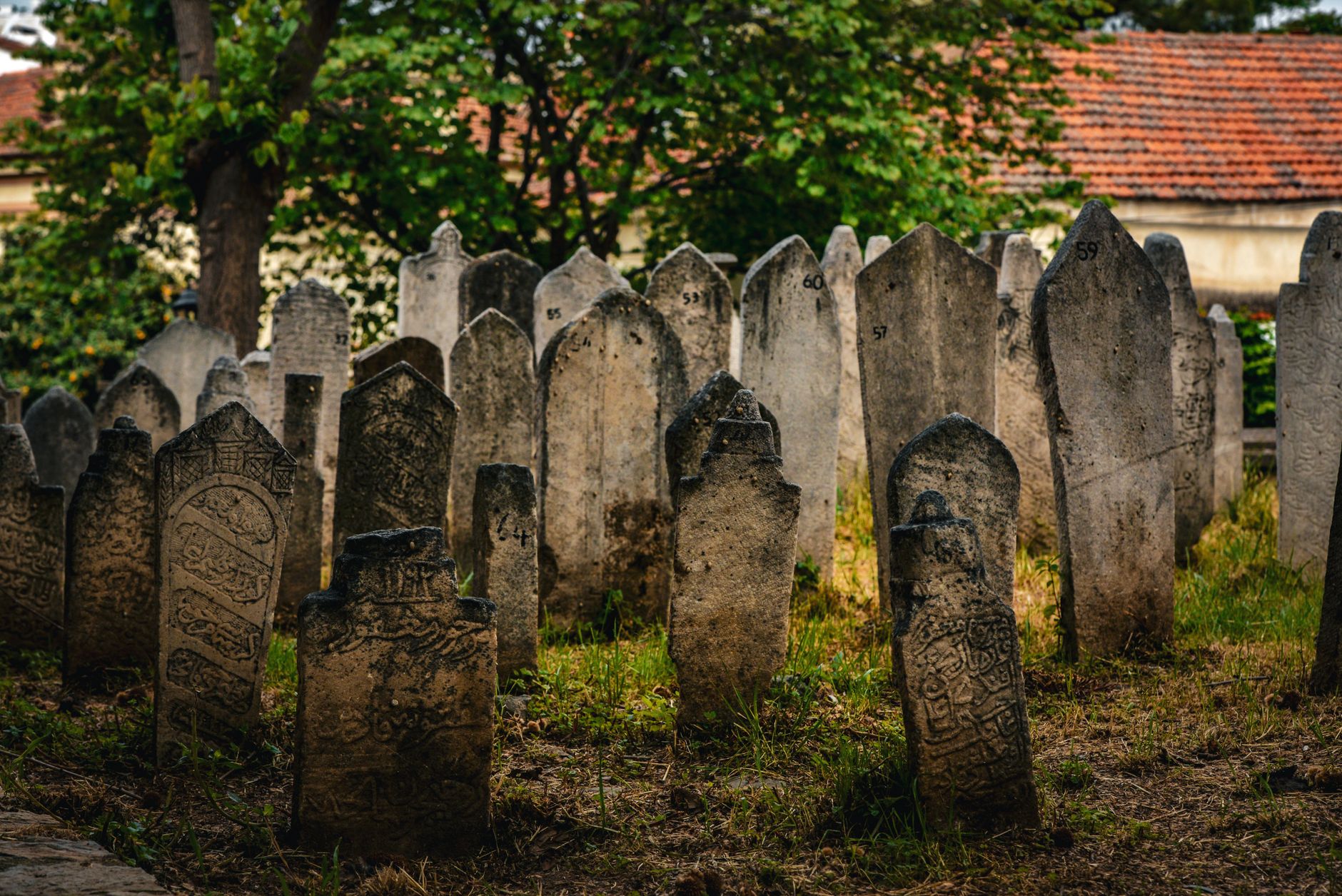
Adjacent to the Eyüp Sultan Mosque, one of Islam's holiest sites in Istanbul, lies the vast Eyüp Sultan Cemetery. This historic burial ground stretches up the hillside, its dense canopy of cypress trees creating a serene, almost mystical atmosphere. It is the resting place of many Ottoman dignitaries, scholars, and ordinary citizens, with headstones dating back centuries.
The cemetery is a treasure trove of Ottoman funerary art. Look for the distinctive turbans and fezzes atop male headstones, indicating the deceased's rank or profession, and the delicate floral and geometric carvings on women's stones. The calligraphy, often in elegant thuluth script, is a reminder of the high value placed on literacy and artistry in Ottoman society.
Visitors are welcome to walk through the cemetery, but it's important to dress modestly and maintain a respectful silence. The nearby Pierre Loti Café, accessible by a short cable car ride or a scenic walk, offers panoramic views of the Golden Horn—a perfect spot to reflect on your visit over a Turkish coffee.
Karacaahmet Cemetery, Istanbul: A Vast Ocean of Stones
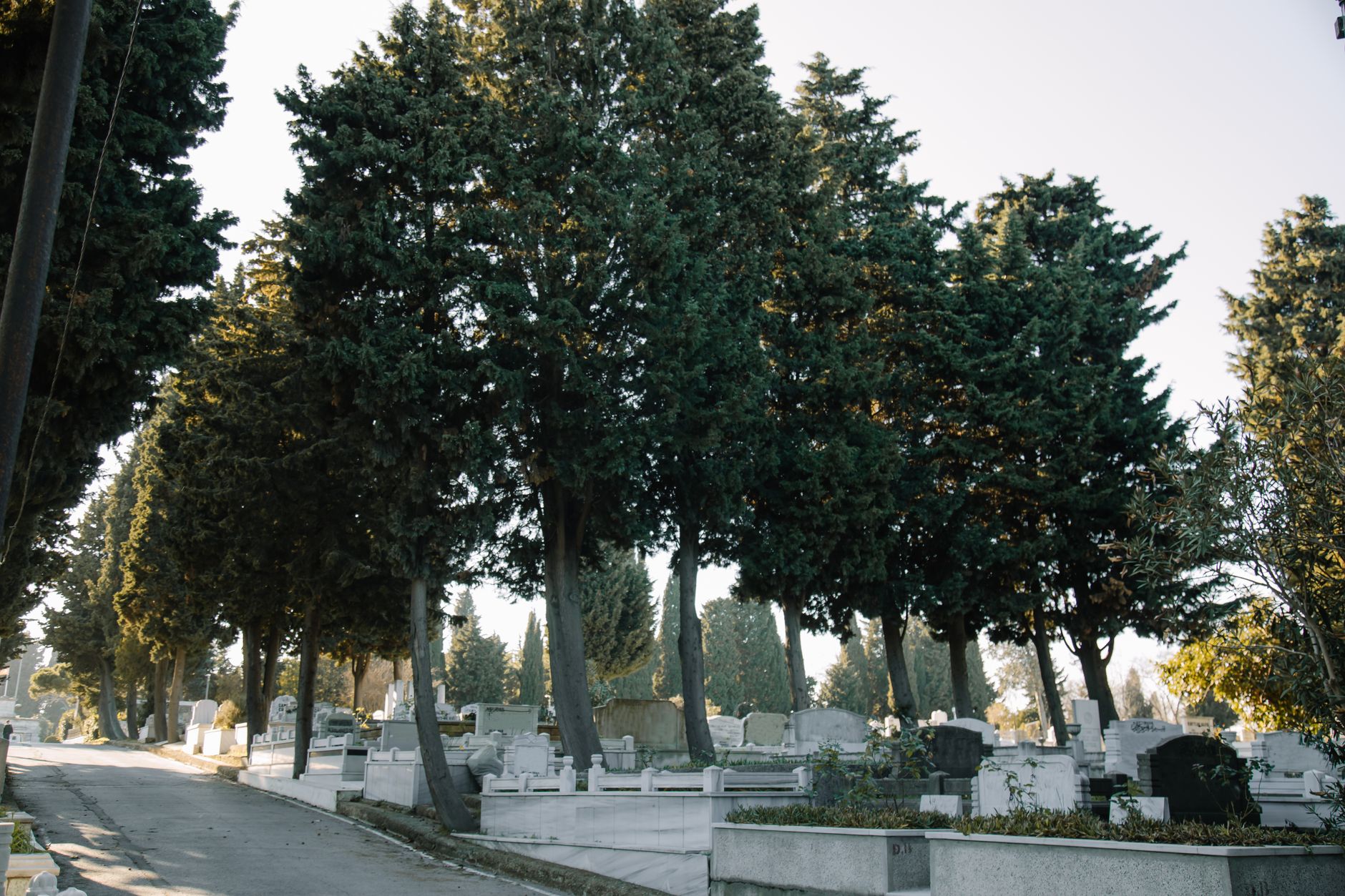
Karacaahmet Cemetery in Üsküdar is one of the oldest and largest cemeteries in Istanbul, spanning over 750 acres. Named after the 14th-century saint Karacaahmet, it is a sprawling, forest-like expanse of cypress, pine, and fig trees, with thousands of headstones scattered among the undergrowth. The sheer scale and age of the cemetery make it a fascinating place to explore.
Many of the tombstones here are centuries old, some leaning or half-buried, adding to the sense of timelessness. The carvings are varied, from simple inscriptions to elaborate turban-topped markers. The cemetery is also home to a diverse array of wildlife, including squirrels and birds, making it a haven for nature lovers.
Because Karacaahmet is an active cemetery and a place of pilgrimage, visitors should be particularly mindful. Stick to the paths, avoid disturbing any graves, and keep your voice low. After your walk, you can visit the nearby Karacaahmet Sultan Dergahı, a historic Sufi lodge, or enjoy a çay at one of the tea gardens in Üsküdar.
Ottoman Garden Tombs: Green Havens of Remembrance
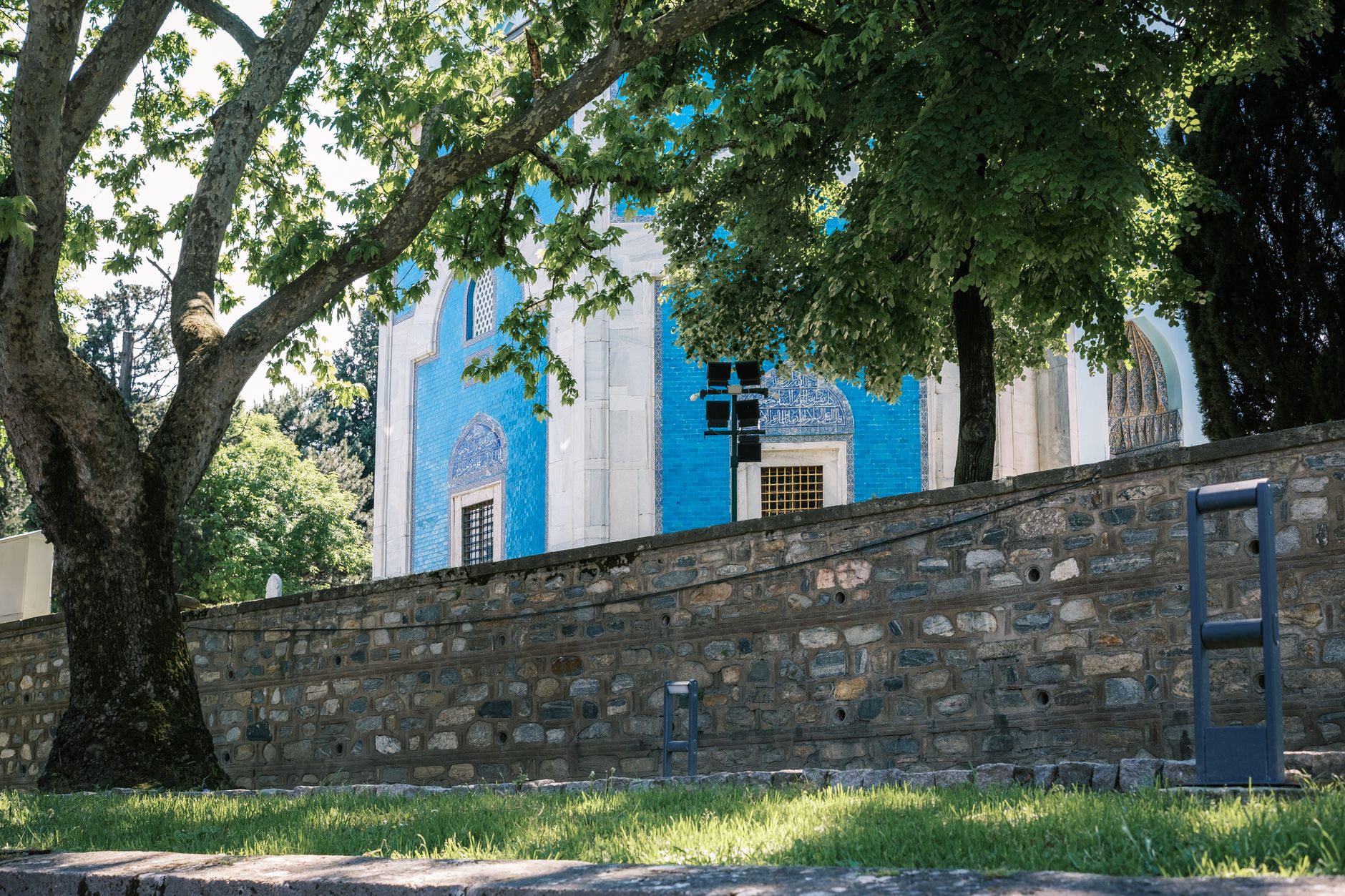
In addition to large cemeteries, Türkiye is home to many Ottoman garden tombs, known as türbe or hazire. These are often attached to mosques or madrasas and are designed as tranquil gardens. Notable examples include the tombs in the gardens of the Süleymaniye Mosque in Istanbul and the Green Tomb (Yeşil Türbe) in Bursa.
The Yeşil Türbe, the mausoleum of Sultan Mehmed I, is a masterpiece of early Ottoman architecture, adorned with exquisite turquoise tiles. The surrounding garden is a peaceful oasis, with rose bushes and ancient trees. Similarly, the harem gardens of Topkapi Palace contain several tombs of sultans and royals, set amidst manicured lawns and blooming flowers.
These garden tombs are not just architectural wonders but also places of quiet beauty. They offer a glimpse into Ottoman garden culture, where nature and spirituality were closely linked. When visiting, remember to remove your shoes if entering the tomb, and dress respectfully. Many of these sites are free to enter and are often less crowded than major tourist attractions.
Respectful Visiting Tips for Türkiye's Cemeteries
Visiting cemeteries in Türkiye can be a deeply moving experience, but it requires mindfulness. Here are some tips to ensure your visit is respectful and appropriate:
- Dress modestly: Cover your shoulders and knees, and avoid overly bright or revealing clothing. Women may wish to carry a scarf to cover their heads when entering tomb areas.
- Maintain a quiet demeanor: Speak softly, avoid laughter or loud conversations, and keep phone use to a minimum.
- Do not walk on graves: Stick to designated paths and avoid stepping on grave markers, as this is considered disrespectful.
- Ask before photographing: While photography is generally allowed, avoid taking pictures of mourners or close-up shots of headstones without permission.
- Respect religious customs: If you see people praying, give them space. Do not disturb anyone in mourning.
By following these guidelines, you contribute to the preservation of these sacred spaces and show respect for Turkish culture and Islamic traditions.
Nearby Cafes and Viewpoints for Reflection
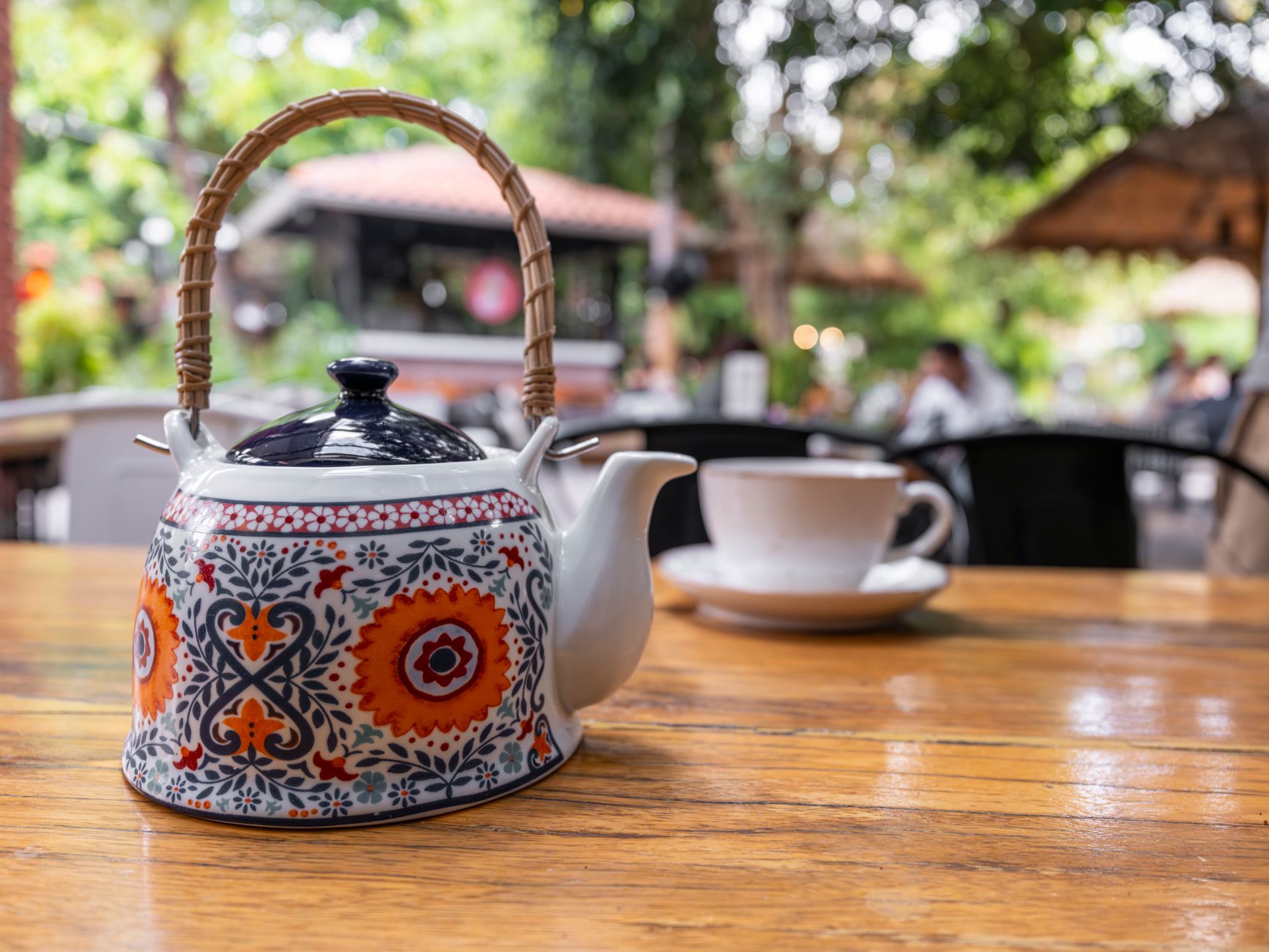
After a contemplative walk through a cemetery, you may wish to sit and reflect over a cup of Turkish tea or coffee. Many of Türkiye's cemeteries are located near charming cafes and viewpoints.
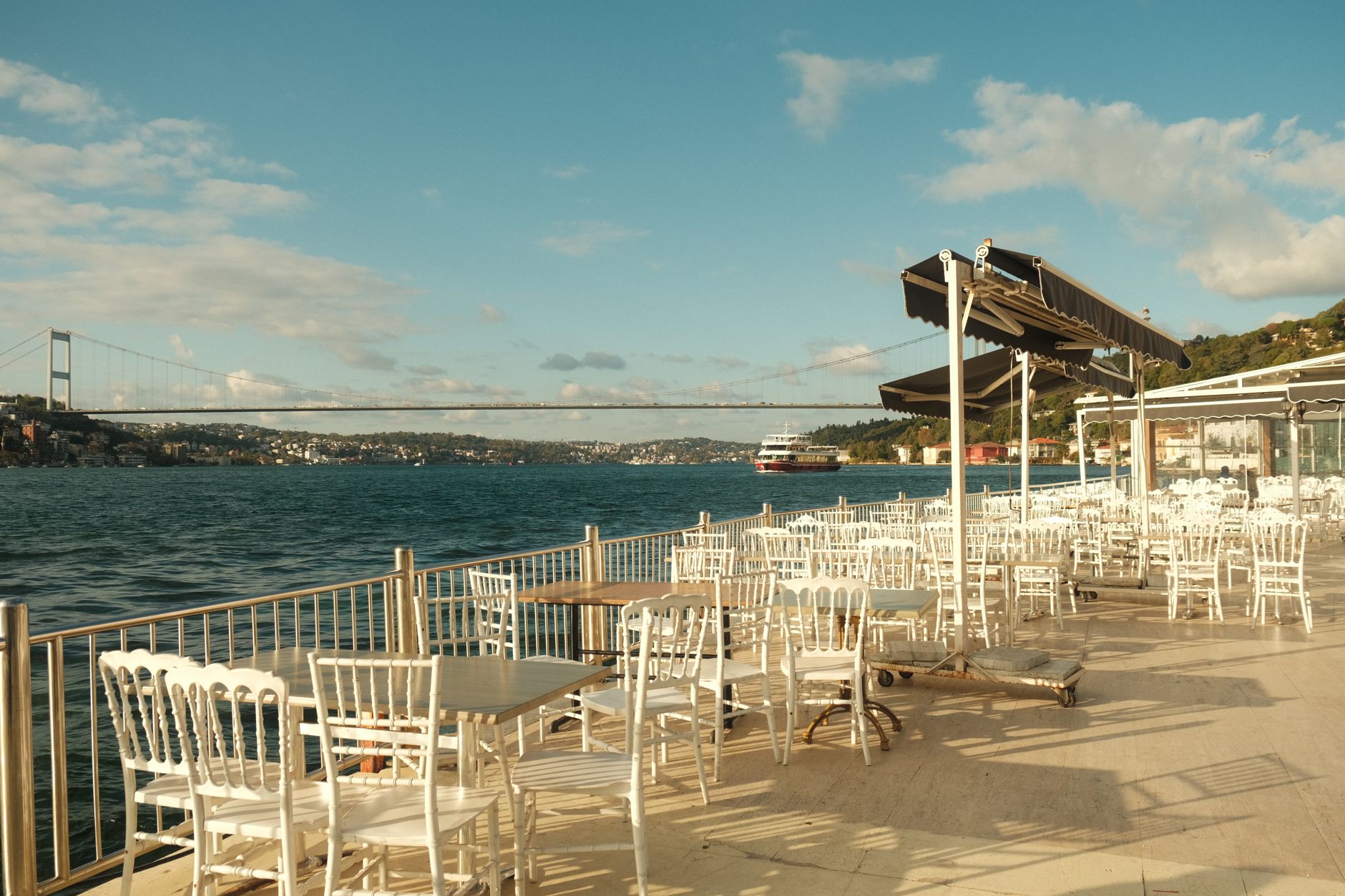
In Istanbul, the Pierre Loti Café near Eyüp Sultan Cemetery is famous for its panoramic views of the Golden Horn. The Aşiyan Museum's garden cafe offers a serene spot overlooking the Bosphorus. In Bursa, the tea gardens around the Yeşil Türbe provide a peaceful setting to enjoy the city's famous chestnut sweets.
For those visiting Karacaahmet Cemetery, the Üsküdar waterfront is just a short tram ride away, where you can relax at a seaside cafe and watch the ferries glide across the Bosphorus. These nearby spots allow you to extend your moments of reflection and appreciate the beauty of Türkiye's landscapes.
Remember that cemeteries are places of memory and mourning. Your quiet presence and respectful curiosity are welcome, but always prioritize the sanctity of the site. By doing so, you honor the past and the people who rest there.
Thinking about a trip to Turkey?
Share your contact details and a vetted local expert will follow up with a plan built around you — free, no obligation.