

Introduction: Türkiye's Quiet Sanctuaries of the Word
For travellers who measure a journey in stories rather than selfies, Türkiye offers an understated treasure: a network of historic libraries and manuscript museums where the written word has been revered for centuries. Far from the crowded bazaars and bustling squares, these serene institutions preserve illuminated Qur'ans, imperial decrees, medical treatises, and poetic divans—many still housed in the very buildings commissioned by Ottoman sultans and Seljuk emirs.
Whether you are a scholar, a bibliophile, or simply someone who loves the hush of a reading room, these quiet stops invite slow looking and deep reflection. In this guide, we explore some of the most accessible and atmospheric historic libraries in Istanbul, Konya, and Manisa, with practical notes on visiting hours, photography rules, and nearby cafés for a contemplative day.
Istanbul: Imperial Collections and the Art of the Book
Istanbul, the city that bridged empires, is home to some of the richest manuscript collections in the Islamic world. The Süleymaniye Manuscript Library (Süleymaniye Yazma Eser Kütüphanesi) sits within the Süleymaniye Mosque complex, a masterpiece by the architect Mimar Sinan. Founded in the 16th century, it houses over 100,000 manuscripts, including exquisite illuminated Qur'ans and works on astronomy, law, and Sufism. The reading room's domed ceiling and stained-glass windows create a cathedral-like stillness that encourages reverence for the page.
Equally compelling is the Museum of Turkish and Islamic Arts (Türk ve İslam Eserleri Müzesi) in Sultanahmet, which displays rare manuscripts alongside calligraphy and miniature painting. For a more intimate experience, the Atatürk Library in Taksim holds a significant collection of Ottoman-era printed books and maps, with a modern reading hall overlooking the Bosphorus.
Visitor Hours and Photography Rules in Istanbul
The Süleymaniye Manuscript Library is generally open to researchers on weekdays from 9:00 to 17:00, though public access to the reading room may require prior appointment. The Museum of Turkish and Islamic Arts welcomes visitors daily from 9:00 to 18:00 (last entry 17:30). Photography without flash is usually permitted in museum galleries, but in active reading rooms, you should always ask permission; many libraries prohibit photographing manuscripts to protect them from light damage.
Contemplative Cafés Near Istanbul's Libraries
After a morning among manuscripts, retreat to Eminönü for a cup of tea at a modest çay bahçesi near the Spice Bazaar, or head to Vefa Bozacısı, a historic shop serving the fermented millet drink boza since 1876. In Sultanahmet, the courtyard of the İstanbul Kitapçısı café offers a quiet corner to jot notes. For a more modern vibe, Kronotrop in Fatih serves specialty coffee in a minimalist setting, perfect for reflecting on what you have seen.
Konya: The Seljuk Legacy of Learning
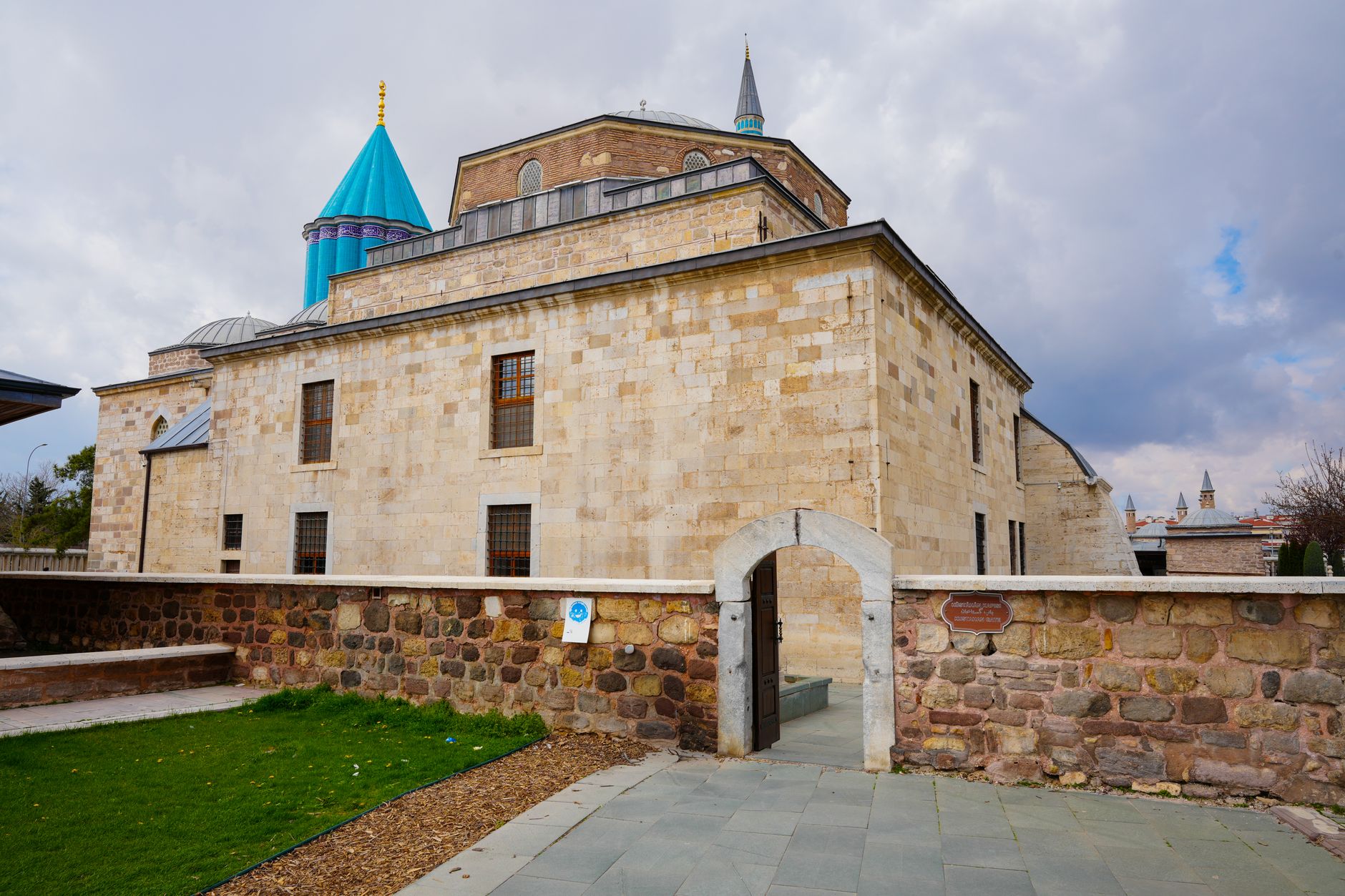
Konya, the spiritual heart of Anatolia and home of the whirling dervishes, holds a special place in Türkiye's scholarly heritage. The Konya Manuscript Library (Konya Yazma Eser Kütüphanesi) is a treasure trove of Seljuk and Ottoman manuscripts, including works on Sufism, medicine, and astronomy. Nearby, the Mevlana Museum (Mevlana Müzesi) preserves the library of Rumi's followers, with beautifully bound Qur'ans and Persian poetry collections.
The İnce Minareli Medrese, a 13th-century theological school, now houses the Museum of Stone and Wooden Works, where carved tombstones and architectural fragments share space with historic books. The building's Seljuk tilework and carved portal alone are worth the visit.
Visitor Hours and Photography Rules in Konya
The Konya Manuscript Library is typically open Monday to Friday, 8:30–17:30, and welcomes researchers with valid ID. The Mevlana Museum is open daily from 9:00 to 18:30 (extended hours in summer). Photography is allowed in the museum's courtyard and exhibition halls, but flash and tripods are generally prohibited. Inside the library reading rooms, photography is usually forbidden; respect posted signs and staff instructions.
Quiet Cafés Near Konya's Manuscript Collections
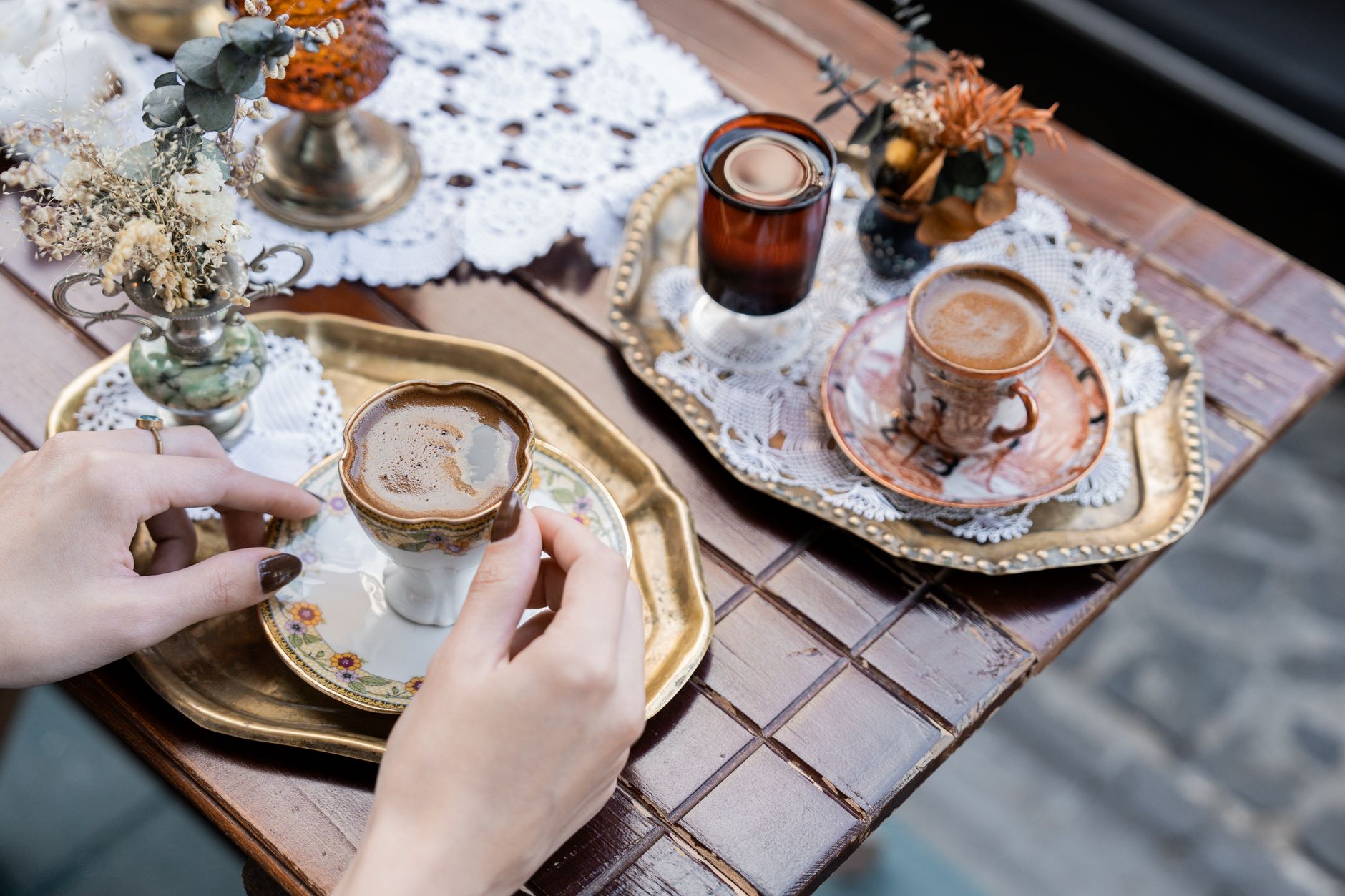
For a contemplative break, try Konya Kahve Evi near the Mevlana Museum, where you can sip Turkish coffee amid traditional decor. Gül Bahçesi (Rose Garden) is a tranquil tea house with outdoor seating, ideal for reading a few pages of Rumi's poetry. Karatay Medresesi also has a small café serving herbal teas in a historic setting.
Manisa: A Hidden Gem of Ottoman Scholarship
Often overlooked by international travellers, Manisa boasts one of the finest manuscript collections in western Türkiye. The Manisa Manuscript Library (Manisa Yazma Eser Kütüphanesi), founded in 1937 but housed in a restored Ottoman building, holds over 13,000 manuscripts, including rare copies of the Qur'an, Islamic jurisprudence, and literature. The library's central location near the Muradiye Mosque makes it easy to combine with a visit to the mosque's exquisite tilework.
Manisa's Saruhan Bey Library and the Museum of Manisa further enrich the city's scholarly landscape. The museum displays local archaeological finds alongside Ottoman-era books and documents, offering context for the region's intellectual history.
Visitor Hours and Photography Rules in Manisa
The Manisa Manuscript Library is open weekdays from 8:30 to 17:00. Visitors are welcome to browse the general collection, but access to rare manuscripts requires an appointment. Photography is not allowed inside the manuscript reading room; however, you may photograph the building's exterior and gardens. The Museum of Manisa is open daily 8:30–17:30, with photography permitted in most exhibition areas (no flash).
Reflective Spots and Cafés in Manisa
After your library visit, stroll through the Manisa City Park (Manisa Şehir Parkı) and stop at Çınaraltı Cafe, a local favorite shaded by ancient plane trees. Manisa Kahvesi in the bazaar serves strong Turkish coffee and homemade pastries. For a serene end to the day, the tea garden at Niobe Park offers panoramic views of the Gediz Valley—a perfect place to reflect on the day's discoveries.
Planning Your Manuscript Tour: Practical Tips
When visiting these historic libraries, remember that many are active research institutions. Dress modestly, speak softly, and always ask before taking photos. Bring a notebook and pencil—pens are often prohibited near manuscripts. If you wish to consult rare items, contact the library in advance with your research topic and identification.
Public transportation in Istanbul, Konya, and Manisa is efficient; taxis and ride-hailing apps are also available. Consider visiting on weekdays to avoid crowds, and check official websites or call ahead for holiday closures. Many libraries close for lunch between 12:00 and 13:30.
Celebrating Türkiye's Scholarly Heritage
Türkiye's historic libraries are more than repositories of old books; they are living witnesses to a culture that has always cherished learning. From the imperial grandeur of Istanbul to the mystical calm of Konya and the hidden treasures of Manisa, these quiet stops offer a profound connection to the past. As you turn the pages—or simply admire the craftsmanship—you become part of a centuries-old tradition of curiosity and reverence.
So next time you plan a trip to Türkiye, set aside a day for a manuscript museum or historic library. Let the silence settle around you, sip a cup of tea in a nearby café, and celebrate a heritage that continues to inspire book lovers from around the world.
Thinking about a trip to Turkey?
Share your contact details and a vetted local expert will follow up with a plan built around you — free, no obligation.