

Introduction: A Journey Through Türkiye's Literary Sanctuaries
Türkiye is a land where history whispers from every stone, and its libraries are no exception. Beyond the bustling bazaars and majestic mosques, there lies a quieter world of magnificent historic libraries and reading rooms that have preserved knowledge for centuries. These sanctuaries of learning offer travelers a unique glimpse into the intellectual soul of the country, from the grandeur of Istanbul's Beyazıt State Library to the intimate reading rooms tucked away in Anatolian towns. In this guide, we invite you to explore these serene spaces, understand their significance, and learn how to visit them with the respect they deserve.
As you plan your journey through Türkiye, consider adding these literary landmarks to your itinerary. They provide not only a respite from the heat and crowds but also a profound connection to the scholars, poets, and ordinary readers who have sought wisdom within their walls. Whether you are a bibliophile, a history enthusiast, or simply someone who appreciates quiet beauty, these libraries will leave a lasting impression.
Beyazıt State Library: Istanbul's Crown Jewel of Knowledge
Located in the heart of Istanbul's historic peninsula, the Beyazıt State Library (Beyazıt Devlet Kütüphanesi) stands as a testament to the Ottoman Empire's commitment to learning. Founded in 1884 by Sultan Abdülhamid II, it was the first library in the empire to open its doors to the general public, a revolutionary step in making knowledge accessible beyond the elite. Housed in a beautifully restored building adjacent to the Beyazıt Mosque, the library's architecture blends classical Ottoman elements with modern functionality, creating an atmosphere that is both grand and welcoming.
Today, the Beyazıt State Library holds over half a million volumes, including rare manuscripts, early printed books, and periodicals that chronicle centuries of Turkish history and culture. Its reading rooms, with their high ceilings and soft natural light, offer a tranquil escape from the city's clamor. Visitors can admire the intricate tile work and calligraphy that adorn the walls, or simply sit and absorb the scholarly ambiance that has inspired generations of researchers.
To visit, head to Beyazıt Square, easily accessible by tram from Sultanahmet or Eminönü. The library is open daily except Sundays, and admission is free. While photography is allowed in common areas, it is restricted in manuscript rooms; always check signage and ask staff if unsure. Remember that this is a working library, so maintain a quiet demeanor and avoid disturbing those who are studying.
Anatolian Gems: Small-Town Libraries with Big Stories
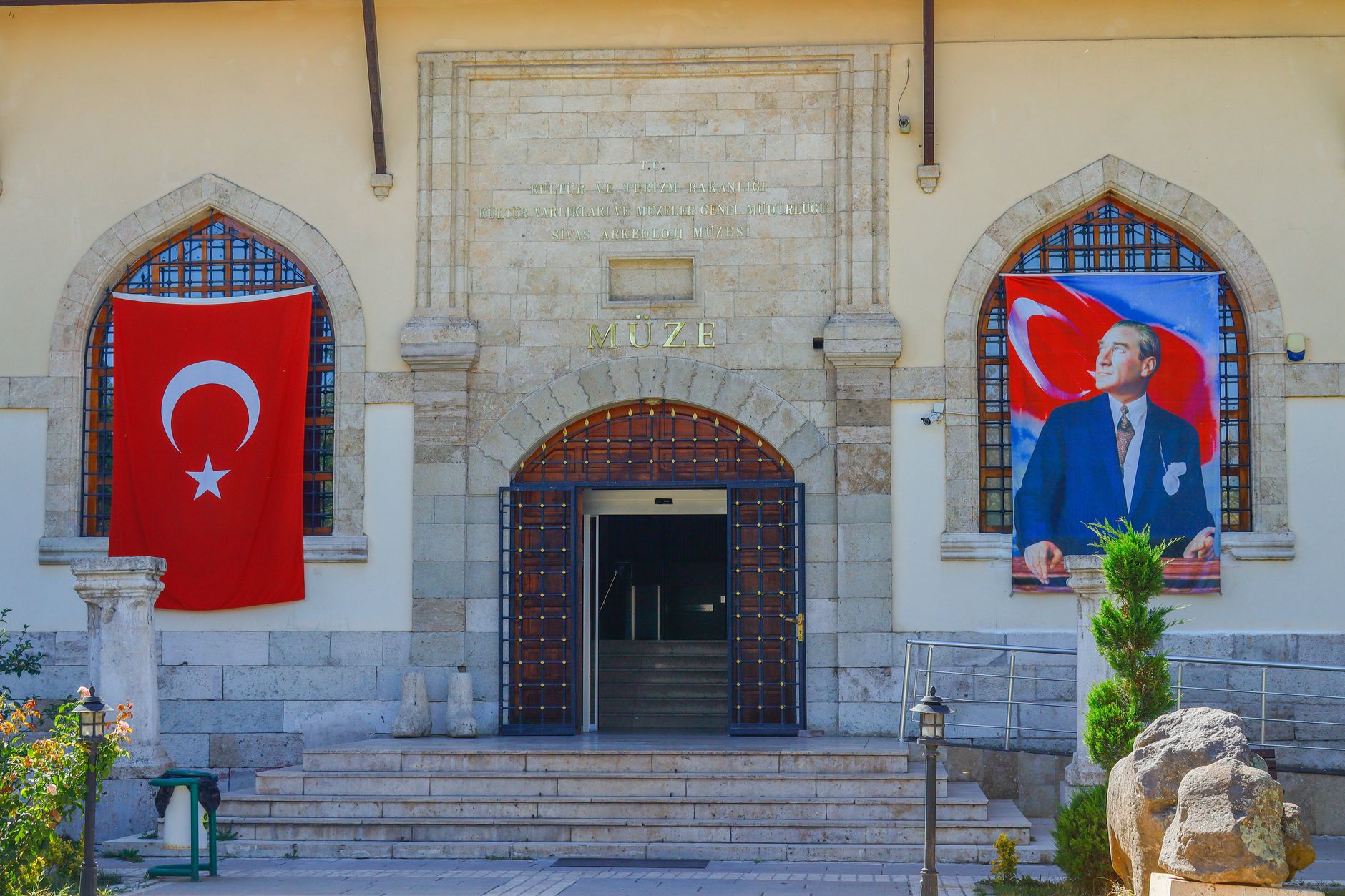
While Istanbul's libraries are remarkable, the true hidden treasures of Türkiye's literary heritage often lie in smaller Anatolian towns. These libraries, sometimes housed in historic buildings such as medreses or caravanserais, offer an authentic glimpse into local life and history. For instance, the Amasya State Library, located in a 15th-century medrese, preserves manuscripts related to the region's rich Ottoman past. Similarly, the Konya Regional Manuscript Library, situated near the Mevlana Museum, houses a priceless collection of Sufi texts and Persian manuscripts.
In towns like Kastamonu, the Candaroğlu İsmail Bey Library, built in 1450, is a marvel of Seljuk architecture with its ornate portal and wooden ceiling. It continues to serve as a public library, welcoming visitors to browse its collection while admiring the historic setting. These smaller libraries often lack the crowds of Istanbul, allowing for a more personal experience where you can chat with local librarians and learn about the community's reading culture.
Visiting these gems requires a bit more planning, as opening hours may vary and English may not be widely spoken. It's advisable to call ahead or check local tourism websites. When you arrive, dress modestly, greet the staff with a smile, and ask for permission before taking photos. Such gestures go a long way in respecting the local customs and ensuring these spaces remain open to travelers.
Reading Rooms: Where Past and Present Meet
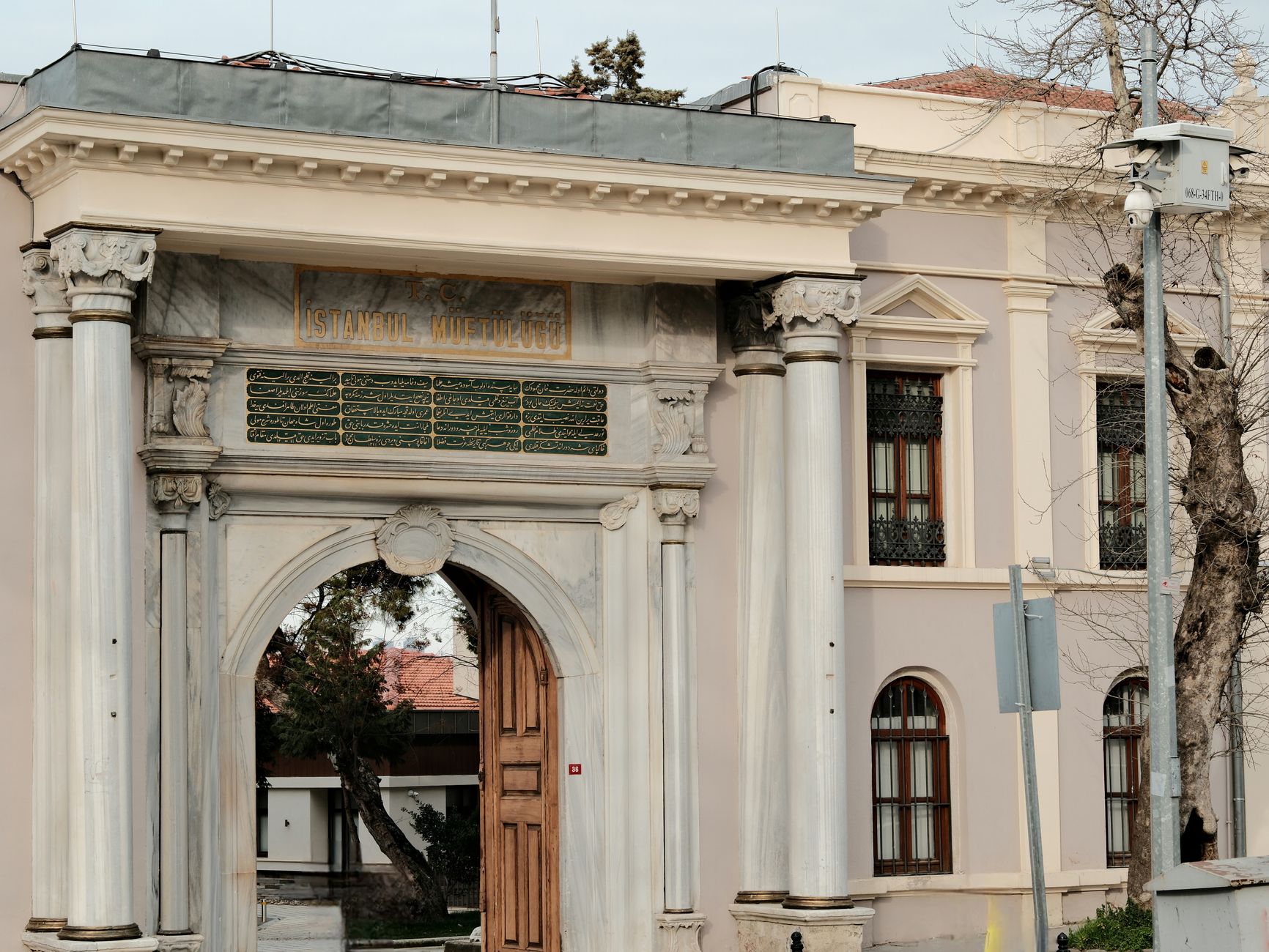
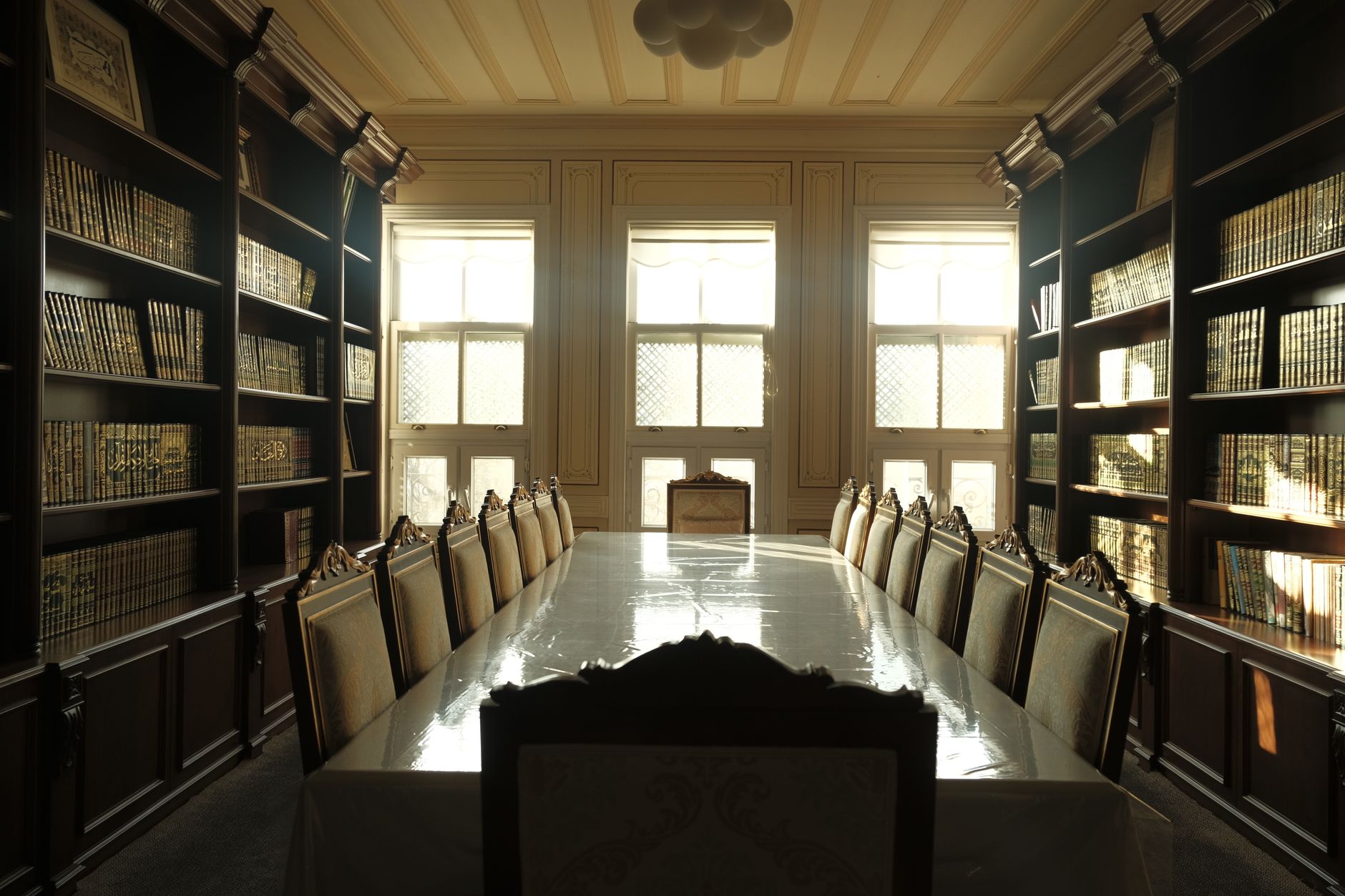
Beyond formal libraries, Türkiye boasts a tradition of reading rooms (okuma salonları) that function as community hubs for learning and reflection. Often attached to mosques or cultural centers, these rooms provide free access to books, newspapers, and periodicals. In cities like Bursa, the historic reading room at the Emir Sultan Mosque offers a peaceful retreat where locals gather to read the Quran or discuss literature. The ambiance is simple yet profound, with shelves of books, low tables, and the soft murmur of conversation.
In recent years, municipalities across Türkiye have restored many historic reading rooms, blending Ottoman aesthetics with modern comforts. The Istanbul Metropolitan Municipality's "Ottoman-style reading rooms" project has revived several spaces, such as the one in Fatih, where visitors can enjoy a cup of tea while reading. These rooms are typically open to all, regardless of background, embodying the Turkish tradition of hospitality and shared knowledge.
When visiting a reading room, remember that it is primarily a place for quiet study and prayer. Keep your voice low, avoid using your phone, and do not bring in food or drinks unless permitted. If you wish to read, you may borrow a book from the shelf, but return it to its place afterward. Engaging with locals in a respectful manner can lead to enriching conversations and a deeper appreciation of Turkish culture.
Literary Heritage: From Ottoman Manuscripts to Modern Archives
Türkiye's libraries are custodians of a literary heritage that spans millennia, from ancient Hittite tablets to Ottoman divan poetry and modern Turkish literature. The Süleymaniye Manuscript Library in Istanbul, for example, houses over 70,000 manuscripts, including rare copies of the Quran and works by luminaries like Ibn Sina and Rumi. Similarly, the Millet Manuscript Library, also in Istanbul, boasts a collection that reflects the empire's multicultural fabric, with texts in Arabic, Persian, and Turkish.
These collections are not merely relics; they are living sources for scholars and a source of national pride. Many libraries have digitization projects, making these treasures accessible online, but nothing compares to seeing them in person. Exhibitions often display select manuscripts, offering visitors a chance to marvel at the artistry of illumination and calligraphy.
To delve deeper, consider joining a guided tour if available. These tours provide context about the manuscripts' historical significance and the libraries' roles in preserving them. Whether you're a researcher or a curious traveler, understanding this heritage enriches your experience and fosters a greater appreciation for Türkiye's contributions to world knowledge.
How to Visit Respectfully: Etiquette and Practical Tips
Visiting these historic libraries and reading rooms is a privilege, and it comes with the responsibility to respect the spaces and their users. Here are some key guidelines to ensure your visit is both enjoyable and respectful:
- Dress modestly: As many libraries are located within or near religious sites, opt for conservative attire that covers shoulders and knees.
- Maintain silence: These are places of study and contemplation. Keep conversations to a whisper and silence your phone.
- Ask before photographing: While some areas allow photos, others prohibit them to protect fragile materials. Always seek permission.
- Handle materials with care: If you are granted access to rare books, use gloves if provided and turn pages gently.
- Be mindful of opening hours: Many libraries close on Sundays and public holidays, and some have limited hours. Check in advance.
- Support the library: Consider making a donation or purchasing a souvenir booklet if available; these contributions help maintain these treasures.
Additionally, learning a few Turkish phrases like "Merhaba" (hello) and "Teşekkür ederim" (thank you) can go a long way in building rapport with staff. If you're unsure about anything, politely ask—librarians are often proud of their institutions and happy to assist.
Finally, remember that these are not tourist attractions but functioning institutions. By behaving considerately, you help preserve them for future generations and ensure that travelers continue to be welcomed.
Conclusion: Embracing the Quiet Soul of Türkiye
Türkiye's historic libraries and reading rooms are more than just repositories of books; they are windows into the nation's soul. They reflect a deep-seated reverence for knowledge, a commitment to preserving the past, and a generosity in sharing it with the world. From the majestic Beyazıt State Library to the humble reading room in a Anatolian town, each space offers a unique story waiting to be discovered.
As you travel through Türkiye, take time to step away from the well-trodden paths and immerse yourself in these tranquil havens. Whether you spend an hour reading, admiring the architecture, or simply soaking in the silence, you'll come away with a deeper connection to the country's literary heritage. And by visiting respectfully, you become part of a long tradition of travelers and scholars who have sought wisdom in these hallowed halls.
So pack a book, practice your quiet steps, and set off to explore Türkiye's historic libraries—a journey that promises to enrich your mind and touch your heart.
Thinking about a trip to Turkey?
Share your contact details and a vetted local expert will follow up with a plan built around you — free, no obligation.