

Why Türkiye Is a Honey Lover's Paradise
Türkiye is one of the world's great honey producers, with more than 8 million beehives scattered from the Aegean pine forests to the high plateaus of Anatolia. What makes Turkish honey so special isn't just volume—it's the astonishing diversity of microclimates. Within a single day's drive you can move from coastal pine woods to chestnut-covered mountains to alpine meadows bursting with wildflowers, each producing honey with a completely distinct character.
For travelers, honey is more than a souvenir. It's a window into rural life, a reason to leave the beach and head inland, and the centerpiece of the famous Turkish village breakfast, where jars of golden honey are spooned alongside clotted cream, olives, and fresh bread. This guide will take you along Türkiye's honey trails, from the pine forests of Muğla to the chestnut hills of the Black Sea, with practical tips for tasting, buying, and packing honey for the flight home.
Muğla Pine Honey: The Crown Jewel of Turkish Honey
If Türkiye has a national honey, it's çam balı—pine honey from the Muğla region. But here's the secret: it isn't made from pine flowers at all. The bees collect honeydew secreted by a tiny insect called Marchalina hellenica that lives on the bark of Turkish red pine trees. The result is a dark, robust, malty honey with a flavor somewhere between molasses and caramel, and it accounts for roughly 70% of Türkiye's honey production.
Muğla pine honey is prized for its low sugar content and resistance to crystallization, meaning it stays liquid for years. The best place to experience it is in the villages around Marmaris, Dalyan, and Köyceğiz, where beekeepers still place hives directly in the pine forests. Many families have been tending bees for generations and will happily explain the honeydew process over a glass of tea.
To taste it at its finest, visit a local kahvaltı (breakfast) spot and drizzle pine honey over thick kaymak (clotted cream) spread on warm village bread. The bitterness of the honey against the richness of the cream is a revelation.
Chestnut Honey and Flower Honey: Treasures of the Black Sea and Aegean
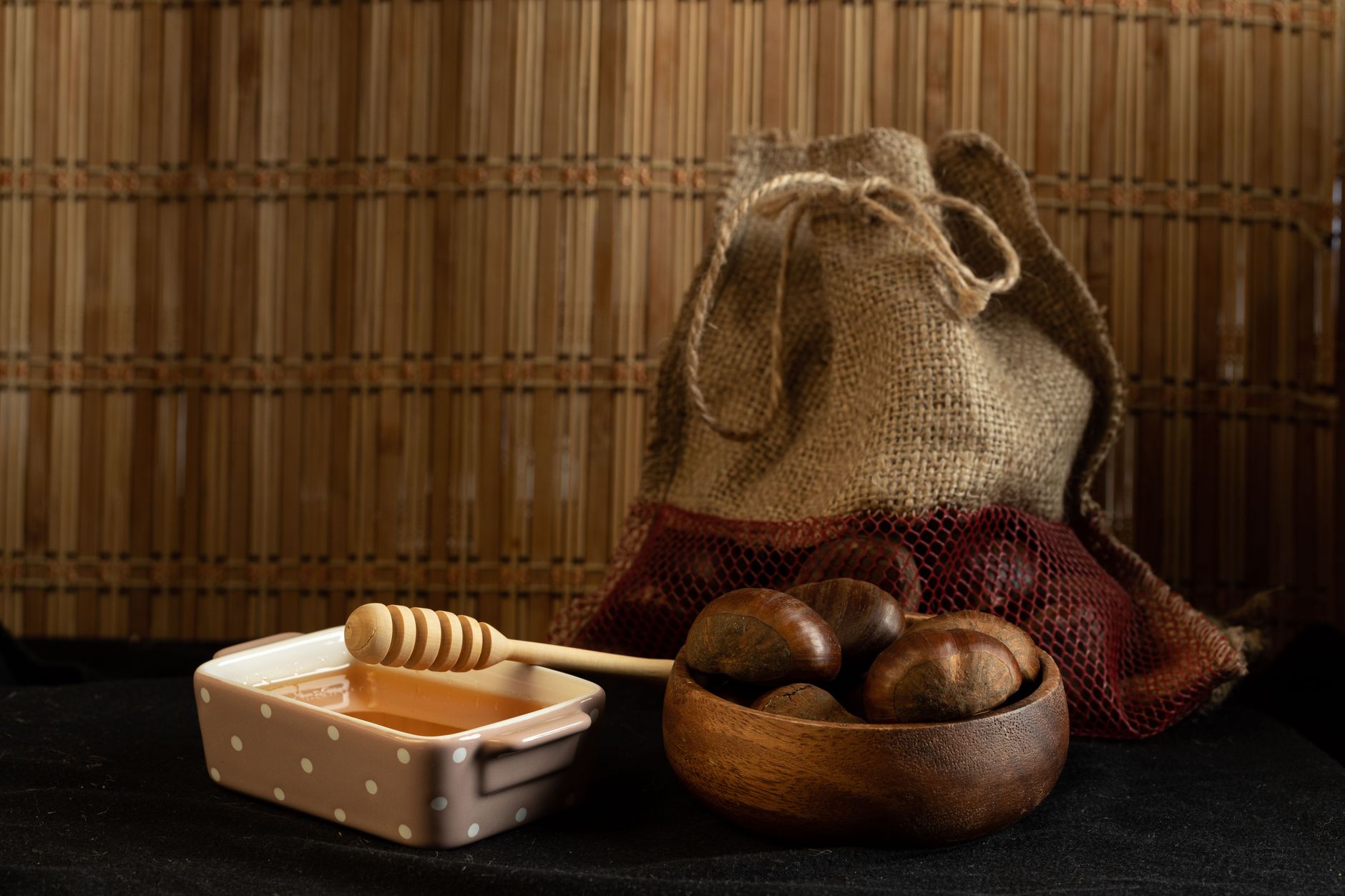
Head north to the Black Sea region and you'll find kestane balı (chestnut honey), a dark, intensely aromatic honey with a slight bitterness and a lingering woody aftertaste. It's produced in the chestnut forests around Sinop, Kastamonu, and the Artvin highlands. Chestnut honey is often marketed for its health properties—high in antioxidants and minerals—but it's also simply delicious with strong cheese or stirred into yogurt.
In the Aegean and Mediterranean regions, çiçek balı (flower honey) dominates. This is the golden, fragrant honey you'll find on most breakfast tables, made from wildflowers, thyme, sage, and citrus blossoms. Each region's flower honey tastes different: citrus honey from the Mersin area is light and perfumed, while thyme honey from the Datça peninsula is herbal and bold. Many beekeepers produce small-batch flower honeys that capture the essence of a single valley.
Other notable varieties include lavender honey from the Isparta region (mild and floral) and acacia honey from the Marmara region (pale, delicate, and slow to crystallize). Wherever you travel in Türkiye, there's a local honey waiting to be discovered.
Where to Taste and Buy: Honey Trails and Beekeeper Encounters
To truly follow Türkiye's honey trails, you need to get off the beaten path. Here are some of the best places to meet beekeepers, taste honey straight from the comb, and buy directly from producers:
- Muğla and Marmaris: Visit the Marmaris Honey House or drive into the surrounding villages where roadside stands sell pine honey in recycled jars. Many beekeepers welcome visitors for informal tastings.
- Ayvalık and Cunda Island: Known for its olive oil, this region also produces excellent pine and flower honey. The Saturday market is a great place to sample multiple varieties.
- Sinop and Kastamonu: In the Black Sea region, chestnut honey is sold at local cooperatives and roadside stalls. Look for the dark, almost black jars.
- Kars and Ardahan: In northeastern Türkiye, high-altitude flower honey from alpine meadows is a rare treat. The honey is light, creamy, and intensely floral.
- Isparta: Famous for roses, Isparta also produces lovely lavender and flower honeys. Visit in July when the lavender fields are in bloom.
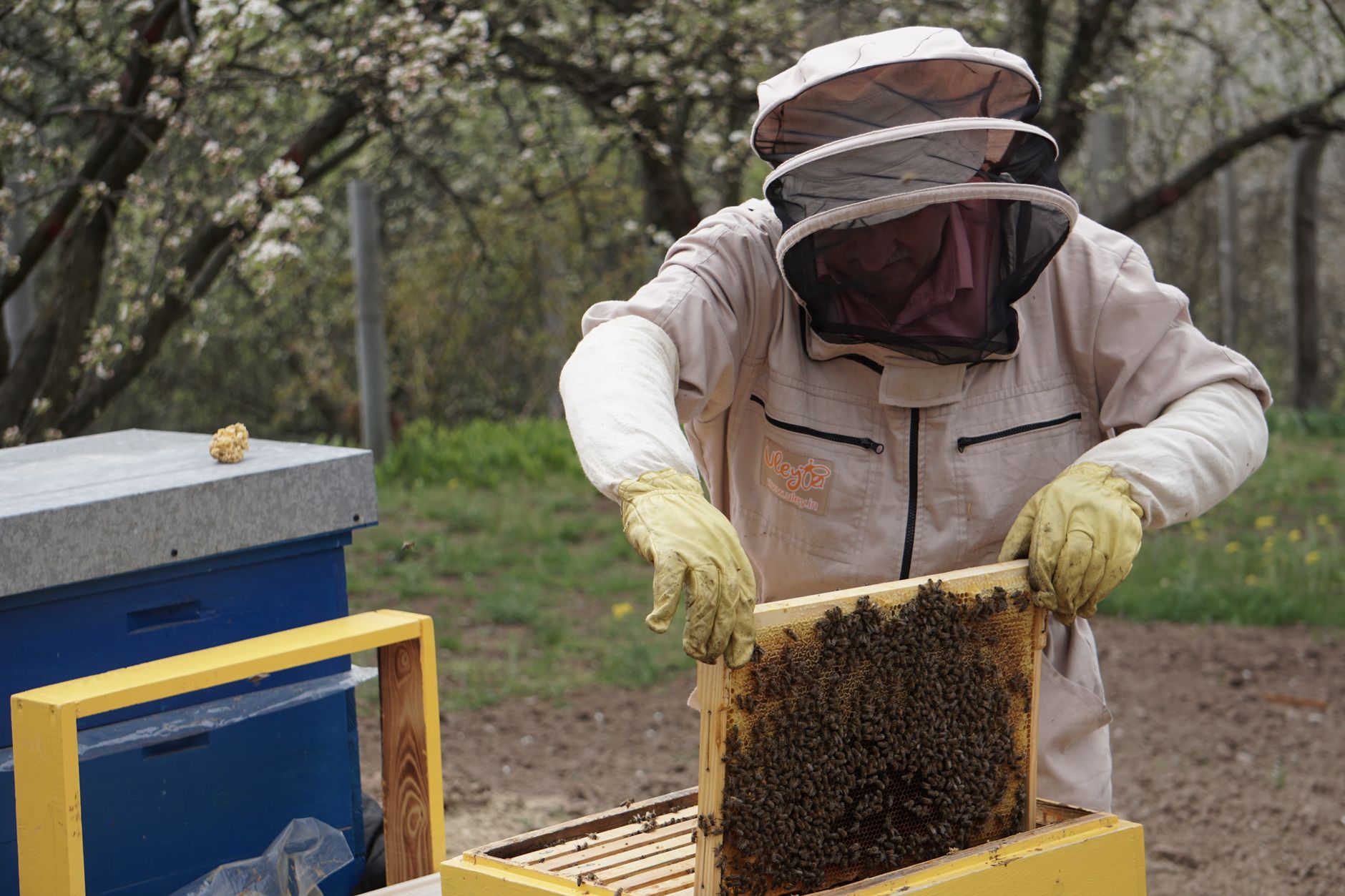
At many of these spots, you can also arrange a beekeeping experience—suited up in protective gear, you'll open a hive, watch the bees work, and taste honey straight from the frame. It's an unforgettable way to connect with Türkiye's rural traditions.
Village Breakfast Tables: Honey in Its Natural Habitat
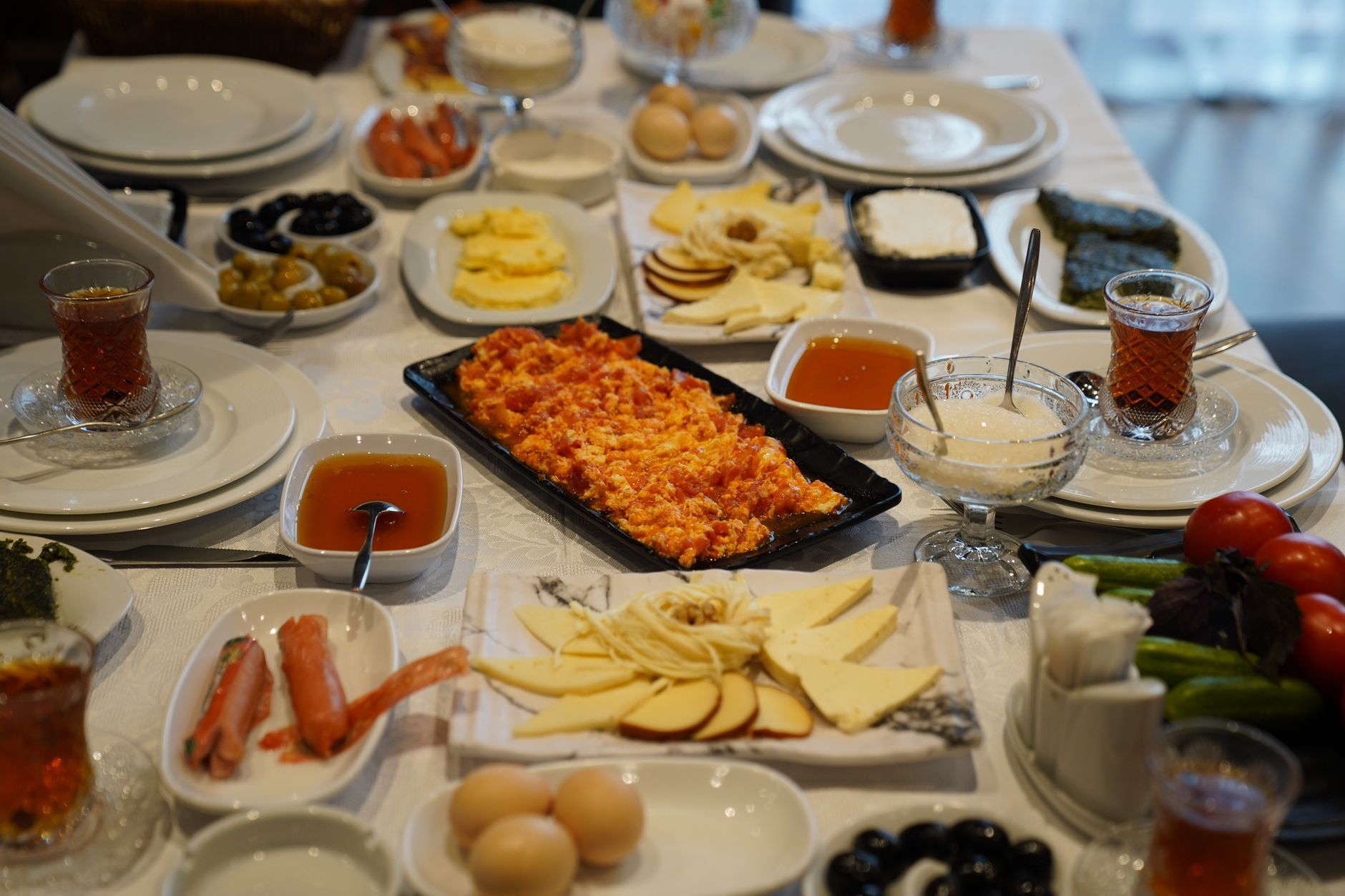
The Turkish village breakfast, or köy kahvaltısı, is a feast that can stretch for hours. Alongside olives, cheeses, tomatoes, cucumbers, and endless glasses of tea, honey plays a starring role. It's usually served in a small bowl with a spoon, next to a dish of kaymak. The ritual is simple: spread kaymak on bread, drizzle honey over it, and take a bite. The combination of cool, creamy dairy and warm, aromatic honey is one of the great pleasures of Turkish cuisine.
For the most authentic experience, seek out breakfast spots in rural areas—mountain villages, olive-growing regions, or along the Aegean coast. In Muğla, look for signs advertising köy kahvaltısı; many family-run establishments serve honey from their own hives. In the Black Sea, breakfast often includes chestnut honey and local butter. Wherever you are, don't rush. Village breakfast is as much about conversation and hospitality as it is about food.
Some of our favorite breakfast destinations include the village of Cumalıkızık near Bursa, the mountain villages around Antalya, and the bohemian cafes of Ayvalık. But honestly, any small-town lokanta with a handwritten menu is likely to deliver a memorable honey experience.
Packing Honey for the Flight Home: Practical Tips
Bringing Turkish honey home is a wonderful idea, but you need to pack it carefully. Honey is considered a liquid by airport security, so it must go in your checked luggage if the jar exceeds 100 ml. Here's how to do it without a sticky disaster:
- Choose the right jar: Buy honey in sturdy glass or plastic jars with screw-top lids. Avoid decorative ceramic pots that can crack.
- Seal it twice: Tighten the lid, then wrap the neck with electrical tape or cling film. Place the jar inside a zip-top bag, squeezing out excess air.
- Wrap in clothing: Roll the bagged jar in a t-shirt or towel, then place it in the center of your suitcase, surrounded by soft items.
- Check airline rules: Some airlines allow up to 2 kg of honey in checked baggage; others have no specific limit as long as it's within weight allowances. When in doubt, check ahead.
- Consider shipping: If you're buying in bulk, ask the producer if they can ship internationally. Many can arrange it for a fee.
Once home, store your honey at room temperature, away from direct sunlight. If it crystallizes, don't worry—it's a sign of pure, unprocessed honey. Just place the jar in a bowl of warm water to liquefy it again.
Plan Your Honey-Focused Journey
Türkiye's honey trails offer a delicious reason to explore beyond the coast. Whether you're tasting pine honey in a Muğla forest, spreading chestnut honey on warm bread in the Black Sea highlands, or lingering over a village breakfast, you'll be connecting with a centuries-old tradition of beekeeping and hospitality. So pack your sense of adventure—and an empty jar—and hit the road. The honey is waiting.
Thinking about a trip to Turkey?
Share your contact details and a vetted local expert will follow up with a plan built around you — free, no obligation.