

A New Chapter in Mediterranean Archaeology
Türkiye and Italy have announced a new program of joint archaeological partnerships set to begin in 2027, pairing Italian excavation expertise with Türkiye's extraordinary store of ancient sites. The collaboration builds on decades of scientific exchange between the two Mediterranean countries.
For travelers, the announcement is a quiet win. Joint projects of this kind usually come with something visitors notice: new interpretation centers, improved site access, fresh finds put on display and more frequent guided programming at the sites involved.
Türkiye's archaeological record is remarkably deep — from Neolithic settlements and Hittite capitals to Greek cities, Roman metropolises and Byzantine monuments. The Italian partnership adds research capacity and conservation know-how to sites that are already among the most rewarding in the world to visit.
Where the 2027 Work Is Focused
The partnership is expected to cover excavation, conservation and study work at sites spanning western Anatolia, where Greek and Roman layers are especially rich, and central regions known for prehistoric and Bronze Age remains. Exact site lists are still being coordinated between institutions.
Italian teams have long worked in Anatolia, and the new program formalizes and expands that cooperation with shared fieldwork seasons, joint publications and exchange programs for young archaeologists.
Practically, travelers should expect the most visible changes at sites already open to the public: updated signage, refreshed walking routes and new displays of recently excavated material.
What Visitors Can Expect in 2027
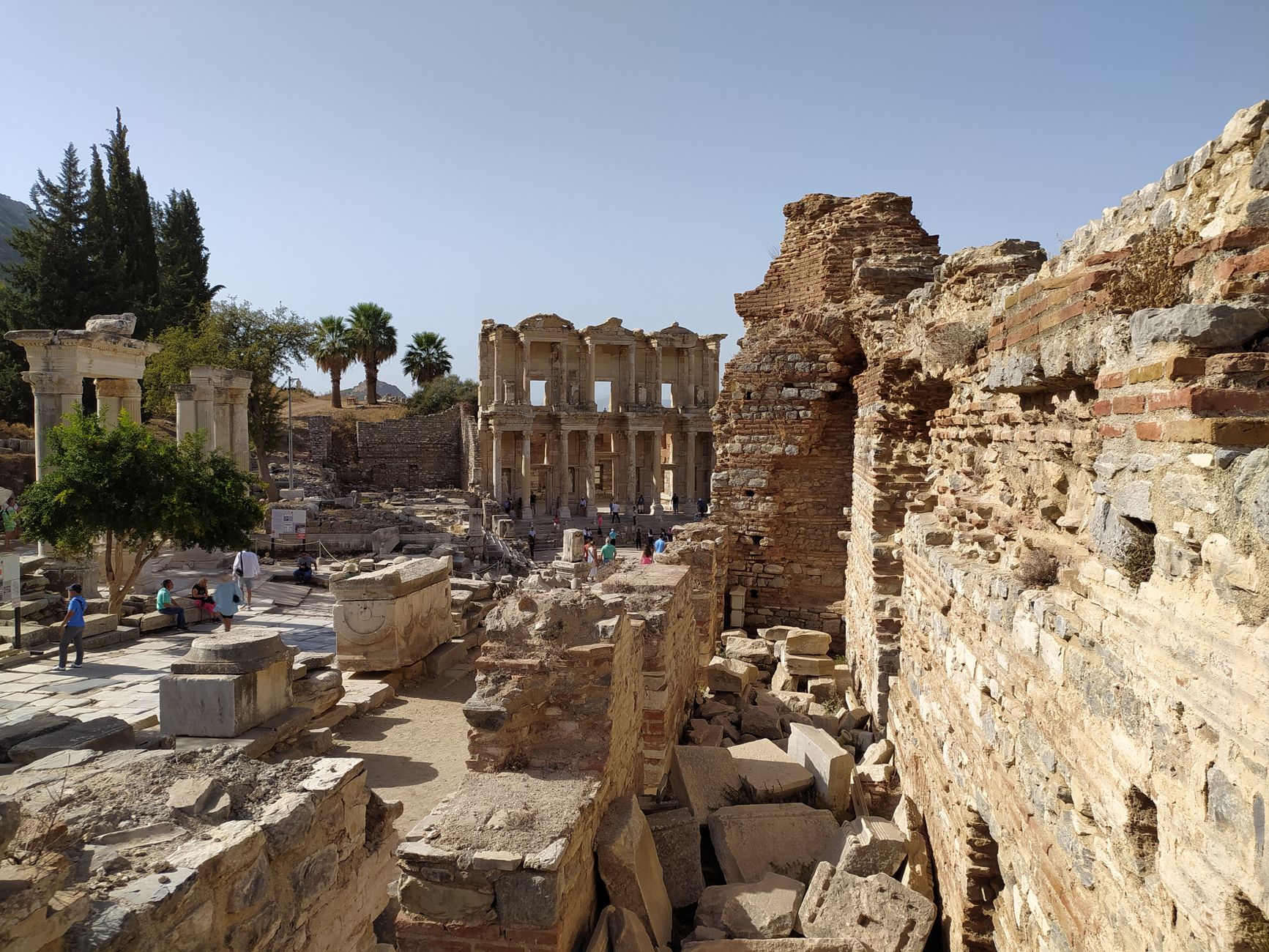
Visitors planning Türkiye trips for 2027 should watch for improved visitor infrastructure at participating sites, including better interpretive panels in multiple languages and small on-site exhibit spaces showing objects from current excavations.
- Expect new or expanded guided tour offerings linked to active excavation seasons.
- Some areas of working sites may be temporarily fenced for digging and conservation.
- Museum displays near partner sites may be refreshed with recent finds.
- Off-season visits can mean fewer crowds and a chance to see archaeologists at work.
Because fieldwork in Türkiye is seasonal, the best window to combine a site visit with active excavation is generally spring through early summer and again in autumn. Our best-time guide can help you match a route to the digging calendar.
Why This Matters for Heritage Travelers
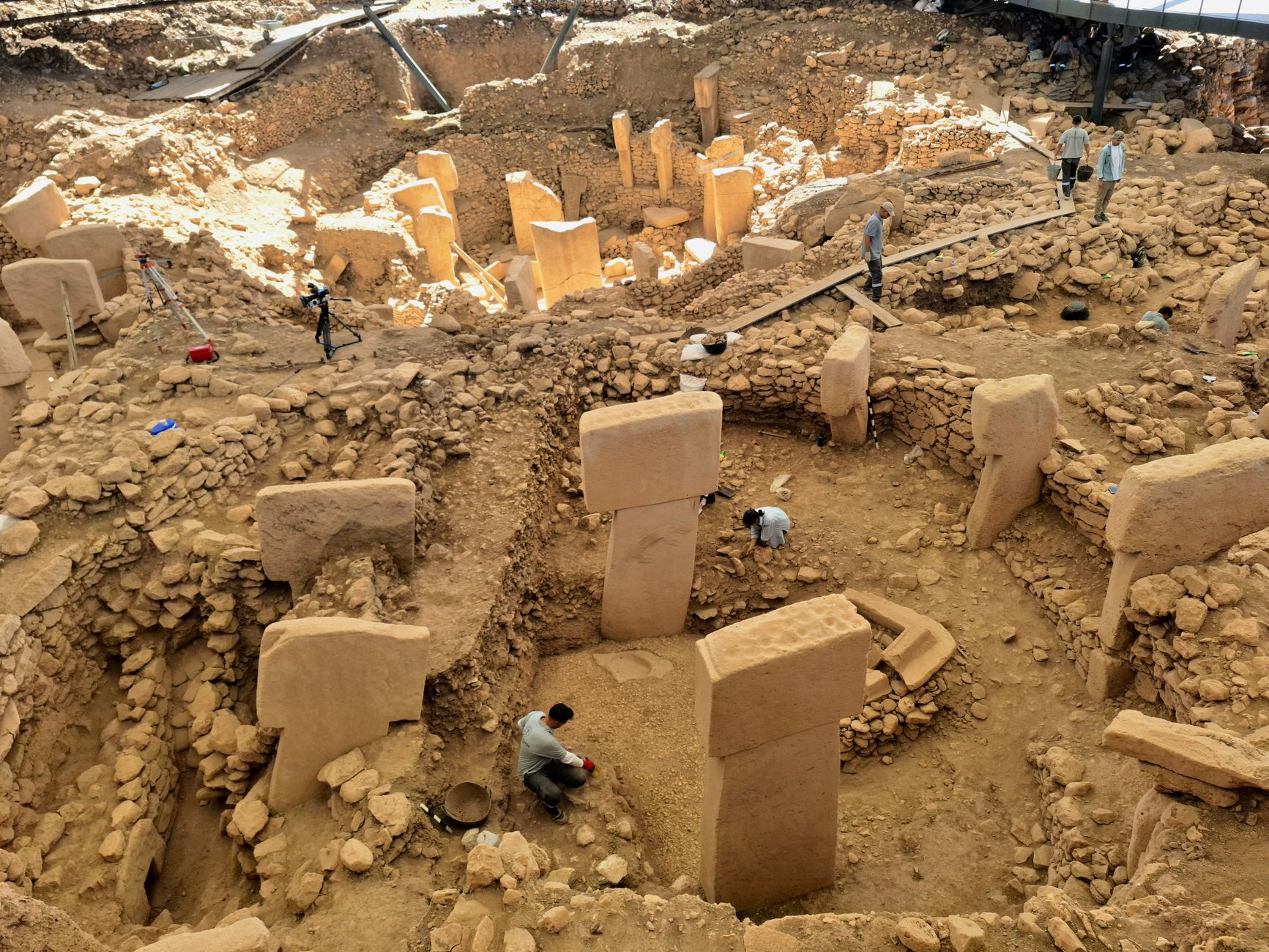
International partnerships tend to raise the standard of interpretation at the sites involved. When research teams work on a site for years, they accumulate stories that translate well into exhibitions, digital reconstructions and walking trails.
Türkiye already offers travelers the rare chance to stand where major discoveries are still being made. A partnership like this one keeps that experience current rather than static.
If archaeology is your reason for traveling, our travel guides and itineraries cover how to build a route around ancient sites without missing the landscapes, food and cities that make a Türkiye trip memorable.
Planning a Heritage-Focused Trip
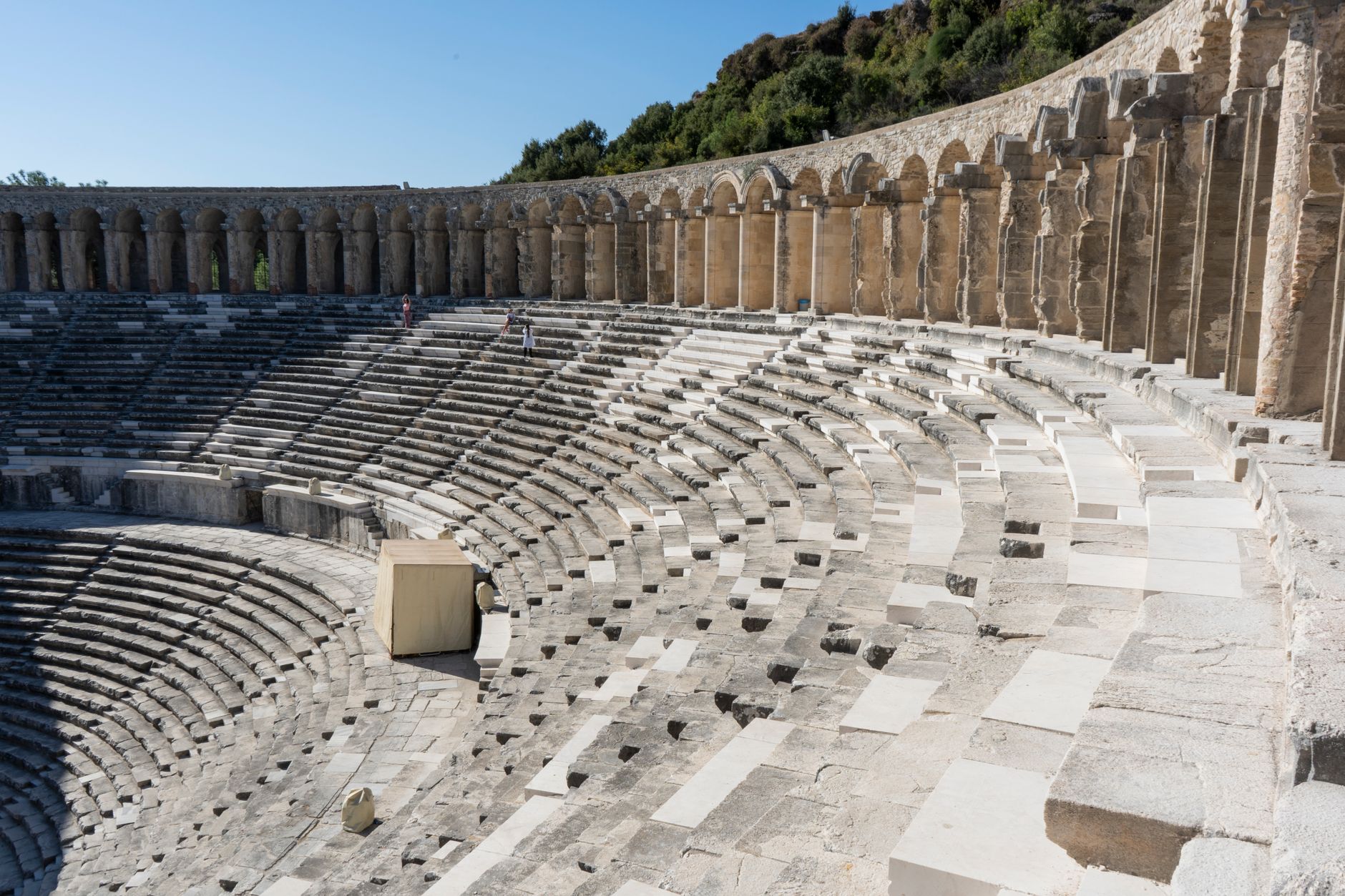
The collaboration is a good prompt to plan a trip around archaeology rather than adding a single ruin to a city break. Western and central Anatolia hold enough accessible ancient sites to fill a two-week route comfortably.
Practical tips: carry sun protection and water at exposed sites, wear shoes with grip for uneven stone paths, and allow more time than you think at major ruins. Many sites are quieter early in the morning.
Our routes and trip planner can help you sequence sites sensibly, while the destinations section covers the regions where excavation activity is concentrated.
What to Watch Before You Book
Details of participating sites and public programming will be confirmed closer to the 2027 launch. Travelers should check site and museum opening hours before visiting, since working excavations sometimes close small areas temporarily.
Book accommodation in gateway towns early for spring and autumn, when both fieldwork and tourism peak. Local guides with archaeology backgrounds are often the best value on a heritage trip.
Above all, this is a story about access: Türkiye's deep heritage becoming a little easier to see, understand and enjoy. For travelers fascinated by the ancient world, 2027 looks like a year to start planning.
Thinking about a trip to Turkey?
Share your contact details and a vetted local expert will follow up with a plan built around you — free, no obligation.