

Introduction: A Red-Letter Day for Nature Lovers
Imagine strolling through a sun-dappled forest in spring, when suddenly the air fills with a gentle blizzard of crimson and black. Millions of ladybugs—tiny, harmless, and utterly enchanting—swarm around you, landing on your shoulders, your hat, your outstretched palm. This is not a scene from a fairy tale; it is a real, recurring phenomenon in Türkiye, one of the most biodiverse countries in the world. Every year, from late April to early July, certain regions of Anatolia witness spectacular gatherings of ladybugs (also known as ladybirds), turning meadows, pine forests, and mountain slopes into living, breathing jewels.
For families, photographers, and anyone who delights in nature's quirks, Türkiye's ladybug season is a magical, must-see event. It is a reminder that wonder often comes in the smallest packages. In this guide, we will explore why these swarms happen, the best places and times to witness them responsibly, and how to pair the experience with other outdoor activities that Türkiye does so well.
Why Do Ladybugs Swarm in Türkiye?
Ladybugs are not just pretty faces; they are voracious predators of aphids and other plant pests. In Türkiye, the combination of a Mediterranean climate, diverse flora, and extensive agricultural lands creates a paradise for these beetles. When temperatures rise in spring and aphid populations explode, ladybugs feast and multiply. But the swarms you see are often not about feeding—they are about migration and overwintering. Some species, like the seven-spot ladybug (Coccinella septempunctata), gather in huge numbers to travel to higher elevations or to find cool, sheltered spots for the summer heat.
Türkiye sits at the crossroads of Europe, Asia, and the Middle East, and its varied topography—from coastal plains to high plateaus—supports over 100 ladybug species. The swarms are a natural response to environmental cues: warming temperatures, day length, and food availability. Scientists have observed that certain valleys and mountain passes act as funnels for these migrations, creating the breathtaking aggregations that lucky travelers can witness.
The phenomenon is not only a spectacle but also a sign of a healthy ecosystem. Ladybugs are bioindicators, meaning their presence reflects a balanced environment with minimal pesticide use. Seeing them in such numbers is a testament to Türkiye's rich biodiversity and the ongoing efforts to preserve its natural heritage.
"Nature's tiny wonders remind us that the most extraordinary moments often come without warning—and without a ticket price."
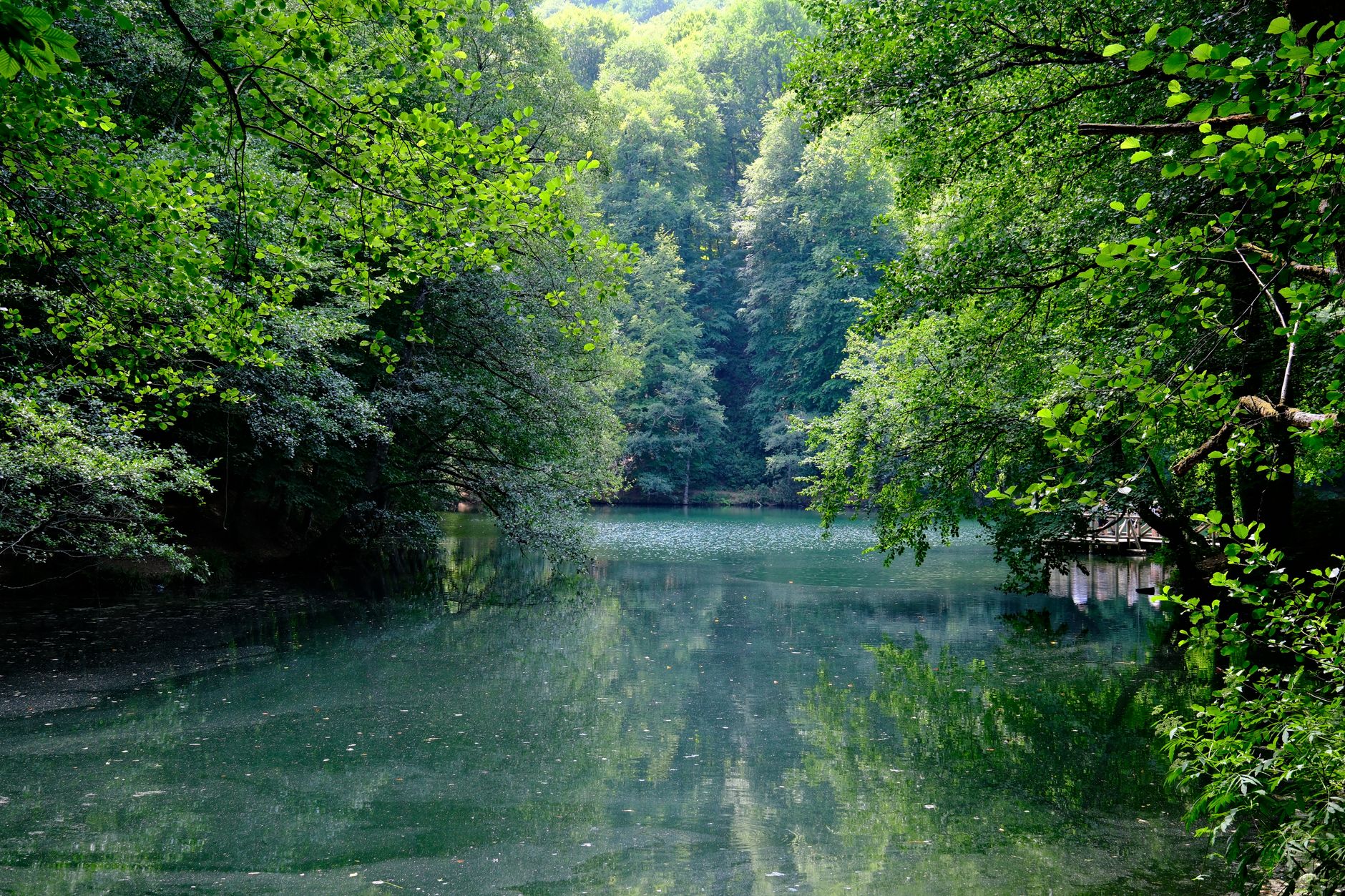
When to Go: Timing Your Ladybug Adventure
Ladybug swarms in Türkiye are highly seasonal, peaking from late April through early July. The exact timing varies by region and altitude. In coastal areas like the Aegean and Mediterranean, swarms begin in late April and continue through May. In inland regions such as Central Anatolia, the peak shifts to May and June. Higher elevations in the Black Sea Mountains and Eastern Anatolia may see swarms as late as early July.
Weather plays a crucial role. A mild, wet spring followed by a sudden warm spell often triggers mass emergences. If you are planning a trip specifically for ladybugs, aim for mid-May to mid-June, when the likelihood is highest across multiple regions. Keep an eye on local nature forums and agricultural extension reports; they often announce swarm sightings.
It is also worth noting that ladybugs are active during the warmest part of the day, typically from mid-morning to late afternoon. Early morning and evening are cooler, and the beetles may be less active. For photography, the golden hours around sunrise and sunset can produce stunning backlit shots of swarming ladybugs.
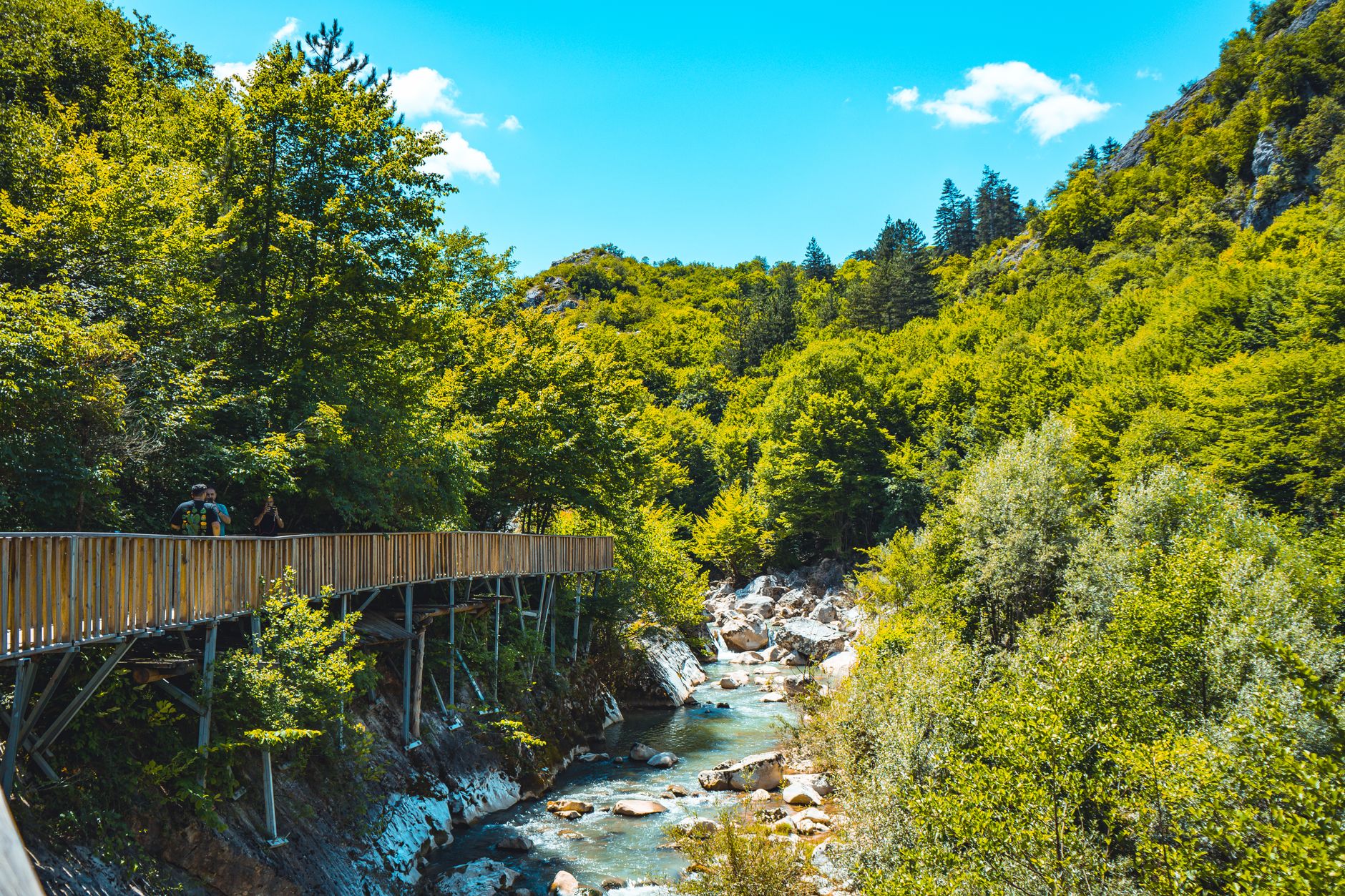
Where to See Ladybug Swarms in Türkiye
Türkiye is vast, and ladybug swarms have been reported in many provinces. However, some locations are more reliable and accessible than others. Here are our top picks for a family-friendly, responsible ladybug experience:
- Kazdağı National Park (Mount Ida), Balıkesir: This lush mountain range near the Aegean coast is a biodiversity hotspot. Its pine forests and meadows host large ladybug populations. Combine your visit with hiking to the legendary spring of Adatepe or exploring quaint villages like Yeşilyurt.
- Yedigöller National Park, Bolu: Known for its seven glacial lakes, this park in the Western Black Sea region is a paradise for nature lovers. Ladybug swarms often appear in the meadows around the lakes in late spring. The park also offers camping, picnicking, and easy trails for children.
- Munzur Valley National Park, Tunceli: For a more off-the-beaten-path adventure, head to Eastern Anatolia. The Munzur Valley is home to rich flora and fauna, and its high meadows can host ladybug aggregations in June. It is a remote but rewarding destination for intrepid travelers.
- Ilgaz Mountains, Kastamonu: These mountains in the Black Sea region are a popular weekend getaway. In spring, the slopes come alive with wildflowers and ladybugs. The Ilgaz National Park offers ski resorts in winter and hiking in summer, making it a year-round destination.
- Lake Bafa and the Meander Delta, Aydın/Muğla: The wetlands and surrounding hills of Lake Bafa are another hotspot. The area is rich in birdlife and insect diversity. You can combine ladybug watching with a boat trip on the lake or a visit to the ancient ruins of Herakleia.
Remember that ladybug swarms are unpredictable. Even in known hotspots, the exact timing and location can vary from year to year. The thrill of discovery is part of the adventure. Always respect private property and protected areas; stick to trails and avoid disturbing the insects.

Responsible Viewing: How to Enjoy Ladybugs Without Harming Them
Ladybugs are delicate creatures. While they are not endangered, mass gatherings are sensitive to disturbance. Here are some guidelines for responsible viewing:
- Observe, don't collect: It may be tempting to catch a few ladybugs as souvenirs, but please resist. They are wild animals, and removing them from their habitat can disrupt local populations.
- Keep a respectful distance: You don't need to be in the middle of a swarm to appreciate it. Standing a few meters away allows you to watch their behavior without stressing them.
- Avoid chemical sprays: Never use insect repellent or sunscreen near swarms. The chemicals can harm ladybugs and other pollinators. Apply any products before you arrive, and let them dry.
- Teach children gently: If you are traveling with kids, use the opportunity to teach them about respect for nature. Show them how to let ladybugs crawl on their hands and then gently place them back on a leaf.
- Do not trample vegetation: Ladybugs rest on plants. Walking off-trail can crush them and their habitat. Stay on designated paths.
By following these simple rules, you ensure that future generations can also witness this magical phenomenon.
Combining Ladybug Watching with Other Outdoor Activities
Türkiye is an outdoor lover's dream, and ladybug season coincides with some of the best weather for hiking, cycling, and water sports. Here are some ideas to turn your ladybug trip into a full-blown nature adventure:
Hiking and Nature Walks
Most ladybug hotspots are located in national parks with well-marked trails. In Kazdağı, you can hike to the summit for panoramic views of the Aegean. In Yedigöller, easy loop trails wind around the lakes, perfect for families with young children. The Ilgaz Mountains offer more challenging routes for experienced hikers.
Birdwatching and Wildlife
The same habitats that attract ladybugs are often rich in birdlife. Lake Bafa is a prime spot for spotting flamingos, herons, and egrets. The Munzur Valley is home to rarely seen mammals like the Anatolian leopard (though sightings are extremely rare). Bring binoculars and a field guide.
Camping and Picnicking
Many national parks have designated camping areas. Spending a night under the stars, with the gentle hum of insects around you, is an unforgettable experience. Just remember to store food securely to avoid attracting animals.
Cultural Immersion
Combine your nature trip with visits to nearby villages and ancient sites. The region around Lake Bafa is dotted with ruins from the Carian and Roman periods. In Kastamonu, you can explore historic Ottoman mansions and enjoy local cuisine.
Photography and Citizen Science
Ladybug swarms are a photographer's dream. Use a macro lens to capture individual beetles, or a wide-angle lens to show the scale of the swarm. If you're interested in citizen science, apps like iNaturalist allow you to record your sightings, contributing to scientific research.
Practical Tips for Your Ladybug Trip
What to wear: Light, long-sleeved clothing in neutral colors will protect you from sun and scratches. Avoid bright floral prints that might attract bees. Comfortable hiking shoes are a must.
What to bring: A hat, sunglasses, sunscreen (applied before you enter the swarm area), insect repellent (for ticks, but use sparingly and away from ladybugs), plenty of water, snacks, and a camera. A small hand lens or magnifying glass can reveal the intricate details of ladybugs.
Best time of day: Mid-morning to late afternoon, when ladybugs are most active. For photography, early morning or late afternoon light is best.
Family-friendly considerations: Choose locations with easy trails and facilities. Yedigöller and Kazdağı are ideal for families. Keep an eye on children, as some areas may have steep drop-offs or water hazards.
Accommodation: Book eco-lodges or guesthouses in nearby villages. They often provide guided tours and local knowledge about the best spots.
Respect local communities: Many swarms occur on agricultural land. Always ask permission before entering private fields. Support local farmers by buying their produce.
Conclusion: A Tiny Wonder That Leaves a Big Impression
Türkiye's ladybug swarms are a testament to the country's extraordinary natural wealth. They remind us that magic is not confined to fairy tales—it can be found in the gentle flutter of a million tiny wings. Whether you are a family looking for a unique spring break, a photographer chasing the perfect shot, or a nature enthusiast eager to witness one of the planet's quietest spectacles, Türkiye delivers.
Plan your trip for late spring or early summer, choose a responsible tour operator or national park, and prepare to be amazed. As you stand amid a swirling cloud of red and black, you'll understand why the Turks call these creatures uğur böceği—the luck bug. And indeed, witnessing such a phenomenon is a stroke of luck you'll carry with you forever.
Thinking about a trip to Turkey?
Share your contact details and a vetted local expert will follow up with a plan built around you — free, no obligation.