
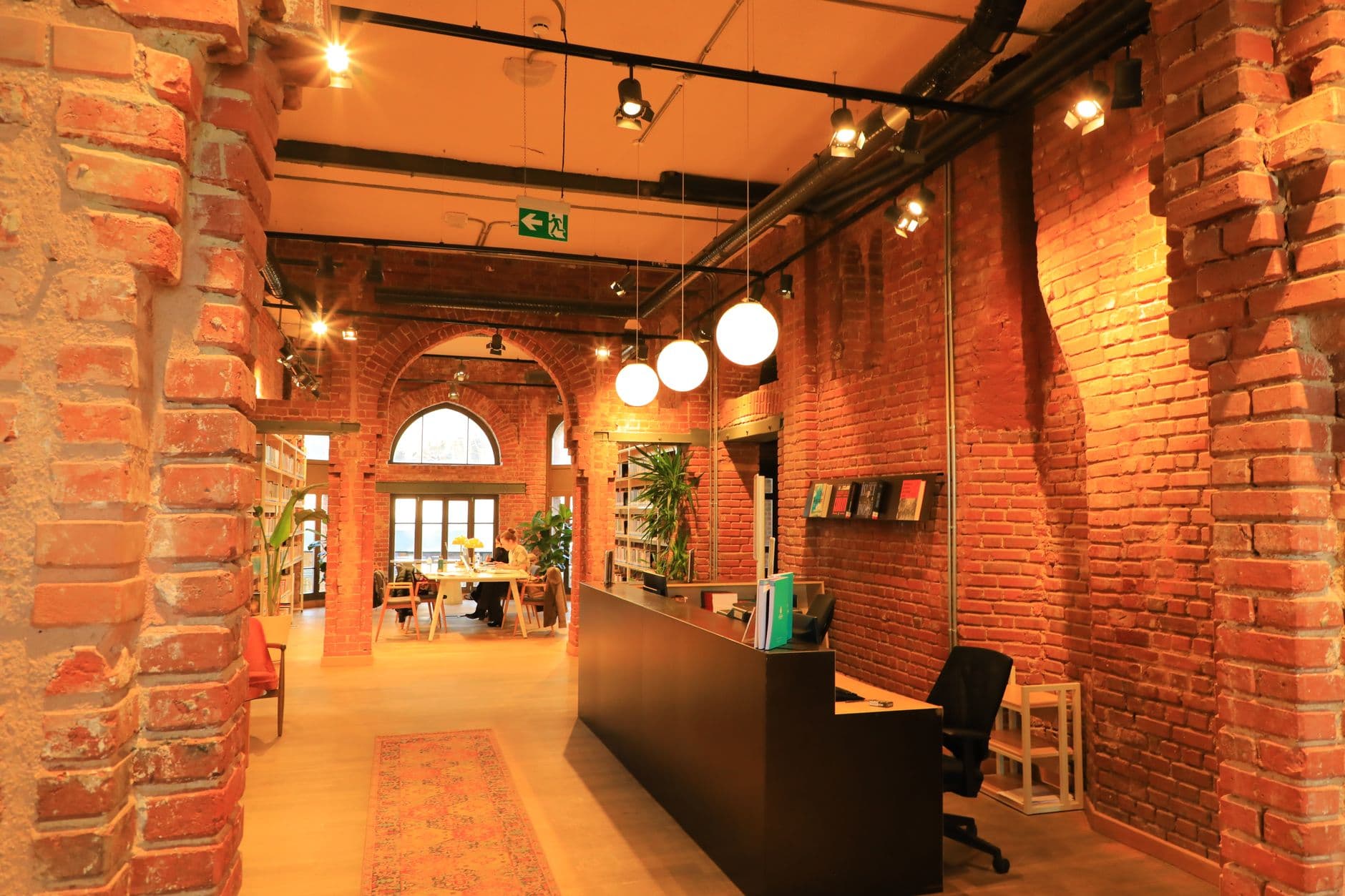
Why Tu00fcrkiye Is a Hidden Paradise for Bookish Travelers
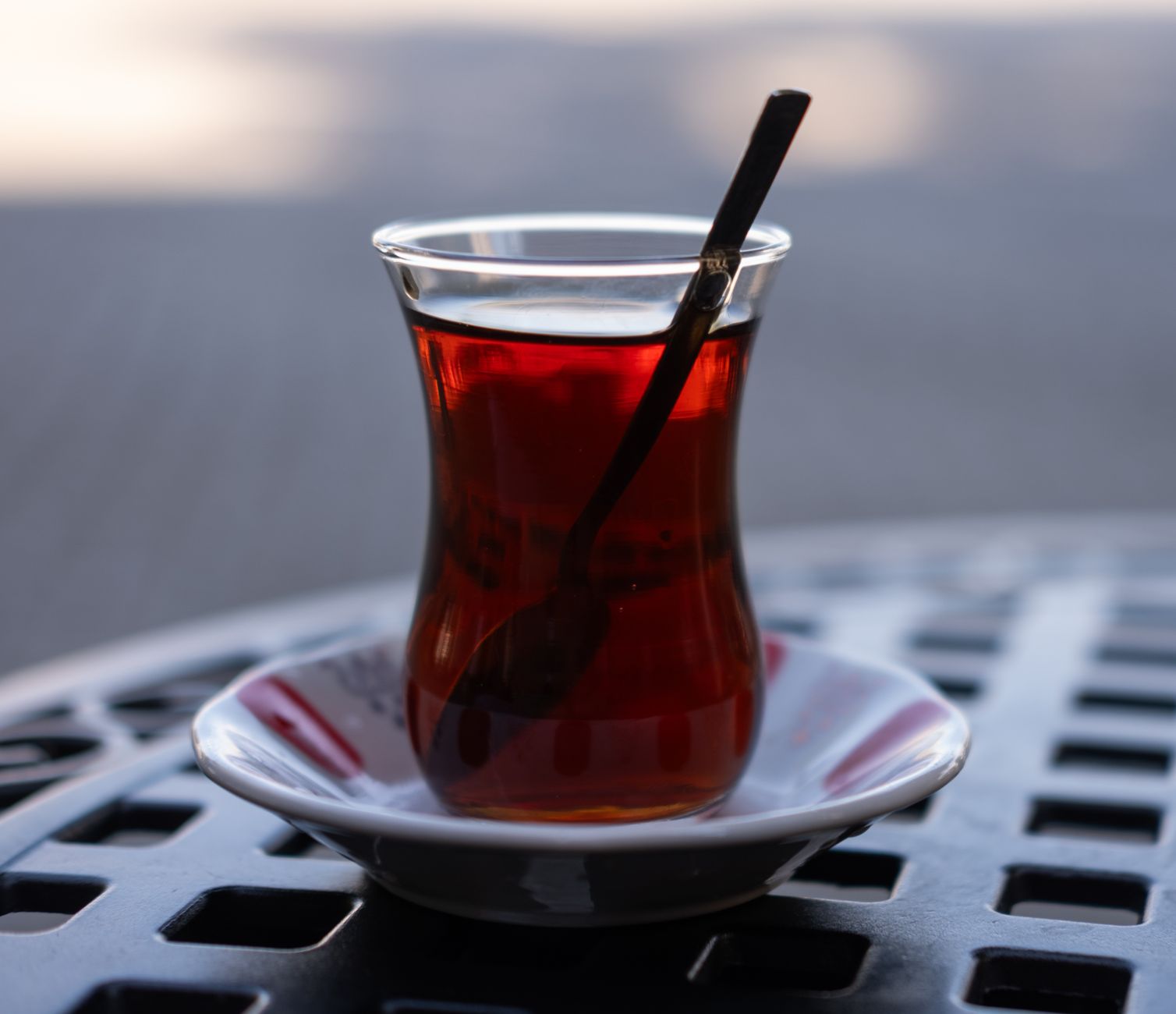
Ask most travelers what draws them to Tu00fcrkiye and you'll hear about the Bosphorus, Cappadocia's balloons, or the travertines of Pamukkale. But there is a quieter thread running through Turkish daily life: a deep, almost instinctive respect for reading, learning, and the spaces where both happen. Libraries are treated as civic treasures, not dusty afterthoughts, and cu00e7ay (tea) flows freely in rooms dedicated to study.
For travelers who like to work from a laptop, keep a journal open, or simply read for hours, this is very good news. Turkish cities are dotted with options that sit somewhere between a library, a student study hall, and a cafe: calm, well-lit places with solid Wi-Fi, kind staff, and a steady rhythm of refilled glasses. They are not built for tourists, which is precisely what makes them special.
Whether you are planning a slow month in Istanbul or a hop between Izmir and Antalya, understanding these spaces will change the shape of your trip. You can map a whole itinerary around them, mixing productive mornings with afternoons of exploring. Our destinations guide pairs perfectly with a work-friendly approach to travel.
What Exactly Is a Ku00fcthu00fcphane Cafe, and Why Should You Care?
The modern Turkish reading cafe is a hybrid. The word ku00fcthu00fcphane means library, but a ku00fcthu00fcphane cafe is closer to a dedicated study house with a coffee counter: shelves of books you can borrow or browse, long communal tables, individual desks with outlets, and a zero-tolerance policy for loud phone calls. Many require a small membership or pay attention to purchases, but the atmosphere is the real draw.
Expect silence or very low murmur. Expect students preparing for national exams sitting beside backpackers and career-changing professionals. Expect a staff member to quietly slide a cup of water or tea toward you without being asked. The whole culture is built on the idea that focused time is worth protecting, and guests are trusted to honor that.
Traditional public libraries, university libraries open to visitors, and beautifully restored Ottoman-era libraries add another layer. Some, like Istanbul's ornate historic libraries, are worth visiting even if you only read a single page. Between the historic and the modern, Tu00fcrkiye offers a remarkable range of settings for deep work.
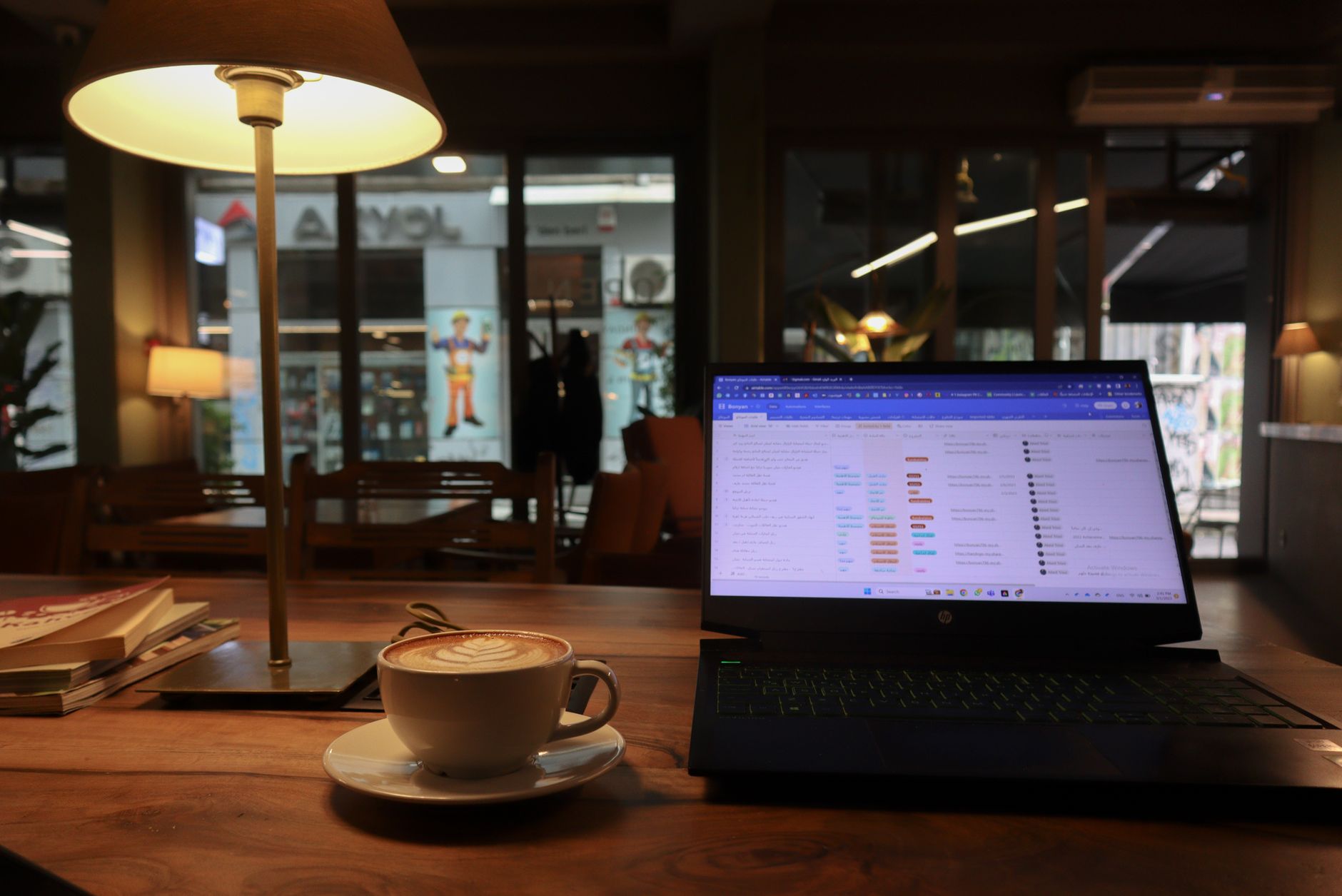
Istanbul: Reading Rooms for Every Mood
Istanbul is where the scene is densest. In the European-side neighborhoods around Beyou011flu, Ku0131zıltoprak, and along the Asian side's Kadıkou00f6y, you'll find study houses that feel like calm oases a few steps from the city's organized chaos. Several are open late, making them ideal if you are adjusting to a time zone or working with clients back home.
Beyond the study-house chain, the city's public libraries are increasingly modern. Purpose-built library buildings with reading gardens, maker spaces, and dedicated quiet floors have opened across the city in recent years, and tourists are generally welcome. Bring your passport, be prepared to register briefly at the security desk, and you can often work for hours. Check opening hours before you go, especially in the quieter months, which is one reason our best-time guide is worth a look before you set dates.
My advice: treat a library as your morning base and a neighborhood cafe as your afternoon office. Istanbul rewards that rhythm. You will find yourself more productive than in any co-working space, and you'll leave with a better sense of the city than the average visitor.
A Short List of Istanbul Moods
- Historic and grand: restored library buildings in the old city, ideal for a slow morning and a single long read.
- Modern and studious: neighborhood study-house cafes with sockets, fast Wi-Fi, and serious silence.
- Boutique and cozy: independent book cafes with shelves to browse and friendly owners.
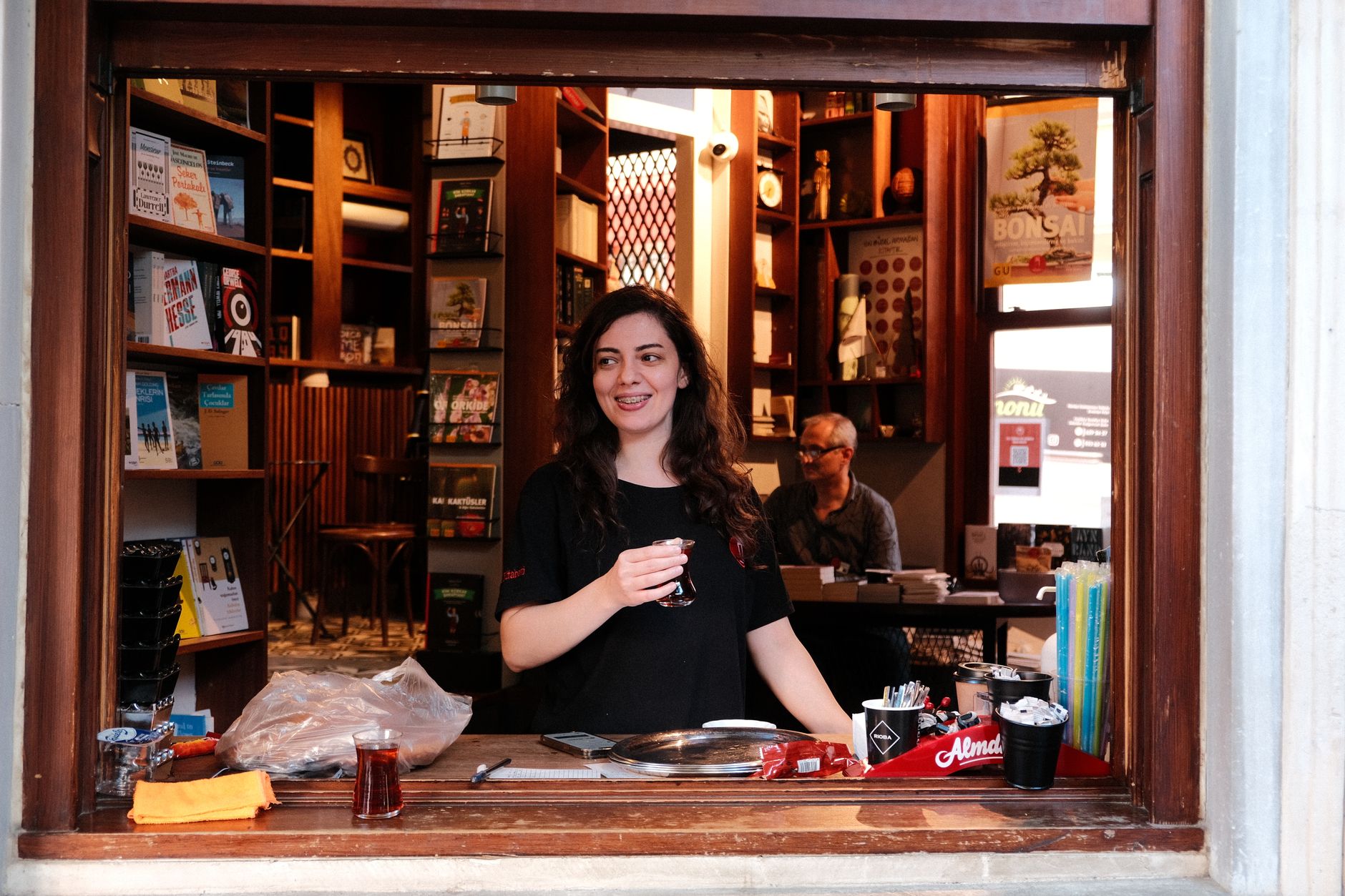
Beyond Istanbul: Izmir, Ankara, Bursa, and Anatolian Study Houses
Izmir's central libraries and book cafes have a relaxed, seaside energy, and the city's student population keeps the reading rooms lively in term time. Ankara, a capital of civil servants and university students, maintains a strong library culture, with large modern facilities and quiet study houses tucked into almost every district. Bursa pairs its literary corners with silk-market charm.
Anatolian cities are where the concept surprises travelers most. In Konya, Kayseri, Eskiu015fehir, and Gaziantep, municipal libraries and study houses are often brand new, generously funded, and impressively comfortable. They are not tourist attractions, so a visitor who arrives respectfully earns warm, curious hospitality. Many have small cafes inside where tea and sandwiches cost very little.
If you are building a longer road trip, weave two or three these cities into your route and plan rest days around library mornings. Our itineraries can help you structure the trip so productive time and sightseeing time don't collide.
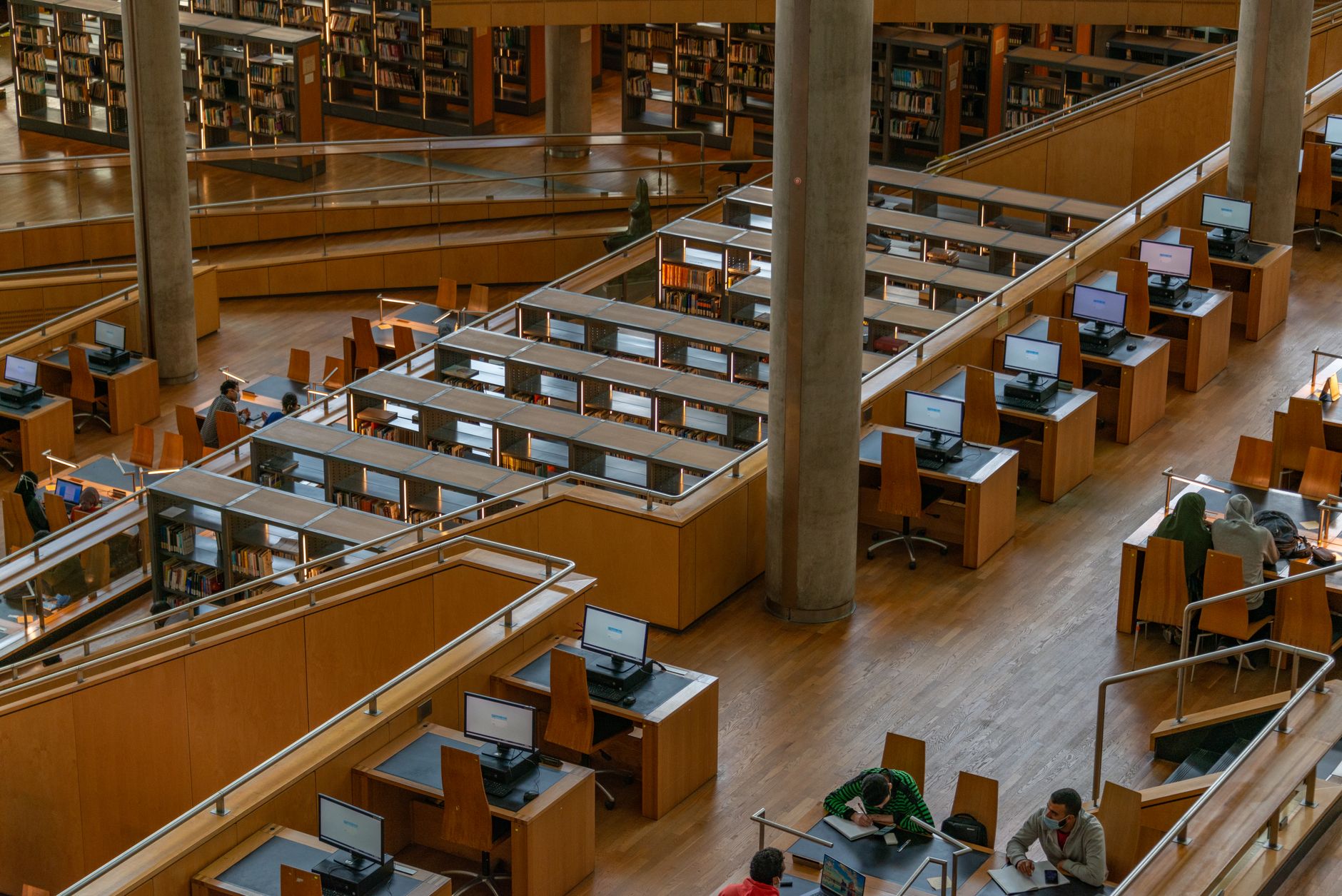
Wi-Fi, Power, and Practical Remote-Work Tips
Turkish libraries generally offer free, reliable Wi-Fi and, increasingly, desks with power outlets. Connections are solid enough for video calls, but calls themselves are not always welcome in quiet zones. The polite solution is to take calls in a cafe or a library's lobby, then return to your desk. If your work depends on meetings, check whether the venue has a designated call area before settling in.
What to pack: a Turkish SIM or eSIM as a backup, an extension lead (sockets can be awkwardly placed), a small adaptor for European-style plugs, and comfortable headphones. A lightweight scarf is useful in cooler months, and some reading rooms ask that you leave large backpacks at the entrance, so bring a small daypack too.
Membership rules vary. Some study houses require a small fee or a card you top up; public libraries are usually free but may require a short registration. Carry your passport. If you plan to work across several weeks, read our travel tools page for connectivity and planning resources before you depart.
For overall trip planning, the trip planner is a good starting point, and our FAQ covers common questions about long stays.
The Etiquette That Makes You Welcome
The golden rule in Turkish reading rooms is simple: match the room. If it's silent, be silent. Put your phone on vibrate, keep conversations whisper-short, and take calls outside. Don't spread your belongings across an empty chair during busy exam periods, and don't eat at the desks unless the venue clearly allows it. A small purchase from the cafe is a graceful way to thank a study house for the desk space.
Dress modestly, especially in smaller cities and in facilities attached to mosques or conservative institutions. Greet staff with a cheerful "merhaba" and a "teu015fekku00fcrler" when you leave; these small courtesies go a long way. Arrive early in exam season, when seats fill by mid-morning, and always ask before photographing people or interiors.
Respect also means understanding local holidays: libraries keep shorter hours around religious and national holidays. Plan accordingly. If you travel during winter, our guides explain what to expect in the quiet season.
In Tu00fcrkiye, a library card can feel like a passport to the quieter, kinder side of a city.
Bookish Cafes and Browsing Culture
Outside the formal library world, Tu00fcrkiye's indie book cafes have a devoted following. In Istanbul's Cihangir and Kadıkou00f6y, and in Izmir's Alsancak, you'll find shops where shelves line the walls, a barista pulls espresso, and mismatched armchairs invite a long afternoon. Some host readings and discussion evenings in Turkish and English; asking about events is a lovely way to meet locals.
In smaller cities, secondhand bookshops, known locally as sahaf streets, often have a corner where regulars sit and talk over tea. These are ideal spaces for browsing, and if you find a title you love, buying it is the best possible thank-you. Combine these visits with coffee breaks, and you'll discover that Turkish hospitality extends naturally to the person reading quietly in the corner.
Turkish warmth shows most clearly in these places: a refill before you ask, an owner who finds you a better seat, a stranger who recommends a book. Modern amenities are everywhere, from fast fiber internet to thermostat-controlled reading rooms, but the generosity is the part travelers remember.
Where to Stay, and How to Do It Well
Base yourself near a library you like and let it shape your trip. In Istanbul, neighborhoods like Beyou011flu and Kadıkou00f6y offer study houses within walking distance as well as plenty of cafes for calls. In Izmir, the central districts keep you close to both the library and the waterfront. Reserve accommodation with a desk and reliable internet; even the best reading rooms close at night, and a good room is the foundation of a productive stay.
Aim for a balance: three or four hours of focused work in the morning, a long lunch, then an afternoon of exploring. This rhythm suits Turkish city life, where mornings are calm and evenings are social. If you want an expert's help shaping this kind of working journey, our local experts can point you to the right neighborhoods, and our pricing page explains how customized planning works.
Finally, silence is not wasted time. In a country so full of movement and beauty, a quiet reading room can be the most memorable stop of all. You'll leave Tu00fcrkiye with a book half-read, a new favorite cafe, and an affection for a culture that treats reading as a form of welcome.
Thinking about a trip to Turkey?
Share your contact details and a vetted local expert will follow up with a plan built around you — free, no obligation.