

Why Türkiye's Village Festivals Are the Heart of Travel
There is a moment that happens at every Turkish village festival: a stranger presses a glass of tea into your hand, a child tugs you toward the circle of dancers, and someone insists you try just one more stuffed grape leaf. Türkiye's local celebrations—oil wrestling tournaments, camel fairs, and multi-day village weddings—are not performances staged for tourists. They are living traditions, passed down through generations, and visitors are welcomed as honored guests.
From the Aegean plains to the Taurus Mountains, these festivals pulse with generosity, music, food, and an unforgettable warmth that no luxury resort can replicate. If you're willing to travel a little slower and say yes to the unexpected, you'll discover the Türkiye that Turks themselves cherish.
Oil Wrestling: The Ancient Sport of Kırkpınar and Beyond
Each summer, in the grassy arena of Sarayiçi near Edirne, thousands gather for Kırkpınar, the world's oldest continuously running sports festival, dating back over 660 years. Wrestlers known as pehlivan coat themselves in olive oil and grapple under the sun while drummers and zurna players drive the crowd into a frenzy. The winner earns the title başpehlivan—chief wrestler—and a year of local legend status.
Beyond Edirne, smaller tournaments dot the country: the Elmalı Oil Wrestling Festival in Antalya province each September, and village competitions in Balıkesir, Manisa, and Çanakkale. These are intimate affairs where grandmothers sell gözleme from smoking griddles and children imitate wrestling moves in the dust.
Etiquette tip: Cheer for everyone. Applause is generous and non-partisan, and nobody expects you to understand every rule. If a pehlivan approaches the crowd, a respectful nod and a smile go a long way. Photography is generally fine, but avoid flash during the final bouts—it distracts the wrestlers. Always ask before photographing individuals, especially older community members.
"Oil wrestling is not just sport," says a Kırkpınar regular. "It is our history, our hospitality, and our pride all in one field."
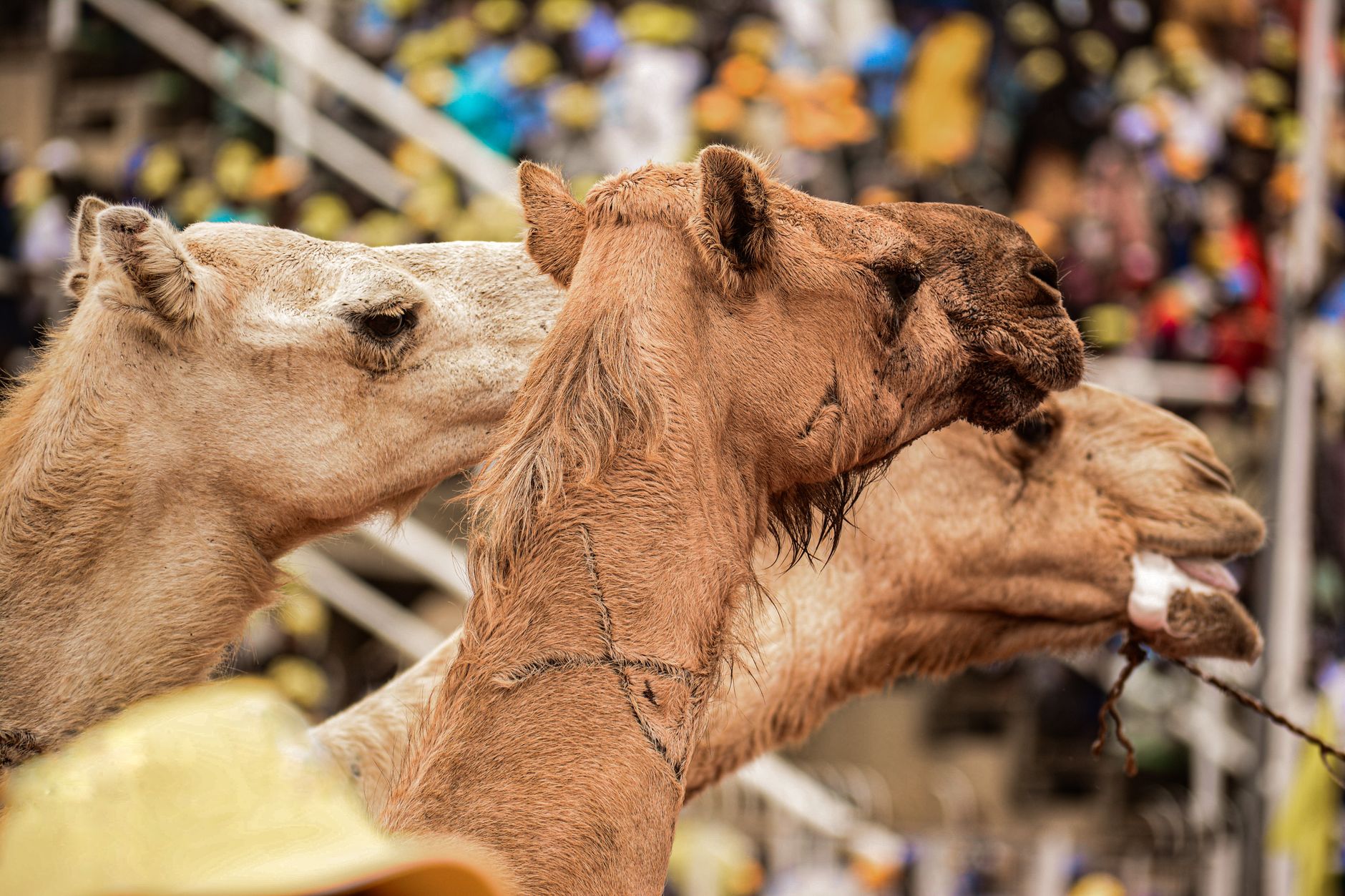
Camel Fairs: The Colorful Caravans of the Aegean and South
In the colder months, when the harvest is done, camel fairs erupt across western and southern Türkiye. The most famous is the Selçuk Camel Wrestling Festival in İzmir province, usually held in January, where decorated camels—adorned with tassels and bells—parade before a crowd of thousands. It's a joyful, noisy affair: folk dancers, street food stalls, and the thunderous davul drums create a carnival atmosphere.
Camel wrestling (deve güreşi) is a centuries-old tradition among Yörük nomads. The contest is more of a pushing match than a fight, and camels are rarely injured. The real spectacle is the pageantry: vendors selling deve sucuğu (camel sausage), families picnicking on blankets, and musicians playing improvised türkü (folk songs). Other notable fairs include Buldan in Denizli, Çine in Aydın, and Bodrum.
How to find them: Dates follow the lunar calendar and local harvest schedules, so they shift yearly. Contact the local kaymakamlık (district governor's office) or the Provincial Directorate of Culture and Tourism in İzmir, Aydın, or Muğla. Small guesthouses often know weeks in advance.
Etiquette & photography: Dress warmly—these fairs happen in winter. Ask permission before photographing camel owners; many proudly pose, but some consider it intrusive during preparation. Never step into the wrestling area. A polite "Fotoğraf çekebilir miyim?" (May I take a photo?) works wonders.
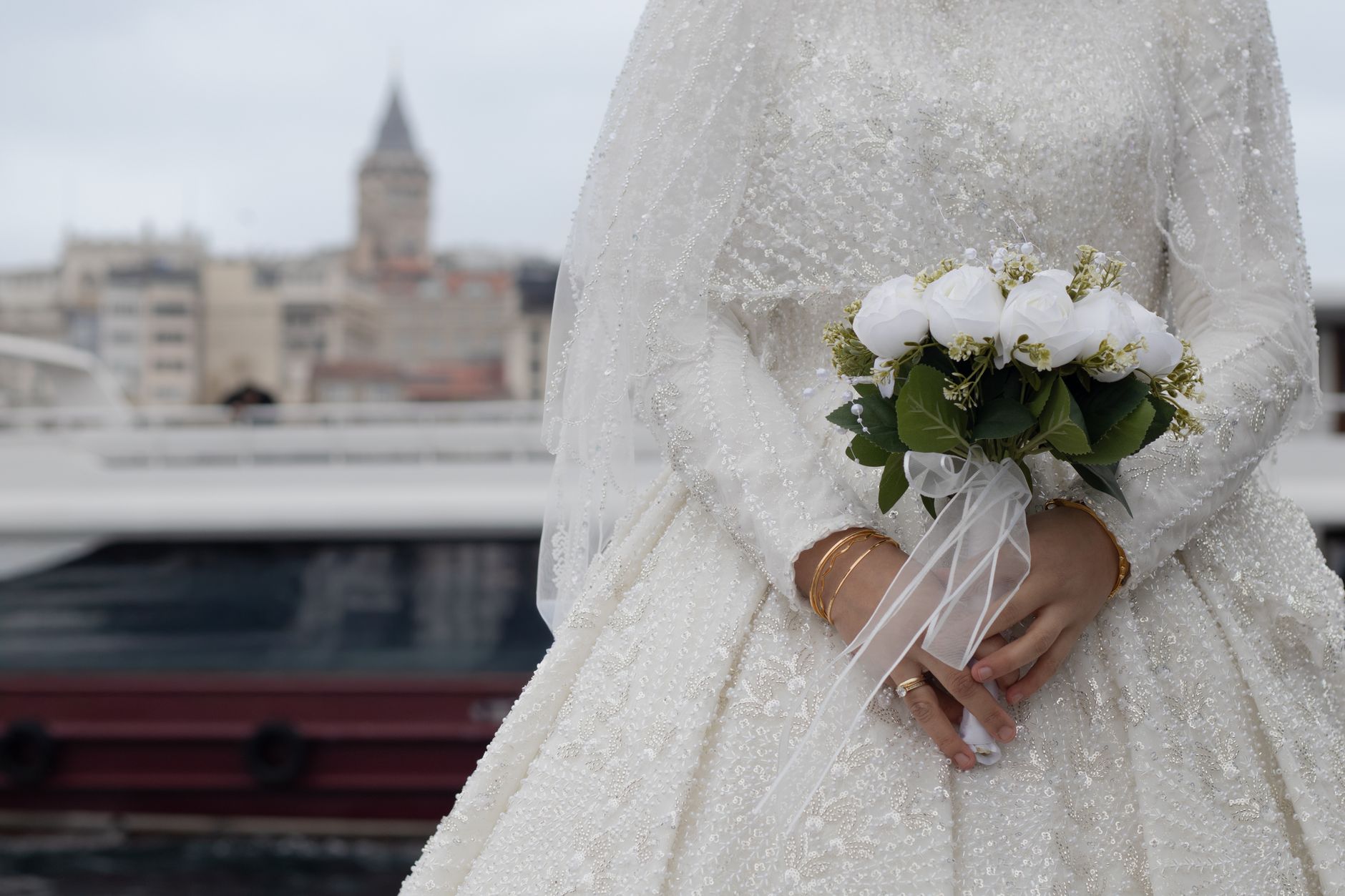
Village Weddings: Three Days of Music, Food, and Open Doors
A Turkish village wedding is less an event and more a communal embrace. In rural Anatolia, weddings last two to three days, with separate kına gecesi (henna night) for the bride and raucous düğün celebrations for everyone. The entire village contributes: neighbors cook, cousins play bağlama and darbuka, and children run between tables piled with kebap, pilav, and baklava.
If you're invited—and you might be, simply by staying at a village guesthouse—accept. Bring a small gift: sweets, tea, or flowers for the bride. It's customary to congratulate the couple's families with a handshake and a warm "Mutluluklar" (Happiness). Men and women often celebrate in separate spaces, though outsiders are gently guided to the appropriate area.
Food highlights: Expect keşkek (a ceremonial wheat and meat dish), ayran by the jug, and endless tea. If you're vegetarian, say "Et yemiyorum" (I don't eat meat) and you'll be showered with vegetable mezes and salads.
Photography permissions: Never photograph the bride without her family's consent, and avoid capturing women who may prefer not to be in photos. Ask the muhtar (village headman) or a family elder for guidance. A discreet, respectful approach ensures you're remembered fondly.
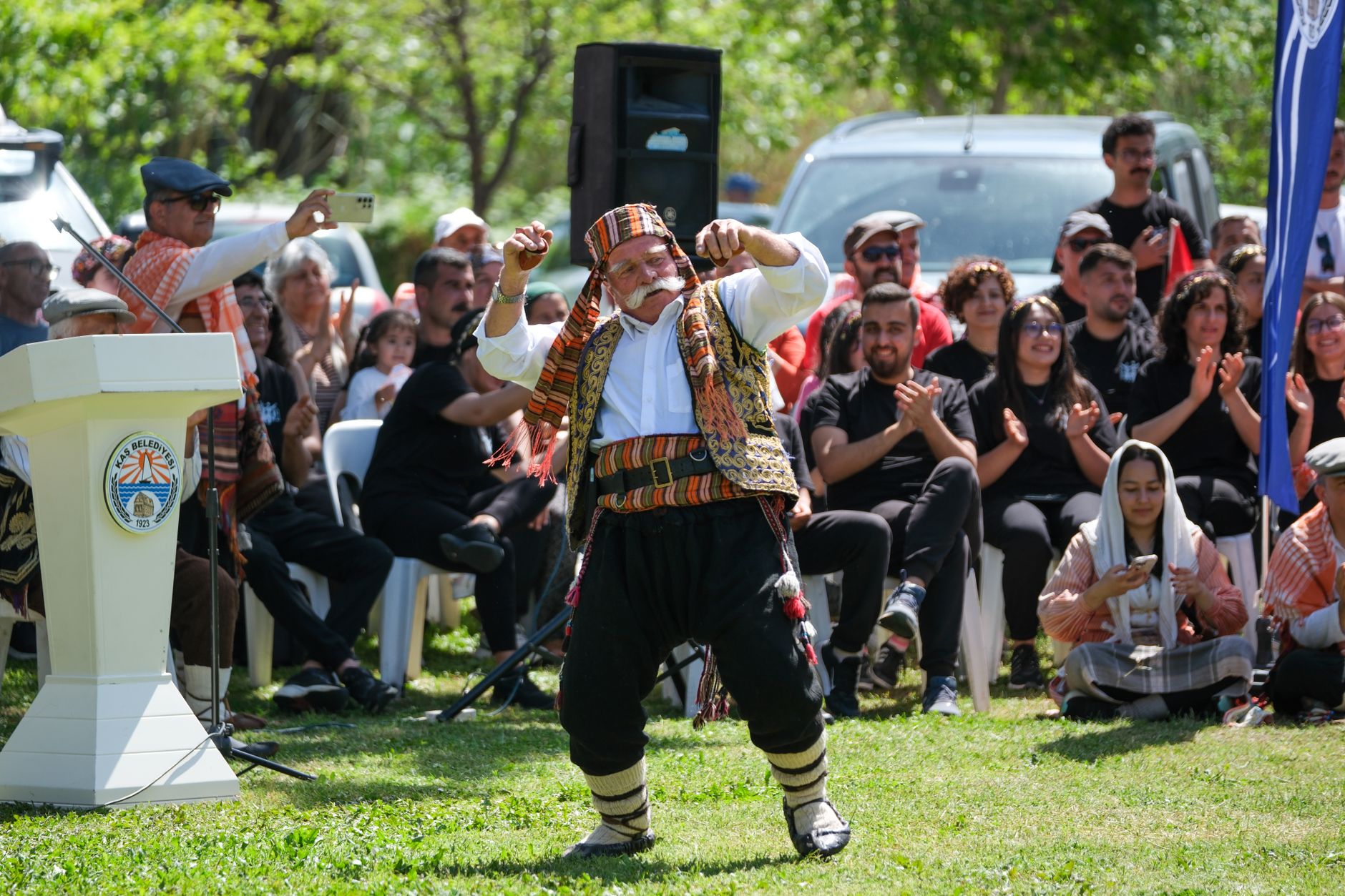
Festival Calendar: When and Where to Go
- Kırkpınar Oil Wrestling (Edirne) – Late June or early July. Book accommodation months ahead.
- Elmalı Oil Wrestling (Antalya) – September. Smaller, authentic, and stunning mountain setting.
- Selçuk Camel Wrestling Festival (İzmir) – January. Combine with Ephesus visit.
- Buldan Camel Fair (Denizli) – December or January. Rustic and less crowded.
- Village Weddings – Typically spring through autumn, especially after harvest (August–October). Ask locally.
Always confirm dates through local tourism offices (Turizm Danışma Bürosu) or municipality websites—they change yearly based on weather and religious calendars. A phone call to a village muhtar can yield the most reliable information.
Practical Etiquette: How to Be an Honored Guest
Dress modestly—covered shoulders and knees, especially in rural areas and at religious events. Accept tea and food even if you're full; a small sip honors the host. Learn a few words in Turkish: merhaba (hello), teşekkürler (thanks), çok lezzetli (very delicious).
Photography: Always ask. A smile and a gesture toward your camera works. Respect "no" and never push. Some festivals have official photographers; support them by buying prints.
Generosity is reciprocal: If you're given a gift—a scarf, a handful of walnuts, a bottle of olive oil—accept it graciously. You can offer small tokens from your home country, but don't feel obligated. The joy is in the giving, not the exchange.
"A guest is a gift from God," goes a Turkish saying. At local festivals, that belief is lived out loud.
Finding Events Through Local Tourism Offices
Tourism offices in provincial capitals (İzmir, Antalya, Edirne, Denizli) maintain festival calendars. Visit in person or call ahead—staff are often delighted to help visitors find authentic experiences. Ask specifically for yerel festivaller (local festivals) and köy düğünleri (village weddings).
Guesthouse owners, muhtars, and even taxi drivers are excellent sources. In smaller towns, the kahvehane (coffeehouse) is the unofficial information hub—buy a tea, sit down, and ask. Turks love to share their culture with curious travelers.
Finally, consider timing your trip around these events rather than squeezing them in. Stay an extra day. Dance badly. Eat too much. The warmth of rural Turkish hospitality will stay with you long after the drums fall silent.
Thinking about a trip to Turkey?
Share your contact details and a vetted local expert will follow up with a plan built around you — free, no obligation.