

Autumn Arrives at the Pazar
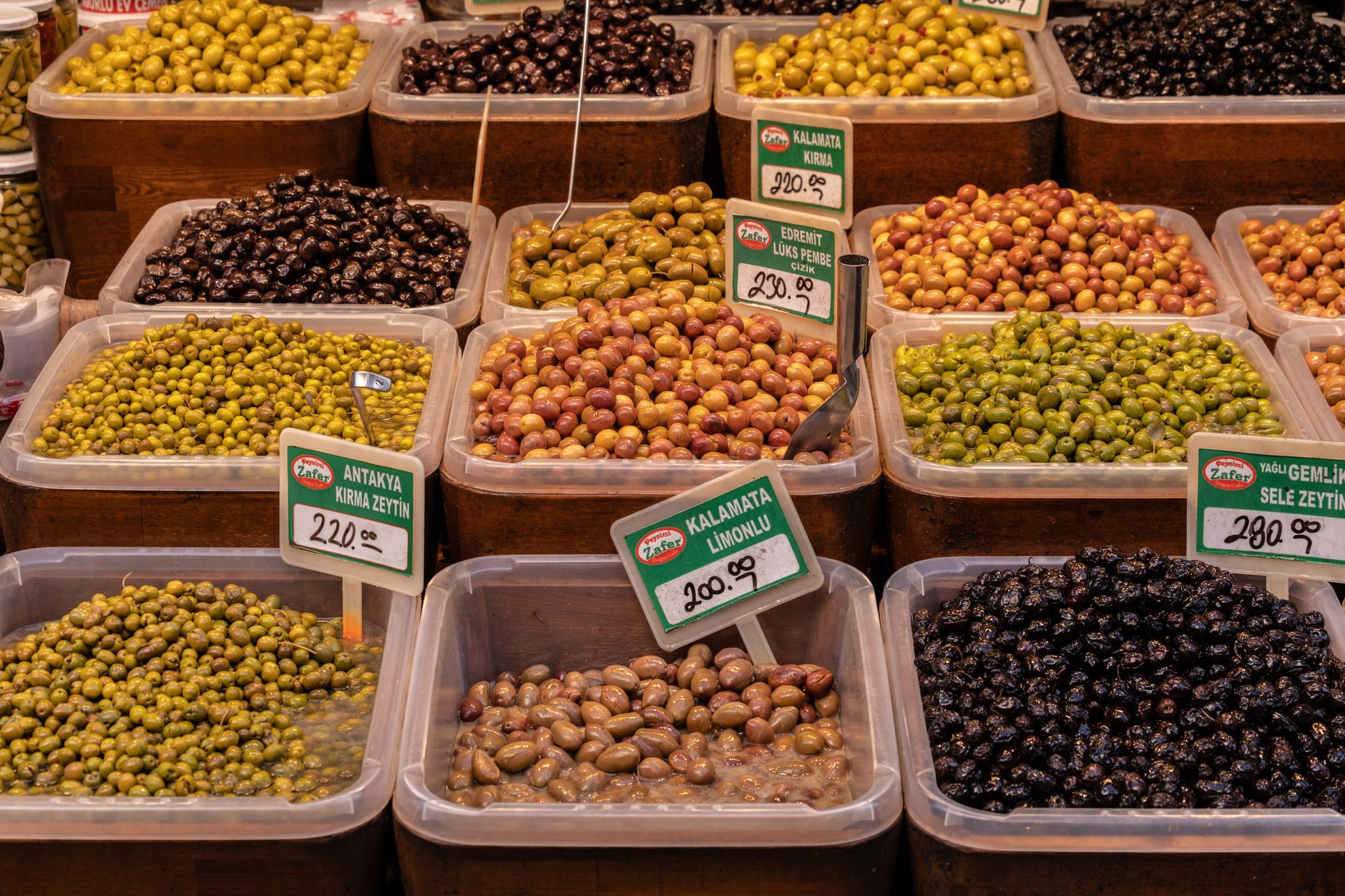
Walk into almost any neighborhood pazar in Türkiye in mid-October and the season announces itself before you see a single stall. The air smells of roasting chestnuts, crushed mint, damp soil and sweet quince. Vendors stack pyramids of purple figs next to buckets of green and black olives, and somewhere near the entrance a man is cracking walnuts with a small hammer, handing out samples to anyone who slows down.
Autumn is arguably the richest season in Türkiye's weekly markets. Summer's tomatoes and peppers are still around, but they now share space with chestnuts from the Black Sea, pomegranates from the south, quince, persimmons, fresh hazelnuts and the first cold-pressed olive oils of the year.
For travelers, the pazar is not a shopping stop — it is one of the most generous, everyday cultural experiences the country offers. You do not need a guide, a reservation or a special occasion. You need a small amount of cash, an appetite and about ninety minutes.
What Is in Season Right Now
By mid-October, the harvest calendar is generous almost everywhere. Along the Aegean and Mediterranean coasts, olive groves are being picked for early oil, and market stalls sell both table olives and cloudy, peppery erken hasat (early harvest) oil by the liter. Figs — green beyaz and dark purple mor varieties — are at their sweetest, often sold in shallow wooden crates rather than plastic.
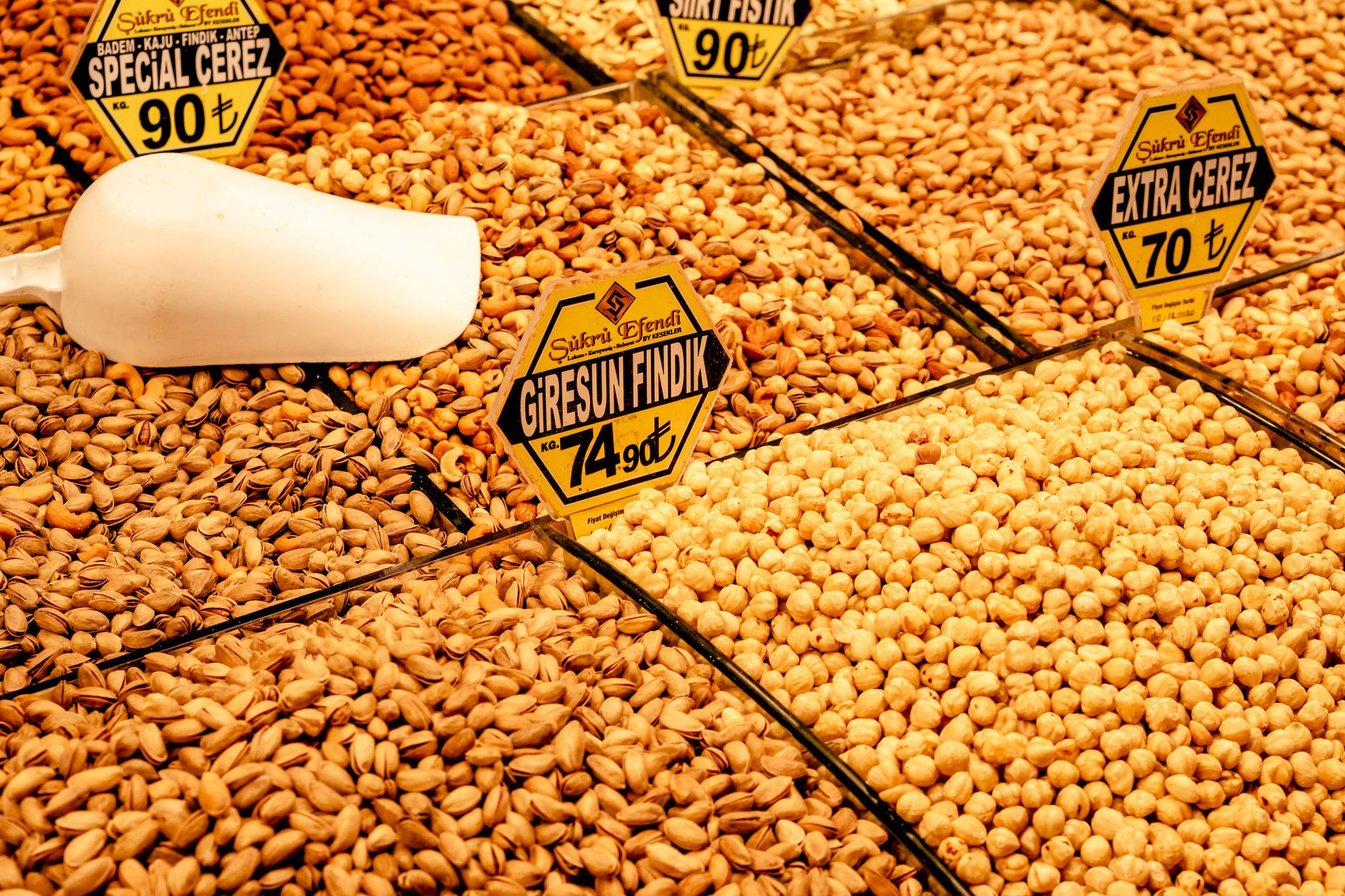
Inland and in the east, the emphasis shifts. Walnuts and hazelnuts appear shelled and unshelled, sold by the kilo from burlap sacks. Chestnuts arrive from Bursa and the Black Sea coast, priced by size and best bought roasted from a cart rather than raw. Quince — too hard to eat raw but extraordinary when baked with sugar — piles up in yellow mounds, and sellers will often tell you exactly how their grandmother cooks it.
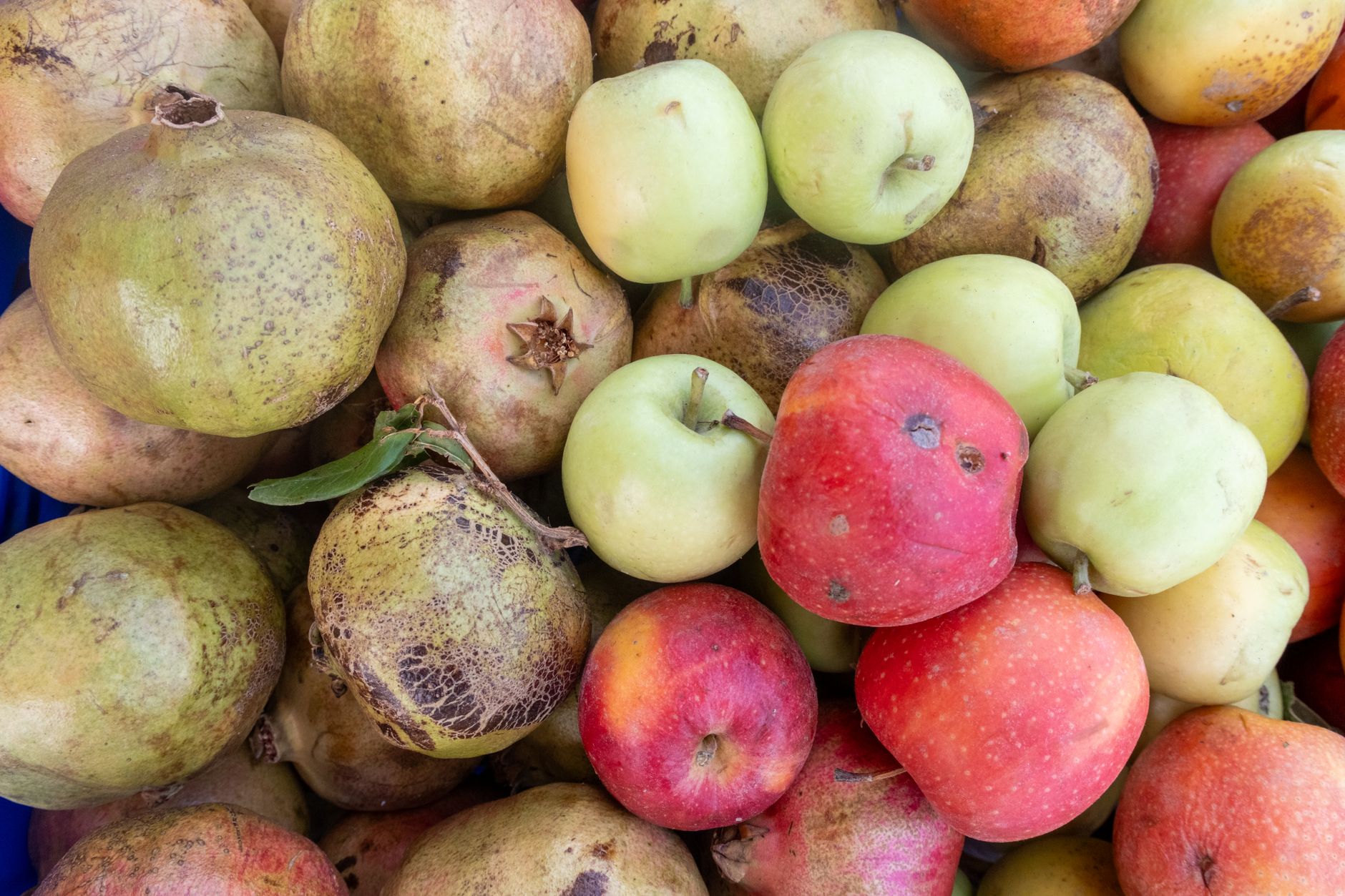
Look also for pomegranates, persimmons, late grapes, fresh ayva (quince), dried mulberries, pumpkin seeds, and the first mandarins. If you are planning a longer trip around harvest season, our guide to the best time to visit Türkiye explains how the seasons change from region to region.
Why the Pazar Feels Different
The Turkish weekly market is a social institution as much as a commercial one. Regulars have their favorite stalls and greet the seller by name. Vendors call out prices, offer a fig or a handful of grapes, and frequently refuse payment for a single taste. This is not a sales trick — it is ordinary hospitality, and it happens whether you are a local or a visitor with a phrasebook.
You will notice the rhythm: mornings are for serious shopping and rapid-fire bargaining, while late afternoon is calmer and prices soften as sellers try to clear perishable stock. The market is also a fantastic place to eavesdrop on daily life — recipes, weather complaints, advice about which stall has the best olives this week.
If you want to go deeper into Turkish food culture beyond the market, our travel guides cover regional kitchens, breakfast culture and the dishes worth planning a day around.
Practical Tips: Cash, Timing and Bargaining
Bring cash. Most pazar stalls still work primarily in Turkish lira, and while some larger sellers accept cards, many do not. Small notes and coins make everything faster, especially for small purchases like a bag of nuts or a few figs. ATMs are common near larger markets, but do not count on one at the stall.
Go early, but not too early. Between 8:00 and 10:00 you get the best selection and the liveliest atmosphere. Arrive after 16:00 and you may find discounts as vendors pack up — but the best produce is often gone. Saturday is the classic market day in most cities, though larger towns hold markets on different days throughout the week.
Bargain lightly and warmly. Bargaining is normal, especially when buying by the kilo or taking several items from one stall. Ask the price, smile, and offer slightly less — a friendly "Son ne olur?" (What is your final price?) works well. Do not haggle aggressively over a small bunch of parsley; the point is the exchange, not the discount.
Other useful habits: bring your own cloth bag, taste before you buy when offered, and ask "Bu nasıl yenir?" (How is this eaten?) — vendors love to explain. Our travel tools page has more practical checklists for packing and budgeting.
Taste as You Go: A Simple Market Route
A good pazar visit follows the same loose order every time. Start with olives — ask for a mixed selection of green, black and oil-cured varieties, and try the early-harvest oil if it is available. Move to nuts and dried fruit next, since these keep well and make excellent souvenirs. Then fruit: figs, quince, pomegranates, persimmons.
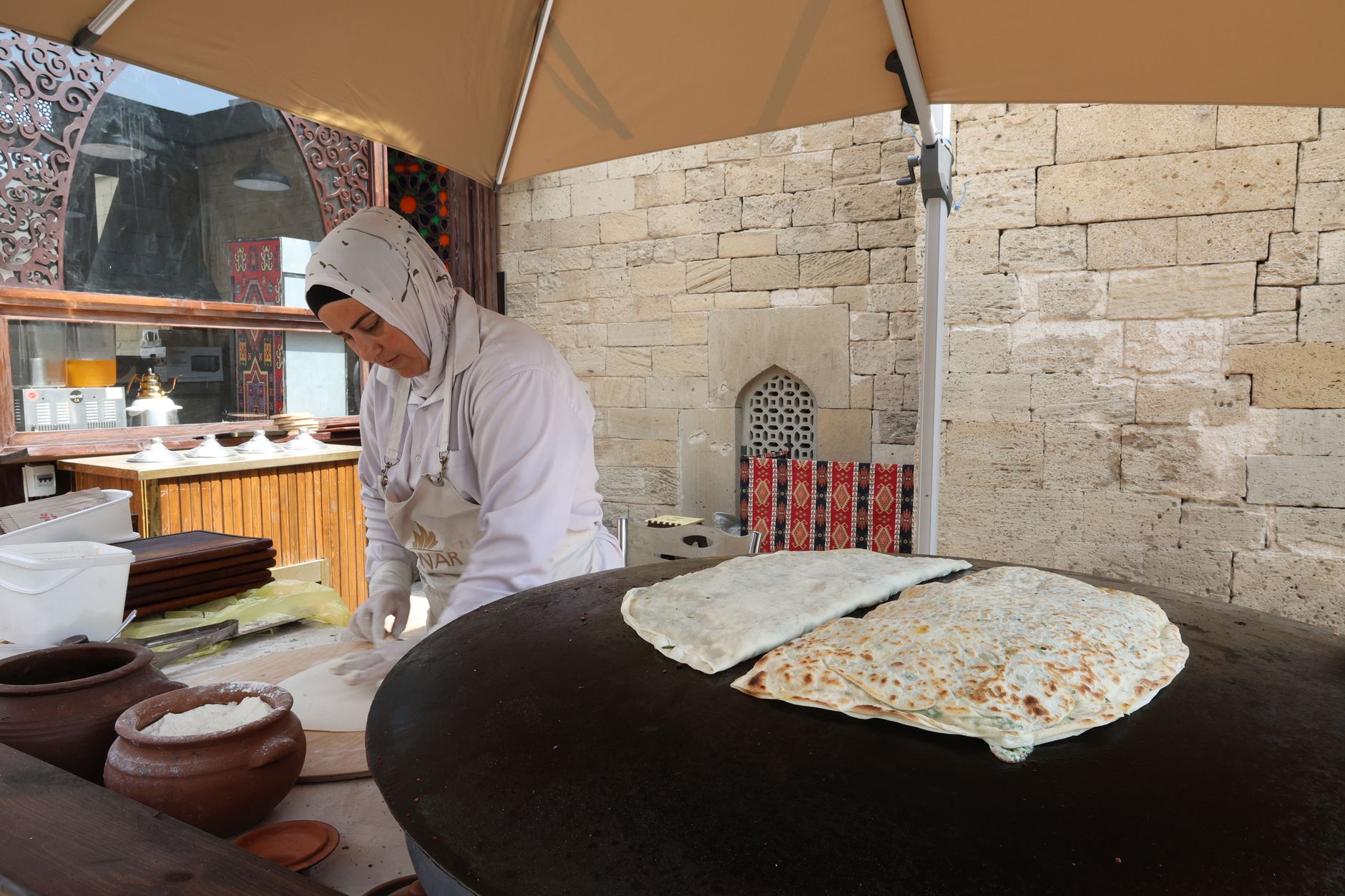
By this point you will probably be hungry. Look for a gözleme stand, a simit cart, or a corner selling kokoreç or grilled corn. Many markets have a small tea stall where vendors and shoppers take a break; a glass of çay costs very little and buys you a few minutes of people-watching.
Finish with something you cannot identify. Ask what it is, how it is prepared, and whether it is sweet or savory. That single question has started more pleasant conversations than any guidebook tip.
Turning a Market Morning Into a Trip
Markets pair naturally with the rest of a Turkish itinerary. In Istanbul, the Kadıköy and Beşiktaş markets are easy to combine with a ferry ride and a walk along the Bosphorus. In İzmir, the Kemeraltı bazaar blends market stalls with historic streets. In Gaziantep and Şanlıurfa, autumn markets overlap with some of the country's most celebrated kitchens.
If you are building a route around food, harvest and local life, start with our sample itineraries and then adjust the pace — markets reward slow mornings, not rushed schedules. You can also browse our destination pages to see which regions are at their best in October and November.
The best souvenir from a Turkish autumn market is rarely the thing you buy. It is the fig you were handed for free, the vendor who corrected your pronunciation, and the feeling that for one morning you were not a visitor at all — just someone doing the weekly shopping.
Thinking about a trip to Turkey?
Share your contact details and a vetted local expert will follow up with a plan built around you — free, no obligation.