

Türkiye's Health Tourism Sector Keeps Growing
Türkiye has become a leading destination for medical and health tourism, welcoming hundreds of thousands of international patients each year. According to the Ministry of Health and industry associations, the sector has grown steadily over the past decade and shows no sign of slowing in 2026.
International visitors come for a range of treatments, from cosmetic and dental procedures to advanced cardiac care, orthopedics, and oncology. The country's combination of modern medical infrastructure, competitive pricing, and short travel times from Europe, the Middle East, and Central Asia makes it an attractive option.
The growth is supported by government incentives, including tax advantages for health tourism investments and simplified visa procedures for patients and companions. As a result, private hospitals in Istanbul, Ankara, Izmir, and Antalya have expanded their international patient departments.
Accredited Hospitals and Skilled Specialists
A key factor behind Türkiye's reputation is the number of hospitals holding international accreditations. More than 30 Turkish hospitals have earned Joint Commission International (JCI) accreditation, and many others hold TEMOS or ISO certifications. These credentials indicate adherence to global standards for patient safety, infection control, and clinical outcomes.
Turkish medical schools and residency programs produce highly trained specialists, and many doctors have completed fellowships or training abroad. English-speaking staff are common in international patient units, and interpreters for Arabic, Russian, German, and French are often available.
Hospitals in major cities offer advanced technology such as robotic surgery, PET-CT imaging, and proton therapy. Patients can request detailed treatment plans and cost estimates before traveling, which helps them make informed decisions.
Why Antalya and Istanbul Are Popular Recovery Bases
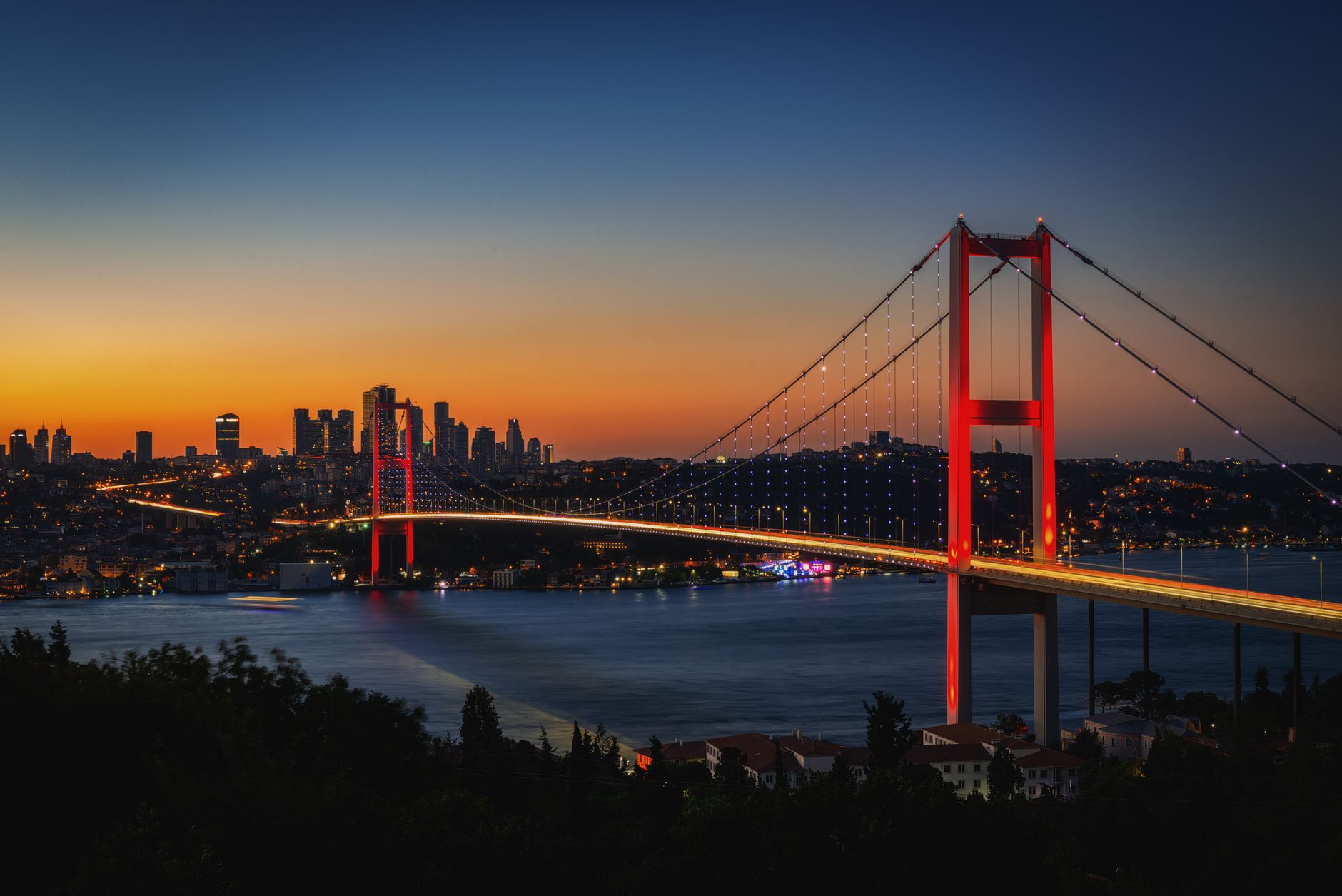
Istanbul offers world-class hospitals alongside a rich cultural scene. After treatment, patients can recover in quiet hotels near the Bosphorus or in leafy districts like Nişantaşı and Kadıköy. The city's parks, museums, and mild climate provide gentle distractions during recuperation.
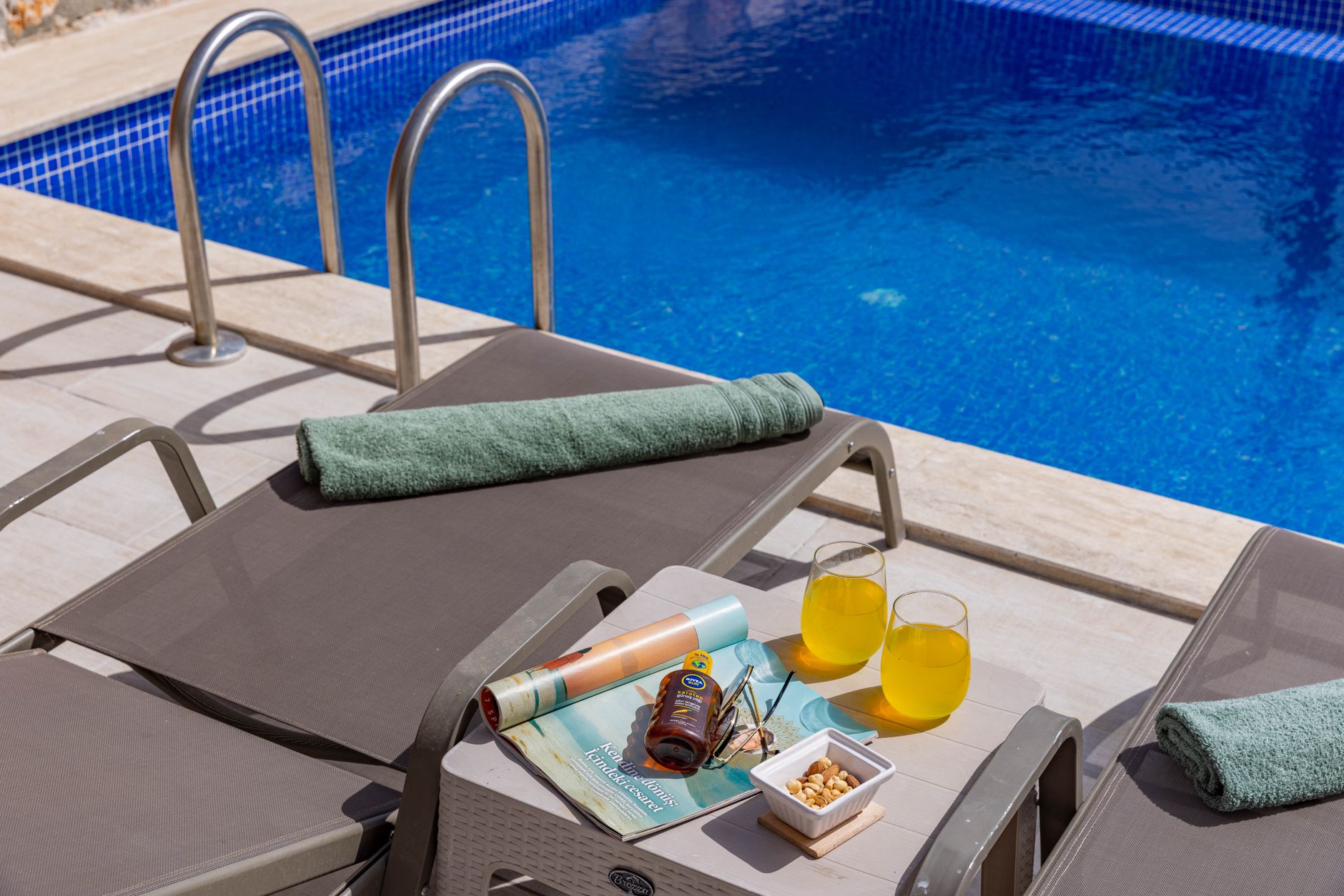
Antalya, on the Mediterranean coast, is particularly favored for recovery stays. Its resorts in Lara, Belek, and Kemer offer accessible rooms, spa facilities, and medical support on call. The sea air and warm weather can make post-treatment rest more pleasant, though patients should follow their doctor's advice on sun exposure and activity.
Both cities have international airports with direct flights from many capitals, making follow-up visits or companion travel easier.
Practical Tips for Combining Treatment with a Holiday
- Plan buffer days: Schedule at least two or three days after your procedure before any sightseeing, and confirm with your doctor when it is safe to travel home.
- Choose the right accommodation: Look for hotels that offer wheelchair access, in-room dining, and proximity to your hospital. Some resorts have partnerships with clinics.
- Check insurance and documentation: Bring your medical records, prescriptions, and a letter from your doctor. Verify whether your travel insurance covers medical care abroad.
- Arrange follow-up: Ask your Turkish provider for a written care plan and contact details for your home doctor. Telemedicine follow-ups are increasingly common.
- Budget for extras: While treatment packages often include transfers and interpreters, companions' costs and extended stays may not be covered.
What to Expect from the Patient Experience
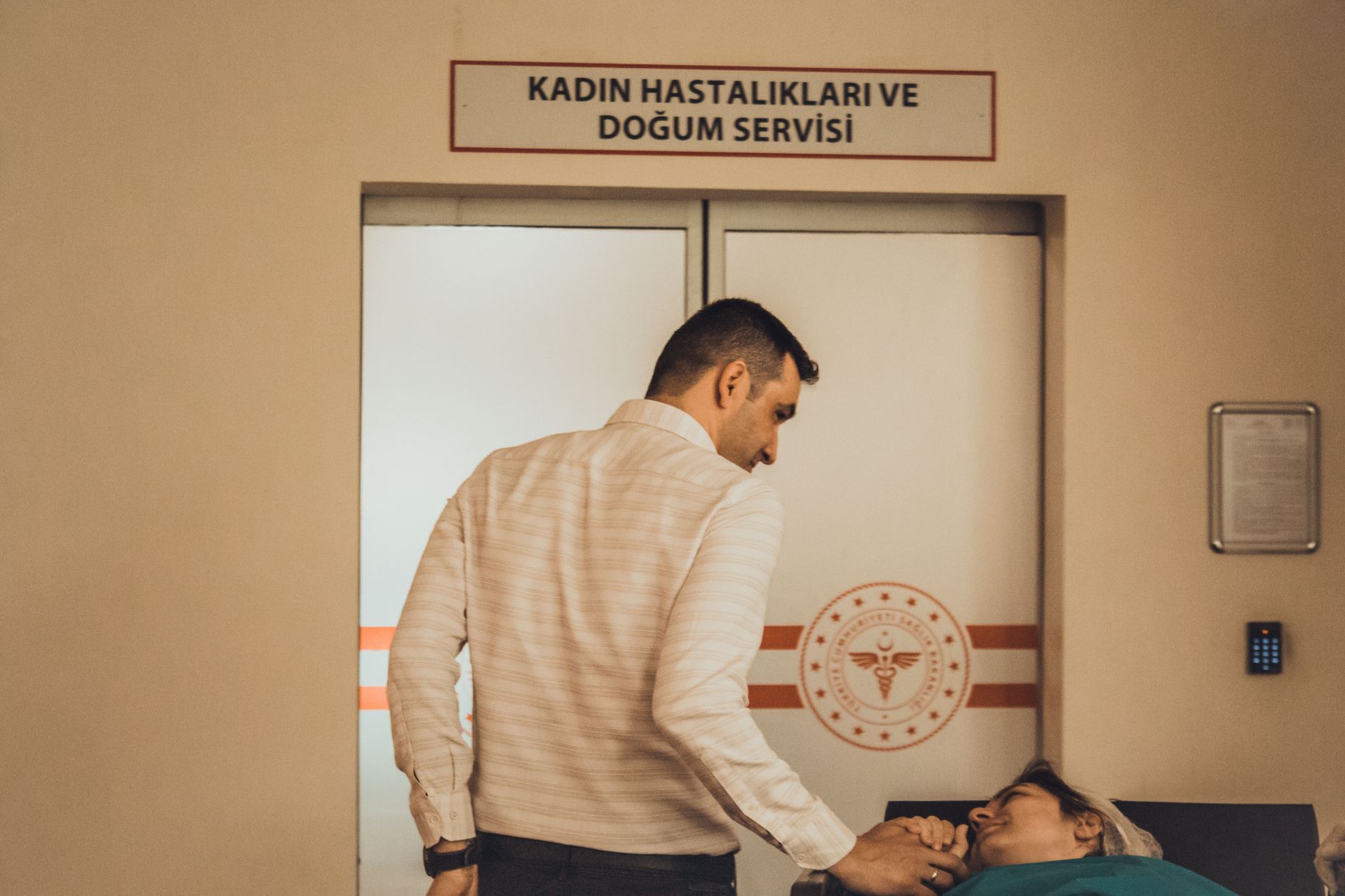
Many international patients report that Turkish hospitals feel more like hotels than clinical institutions. Private rooms often include en-suite bathrooms, Wi-Fi, and meal choices. Staff are generally attentive, and the culture of hospitality extends to medical care.
However, as with any medical travel, outcomes vary by procedure and individual health. It is important to research your specific condition, compare multiple providers, and ask about complication rates and aftercare. Reputable hospitals will provide transparent information and not pressure you into unnecessary treatments.
Patient support groups and online forums can offer firsthand accounts, but always verify credentials through official sources like the Turkish Ministry of Health's health tourism portal.
Responsible Travel and Future Outlook
Türkiye's health tourism strategy aims to attract 1.5 million health travelers annually by 2028, according to government targets. Investments in new hospitals, digital health records, and training programs are ongoing.
For travelers, this means more choices and higher competition on quality. It also means a growing need for informed decision-making. Combine your treatment with a recuperative stay that respects your body's needs, and enjoy Türkiye's warm hospitality without overexerting yourself.
Whether you choose Istanbul's vibrant energy or Antalya's calm shores, the country offers a supportive environment for healing and recovery. As always, consult your physician before planning any medical trip abroad.
Thinking about a trip to Turkey?
Share your contact details and a vetted local expert will follow up with a plan built around you — free, no obligation.