
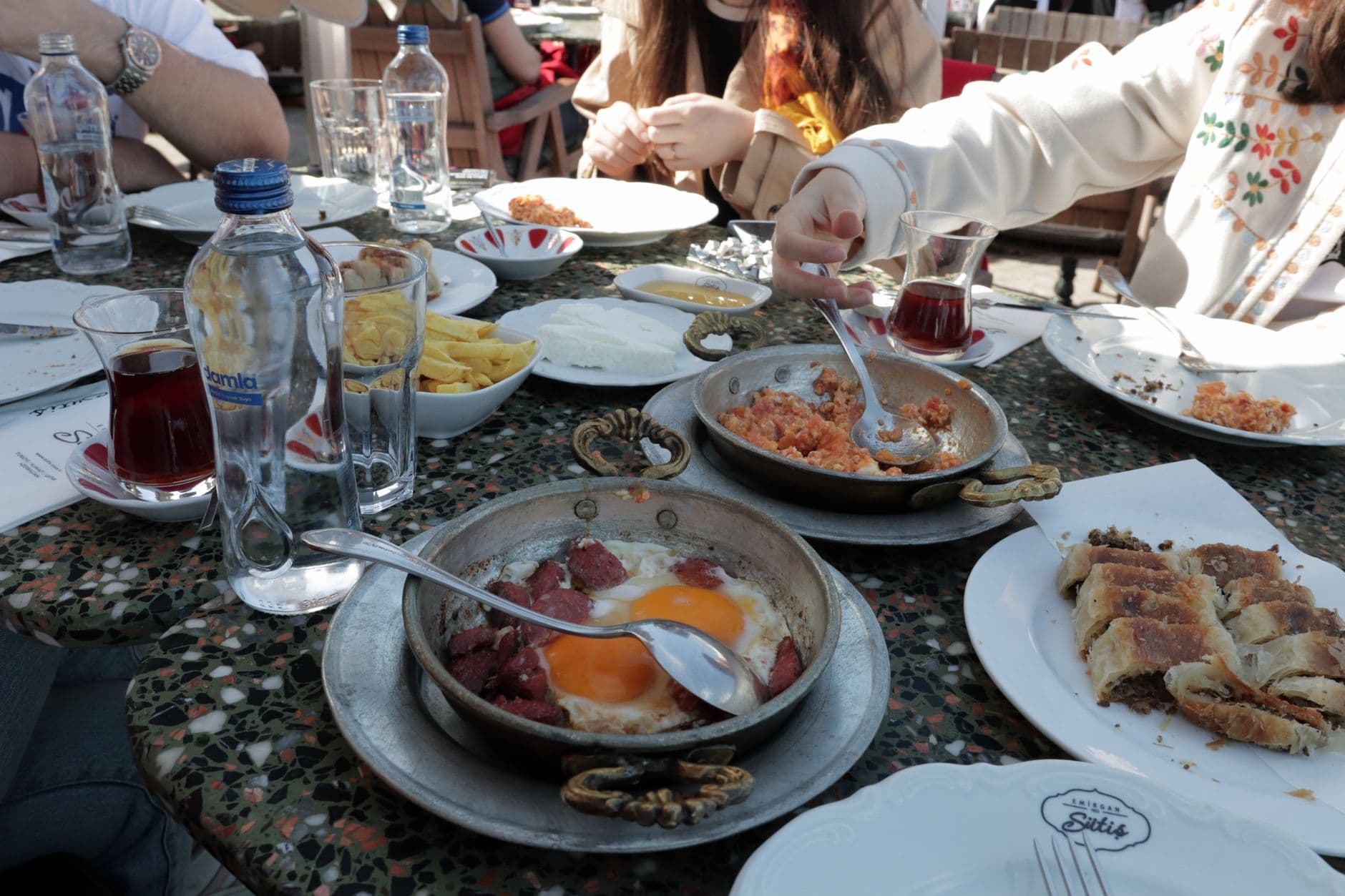
A Gastronomic Map That Keeps Growing
The Michelin Guide's Türkiye selection has expanded steadily since the country first appeared in the guide, and each new edition adds restaurants across Istanbul, Izmir and the wider Aegean and Anatolian regions. The headline for travellers is simple: the gap between Türkiye's celebrated dining rooms and its everyday food culture is narrowing, and the guide now reflects a cuisine that has always been wider than one city.
Rather than chase specific star counts, which shift with every edition, it is worth thinking about what the guide's expansion signals. A restaurant earning recognition in Gaziantep or Izmir tells you that regional kitchens, family recipes and long-standing local institutions are being taken seriously by international inspectors. That is a delicious reason to build a trip around eating rather than sightseeing alone.
For planners, the practical upshot is that a food-focused itinerary no longer means a single-city stop. You can move between polished tasting menus and smoky grill houses within the same week, often within the same neighbourhood.
Where to Book in Istanbul
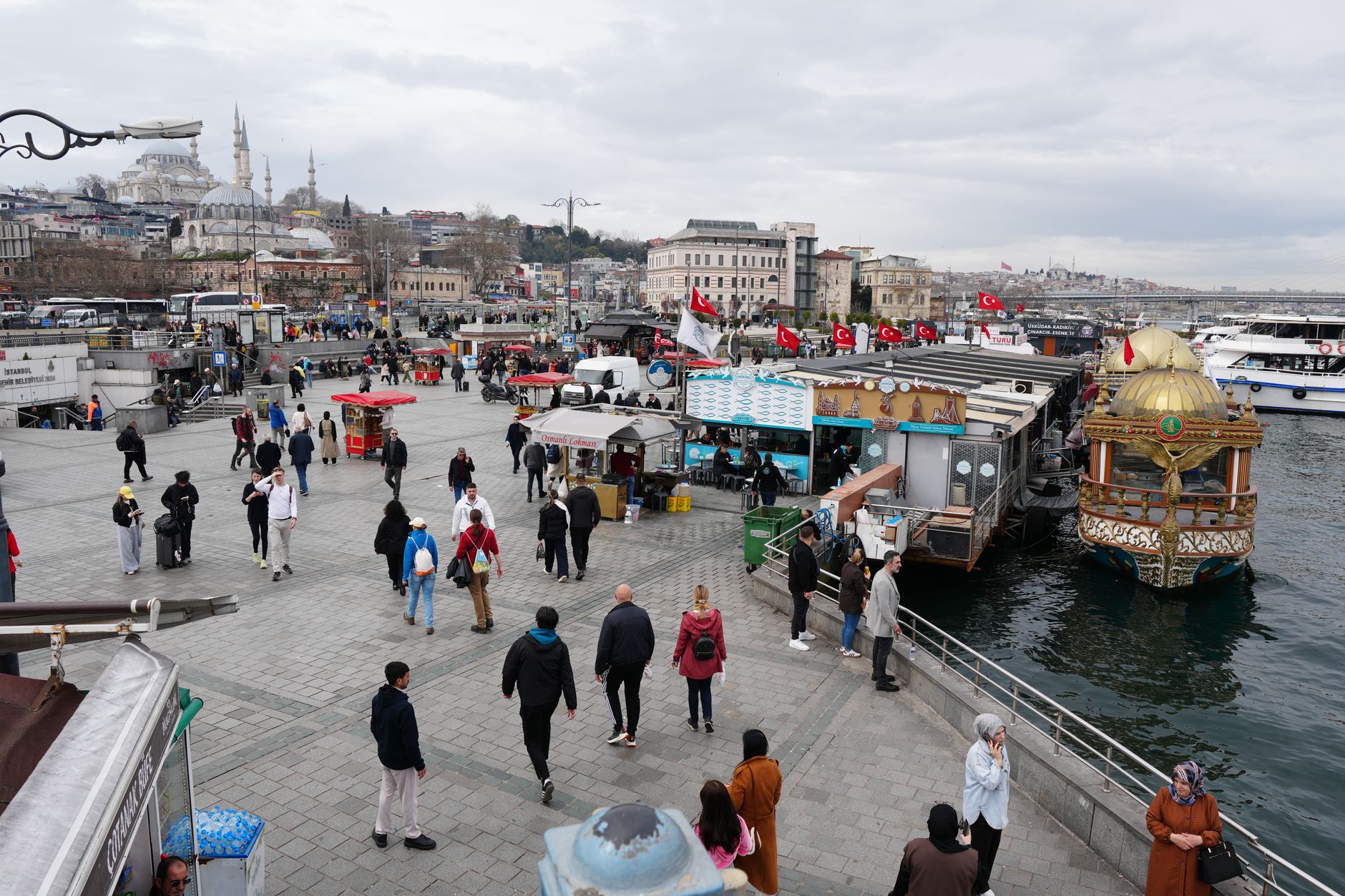
Istanbul remains the centre of gravity. The guide's Istanbul listings cluster in a few walkable areas: the historic peninsula around Sultanahmet and Eminönü, the Galata and Karaköy waterfront, the streets of Beyoğlu and Cihangir, and the more residential neighbourhoods of Nişantaşı and Beşiktaş. Booking a hotel within one of these zones means you can walk to a tasting menu and still find a late-night lahmacun on the way home.
For a first food trip, base yourself in Karaköy or Galata. You are within walking distance of several recognised restaurants, the spice stalls and fish counters around the Galata Bridge, and the ferry docks that make crossing to the Asian side easy. Cihangir and Beyoğlu suit travellers who want meyhane culture, mezze and live music after dinner.
Reserve the fine-dining tables first, ideally two to four weeks ahead for weekend slots, then plan the rest of your days around markets, bakeries and street stalls. If you are still shaping a route, our itineraries and trip planner are useful starting points for balancing cities and travel days.
Izmir, the Aegean and Anatolia's Regional Tables
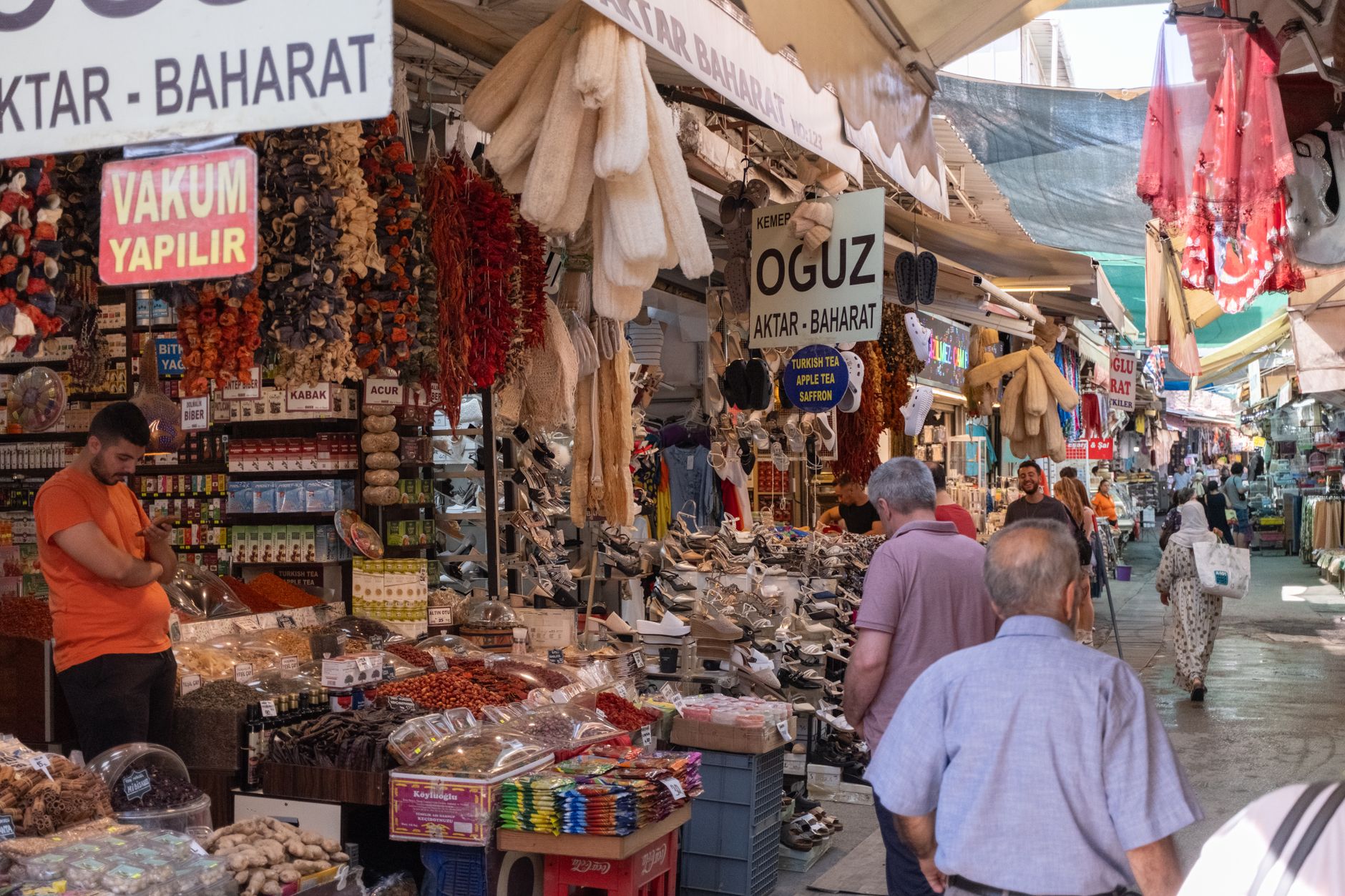
The guide's reach beyond Istanbul is what makes this moment interesting. Izmir's restaurant scene, built on olive oil, herbs, seafood and a distinctly Aegean palate, has gained visibility alongside the city's food markets and waterfront dining. Further east, Gaziantep and the southeast are increasingly part of the conversation, thanks to a culinary heritage of pistachios, kebabs, and slow-cooked dishes that predates most European fine dining traditions.
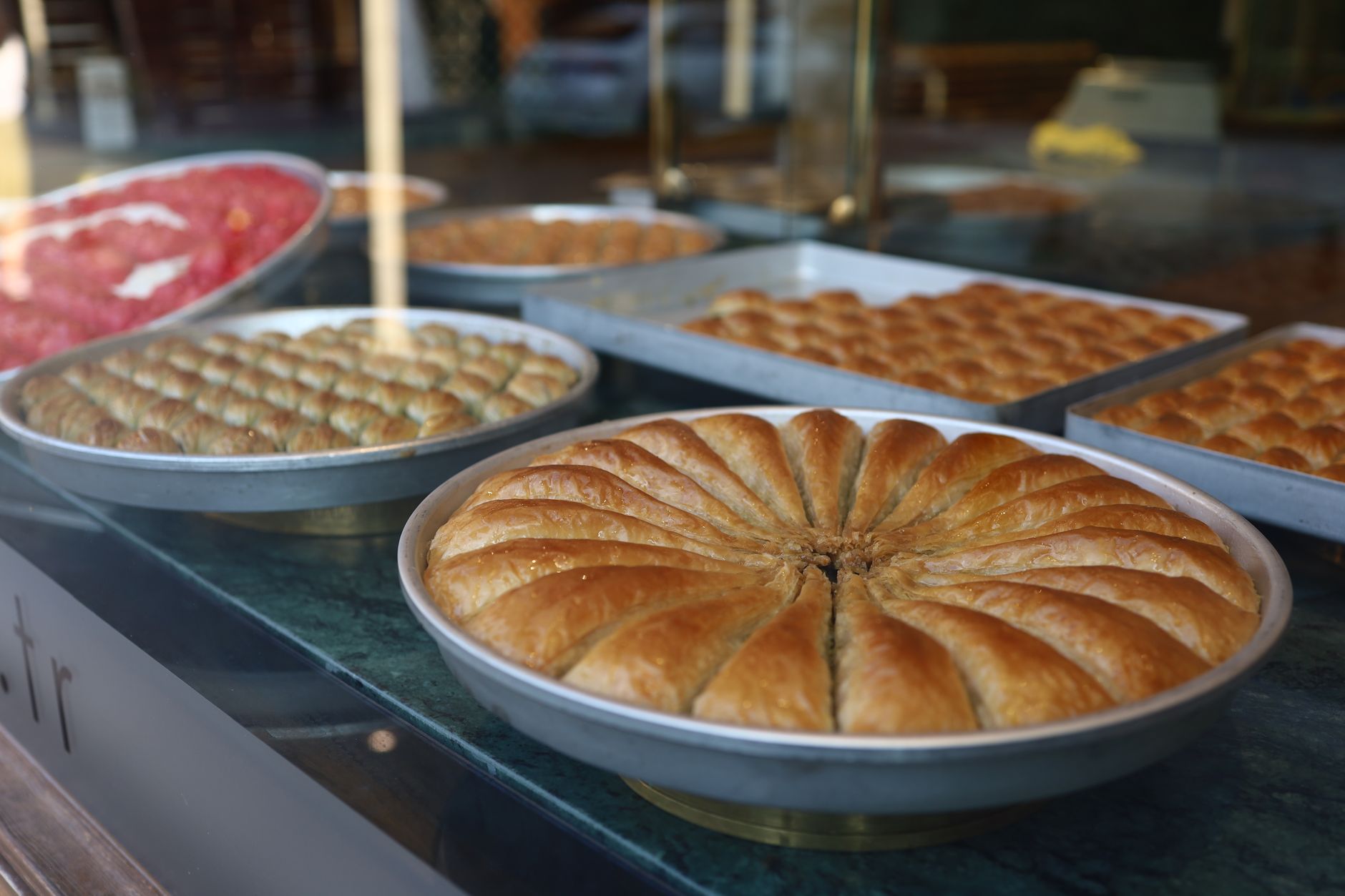
Practical advice: regional recognition is spreading faster than guide coverage is deep, so build in time for the places inspectors may not have reached yet. A morning at a Gaziantep baklava workshop or an Izmir market breakfast can be as memorable as a tasting menu. Local guides and food specialists are the best way to find these, and our experts page can connect you with people who know the ground.
If you are combining regions, check seasonal timing before locking dates. Our best-time guide explains how heat, harvests and holidays affect travel across the country, which matters if your plan includes the southeast in summer.
Pairing Fine Dining With Street Food Classics
The best food trips in Türkiye alternate between high and low. A recognised restaurant one evening, a simit and çay breakfast the next morning, then a lunch of balık ekmek by the water. This rhythm keeps both your budget and your palate in balance.
- Breakfast: start with a full kahvaltı spread or a street simit, then keep lunch light if a tasting menu is booked for dinner.
- Street classics to seek out: lahmacun, Adana and Urfa kebabs, iskender, gözleme, midye dolma, and künefe or baklava for dessert.
- Timing: book fine dining for dinner and leave lunch free for markets and stalls, which are best before mid-afternoon.
- Drinks: try ayran with grilled food and Turkish coffee after dessert; reserve wine pairings for the formal meal.
It also helps to know what you are eating. A short cooking class or market tour early in the trip makes the later restaurant meals far more legible, and it is an easy way to support local food businesses.
How to Plan and Book Sensibly
Treat restaurant reservations as you would flights: secure the few tables that matter most, then stay flexible. Many highly regarded Turkish restaurants are small, so weekend demand is real. Book directly where possible, confirm opening days, and note that some venues close for lunch or on one weekday.
Set a realistic daily food budget. A street-food lunch plus one coffee often costs less than a single main course at a recognised restaurant, which lets you splurge on two or three special meals per week without overspending. Carry cash for small stalls, and check whether cards are accepted before ordering.
For broader logistics, including how to move between cities and what to pack, browse our guides and travel tools. If you want a second opinion before you commit to dates or neighbourhoods, the FAQ covers common questions from first-time visitors.
Why Food Is Now a Reason to Go
Türkiye has never needed a guide to justify its food. What the Michelin expansion changes is visibility: it gives travellers a vocabulary and a reason to plan a trip around regional kitchens rather than treating meals as background to sightseeing.
The result is a country where you can eat a refined Anatolian tasting menu on Friday, a home-style lunch in a market hall on Saturday, and a late-night döner on Sunday, all within one itinerary. That range, from Ottoman palace cooking to roadside grills, is the story the guide is now telling to a wider audience.
Plan around the food, keep a few evenings unbooked, and let the street stalls fill the gaps. Start with our destinations section to choose your cities, and build a route that keeps eating at the centre.
Thinking about a trip to Turkey?
Share your contact details and a vetted local expert will follow up with a plan built around you — free, no obligation.