

Turkish Gastronomy Earns Global Recognition
In 2026, Türkiye's culinary scene continues to gain international acclaim as Michelin Guides and other prestigious rankings shine a spotlight on Anatolian cuisine. Chefs in Istanbul, Izmir, and Bodrum have earned stars and accolades, drawing food-focused travelers eager to explore the country's diverse flavors.
The recognition reflects a broader shift: Turkish cuisine, long beloved for its kebabs and mezes, is now celebrated for its regional depth, refined techniques, and innovative interpretations. From the spicy kebabs of Gaziantep to the olive oil dishes of the Aegean, each region offers a distinct culinary identity.
This global attention is not just about fine dining; it's a celebration of centuries-old traditions reimagined by a new generation of chefs. As a result, Türkiye has become a must-visit destination for gastronomic tourism.
Istanbul: A Culinary Crossroads
Istanbul, bridging Europe and Asia, remains the heart of Türkiye's gastronomic revolution. Michelin-starred restaurants like Neolokal and Mikla showcase Anatolian ingredients with modern flair, while historic eateries in Beyoğlu and Kadıköy serve timeless classics.
Chefs such as Maksut Aşkar and Mehmet Gürs are championing local producers, from Thracian olive oil to Black Sea anchovies. Their menus often feature dishes like slow-cooked lamb shoulder with smoked eggplant purée or sea bass ceviche with sumac.
For travelers, Istanbul offers everything from street food—balık ekmek (fish sandwiches) by the Galata Bridge—to multi-course tasting menus. Reservations are essential for starred venues, often booked weeks in advance.
Izmir and the Aegean: Olive Oil and Herbs
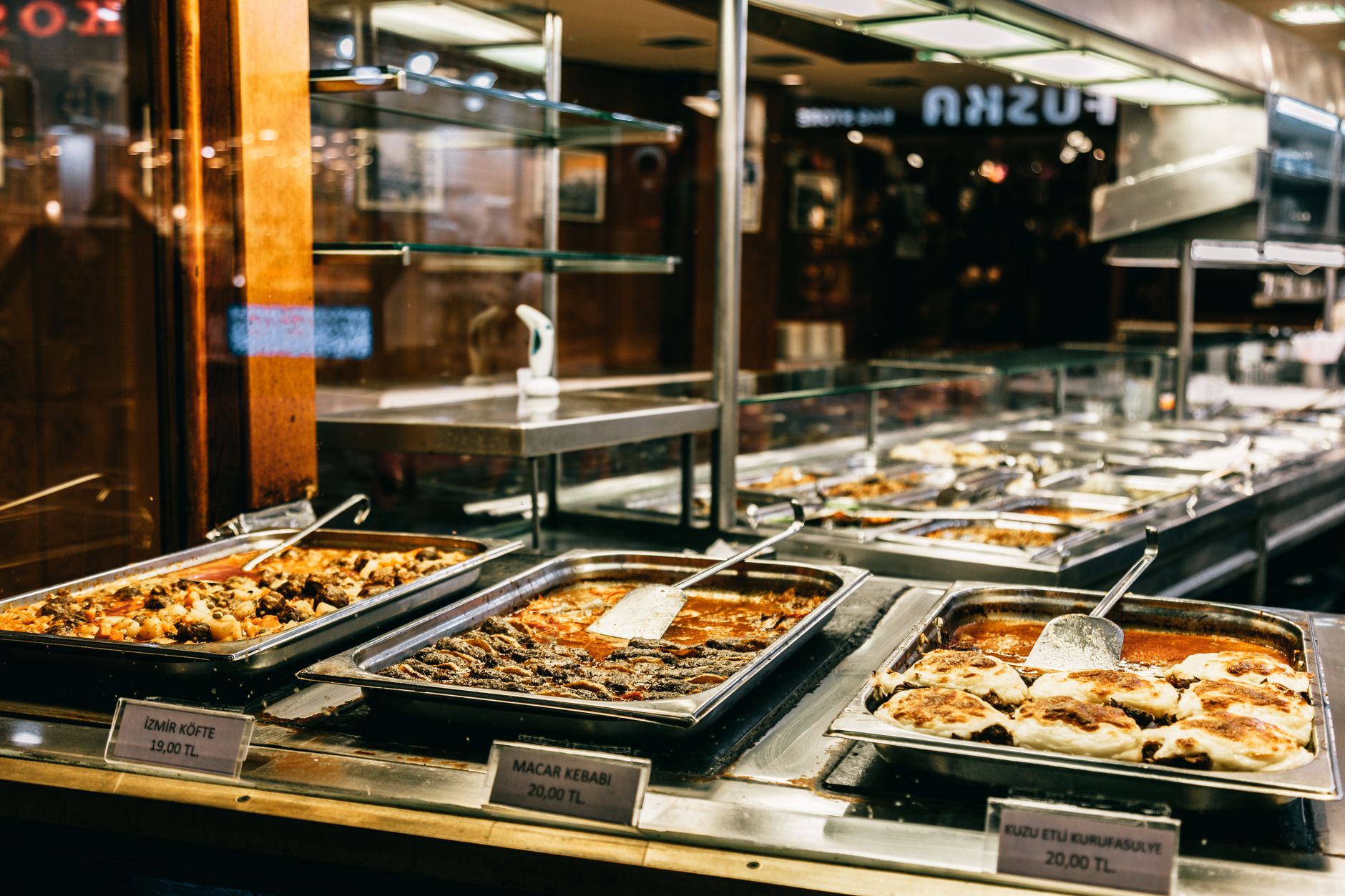
Izmir, the pearl of the Aegean, is a paradise for lovers of fresh, herb-forward cuisine. The region's olive oil dishes, known as zeytinyağlılar, take center stage, alongside seafood mezze and wild greens.
Chefs in Izmir, such as those at the Michelin-recommended Vino Locale, highlight local bounty: artichokes, fennel, and mastic. Dishes like enginar (stuffed artichoke) and deniz börülcesi (samphire) are staples.
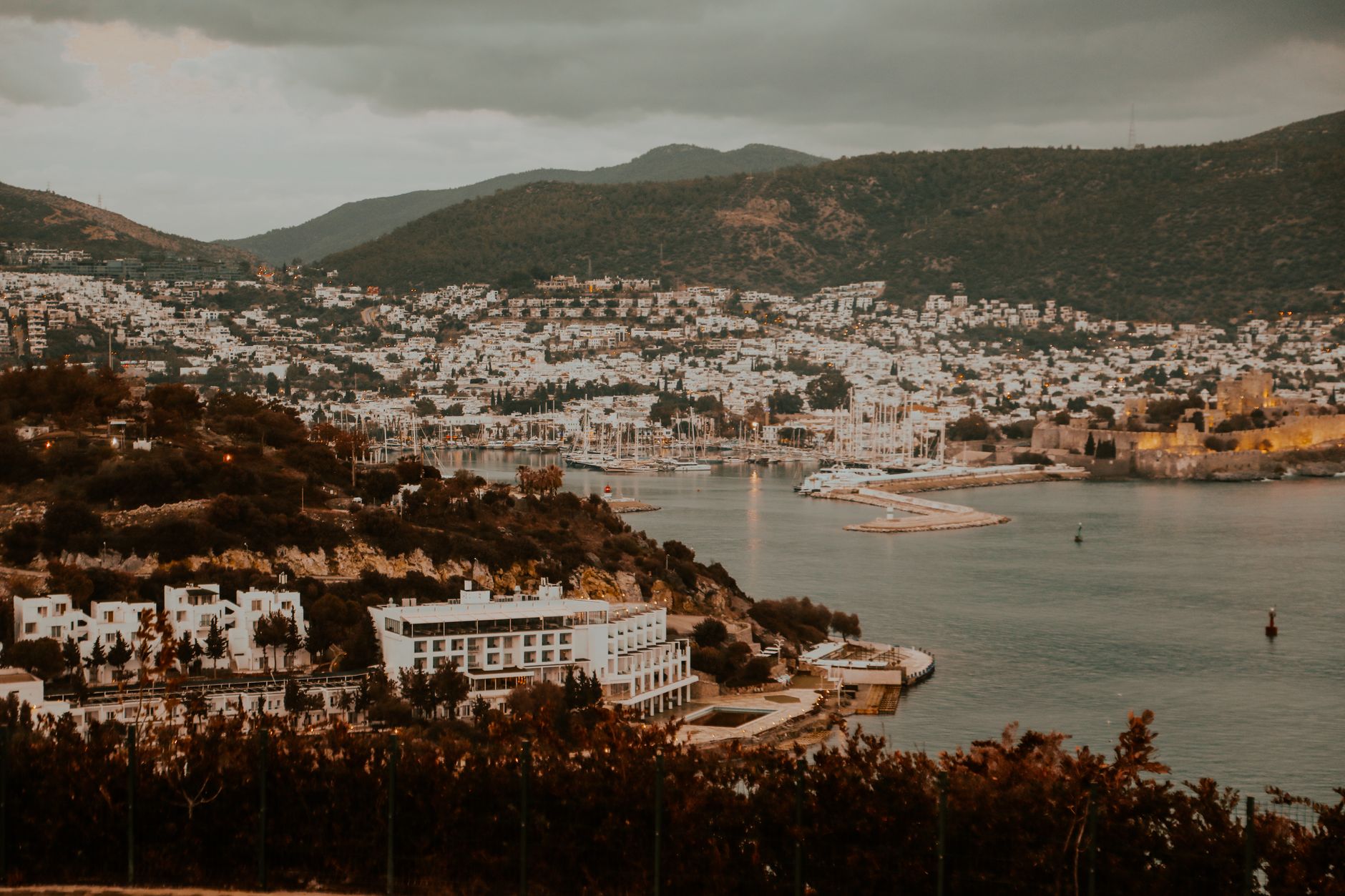
The nearby Bodrum peninsula adds a touch of glamour, with upscale restaurants like Maçakızı earning accolades for their Aegean-Mediterranean fusion. Here, dining is often alfresco, overlooking the turquoise coast.
Gaziantep and Southeast: Kebab Capital
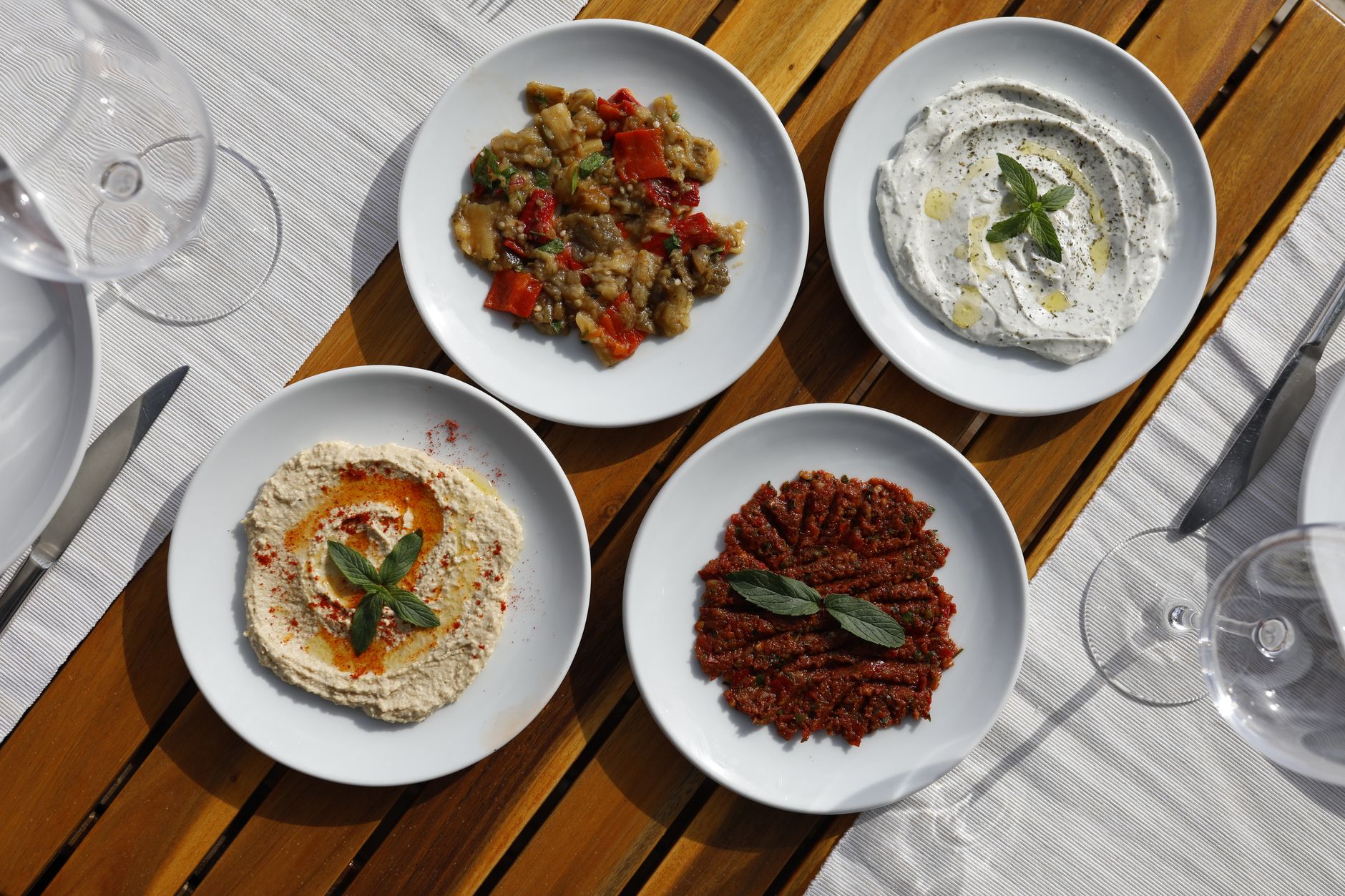
No discussion of Turkish cuisine is complete without Gaziantep, a UNESCO Creative City of Gastronomy. Its kebabs—particularly the renowned pistachio kebab—are legendary, as are sweets like baklava.
Michelin's Bib Gourmand list now includes several Gaziantep establishments, such as Metanet Lokantası, where chefs like Ali Haydar Şen preserve traditional recipes. The city's cuisine is characterized by generous use of pistachios, lamb, and spicy peppers.
Travelers can explore the local food market, Elmacı Pazarı, and taste dishes like beyran soup for breakfast—a spicy, garlicky lamb soup that's a local favorite.
Regional Specialties to Savor
Türkiye's culinary map is vast. In the Black Sea region, sample hamsi (anchovies) and kuymak (cornmeal and cheese fondue). Central Anatolia offers mantı (tiny dumplings) and testi kebab (meat cooked in a sealed clay pot).
The Aegean and Mediterranean coasts boast abundant seafood, wild greens, and olive oil dishes. Don't miss çılbır (poached eggs with yogurt) in the morning or künefe (cheese pastry) for dessert.
Each region's cuisine reflects its history and geography, making food-focused travel a rewarding way to understand Türkiye's cultural tapestry.
Practical Dining Tips for Food Travelers
Reservations are crucial for Michelin-starred and popular restaurants, especially in Istanbul, Izmir, and Bodrum during peak season (May–September). Book at least two to four weeks ahead, or earlier for special occasions.
Embrace seasonal menus: spring brings fresh herbs and artichokes, summer offers tomatoes and peppers, autumn is for mushrooms and game, and winter features hearty stews and citrus. Ask your server for recommendations.
When dining out, it's customary to order multiple mezes to share. Tipping (5–10%) is appreciated. Also, many fine-dining spots offer lunch menus at more accessible prices.
For an authentic experience, visit local markets and food streets, such as Istanbul's Kadıköy Market or Izmir's Kemeraltı Bazaar. Street food is safe and delicious, from simit to midye dolma.
“Turkish cuisine is not just about food; it's about hospitality, sharing, and the rich stories behind each dish,” says Chef Maksut Aşkar of Neolokal.
With its newfound global spotlight, Türkiye invites travelers to taste its culinary heritage—one region at a time.
Thinking about a trip to Turkey?
Share your contact details and a vetted local expert will follow up with a plan built around you — free, no obligation.