

An Inland Sea of Calm: Why Türkiye's Lakes Deserve Your Swimsuit
Most travellers arrive in Türkiye with salt on their minds. The Aegean and the Mediterranean are magnificent, of course, but there is another shoreline — softer, quieter, and often surprisingly clear — strung across the country's interior plateaus and mountain folds. Türkiye's lakes are where families spread picnic blankets under pine trees, where canoeists glide across glassy mornings, and where the loudest sound is often a cowbell or a tea glass being stirred.
These are not postcard lakes that exist only in photographs. Salda, tucked beneath the Taurus Mountains in Burdur province, has water so mineral-rich and pale that it is nicknamed the Turkish Maldives. Bafa, further west near the Aegean, is a lazy, olive-fringed lagoon where ancient ruins slip into the reeds. Between them and beyond them, a scattering of highland lakes and reservoirs offers cool water in the hot months and a genuine sense of discovery.
What unites them is a certain temperament. There are no beach clubs blasting music, no sunbed touts, no queues. There is a parking area that may be a field, a wooden jetty that may be a few planks, and a village café where the menu is whatever is fresh. For swimmers, paddlers and families who like their holidays unhurried, this is the point. These quieter spots showcase Türkiye's uncrowded natural beauty at its most generous — and once you have swum in a mountain lake at sunrise, a crowded resort beach can feel like a lot of effort for very little.
Lake Salda: Turquoise Water and White Sands in the Taurus Foothills
Salda is the star, and rightly so. Its water shifts through shades of aquamarine, mint and deep teal as the light moves, and the shoreline is fringed with white magnesium-rich sand that squeaks faintly underfoot. The clarity is the first thing people mention — you can often see the lakebed metres below the surface — and the second is how gentle the entry is. Wide, shallow shelves make it easy for small children and nervous swimmers to wade in comfortably.
Because of its unique hydrology and the presence of ancient stromatolites, parts of the lake and some of its beaches are protected. Swimming is generally enjoyed at designated public beach areas rather than anywhere along the shore, and this is a good thing: the lake stays clean precisely because visitors respect the signs. Come prepared to walk a little from where you park, to carry your own water and shade, and to leave nothing behind.
Kayaking and paddleboarding are best in the early morning, when the surface is often completely still and the mountains double themselves in the water. Winds tend to pick up in the afternoon, so plan your paddling before lunch and save the middle of the day for swimming, reading and a long lunch in the village of Salda itself. Small guesthouses and cafés here serve gözleme, fresh trout and endless tea, usually with a view over the water.
Getting there is simplest by car. Salda sits roughly an hour and a half from Denizli and around two hours from Antalya's hinterland, on roads that wind through apple orchards and pine forest. If you are building a wider route, our route suggestions can help you link the lake country with the coast without doubling back.
Lake Bafa: Olive Groves, Ancient Ruins and a Very Slow Afternoon
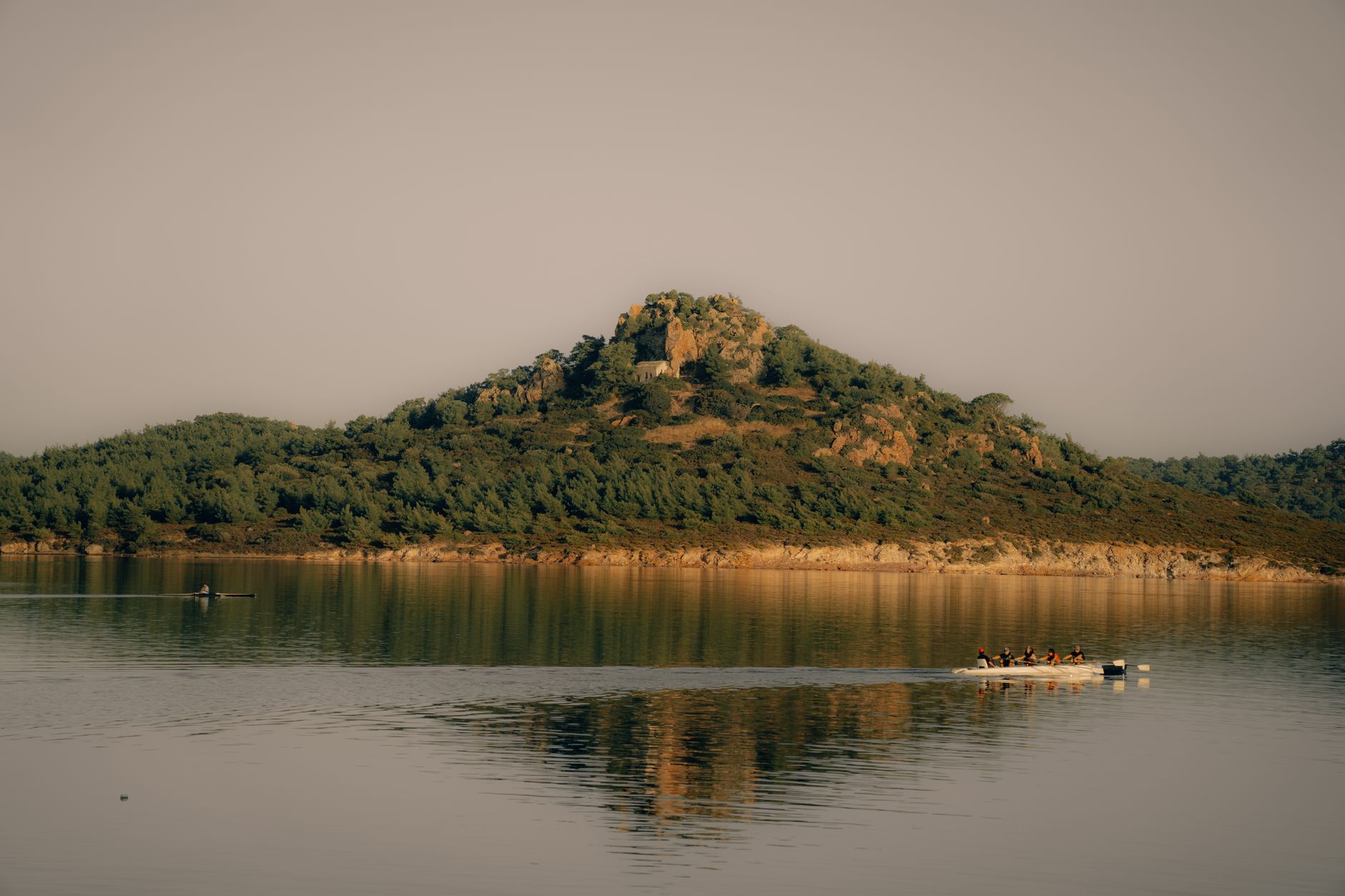
Bafa feels like a different country altogether. Where Salda is bright and alpine, Bafa is soft and Mediterranean — olive groves running down to the water, reeds whispering at the edges, and the ruins of Heraclea by Latmos scattered along the shore. The lake is the remnant of an ancient gulf, and you can feel that history in the flat, fertile landscape and the rock-cut tombs in the hills above.
Swimming here is a gentler, warmer affair than at high-altitude Salda; the water reaches comfortable temperatures earlier in the season and stays swimmable well into autumn. The shoreline is uneven, with some stony patches, so water shoes are a sensible addition to your bag. Paddlers love Bafa for its calm and its wildlife — herons, pelicans and kingfishers are common companions — and because the lake is large enough to explore for hours without ever feeling crowded.
The villages around the lake, particularly Kapıkırı, are the kind of places where you plan to stay one night and end up staying three. Family-run pensions serve lake fish, wild greens and olive oil from the surrounding groves, and breakfast is a drawn-out affair of village cheese, honey and tomatoes. It is worth checking seasonal conditions and local advice before you travel; our best-time guide will help you choose a window that suits swimming and paddling rather than wind and rain.
Access is easy from the Aegean coast: Bafa lies just off the main road between Söke and Milas, within reach of Kuşadası, Didim and Bodrum. Many travellers combine a few lake days with a coastal week, and the contrast — salt and wind one day, still fresh water the next — is one of the great pleasures of a Türkiye itinerary.
The Quiet Highland Coast: Smaller Lakes for Canoes and Cool Mornings
Beyond the famous two, Türkiye holds dozens of smaller lakes that rarely appear in guidebooks. In the highlands of the Taurus and the Black Sea hinterland, meltwater lakes and reservoirs sit among meadows and pine forests, offering cold, clear water in July and August and near-total silence at dawn. Some are natural, some are dam-made, and all reward the traveller who has hired a car and is willing to follow a road that narrows as it climbs.
These are canoe and kayak country rather than sunbathing country. Mornings are cool and often misty, the water is flat, and the shores are lined with wildflowers and grazing animals rather than cafés. Families with older children find them magical — a picnic, a short paddle, a walk along the water's edge — while anyone seeking a swim will find the water bracing but wonderfully clean. Always check locally whether swimming and boating are permitted, since some reservoirs supply drinking water and restrict access.
The practical rhythm of a highland lake day is simple. Arrive early, paddle before the wind rises, swim, eat, then walk. Bring layers: at 1,500 metres the mornings can be genuinely cold even in midsummer, and afternoon thunderstorms are a real possibility in spring. Fuel up in the nearest town, carry cash for village cafés, and expect mobile signal to come and go.
For those who prefer a little structure to their wandering, our travel guides and itineraries cover how to weave lake stops into a longer journey, while the trip planner can help you shape a route around the seasons and the distances involved.
When to Go: Seasons for Swimming, Paddling and Peace
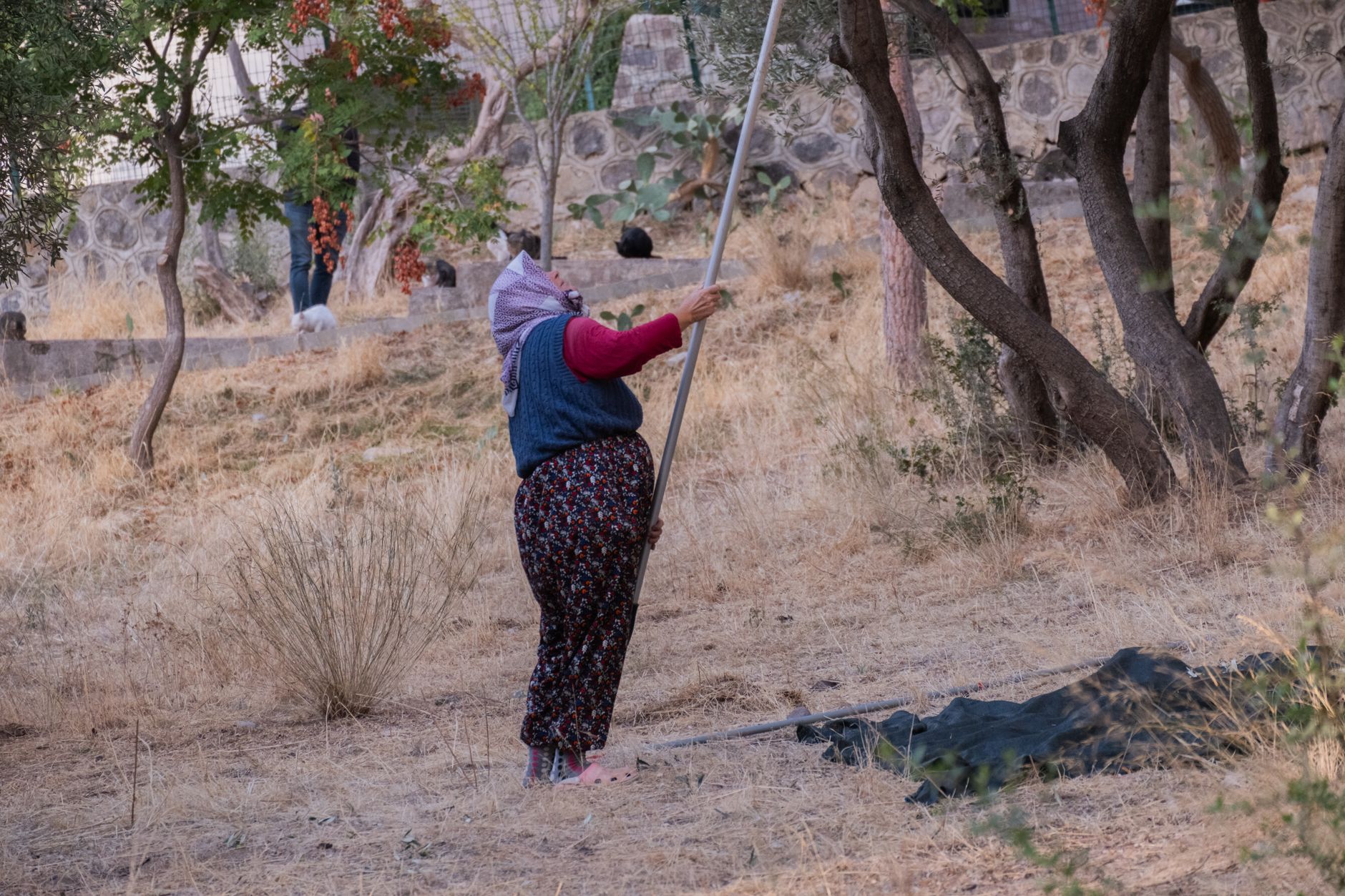
Late spring and early autumn are the sweet spots for most of Türkiye's lakes. In May and early June the countryside is green, the roads are quiet, and the water at lower lakes like Bafa is already inviting. September and October bring warm days, cool nights and golden light, with the added bonus of harvest season in the villages — grapes, figs, olives and apples depending on where you are.
High summer works beautifully at altitude. Salda and the highland lakes stay refreshing when the coast is sweltering, and the long evenings are made for sitting outside with tea. Do expect weekend crowds at Salda in July and August, mostly Turkish families who know exactly how good it is; arrive on a weekday if you can, and head for the quieter beaches at the lake's less-developed edges. Detailed month-by-month context is available in our seasonal guide.
Winter is for a different kind of traveller: mist over the water, snow on the peaks, and village cafés with wood stoves. Swimming is off the agenda, but walking, photography and the sheer quiet are exceptional. Whatever the season, build flexibility into your plans — mountain weather changes quickly, and the best days are often the ones you did not schedule.
Village Cafés and the Art of Doing Very Little
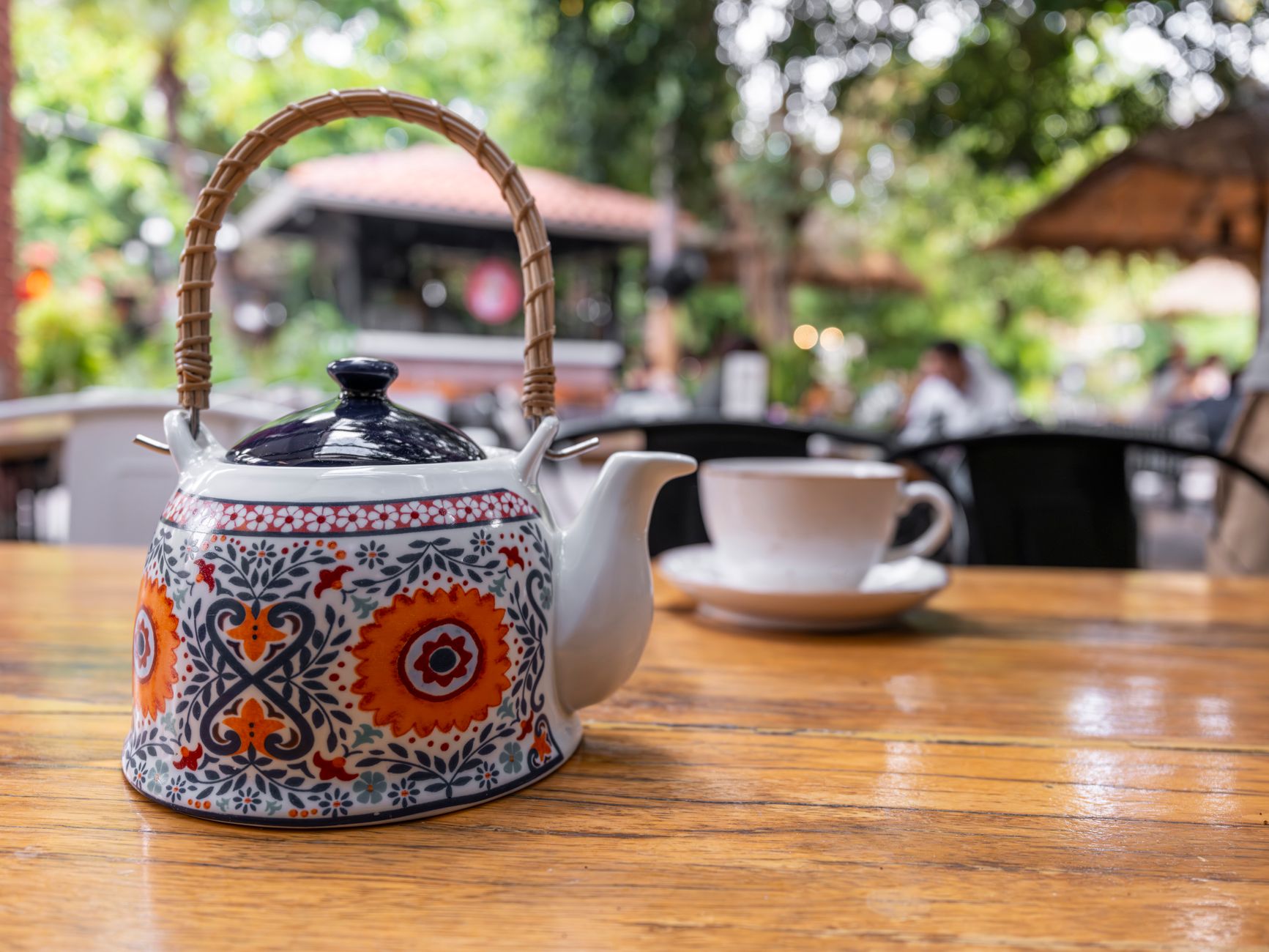
The café is the heart of a Turkish lake holiday, and it is rarely fancy. A few plastic chairs, a grapevine for shade, a cat asleep on a crate, and a menu that runs to tea, ayran, gözleme and whatever the owner's family cooked that morning. Around Salda, look for trout and apple-based desserts; around Bafa, expect lake fish, wild greens and excellent olive oil; in the highlands, it might be simple soup and bread with honey.
These places are worth planning around rather than treating as fuel stops. A long lunch under a vine, followed by a swim and a nap, is the correct pace here. Prices are gentle, portions are generous, and nobody will hurry you. Learning a few words of Turkish — teşekkürler, afiyet olsun — goes a long way, as does asking what is local.
If you want recommendations from people who know these regions intimately, our local experts can point you toward family-run pensions and village kitchens that do not appear on maps. And for a broader sense of what makes travelling here so rewarding, browse the gallery — though no photograph quite captures the silence of a lake at six in the morning.
Practical Notes for Swimmers, Paddlers and Families
Bring water shoes, a dry bag, sun protection and cash. Public beaches at protected lakes have basic facilities at best, and shops can be several kilometres away. If you plan to paddle, check whether you need your own equipment or can rent locally — Salda has a handful of rental operators in season, Bafa fewer, and the highland lakes often none at all.
Respect the environment, and the rules that protect it. Some beaches and shorelines are closed to protect fragile formations or drinking-water supplies; signage is there for a reason. Keep to marked paths, take your rubbish with you, and avoid introducing sunscreen and soap into small, still lakes where the ecology is delicate.
Finally, drive carefully on mountain roads, fill up before you climb, and allow more time than the map suggests. The reward is a kind of holiday that has become rare: clear water, gentle shores, and the feeling that you have found somewhere the world has not yet crowded in. For more inspiration on where to go next, explore our destinations pages and start planning your own inland coast.
Thinking about a trip to Turkey?
Share your contact details and a vetted local expert will follow up with a plan built around you — free, no obligation.