

Two Kinds of Time: Stone and Steam
Some travel days are a race. This one is not. A museum-and-hammam day in Türkiye is built on a simple, quietly brilliant idea: give your mind the morning, when it is sharpest, and give your body the afternoon, when the day is warm and the light turns slow. Ancient collections ask you to look closely and think. A traditional bath asks you to stop thinking altogether. Paired together, they balance each other beautifully.
Türkiye has been perfecting this rhythm for centuries. The same Ottoman world that commissioned domed bathhouses also endowed libraries, madrasas and museums of manuscripts and tiles. Hammams were never merely places to wash — they were civic buildings, often built beside mosques and markets, funded by the same charitable foundations. So when you step out of a gallery of Seljuk tiles and into a steam room with a star-pierced dome, you are not jumping between two unrelated attractions. You are following a single architectural and social tradition.
What follows is a practical plan for three cities — Istanbul, Bursa and İzmir — each with its own character, plus advice on sequencing, what to carry and how to choose a hammam that treats you like a guest rather than a ticket.
Istanbul: From the Archaeology Museums to a Historic Hammam
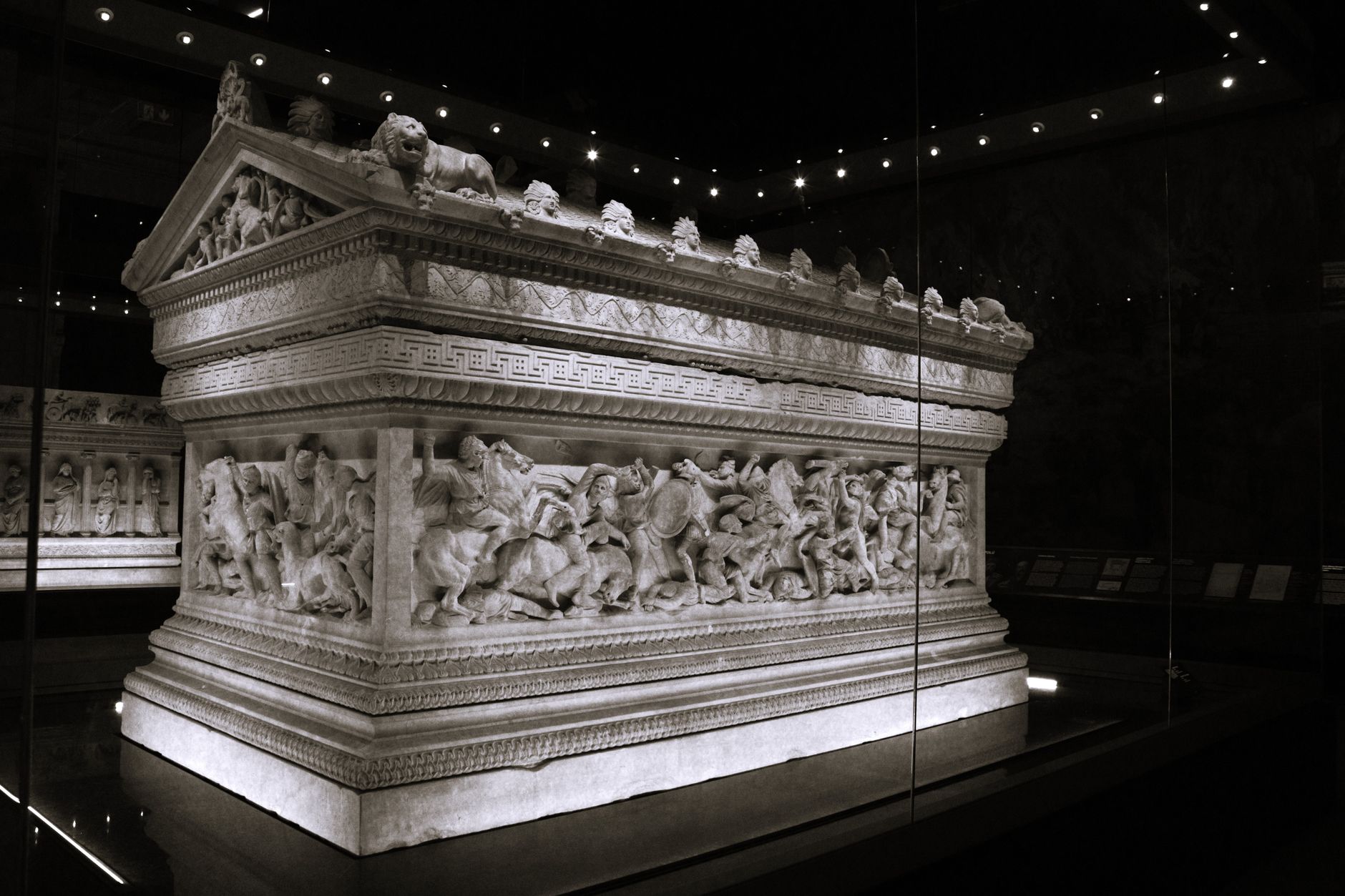
Nowhere makes the pairing feel more natural than Istanbul. Begin at the Istanbul Archaeology Museums beside Topkapı Palace, where the Alexander Sarcophagus and the haunting Sidon sarcophagi sit in a purpose-built, lamplit hall. Give yourself two unhurried hours, then cross the courtyard to the Tiled Kiosk, a summer pavilion of blue-green İznik tiles. If you have energy left, the Museum of the Ancient Orient adds Hittite and Babylonian pieces in a quiet, almost empty wing.
Lunch should be light — a bowl of lentil soup and some grilled fish near Eminönü, or a meze plate with plenty of water. Then walk or take the tram toward a historic hammam in the old city. Several sixteenth-century baths survive around Beyazıt and the Grand Bazaar, and the experience of lying on a warm marble slab while light filters through glass stars in the dome is one of the great small luxuries of travel.
An alternative morning is the Museum of Turkish and Islamic Arts in Sultanahmet, home to some of the finest carpets in the world and to the serene courtyard of Ibrahim Pasha Palace. Pair it with an afternoon bath nearby and you will have touched both halves of the same Ottoman aesthetic: the patterned textile and the steam that once softened it.
Practical note: Istanbul hammams in the historic core are busiest between late afternoon and evening. If you book a scrub for around 15:00 or 16:00, you get the building at its calmest and still emerge with time for dinner.
Bursa: The First Ottoman Capital, Tiles and Thermal Waters
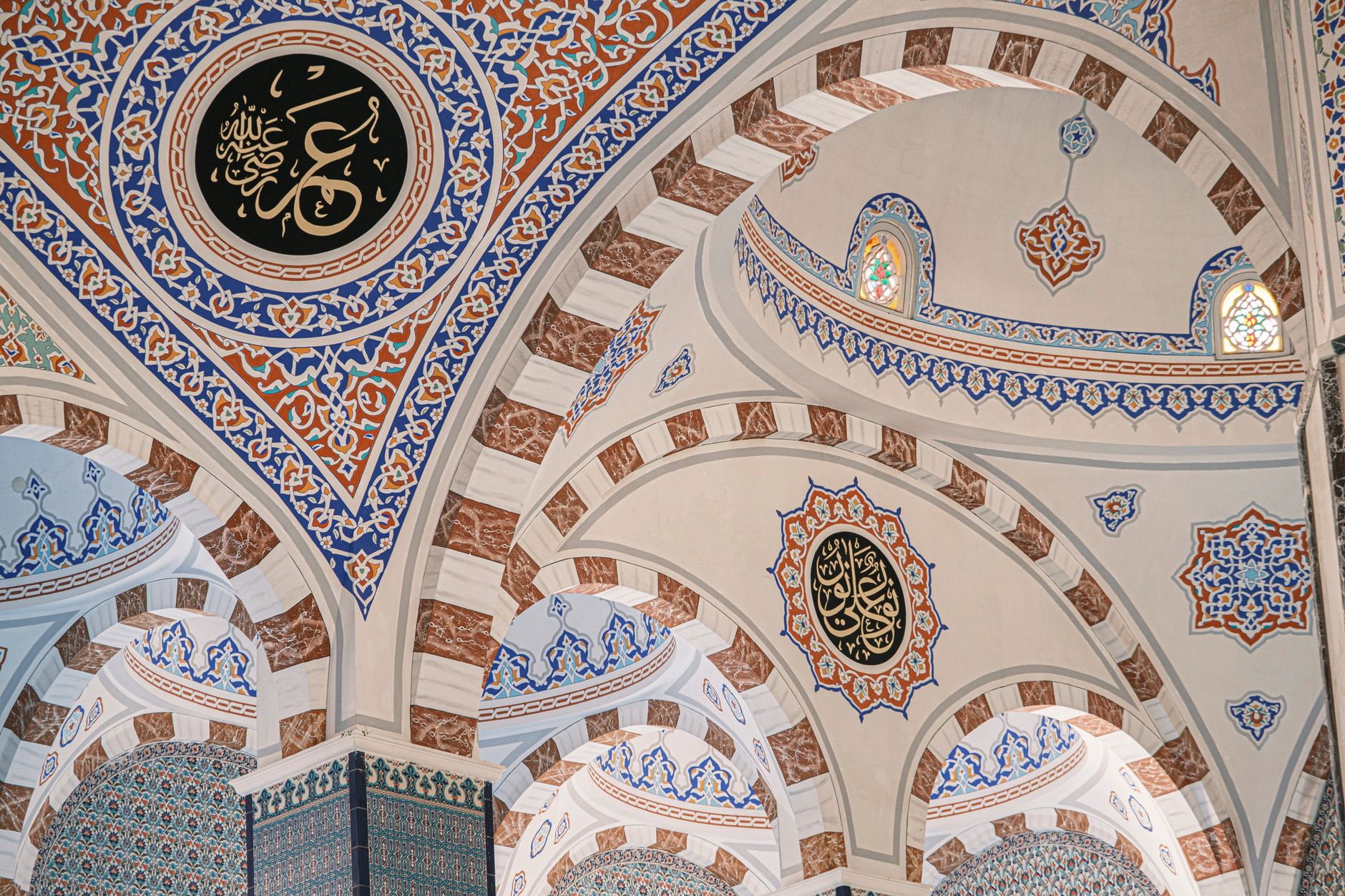
Bursa may be the most satisfying museum-and-hammam city in Türkiye, because the two traditions were born here together. Start at the Bursa Museum of Turkish and Islamic Art, set in the former Yeşil Madrasa, where carved wooden doors and Seljuk-era objects sit under a green-tiled exterior. Then walk five minutes to the Yeşil Mosque and the Green Tomb, whose turquoise faience gives the whole quarter its name.
Bursa has been a thermal city since Roman and Byzantine times, and Ottoman sultans built their baths over the springs. After a light lunch of İskender kebab — or better, if you plan to bathe soon, a gentler plate of grilled vegetables and ayran — head to a hammam with genuine thermal water. The warmth here feels different: mineral-rich, deeply relaxing, and traditionally paired with a cold plunge and a long rest in the cooling room.
If you have a second day, use it for the Bursa City Museum or the silk workshops in the Koza Han, then repeat the ritual. Bursa rewards slowness, and the town's unhurried pace makes it an ideal fit for the rhythm described on our itineraries page.
İzmir: Classical Sculpture, Then Salt and Steam
İzmir offers a different flavour. The İzmir Archaeological Museum holds extraordinary bronzes and Roman sculpture, and the nearby Ethnography Museum fills in the social history of the Aegean coast. If the weather is good and you want sea air, take the train south to Selçuk to see the Ephesus finds, or stay in the city and linger over the museum's garden of capitals and column drums.
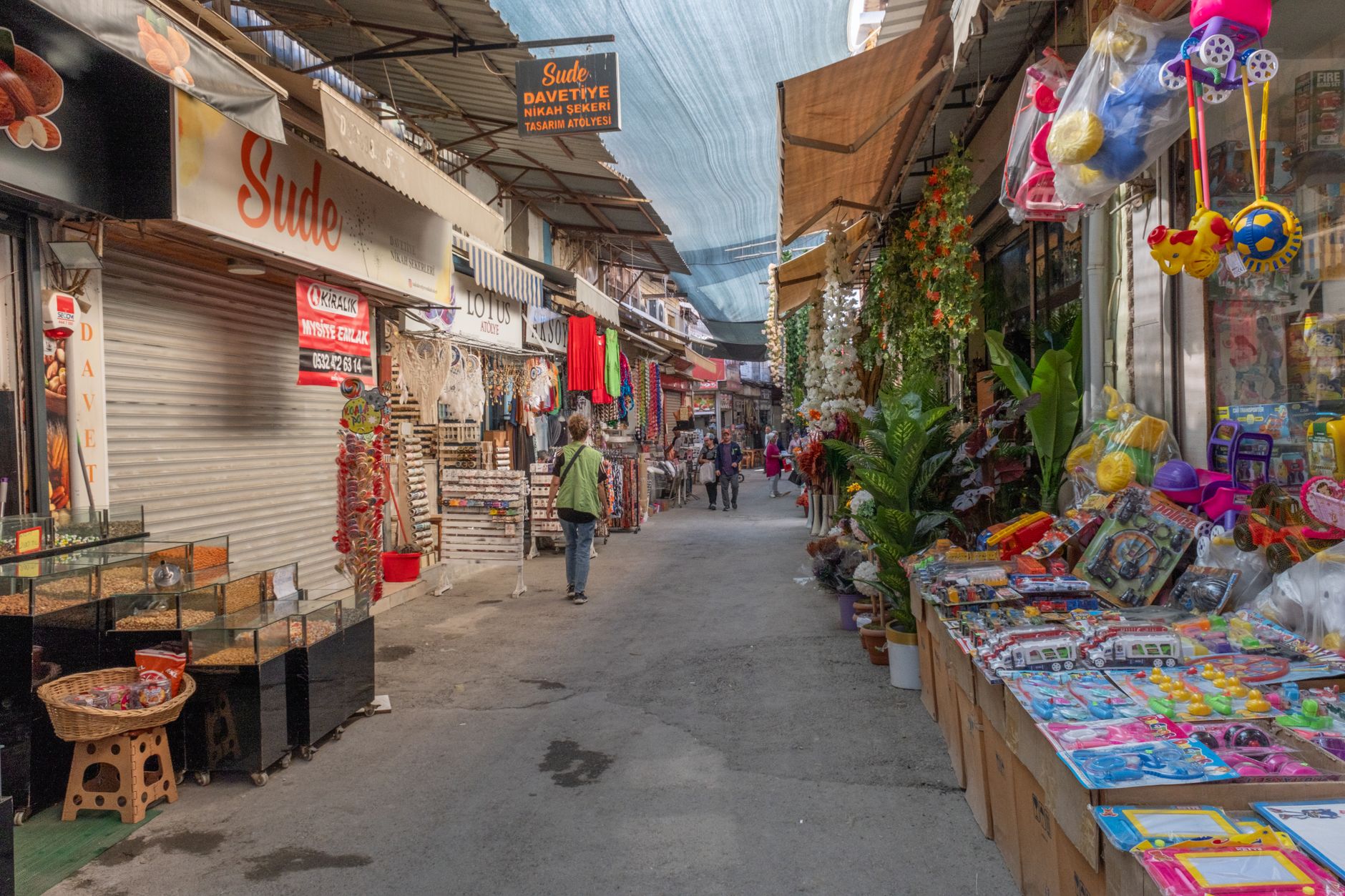
Afternoon in İzmir means the ılıca — thermal springs — and the hammams of the Kemeraltı bazaar quarter, where the baths are small, local and often family-run. Because İzmir is a working city rather than a tourist one, the rhythm is different: less ceremony, more neighbourhood warmth. Ask at your hotel for a recommended bath, arrive mid-afternoon and expect a mix of regulars.
One caution: never combine a heavy lunch with a deep scrub. Keep the meal early and modest, and drink water before you go. It sounds fussy; it makes an enormous difference to how good the afternoon feels.
How to Sequence the Day So It Actually Feels Relaxing
The temptation is to cram in two major sights before the bath and then rush the bath itself. Resist. The hammam is not a shower you squeeze in; it is the second half of the day, and it needs at least ninety minutes, ideally two hours with rest.
- Museum at opening. Arrive in the first hour, when galleries are quietest and you are freshest. Two hours is plenty; three is a real enthusiast's visit.
- Early lunch, light. Finish eating by about 13:00 so your stomach is settled before steam.
- Buffer time. Walk, sit in a courtyard, or rest at the hotel. Avoid shopping marathons that leave you hot and tired.
- Hammam mid-afternoon. Aim to enter between 15:00 and 17:00 — calmer than evening and with time to rest afterwards.
- Slow exit. Sit in the cooling room, drink tea, and let your body settle before stepping back into the street.
Do not plan an ambitious dinner. You will want something simple, and you will sleep wonderfully. For more on timing your trip around seasons and heat, see our best time to visit guide.
What the Day Really Teaches You About Türkiye's Heritage
Museums preserve objects; hammams preserve habits. When you spend a morning in front of a sixteenth-century carpet and an afternoon lying beneath a sixteenth-century dome, you start to notice that the motifs on the tiles echo the patterns on the textiles, and that the dome's light does what the gallery's display cases cannot: it puts your body in the middle of the architecture.
This is the quiet gift of Turkish cultural travel. The country does not separate its heritage from its daily rituals — the bath is still used for weddings, for Fridays, for colds, for comfort. A visitor who bathes properly is not being sold an experience; they are being let in on an ordinary one.
Türkiye's real luxury is not gold leaf. It is warm marble, a scrub mitt, and the space to stop moving for two hours.
If this kind of slow, story-rich travel appeals, our team at experts can help you shape a route that leaves room for it.
What to Bring and What to Expect Inside
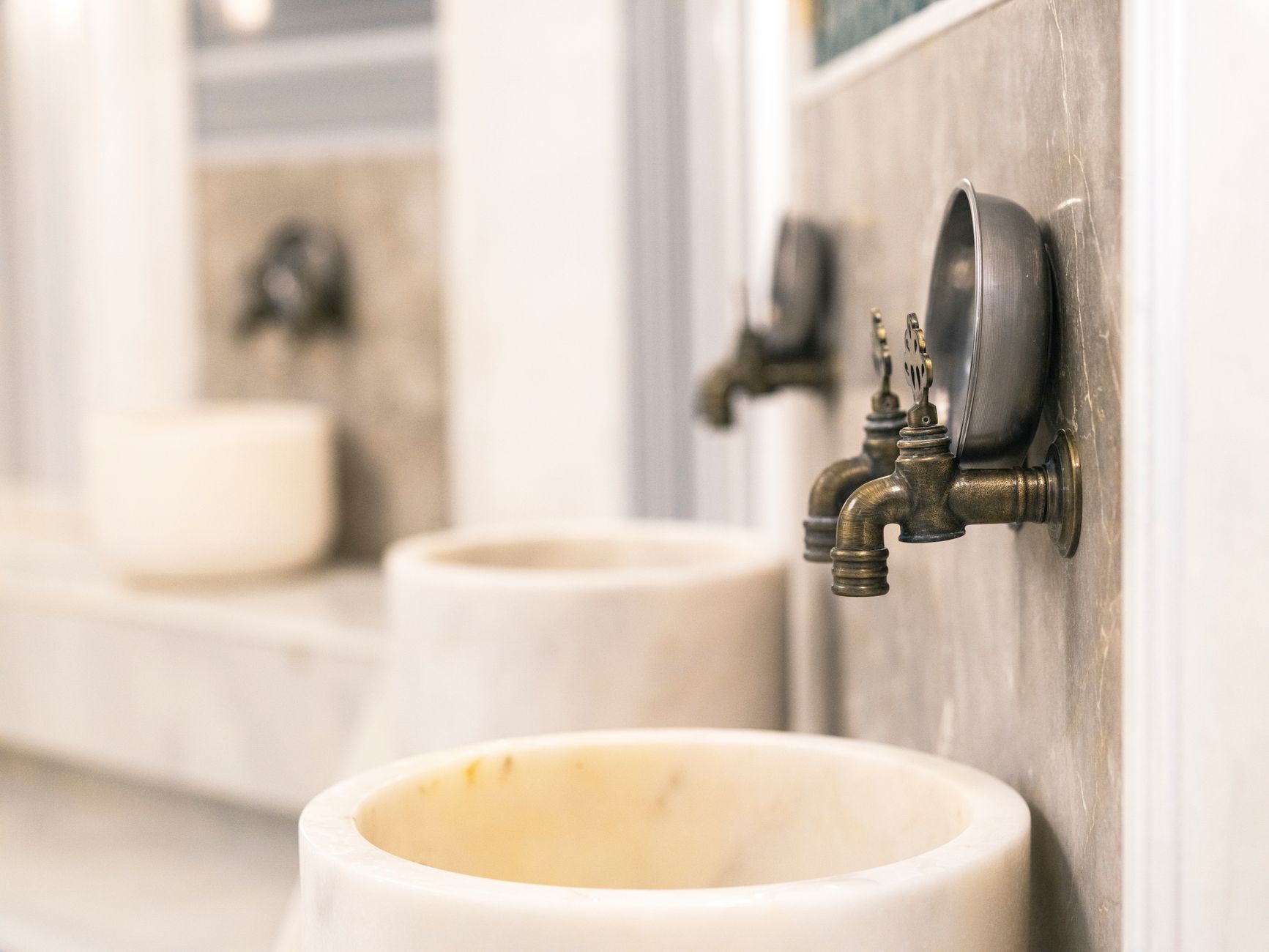
Traditional hammams provide most of what you need — towels, peştemal wraps, slippers, soap, and often the kese scrub mitt. Bring less than you think.
- Cash in small notes for extras such as a scrub, oil massage, or tip.
- Water bottle — you will be dehydrated and probably not realise it.
- A change of underwear and a light cotton bag for damp swimwear or wraps.
- Flip-flops if you are fussy about shared slippers; most places provide them, but your own are more comfortable.
- No jewellery, no phone in the steam; lockers exist but leave valuables at the hotel.
Inside, the sequence is usually: changing room, warm room, hot marble slab, scrub and wash, then cooling room with tea. If you feel dizzy at any point, sit up slowly and step out of the hot room. Staff are used to this and will look after you without fuss.
How to Choose a Reputable, Welcoming Hammam
The best hammam is not necessarily the most famous. Look for these signs.
- Clear pricing at the door, including the scrub and any massage, so nothing is negotiated in the steam.
- Separate or scheduled hours for men and women, or a genuinely private family section. Ask before you book.
- Staff who explain the process before you undress, and who ask about health conditions.
- Cleanliness without shortcuts: fresh wraps, clean basins, visible drainage, warm changing rooms.
- Local bathers as well as tourists — a good sign that the bath serves its neighbourhood.
Historic baths in Bursa and Istanbul, some built by Ottoman court architects, are unmissable for atmosphere; smaller neighbourhood baths are often warmer in tone and much quieter. Either is a fine choice. Health note: skip the hot room if you are pregnant, have heart or blood-pressure conditions, or are feeling unwell, and ask your own doctor if unsure.
For more Istanbul-focused planning and city comparisons, browse our destinations section and the travel blog.
Final Thought: Build One Slow Day Into Every Turkish Trip
You will remember the great monuments. But the day you will describe to friends at home is the one where you stood before the Alexander Sarcophagus in peace, ate soup, and then spent two hours being gently scrubbed under a dome of glass stars. That is Türkiye at its best — magnificent and humane in the same afternoon.
Plan it early, book the bath for mid-afternoon, take it slowly, and let the country's oldest ritual do the rest.
Thinking about a trip to Turkey?
Share your contact details and a vetted local expert will follow up with a plan built around you — free, no obligation.