

A Single Card, Dozens More Sites
Türkiye's Ministry of Culture and Tourism has expanded the Museum Pass for 2026, adding dozens of new archaeological sites, historic mosques and museums to the network covered by a single card. For culture-loving travelers, the pass turns a fragmented ticketing experience into one smooth, affordable key to the country's deepest heritage.
The expansion is part of a broader ministry push to make heritage travel easier and cheaper, particularly along routes that link Istanbul, the Aegean coast, Cappadocia and the southeast. Rather than buying individual tickets at each gate, holders scan one pass and walk in.
The practical benefit is significant: fewer queues, less cash handling and a lower total cost for travelers who plan to visit more than a few sites. For anyone building an itinerary around ancient cities, Ottoman mosques and world-class museums, the math now favors the pass more than ever.
What the 2026 Expansion Actually Adds
The ministry has widened the pass network to include additional sites in Istanbul, Izmir, Antalya, Muğla, Nevşehir and the southeastern provinces. Newly integrated locations range from lesser-known ancient cities and mosaics to restored mosques and regional museums that previously required separate tickets.
Some of the most anticipated additions sit along classic traveler routes: extra stops in the Ephesus region, more sites around Antalya and the Lycian coast, and additional cave and underground attractions in Cappadocia. The ministry has also folded in smaller museums that often get skipped simply because of ticket friction.
Because pass coverage changes with each announcement, travelers should confirm the current site list at official ministry channels or at the ticket office before relying on the pass for a specific location. The general direction, however, is clear: more sites, one card, fewer barriers.
Where to Buy the Pass
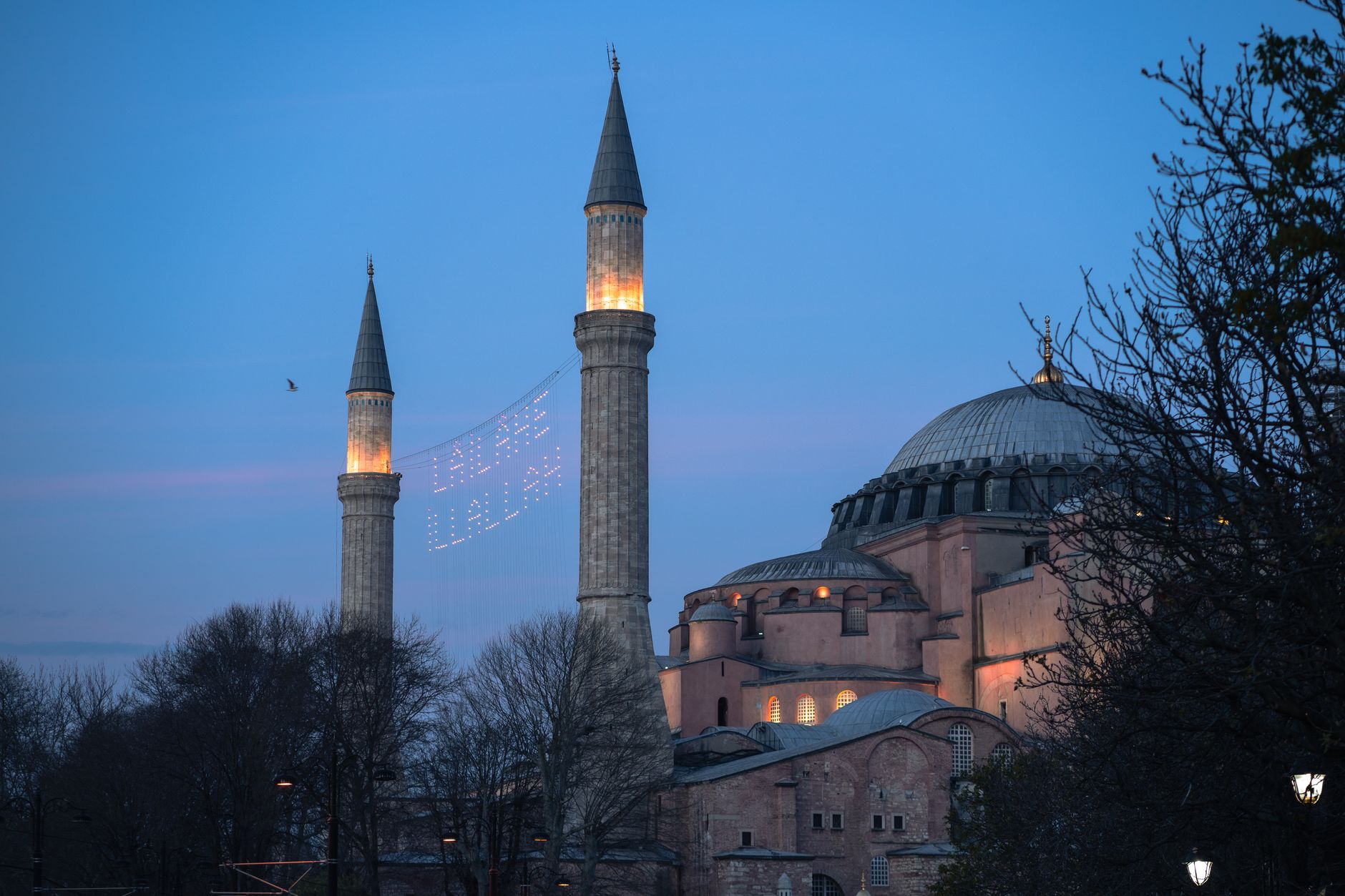
The safest place to buy is an official sales point: major museum ticket offices, official pass kiosks at high-traffic sites, and the ministry's authorized online portal. Buying at an official counter or verified website protects you from counterfeit cards and ensures activation support if something goes wrong.
At Istanbul's headline museums and at major sites such as Ephesus, Göreme and the Antalya Museum, staff can usually explain which pass tier fits your plans. If you are starting your trip in Istanbul, buying there is convenient and lets you activate immediately on your first visit.
Be cautious with third-party resellers. If a deal looks unusually cheap or the seller cannot provide an official receipt, walk away. The pass is designed to simplify your trip, not to create a dispute at the gate.
How to Activate and Use It
Activation rules depend on the pass type. Some cards activate on first use, while others require registration with your passport details at purchase or online. Carry your passport — many sites check it against the pass, especially for multi-day cards.
At each site, present the pass at the ticket window or scan it at the turnstile if the location supports direct entry. Keep the physical card or a clear digital copy accessible, and note that some sites still require a free timed-entry reservation even with a pass.
Plan around opening hours and prayer times at active mosques, and check whether a site has separate hours for winter and summer. A few minutes of planning each morning prevents wasted trips to closed gates.
Which Newly Added Sites Are Worth Prioritizing
Istanbul's historic peninsula remains the anchor. Use the pass for museum entries, then spend your saved budget on a Bosphorus ferry or a good meyhane dinner. The city rewards slow wandering, and the pass makes spontaneous stops possible.
The Ephesus corridor is a strong second priority. With expanded coverage in the region, you can pair the headline ancient city with nearby museums and smaller ruins that most travelers miss. Allow a full day, ideally starting early to beat heat and crowds.
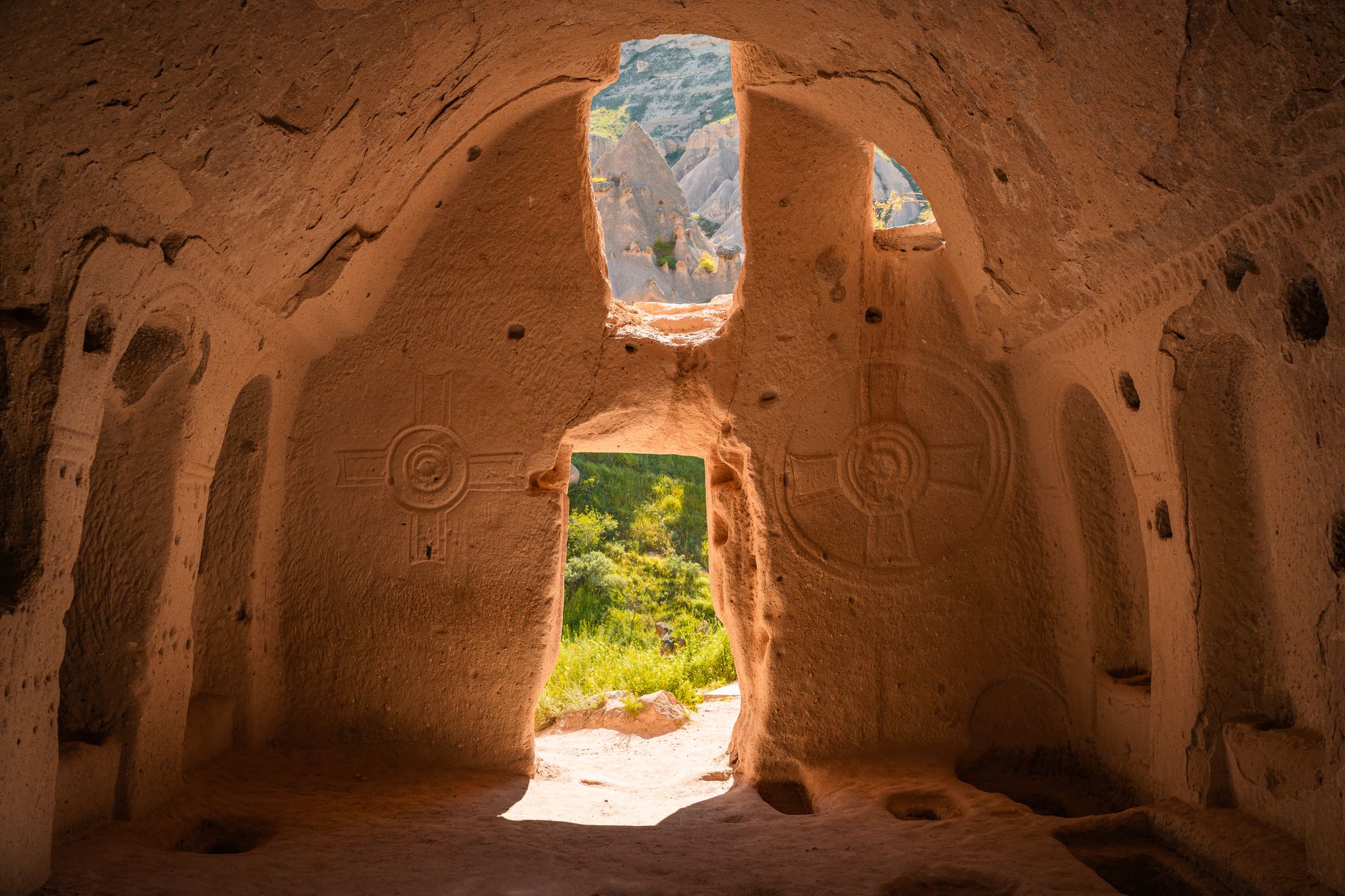
Cappadocia's underground and cave sites benefit enormously from pass coverage if you plan to see more than one. Combine a cave church or underground city with a regional museum for context before or after your balloon morning.
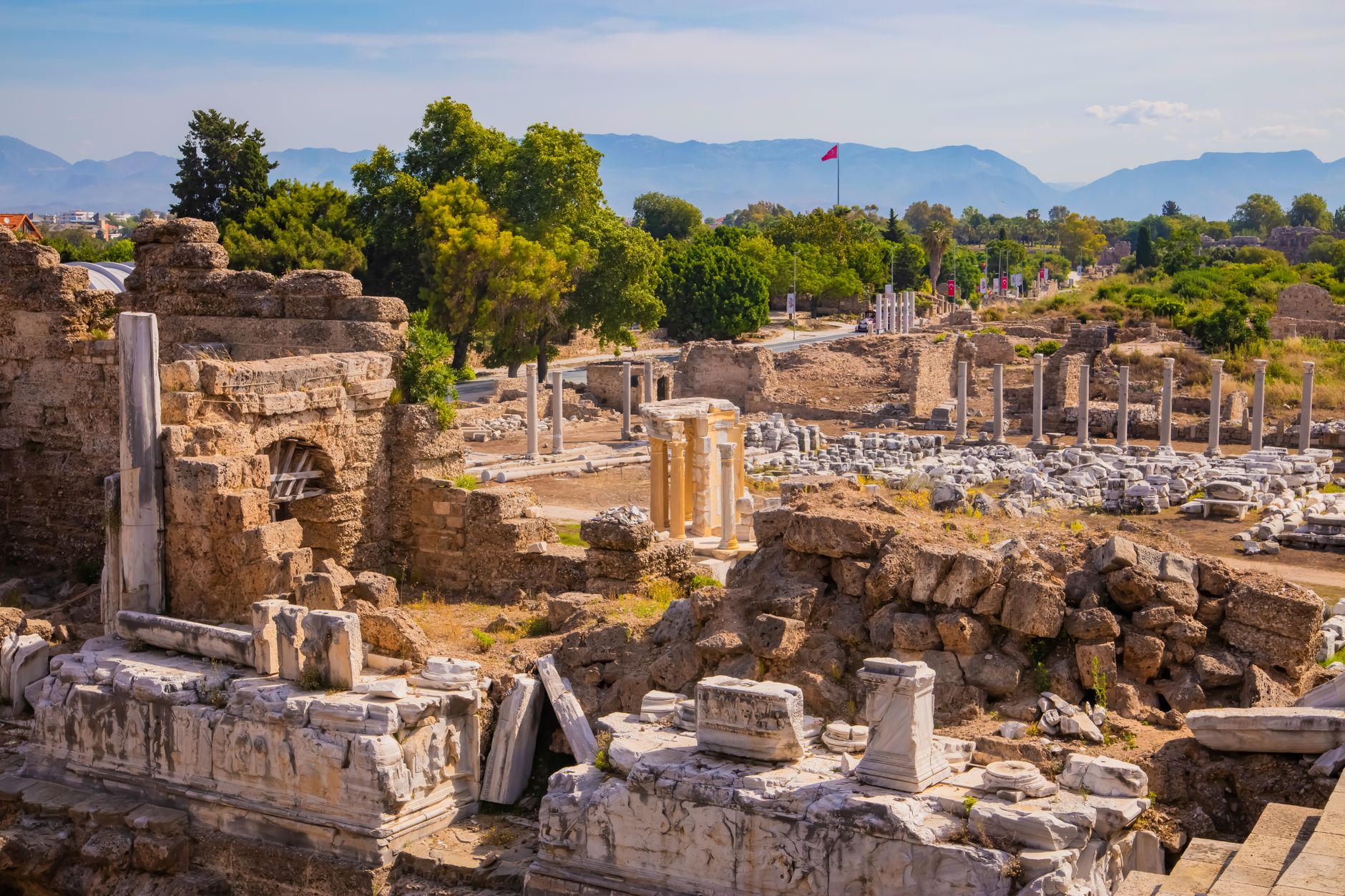
The Antalya and Lycian coast offers a mix of Roman ruins, harbors and museums. If you are driving the coast, the pass reduces the friction of stopping at smaller sites that would otherwise cost extra time and cash.
Practical Tips for Heritage Travelers
Do the math before you buy. If you plan to visit three or more covered sites, the pass usually pays for itself; if you only want one or two headline museums, individual tickets may be simpler. Check current pricing and validity periods on official ministry announcements, since these can change.
Build in buffer time. Heritage travel in Türkiye often means uneven terrain, midday heat and occasional restoration closures. A pass gives you flexibility, but it cannot override a site's schedule, so verify hours the day before.
Respect the places you visit. Many covered sites are active mosques or fragile archaeological areas. Dress modestly where appropriate, follow photography rules, and treat guards and staff with patience — they are the people keeping these places open for everyone.
Thinking about a trip to Turkey?
Share your contact details and a vetted local expert will follow up with a plan built around you — free, no obligation.