

Why Türkiye's Museum Shops Deserve a Place on Your Itinerary
Most travelers plan their days around ruins, mosques and coastlines — and then discover, somewhere between the ticket gate and the exit, that the museum shop is an experience in its own right. Türkiye's state and private museum shops have transformed over the past two decades. Where once there were dusty racks of postcards, you now find curated boutiques selling certified replica ceramics, hand-block-printed textiles, scholarly books, jewelry inspired by Anatolian archaeology and small-batch artisanal foods.
The appeal is simple: buying from a museum shop or a heritage gift boutique means your money flows toward institutions and craftspeople who conserve and continue Turkish cultural traditions. A tile replica from a museum associated with the Seljuk or Ottoman collections, a handwoven scarf from a boutique tied to a local weavers' cooperative, a translation of a Hittite text — these are souvenirs with a story and a provenance, not novelty trinkets.
This guide walks you through the standout shops at Ephesus and the Istanbul Archaeological Museums, introduces a handful of other heritage boutiques worth seeking out, and gives you practical tools for judging quality, understanding fair prices and getting fragile treasures home in one piece.
Ephesus: Small Boutiques, Big Treasures
The Ephesus Archaeological Museum Shop in Selçuk
Many visitors race through the ancient city of Ephesus and only later reach the excellent Ephesus Archaeological Museum in Selçuk, a short drive away. Do not skip the shop there. Its strongest category is faithful ceramic and marble reproductions — Artemis figurines, architectural fragments and sculptural pieces modeled on the museum's own holdings. Look for a printed or stamped certificate or an information card naming the atelier and confirming the piece is a licensed reproduction, not an original.
Textiles are the second highlight. Small woven goods, printed scarves and embroidered linens often come from cooperatives in the surrounding Aegean villages, and staff are usually happy to explain which pieces are locally made. Prices at museum-affiliated shops sit at the higher, fair end of the market — you are paying for provenance and quality control — but they remain reasonable when compared with gallery prices in Istanbul or abroad.
Around the Selçuk Bazaar
Outside the museum, the small bazaar streets of Selçuk hold family-run shops selling ceramics, leather and textiles. The best of these are transparent about origin: ask whether an item is hand-painted or transfer-printed, handwoven or machine-woven, and a good seller will show you the difference with pleasure. Visit in the shoulder months for a calmer browsing experience, and check our best-time guide if you are planning around weather and crowds.
Set a comfortable budget before you enter and treat the first shop as research. Comparing three or four sellers gives you a feel for the local price band, and the small shops know their neighbors' work — a useful informal authenticity check.
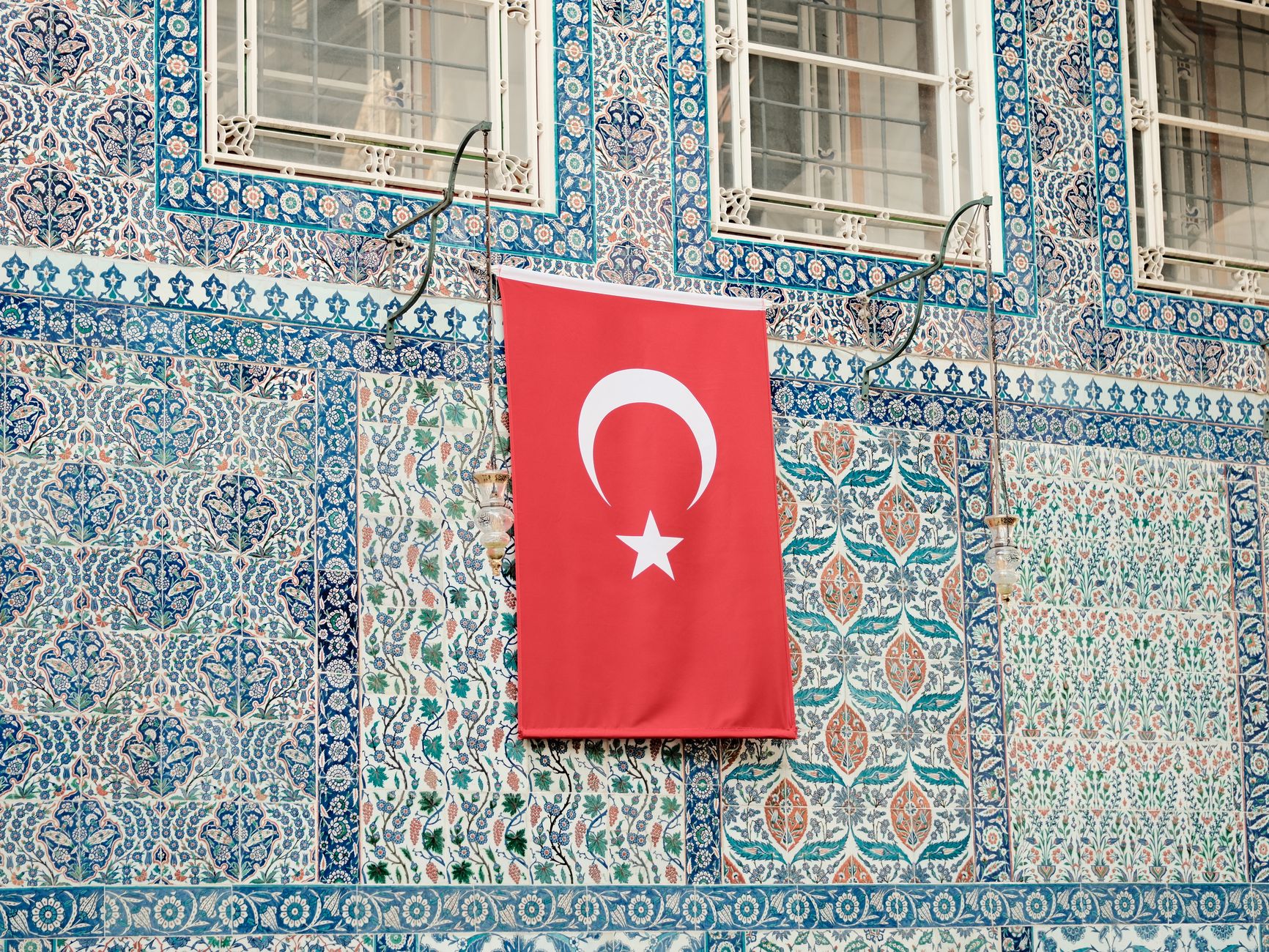
The Istanbul Archaeological Museums: A Scholar's Shopping List
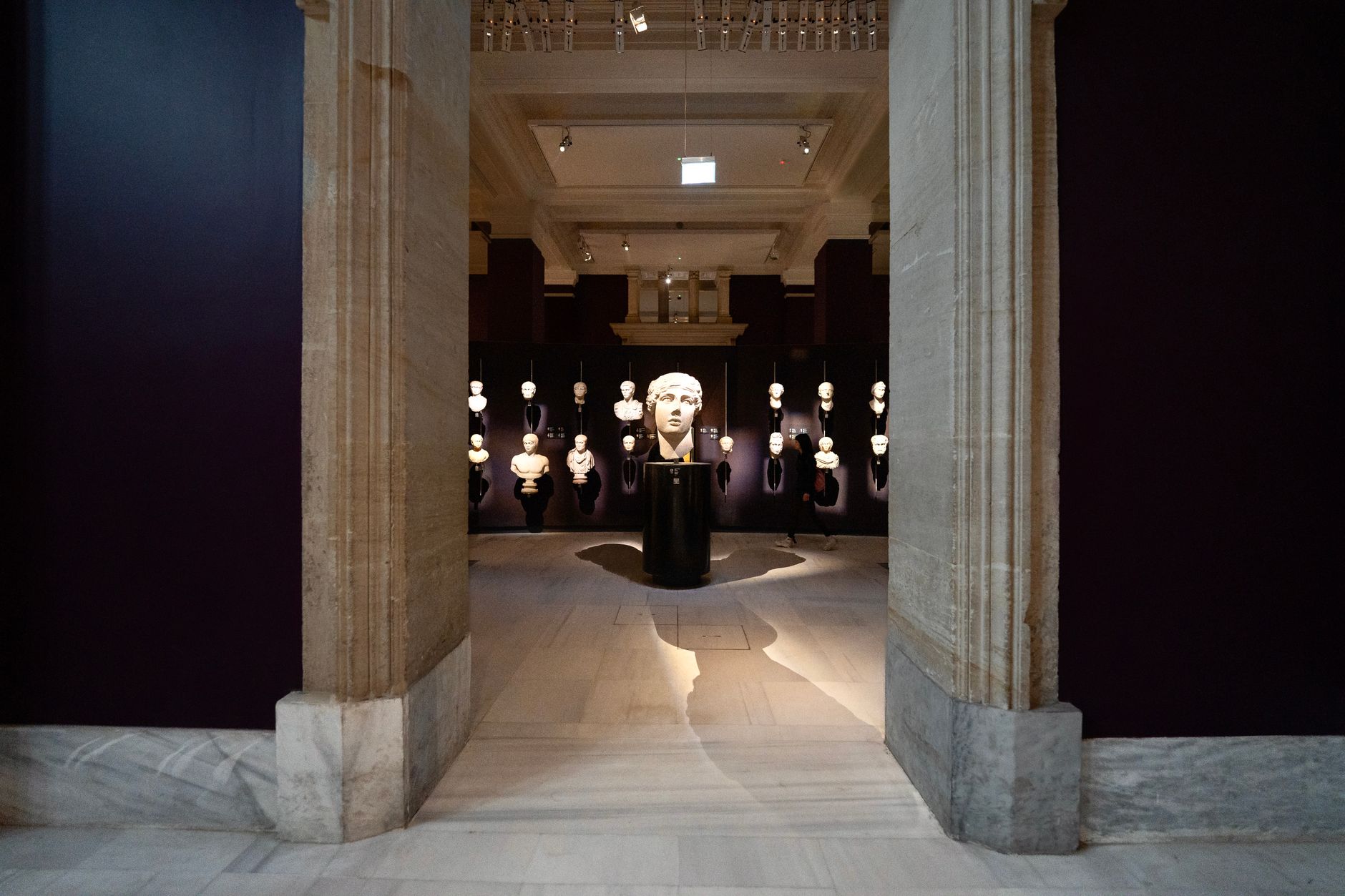
The shop at the Istanbul Archaeological Museums, beside Topkapı Palace, is the closest thing in Türkiye to a university-press bookstore combined with an archaeology boutique. Its book selection is exceptional: excavation reports, museum catalogues, art-history monographs and English-language guides to Anatolian civilizations from the Neolithic through Byzantium. If you love the ancient world, budget real time — and weight in your luggage — for books here.
Beyond books, expect high-quality replica pieces: casts and reduced models drawn from the museum's famous sarcophagi and statuary, ceramic tiles inspired by Iznik traditions, and jewelry referencing Anatolian motifs. The museum context matters. Items sold under a museum brand have generally passed a selection process, and many carry labels identifying the source object, which is gold for provenance-minded buyers.
Neighboring Heritage Boutiques
The lanes between Gülhane Park and Sultanahmet hold some of Istanbul's best craft boutiques — shops specializing in Iznik ceramics made with quartz-rich paste and hand-painted underglaze decoration, handwoven silk and cotton from Bursa and the Aegean, and contemporary jewelry by Turkish designers. Ask whether the ceramic was made in Iznik itself; several ateliers there still fire traditional pieces, and a good shop will happily tell you the town of origin.
Around the Grand Bazaar and in the quieter hans of Eminönü, similar quality exists at wildly varying prices. The bazaar rewards knowledge more than luck, so read on for the quality checks below — and if you want help structuring a craft-focused itinerary, our guides and itineraries can point you in the right direction.
Other Heritage Shops Worth a Detour
Ankara's Museum of Anatolian Civilizations shop is a small gem, with replica Hittite and Phrygian objects, seals and careful reproductions that reward anyone fascinated by Bronze Age Anatolia. In Konya, shops connected to the Mevlana Museum concentrate on calligraphy, whirling-dervish motifs, books on Sufism and refined textiles — pieces with genuine cultural weight rather than tourist clichés.
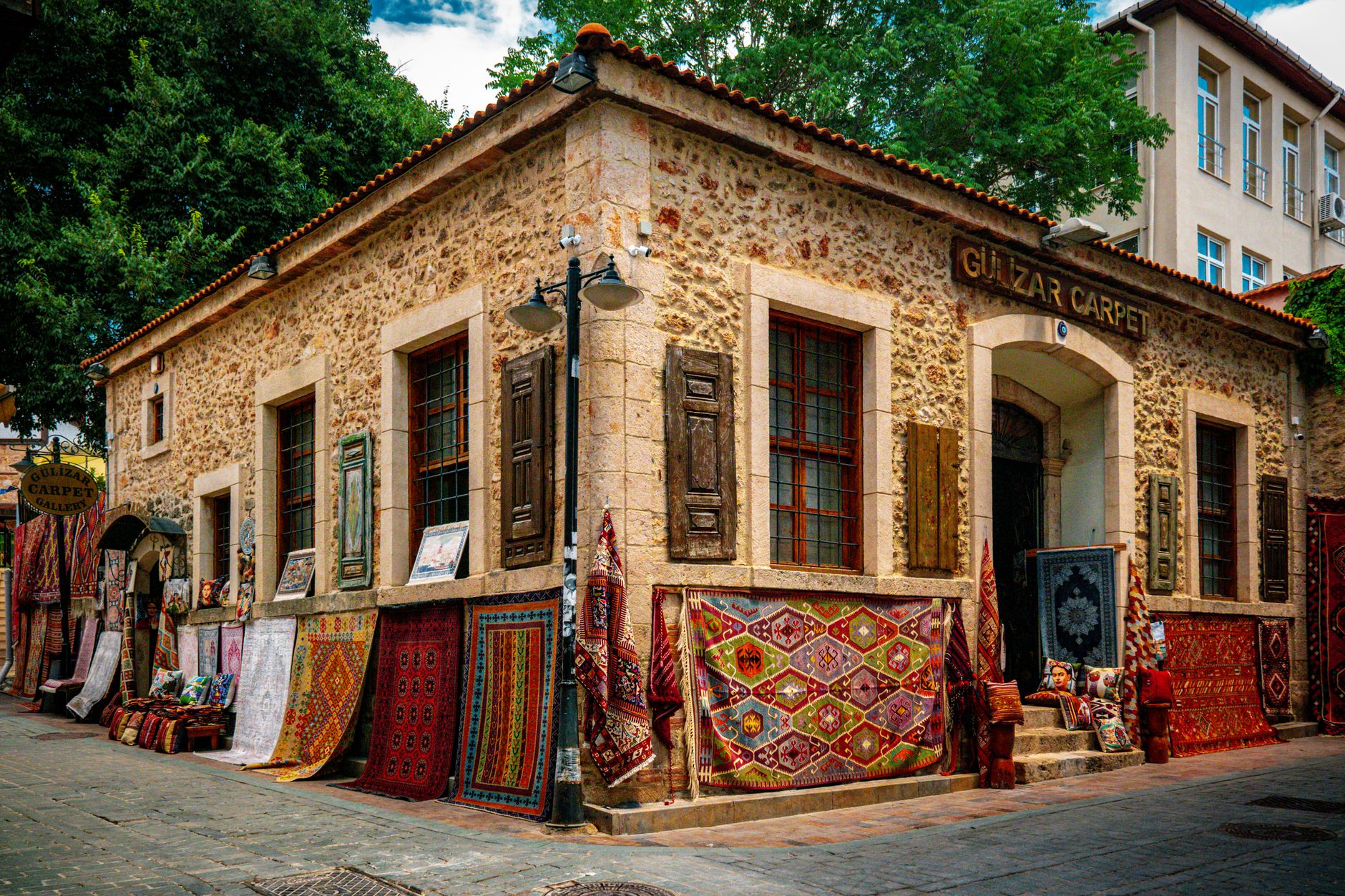
İzmir, Antalya, Gaziantep and Şanlıurfa all have museum shops whose stock reflects local archaeology and craft. Gaziantep's copper and textiles, and Urfa's mosaic-inspired pieces, are regional specialties you will not find better elsewhere. In Cappadocia, boutique shops sell hand-knotted carpets and kilims with written provenance and cooperative backing — a far cry from the high-pressure salesrooms.
Wherever you go, heritage gift boutiques attached to foundations or cooperatives — some supporting women's weaving initiatives or traditional craft revival — are usually excellent value and ethical choices. Ask who made the piece. The answer tells you a great deal about what you are buying.
How to Judge Quality, Authenticity and a Fair Price
Start with the label. Certified reproductions from museum shops typically state the source object, the material, the maker or atelier and sometimes a license number. Handmade ceramics show slight variations in brushwork and glaze pooling; perfectly identical pieces with razor-sharp transfer patterns are printed, which is fine — but the price should reflect it. For textiles, look at the selvedge (the finished edge of the fabric), turn the piece over, and check whether the back of the embroidery is nearly as tidy as the front. Handwoven cloth has tiny irregularities; machine cloth has none.
Ask direct, friendly questions: Is this handmade? Where was it made? What is it made of? Can you show me the difference between these two? Sellers in reputable shops welcome this. Beware of pieces labeled with world-famous names far beyond what the price could justify — a genuine hand-knotted silk carpet costs accordingly, and a shop that insists otherwise is not being straight with you.
Pricing logic helps you stay calm. Museum shops and cooperative boutiques use fixed prices reflecting quality and provenance; negotiating is not expected. In bazaars, bargaining is normal and good-humored, but only makes sense for non-certified goods. As a rule, a fair price lets the artisan, the shop and the museum or cooperative all survive — that is the point of buying heritage. Budget generously for books and certified replicas, and enjoy the small inexpensive pleasures: postcards, bookmarks, seeds and packaged regional foods.
Packing and Shipping Your Finds Home Safely
Ceramics and books travel best when you plan for them. Ask museum shops to wrap purchases in bubble wrap and double-box small items; many will do this at no charge. For fragile pieces, carry them in your hand luggage surrounded by soft clothing. Before you buy a large ceramic, weigh it against airline cabin restrictions — and consider whether the shop offers insured international shipping, which most established boutiques do and which is often worth the cost for a centerpiece.
Textiles are your easiest wins: they are light, resilient and pack flat. Roll carpets and kilims rather than folding them, and request a travel certificate or receipt for larger pieces; this helps with customs and with any insurance claim. Keep all receipts together for customs declarations on high-value items.
Books are heavy — if you fall in love with a shelf of archaeology titles at the Istanbul Archaeological Museums, ask about shipping or check whether an e-book or smaller edition exists. For a full pre-departure checklist, see our travel tools and FAQ pages, and remember that Turkish customs and your home country's import rules apply to both purchases and gifts.
Ethical, Joyful Shopping: Supporting Turkish Artisans
Buying thoughtfully is a positive act. Every certified replica, handwoven scarf and locally made ceramic supports the workshops, cooperatives and families sustaining Turkish craft traditions — and the museum shops that sell them fund conservation and education. You are not just taking home an object; you are part of a chain of care that stretches from a village loom or Iznik kiln to a museum vitrine.
Approach each purchase with curiosity rather than suspicion. The overwhelming majority of sellers are proud of their work and delighted to explain it, and the stories you hear will become part of the souvenir's value. Choose fewer, better things: a single beautiful reproduction, a hand-printed textile, a book you will actually read. Over years, these quietly become the most meaningful objects in your home.
For help weaving museum and boutique visits into a wider Turkish journey, our trip planner, routes and local experts are there when you need them. Happy browsing — and may your suitcase come home heavier, and your memories richer.
Thinking about a trip to Turkey?
Share your contact details and a vetted local expert will follow up with a plan built around you — free, no obligation.