

Why Türkiye's Museums Are a Journey Through Time
Türkiye is often described as a bridge between continents, but it's also a bridge between eras. From the Neolithic settlements of Çatalhöyük to the Byzantine splendour of Constantinople, this land has been home to some of humanity's most remarkable civilisations. The country's museums are not dusty repositories of old stones; they are vibrant storytellers that bring these lost worlds to life.
In this guide, we'll explore three of Türkiye's greatest museum experiences: the Istanbul Archaeology Museums, the Museum of Anatolian Civilisations in Ankara, and the Zeugma Mosaic Museum in Gaziantep. Each offers a unique lens on the past, and together they form an essential trilogy for any culturally curious traveller. We'll also show you how to combine each museum with nearby sites to create a richer, more immersive journey.
Whether you're a history buff, an art lover, or simply someone who enjoys wondering at human ingenuity, these museums will leave you inspired and eager to learn more.
Istanbul Archaeology Museums: The Imperial Collection
Located in the heart of Sultanahmet, just steps from Topkapi Palace, the Istanbul Archaeology Museums are a treasure trove of artefacts from across the ancient world. The complex comprises three main buildings: the Archaeology Museum, the Museum of the Ancient Orient, and the Tiled Kiosk Museum. Together, they house over a million objects spanning Anatolia, Mesopotamia, Egypt, and the classical Mediterranean.
What does this museum do best? It excels at context. Here you'll find the magnificent Alexander Sarcophagus, a Hellenistic masterpiece once thought to belong to Alexander the Great himself, adorned with vivid battle scenes. The Sidon sarcophagi, the Lycian tomb, and the poignant Tabnit Sarcophagus (an Egyptian priest-king) are all displayed with careful attention to their original settings. The Museum of the Ancient Orient showcases the Treaty of Kadesh, one of the world's earliest peace treaties, signed between the Hittites and Egyptians. Meanwhile, the Tiled Kiosk offers a stunning collection of Seljuk and Ottoman tiles that will delight design enthusiasts.
To make the most of your visit, pair the museum with a stroll through the nearby Topkapi Palace and Hagia Sophia. These sites provide the political and religious backdrop to the artefacts you've just seen. For an even deeper dive, take a short tram ride to the Chora Church, where Byzantine mosaics and frescoes rival anything in Ravenna.
Practical Tips for Istanbul
- Visit on weekdays to avoid crowds; the museum is open daily except Mondays.
- Purchase the Museum Pass Istanbul for discounted entry to multiple sites.
- Allow at least three hours to explore all three buildings properly.
- Don't miss the ancient orient section, often overlooked by hurried visitors.
Museum of Anatolian Civilisations, Ankara: The Cradle of Civilisation
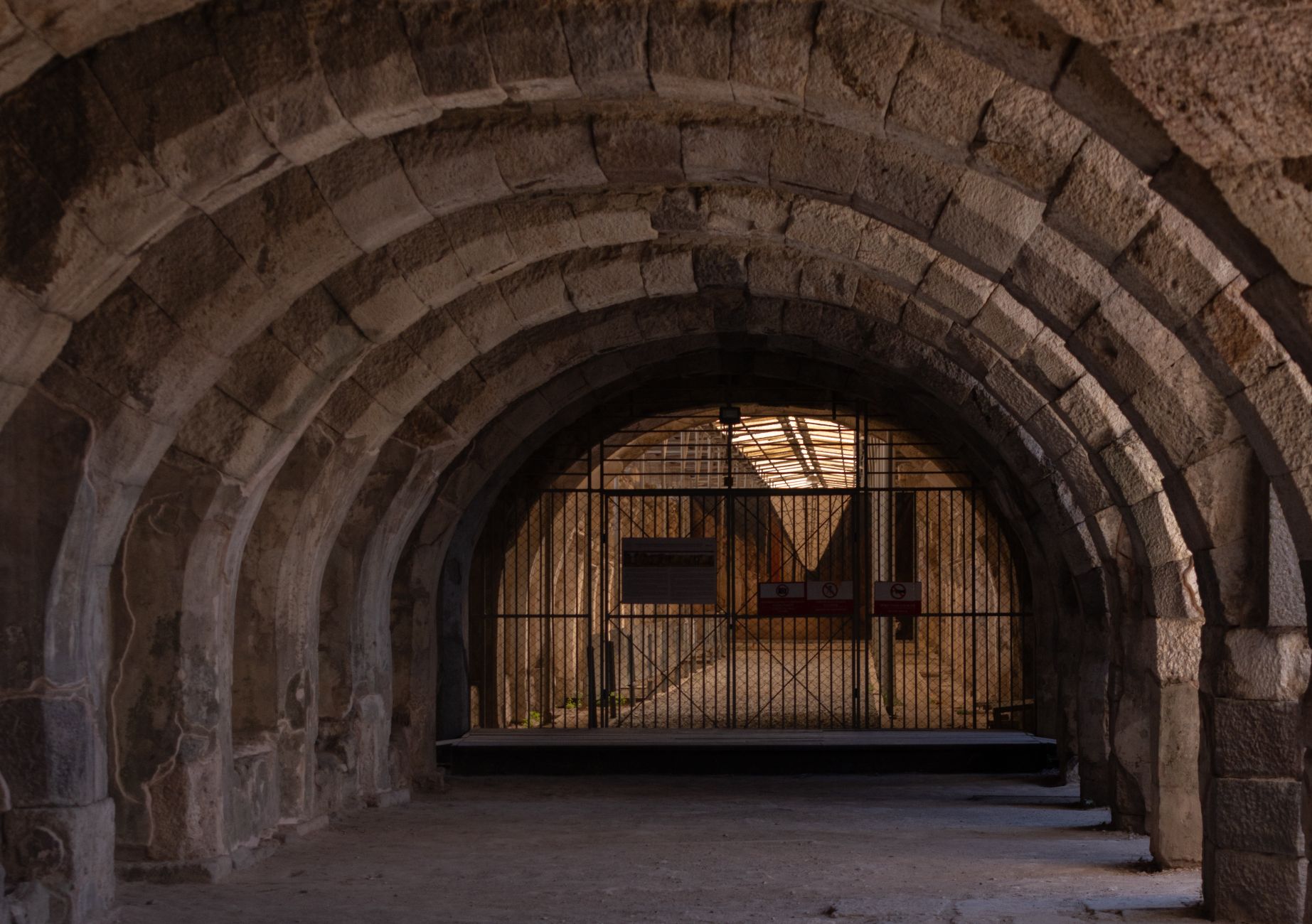
While Istanbul dazzles with imperial grandeur, Ankara's Museum of Anatolian Civilisations tells a more primal story: the story of Anatolia itself. Housed in a restored Ottoman caravanserai and covered bazaar, this museum is widely considered one of the best in the world for its collection of Anatolian artefacts. It's a must-visit for anyone seeking to understand the roots of Turkish culture.
The museum's strength lies in its chronological sweep. You'll journey from the Palaeolithic era through the Neolithic, Chalcolithic, Bronze Age, Hittite, Phrygian, Urartian, and Lydian periods, all without leaving the building. Highlights include the striking mother goddess figurines from Çatalhöyük, dating back to 6000 BCE; the royal tombs of Alaca Höyük with their intricate sun discs; and the massive Hittite reliefs from the gates of Alaca Höyük and Boğazkale. The Phrygian section, with its geometric pottery and bronze cauldrons, is particularly atmospheric.
What sets this museum apart is its ability to connect the dots. You'll see how Anatolian civilisations influenced one another and how they laid the groundwork for later Greek, Roman, and Byzantine cultures. It's a place that rewards slow, thoughtful exploration.
Combine with Nearby Sites
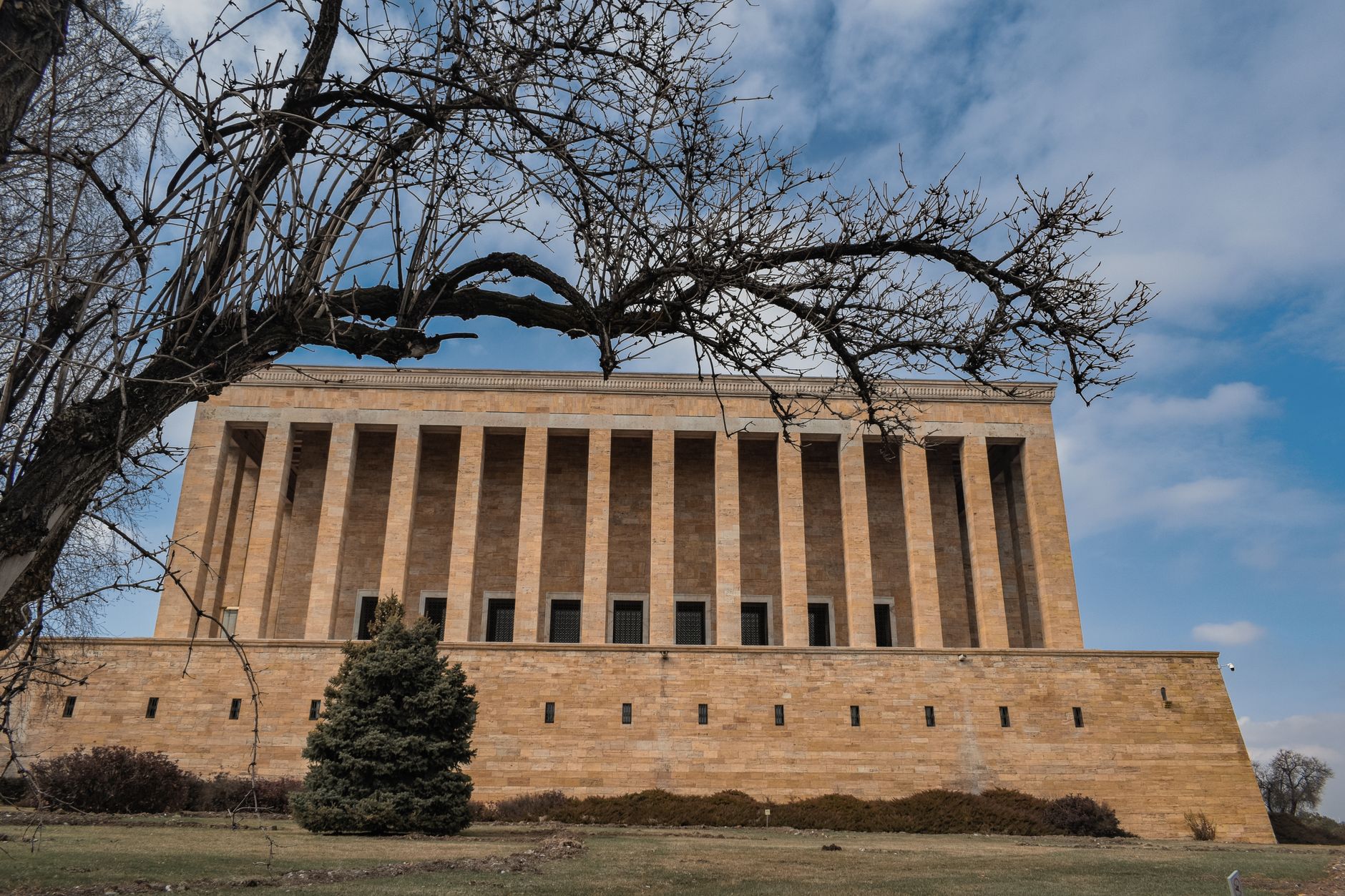
Ankara itself is often bypassed by travellers rushing to Cappadocia or Istanbul, but it's worth a day or two. After the museum, visit the Anıtkabir, the monumental mausoleum of Mustafa Kemal Atatürk, which offers sweeping views of the city. For ancient history enthusiasts, a day trip to the Hittite capital of Hattuşa (Boğazkale) is essential; the museum's artefacts will come alive as you walk through the Lion Gate and the Great Temple. If you have more time, the Phrygian Valley and the city of Gordion (where Alexander cut the Gordian Knot) are within reach.
Zeugma Mosaic Museum, Gaziantep: A Mosaic Wonderland
In southeastern Türkiye, near the Syrian border, lies Gaziantep, a city famed for its pistachios, baklava, and one of the most spectacular mosaic collections in the world. The Zeugma Mosaic Museum, which opened in 2011, houses mosaics rescued from the ancient city of Zeugma, which was partially flooded by the Birecik Dam in the 1990s. The rescue efforts were a race against time, and the result is a museum that feels both triumphant and poignant.
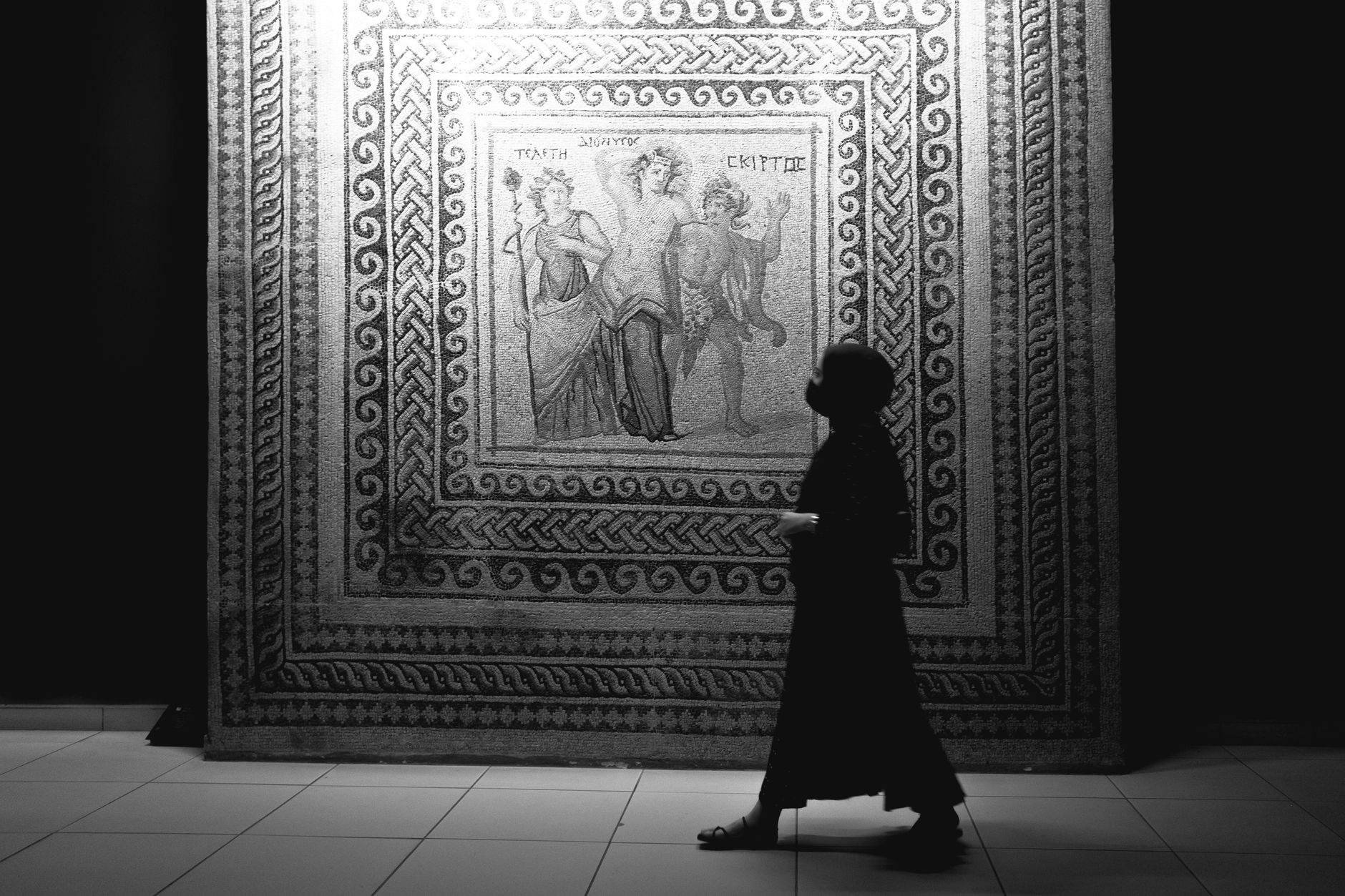
The museum's showpiece is the hauntingly beautiful 'Gypsy Girl' mosaic, whose eyes seem to follow you around the room. But there's so much more: intricate floor mosaics depicting mythological scenes, portraits, and geometric patterns that once adorned the villas of wealthy Roman citizens. The museum's design allows you to view the mosaics from multiple angles, including elevated walkways, so you can appreciate the craftsmanship up close. Interactive displays and a dark, atmospheric lighting scheme make the experience feel almost cinematic.
What does this museum do best? It conveys the sheer luxury and sophistication of Roman Zeugma, a city that was a crossroads of trade and culture. The mosaics are not just decorative; they are windows into the daily lives, beliefs, and aesthetics of people who lived two millennia ago.
Combine with Nearby Sites
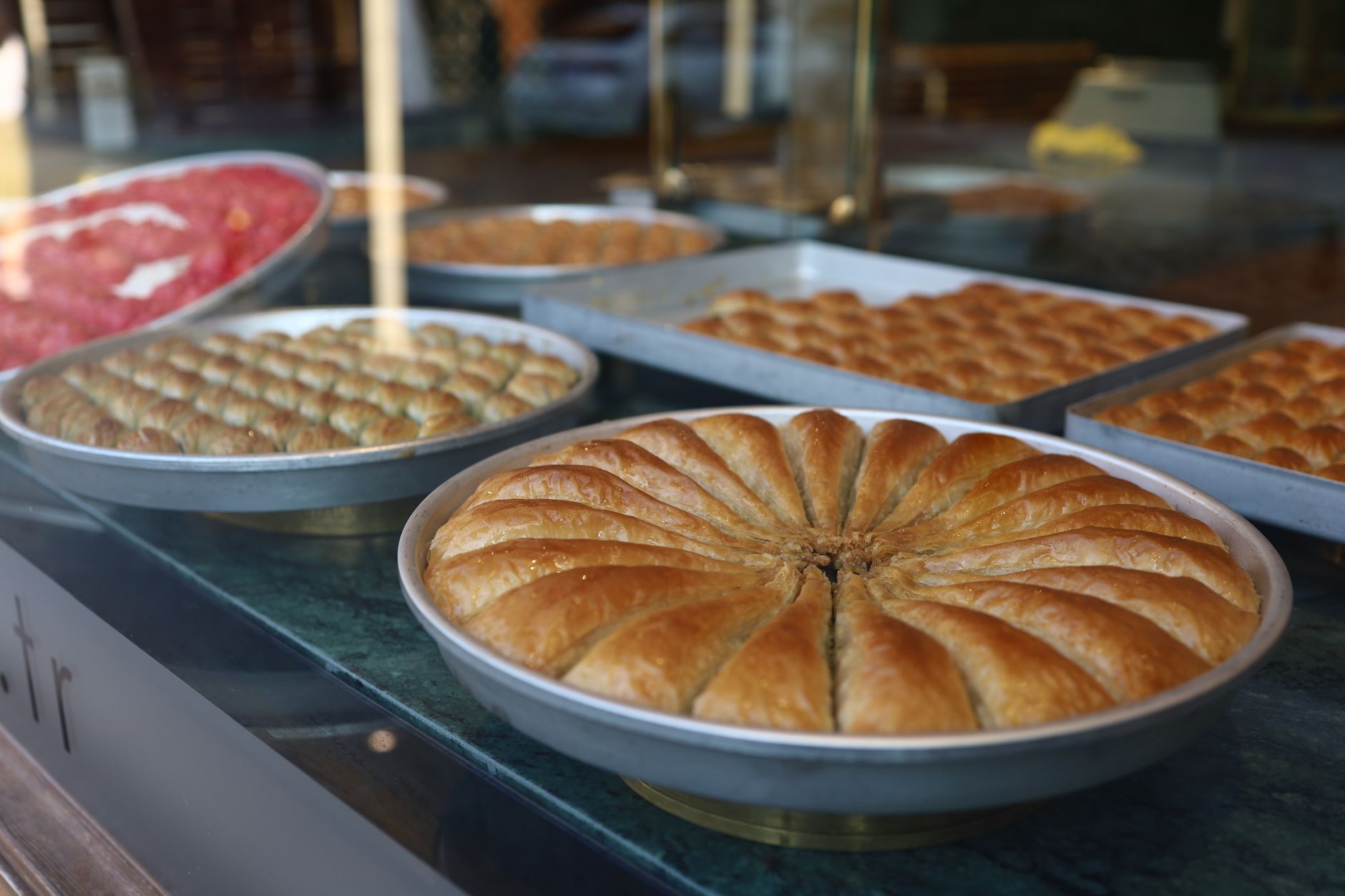
Gaziantep is a destination in its own right. After the museum, explore the Gaziantep Castle, the Zeugma Mosaic Museum's neighbour, which houses a panoramic view of the city. Then dive into the bustling markets, where you can sample the world's best baklava and buy copperware and textiles. For more ancient wonders, take a day trip to the ancient city of Zeugma itself, where you can see the ongoing excavations and the remains of villas that weren't submerged. The nearby town of Halfeti, with its half-submerged minaret and boat tours, offers a surreal contrast between ancient and modern.
How to Combine These Museums into One Epic Trip
While each museum is a destination in itself, combining them into a single itinerary creates a narrative arc that spans millennia. Start in Istanbul, where the Archaeology Museums set the stage with their classical and Near Eastern treasures. Spend a few days exploring the city's other wonders, then take a high-speed train or a short flight to Ankara. After immersing yourself in Anatolian civilisations, continue east to Gaziantep, perhaps via a flight or a scenic train journey.
This route allows you to see how cultures overlapped and evolved. The Hittite artefacts in Ankara connect to the Mesopotamian pieces in Istanbul, while the Roman mosaics in Gaziantep echo the classical sculptures you saw in Istanbul. It's a journey that deepens your understanding of Türkiye's layered history.
For logistics, consider purchasing a Türkiye Museum Pass, which covers many museums and archaeological sites. Domestic flights are affordable and save time; alternatively, the train network is expanding and offers comfortable rides. Allow at least two weeks for this trip to do it justice.
Final Thoughts: Why These Museums Matter
Museums are more than repositories; they are storytellers that connect us to our shared human heritage. In Türkiye, these three museums stand out not just for their collections but for their ability to transport you across time. They remind us that Anatolia was never a backwater; it was a cradle of innovation, art, and power.
So when you plan your next trip to Türkiye, don't just visit the beaches and bazaars. Make time for these museums. Let the Alexander Sarcophagus, the Çatalhöyük goddess, and the Gypsy Girl mosaic work their magic. You'll come away with a richer appreciation of a land that has witnessed the rise and fall of empires—and a deeper connection to the human story.
Thinking about a trip to Turkey?
Share your contact details and a vetted local expert will follow up with a plan built around you — free, no obligation.