
A Record Year for Türkiye's Heritage Sites
Türkiye's museums and archaeological sites have closed the season with record visitor numbers, confirming what travelers have long suspected: few countries on earth offer a cultural heritage portfolio this deep. From Roman cities on the Aegean coast to Neolithic temples in the southeast, the country's open-air and indoor collections drew crowds at levels never seen before.
The milestone reflects years of steady investment in excavation, restoration, interpretation and visitor infrastructure. New walkways, shaded rest areas, digital audio guides and improved ticketing have made even the largest sites easier to navigate — and easier to enjoy.
For travelers, the message is simple and proud: the world is rediscovering Türkiye's heritage, and there has rarely been a better moment to see it for yourself.
Why Visitors Keep Coming Back
The appeal is breadth. Few destinations can move you from the marble streets of Ephesus to the 11,000-year-old pillars of Göbeklitepe within a single itinerary, then add Byzantine mosaics, Seljuk caravanserais and Ottoman palaces along the way.
Türkiye's museums have also raised their game. Site museums now use thoughtful lighting, clear timelines and multilingual labels, while many archaeological parks have added accessible paths and family-friendly interpretation. The result is heritage that feels alive rather than roped off.
Add warm hospitality, excellent food and a transport network that links major sites by air, rail and road, and it is easy to see why heritage travel here keeps setting new records.
Making the Most of the Museum Pass
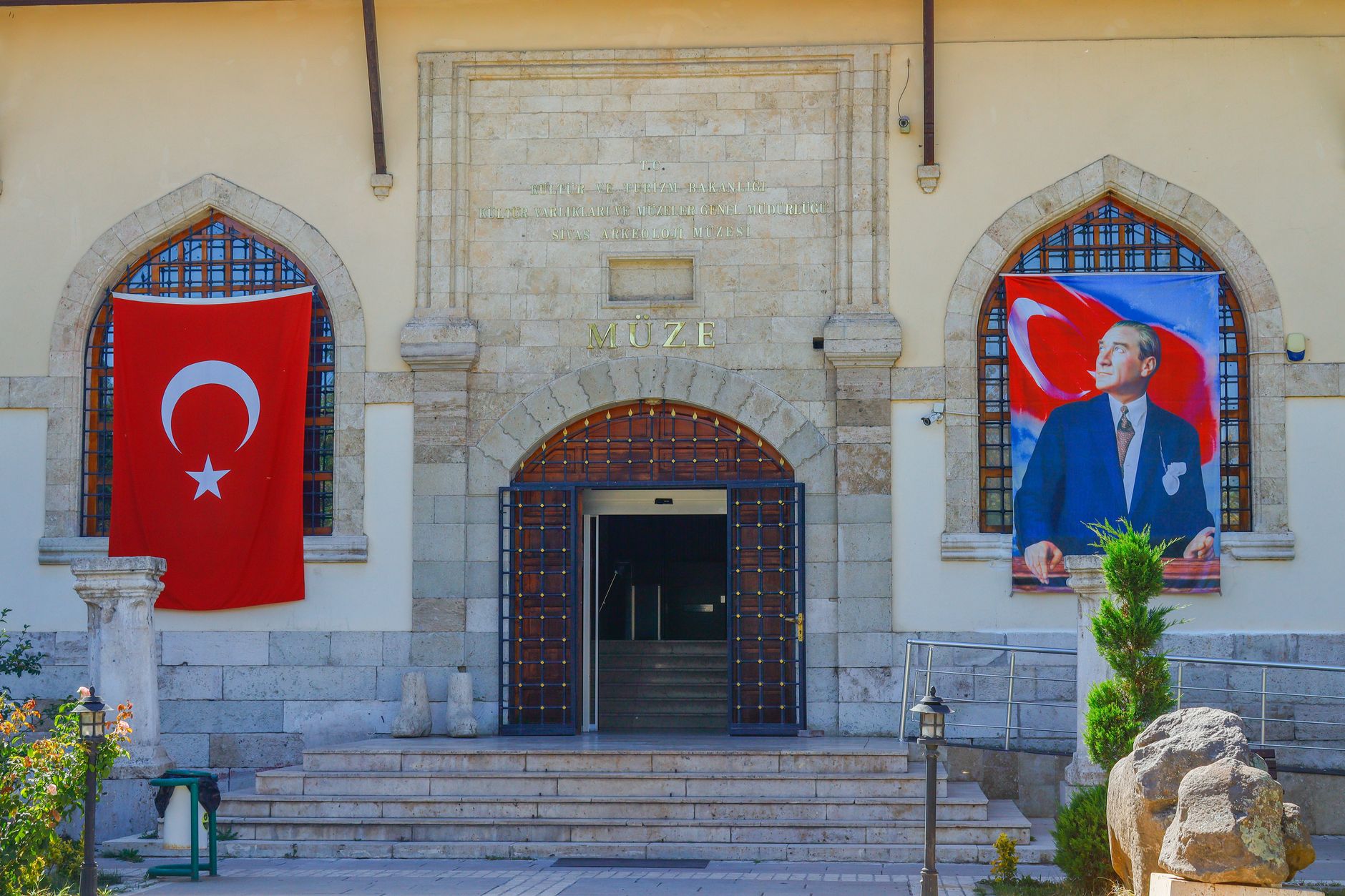
The Museum Pass remains the smartest tool for culture-heavy trips. Available in nationwide and regional versions, it typically grants entry to a wide list of affiliated museums and sites, often letting you skip ticket queues and spread visits over several days.
Practical tips: buy the pass at your first major site or online before you travel, check which sites in your planned region are included, and keep it handy on your phone. If you plan to visit several paid sites in one province, the regional pass usually pays for itself within two or three stops.
- Buy before you arrive where possible to avoid first-day queues.
- Check opening days — many museums close one day a week or have reduced winter hours.
- Keep your pass and ID together; some sites check both at entry.
Ephesus: Beating the Crowds
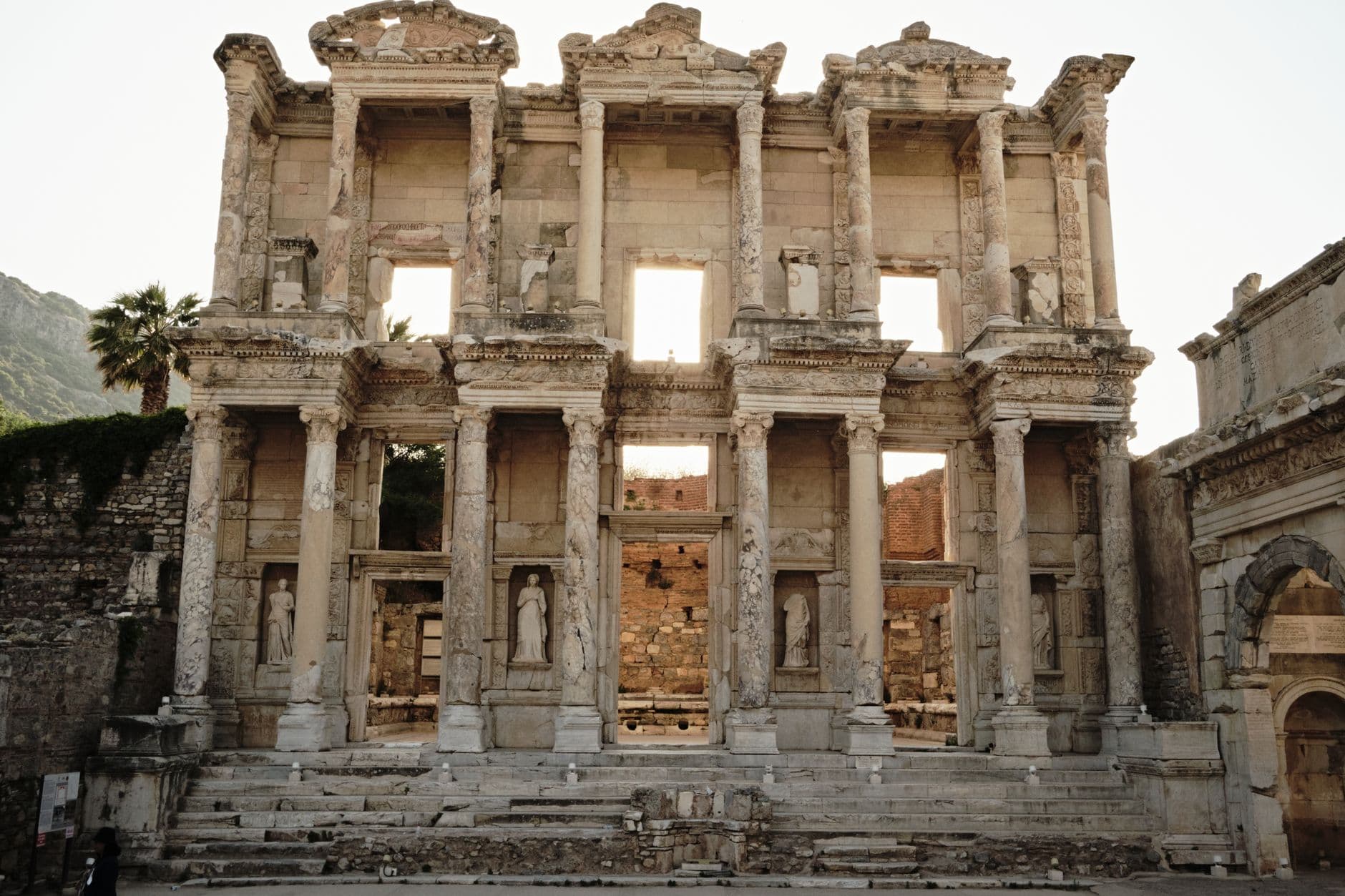
Ephesus is Türkiye's headline ancient city, and with record numbers it rewards a little planning. Arrive at opening time, when light is soft and the Library of Celsus is nearly empty. Late afternoon offers a second quiet window, especially outside midsummer.
Consider entering through the upper gate and walking downhill to the lower exit — a smoother route that many guided groups avoid early in the day. The Terrace Houses, with their preserved frescoes and mosaics, are worth the small extra ticket and are usually calmer than the main street.
Nearby, the Ephesus Archaeological Museum in Selçuk and the hillside House of the Virgin Mary make an easy half-day add-on. Base yourself in Selçuk or Kuşadası and use early mornings for the headline sights.
Göbeklitepe and the Southeast's Deep Past
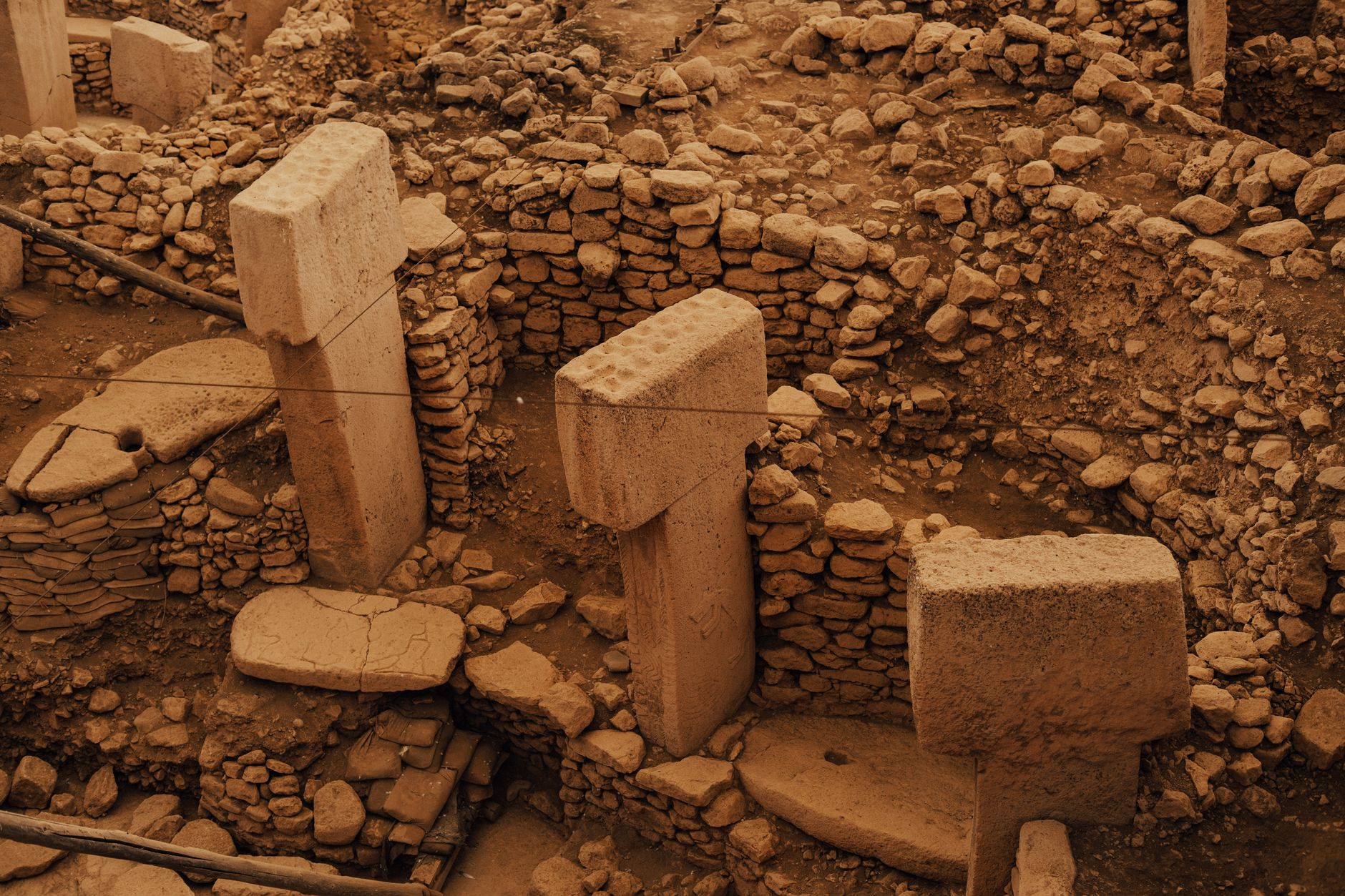
Göbeklitepe, the Neolithic sanctuary that rewrote the story of early religion, continues to draw travelers to Şanlıurfa. The site's covered visitor center and raised walkways keep the experience comfortable, and the on-site museum puts the carved pillars in context.
Go early in the day, when temperatures are kinder and tour buses have not yet arrived. Pair the visit with Şanlıurfa's archaeology museum, the pools of Balıklıgöl and the old bazaars for a full, rewarding day.
Beyond Urfa, the southeast rewards slow travel: Mount Nemrut at sunrise, the mosaics of Zeugma in Gaziantep, and the ancient streets of Mardin. Allow extra days — this is a region best savored.
Quieter Times and Smarter Timing
Records don't mean every hour is crowded. Spring and autumn bring mild weather and manageable numbers, while the shoulder weeks of late April and October are especially pleasant. Midday in July and August is best reserved for indoor museums and shaded courtyards.
Weekdays are generally calmer than weekends at popular sites, and the first hour after opening is almost always the best. Check official opening hours before you go, as many sites adjust schedules seasonally.
For itinerary ideas that balance headline monuments with quieter gems, explore our itineraries and destination guides. If you want help mapping out dates and passes, our trip planner and best-time guide are good places to start — and our local experts can tailor a heritage route to your pace.
A Golden Moment Worth Sharing
Record visitor numbers are more than a statistic. They signal that Türkiye's investment in heritage — from conservation labs to visitor centers — is paying off, and that travelers recognize the country as one of the world's great cultural destinations.
Go with curiosity and respect: stay on marked paths, follow site rules, and support local guides and museums. Book passes and accommodation early in peak season, but leave room for spontaneous detours.
Whether it's your first visit or your fifth, Türkiye's museums and ancient sites are enjoying a golden moment. Join it — and see why the world keeps coming back.
Thinking about a trip to Turkey?
Share your contact details and a vetted local expert will follow up with a plan built around you — free, no obligation.