

Şanlıurfa: Where the World's Oldest Temple Still Surprises
In the rolling plains of Şanlıurfa, southeastern Türkiye, archaeologists have announced a series of new discoveries around Göbeklitepe that are rewriting the story of human civilization. The finds—including fragments of carved stone pillars, bone tools, and possible ritual deposits—date back roughly 11,500 years, placing them among the oldest known monumental structures on Earth.
For travelers, this is more than academic news. It is an invitation to stand at the very spot where hunter-gatherers first built temples before they built cities. Göbeklitepe, a UNESCO World Heritage Site since 2018, continues to astonish experts, and the surrounding region is emerging as a must-visit destination for anyone fascinated by the origins of civilization.
Local guides in Şanlıurfa are already buzzing with excitement, eager to share the latest findings and the stories they illuminate. "Every season, the earth here gives us something new," says Mehmet, a certified guide who has led tours at Göbeklitepe for over a decade. "It's like the site is speaking to us across millennia."
New Finds at Göbeklitepe's Region: What Archaeologists Are Uncovering
The recent excavations, conducted by a joint Turkish-German team, focused on areas adjacent to the main enclosure at Göbeklitepe. Among the highlights: a fragment of a T-shaped pillar bearing a previously unknown animal motif, possibly a leopard or aurochs, and a cache of grinding stones and ochre that suggest ritual painting.
Nearby, at the sister site of Karahantepe, ongoing work has revealed a human statue with a distinctive facial expression, dated to the same Neolithic period. Together, these discoveries reinforce the theory that the region was a ceremonial hub long before agriculture took hold.
Experts believe further digs will uncover even more. "We are only scratching the surface," says Dr. Aslı Erim, an archaeologist involved in the project. "Göbeklitepe is not an isolated temple; it's part of a landscape of belief."
"The more we dig, the more we realize how sophisticated these ancient people were. They were not primitive; they were pioneers."
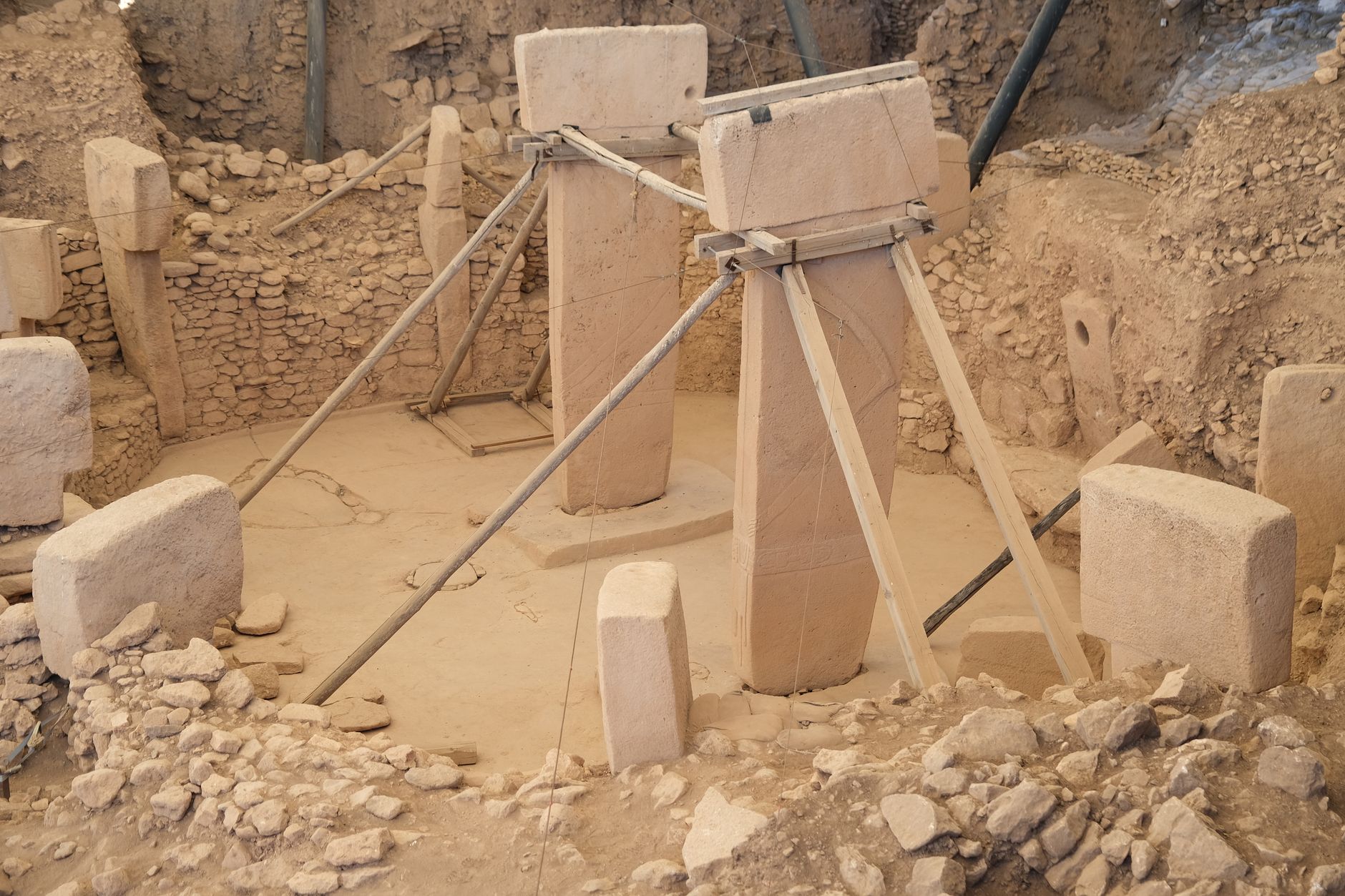
Visiting Göbeklitepe: Practical Tips for an Unforgettable Experience
Göbeklitepe is located about 15 kilometers northeast of Şanlıurfa city center. The site is open daily from 8:30 AM to 5:00 PM (extended hours in summer). Entry costs 300 TL for foreigners, but the Museum Pass Türkiye offers better value if you plan to visit multiple sites.
The visitor center includes a short film and a small exhibit, but the real magic is the wooden walkway that circles the excavated enclosures. To avoid the heat and crowds, arrive early in the morning or late afternoon. Wear comfortable shoes, bring water, and remember that the path is wheelchair accessible.
Hiring a local guide is highly recommended. Not only do they bring the stones to life with stories, but they also know the best angles for photos and can explain the latest discoveries in context. Many guides speak English, German, and Arabic.

Museum Highlights: Şanlıurfa Archaeology Museum
Before or after visiting Göbeklitepe, do not miss the Şanlıurfa Archaeology Museum, one of the largest in Türkiye. It houses a stunning collection from the Neolithic period, including the famous "Urfa Man," a 12,000-year-old statue considered the world's oldest known life-size human sculpture.
The museum's Göbeklitepe section features a full-scale replica of Enclosure D, allowing visitors to see the pillars up close without the crowds. Interactive displays and multilingual panels make it accessible for all ages. The museum also covers later periods, from the Hittites to the Romans, but the Neolithic galleries are the star.
Allow at least two hours here. The on-site café serves decent Turkish coffee, and the gift shop has excellent books on the region's archaeology.
Savoring Şanlıurfa: Culinary Delights Near the Sites
Şanlıurfa is not just a gateway to the past; it is also a culinary paradise. The city is famous for its kebab, particularly the Urfa kebab, which is less spicy than its Adana cousin and packed with flavor. Try it at one of the historic restaurants in the old bazaar.
Other must-tastes include çiğ köfte (a meatless version made with bulgur and spices), içli köfte (stuffed bulgur balls), and the refreshing şalgam (turnip juice). For dessert, indulge in şıllık, a crispy sugar syrup pastry, or the local pistachio baklava.
Many tour guides offer combined packages that include a visit to Göbeklitepe followed by a lunch in a traditional Urfa courtyard. It's the perfect way to refuel and reflect on the wonders you've seen.
Beyond Göbeklitepe: Exploring Şanlıurfa's Neolithic Landscape
Göbeklitepe is the headline act, but the region is dotted with other Neolithic treasures. Karahantepe, about 60 kilometers east, is another monumental site with similar T-shaped pillars and ongoing excavations. It is less developed for tourism, so go with a guide.
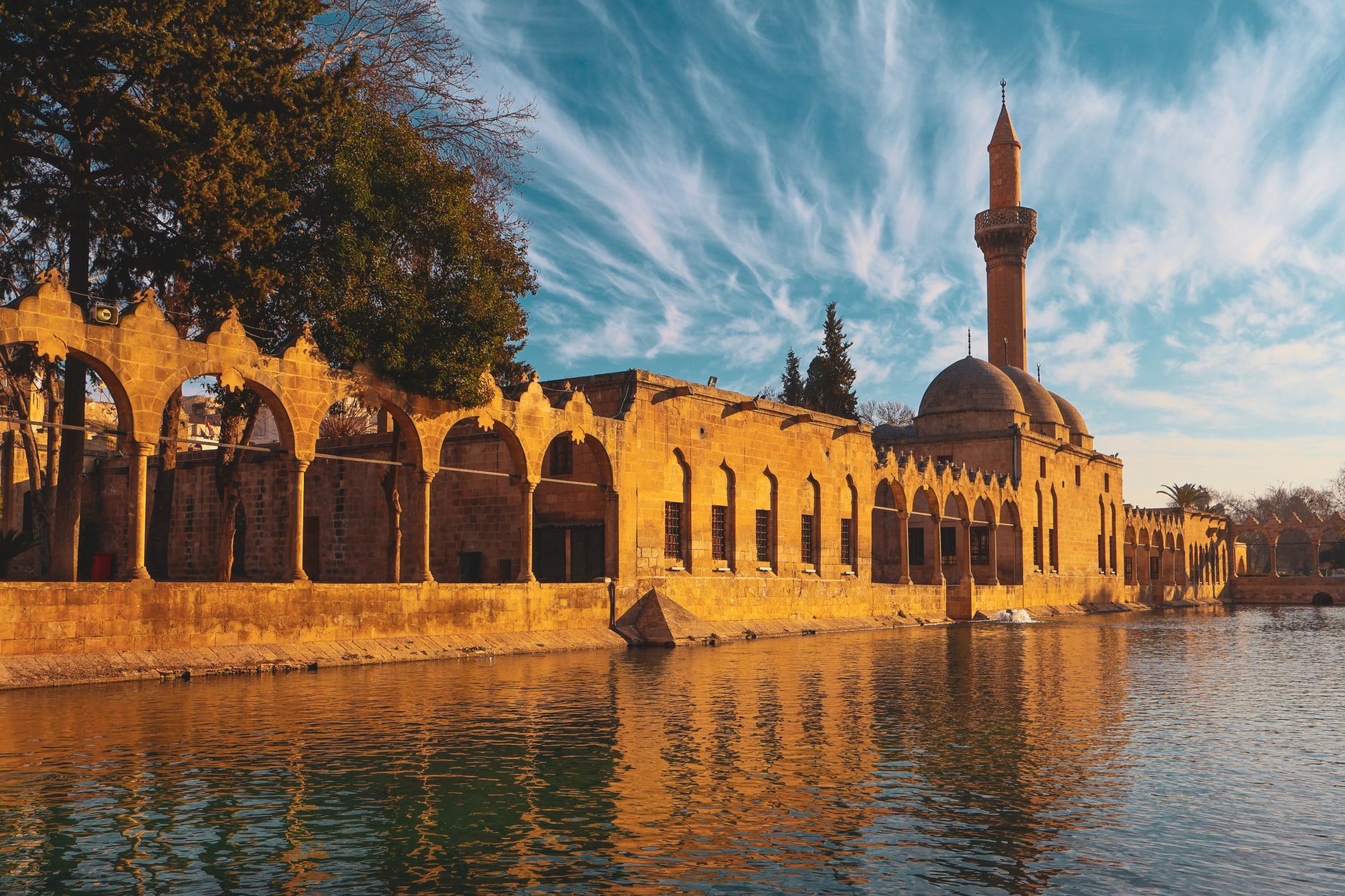
Also worth a visit is the Balıklıgöl (Pool of Abraham), a sacred site in Şanlıurfa city center with mythological significance. The nearby castle and old town offer a glimpse of later history, creating a fascinating juxtaposition with the Neolithic era.
For a deeper dive, consider the "Neolithic Trail" that connects Göbeklitepe, Karahantepe, and other sites. Local tour operators are increasingly offering this multi-day experience, which includes transportation, meals, and expert commentary.
Planning Your Trip: When to Go and How to Get There
Şanlıurfa is accessible by air (Şanlıurfa GAP Airport) and bus from major Turkish cities. The best time to visit is spring (April-May) or autumn (September-October), when temperatures are mild. Summers are extremely hot, so plan outdoor activities for early morning.
Accommodation ranges from boutique hotels in restored stone houses to modern chain hotels. Staying in the old town puts you within walking distance of the museum, bazaar, and Balıklıgöl.
As Türkiye continues to reveal its Neolithic secrets, Şanlıurfa stands as a living laboratory of human history. The new finds at Göbeklitepe are not just for scholars—they are for every traveler who wants to feel the awe of standing at the dawn of civilization.
Thinking about a trip to Turkey?
Share your contact details and a vetted local expert will follow up with a plan built around you — free, no obligation.