

A New Chapter in the World's Oldest Story
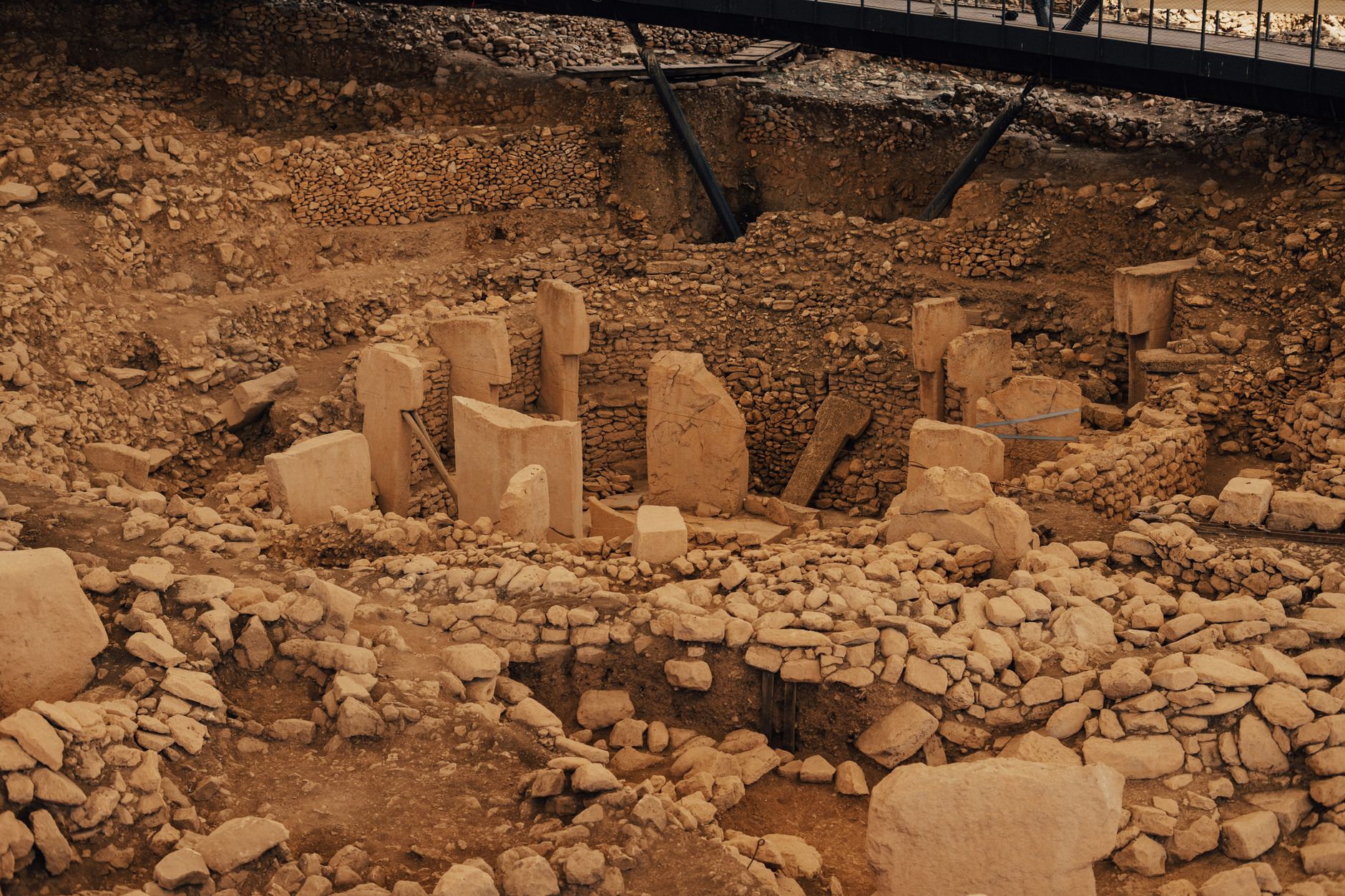
The ancient site of Göbeklitepe, located just outside the southeastern Turkish city of Şanlıurfa, has long been recognized as one of the most significant archaeological discoveries of the modern era. Dating back roughly 11,600 years, its massive T-shaped limestone pillars predate Stonehenge by millennia and challenge everything we thought we knew about the dawn of civilization.
This season, ongoing excavations across the region are revealing even more. Newly uncovered structures, intricate carvings, and ritual spaces are broadening our understanding of the Neolithic communities that once thrived here. For travelers, this means the story is still being written — and there has never been a better time to see it firsthand.
In response to growing international interest, Turkish authorities and local heritage teams have introduced a network of new walking routes and interpretive centers designed to give visitors a richer, more contextual experience of the region's deep past.
New Walking Trails Connect the Neolithic Landscape
Until recently, visitors to Göbeklitepe experienced the site in relative isolation. Today, a series of marked walking trails link Göbeklitepe with nearby excavations such as Karahantepe, Sayburç, and Sefertepe — each offering unique insights into the lives, beliefs, and building techniques of early Neolithic peoples.
These trails are thoughtfully designed to protect the fragile archaeological zones while allowing visitors to move through the broader landscape in which these communities lived. Interpretive panels in Turkish, English, German, and Arabic explain the significance of each location.
Guided tours are strongly recommended, both for the depth of knowledge local experts provide and for practical navigation between sites. Many tours depart from central Şanlıurfa and can be arranged through hotels, the Şanlıurfa Museum, or licensed local operators.
Interpretive Centers Bring the Past to Life
The recently expanded Şanlıurfa Archaeology Museum — often called the world's largest museum of its kind — remains the essential starting point for any Neolithic journey. Its immersive exhibits recreate the Göbeklitepe enclosures and display some of the most remarkable artifacts recovered from the region.
At Göbeklitepe itself, a modern visitor center offers shaded rest areas, multimedia presentations, and raised viewing platforms that provide sweeping views of the excavation zone without disturbing it. Similar facilities are gradually being added at Karahantepe and other sites.
For history lovers, the combination of on-site trails and world-class museums creates a coherent narrative that transforms scattered ruins into a living, breathing story of human ingenuity.

Walking Where Civilization Began
There is something profoundly moving about standing on the same ground where, more than eleven thousand years ago, hunter-gatherers raised monumental architecture before the invention of pottery, metal, or the wheel. Şanlıurfa offers that experience in a way few places on Earth can match.
The region is often called the "zero point of history," and with each new excavation season, the claim feels less like hyperbole and more like simple fact. Recent discoveries continue to suggest that the site was not an isolated ritual center but part of a vast, interconnected Neolithic world.
Visitors who take the time to explore beyond a single site — walking the trails, visiting the museums, and talking with local guides — leave with a far richer appreciation of this remarkable chapter in human history.
Legendary Hospitality and a Cuisine Worth the Journey
Şanlıurfa is not only a gateway to the Neolithic past; it is also one of Türkiye's most welcoming and flavorful cities. Known across the country for its generous hospitality, the city embraces visitors with open arms and a strong sense of local pride.
The cuisine alone justifies the trip. Don't miss the famous Urfa kebab, slow-cooked çiğ köfte (the local, meat-based version), rich lentil soups, and the city's signature isot pepper, which lends a distinctive smoky heat to many dishes. Finish your meal with pistachio baklava and a glass of strong, sweet tea.
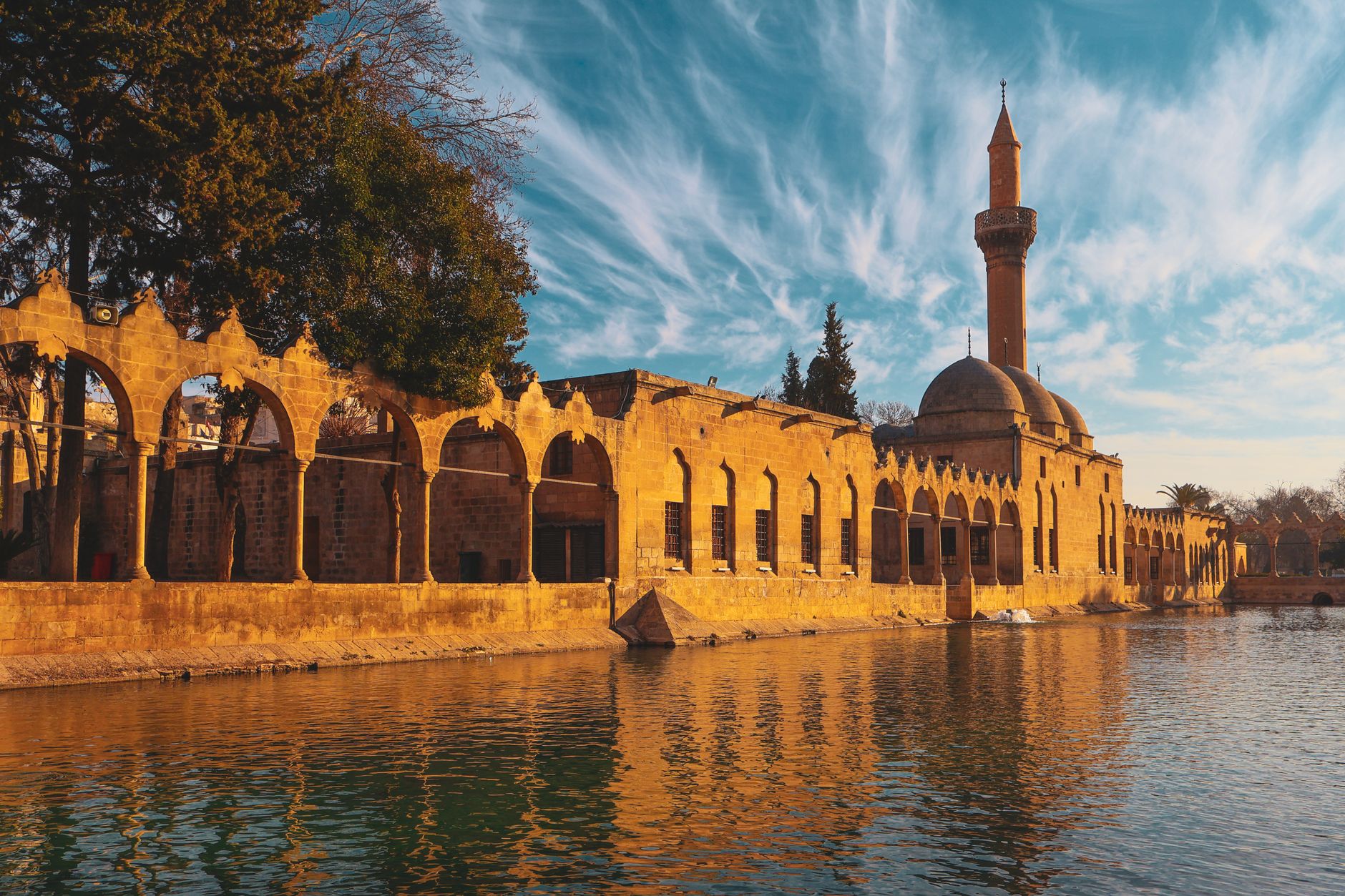
Evenings in Şanlıurfa are best spent wandering the atmospheric lanes near Balıklıgöl, the legendary Pool of Abraham, where locals gather and the scent of grilled food fills the air. It is a side of Türkiye that many travelers overlook — and one they rarely forget.
Practical Tips: Getting There and When to Go
Şanlıurfa is easily accessible via Şanlıurfa GAP Airport (GNY), which receives regular domestic flights from Istanbul, Ankara, and Izmir, with seasonal connections from other Turkish cities. From the airport, it is a short drive to the city center and roughly a 30-minute transfer to Göbeklitepe.
The best times to visit are spring (April to May) and autumn (September to November), when temperatures are mild and the surrounding plains are at their most beautiful. Summers can be extremely hot, so plan early-morning or late-afternoon visits if traveling between June and August.
Book guided tours in advance during peak season, wear comfortable walking shoes, and bring sun protection and water. Respect site rules — these are active excavations and protected heritage zones. Finally, allow at least two full days to do the region justice: one for Göbeklitepe and the museum, another for the surrounding Neolithic trails and the city's historic heart.
"Şanlıurfa is where history begins," local guides often say. "Come walk it — and you'll understand why."
Thinking about a trip to Turkey?
Share your contact details and a vetted local expert will follow up with a plan built around you — free, no obligation.