

The Harbor at Dusk: When Türkiye Slows Down
There is a moment in Turkish coastal towns that guidebooks rarely capture. The afternoon ferry has gone, the beach umbrellas are folded, and the light turns the color of honey. Somewhere along the quay, a man in a faded sweater is threading a hook by the glow of a streetlamp, and a boy is carrying a tray of tulip-shaped tea glasses between the boats. This is the harbor evening — not an attraction, not a show, but a rhythm that has been kept for generations along the Aegean, the Mediterranean, and the Marmara coast.
Travelers who slow down enough to notice it often describe it as the highlight of their trip. It costs nothing, requires no ticket, and asks only for patience. In return it offers something increasingly rare: an hour of genuine, unhurried life, shared with people who are not performing for anyone.
This guide walks you through that ritual — from the fishermen on the pier to the seaside tea stalls — with practical advice on where to find it, how to join in gracefully, and how to be the kind of guest a harbor is glad to have. For a wider sense of how coastal evenings fit into a Turkish journey, our travel guides are a good companion.
Fishermen on the Pier: A Quiet Craft in Plain Sight
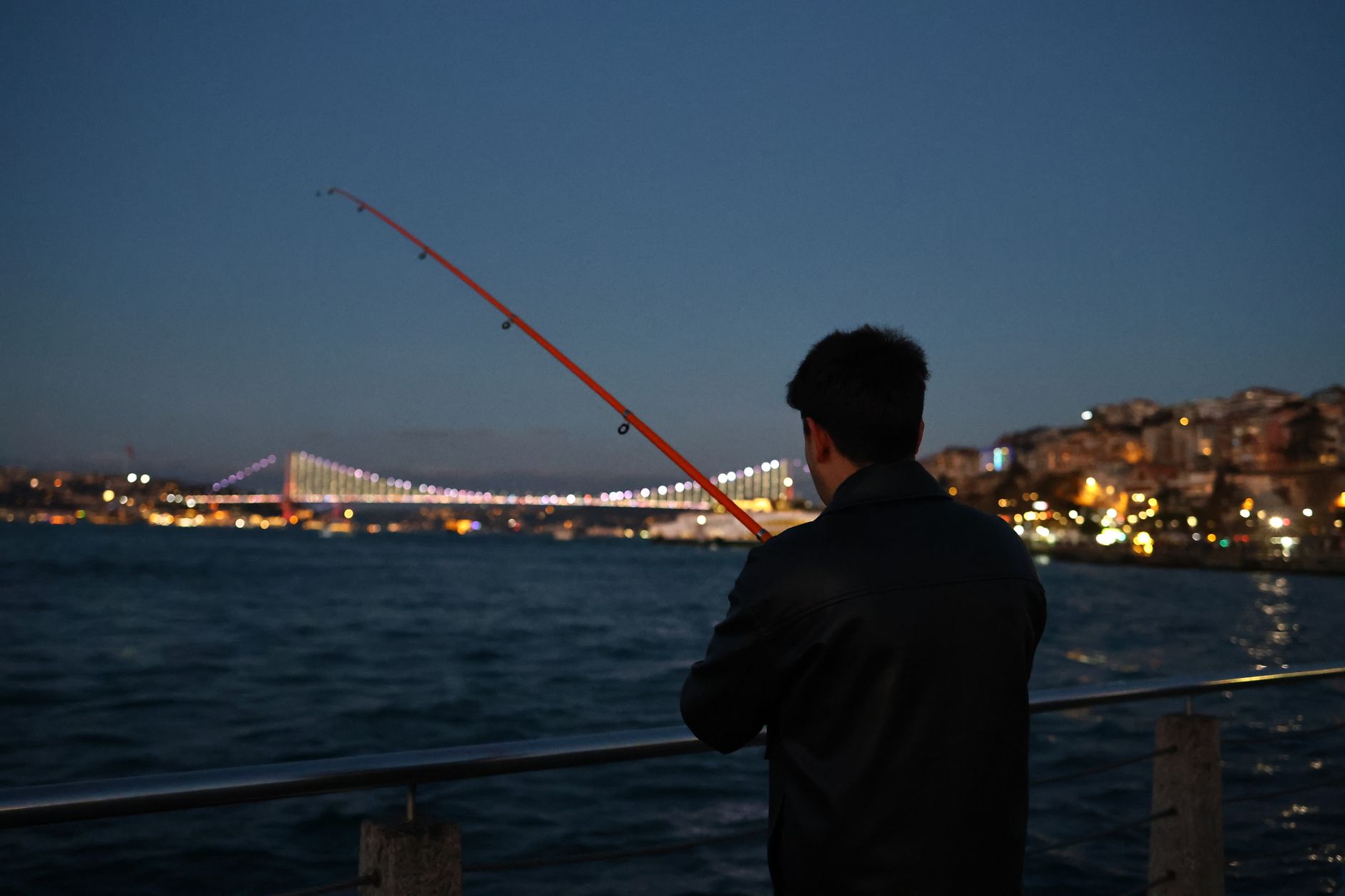
In towns like Foça, Sığacık, Çeşme, Kaş, and Assos, the evening fishing is rarely commercial. It is amateur, social, and deeply rooted. Men and women — increasingly both — arrive around sunset with a rod, a small plastic box of tackle, and sometimes a folding chair, and settle into a favorite spot as if returning to an armchair at home.
The catch is often modest: small bream, horse mackerel, an occasional sea bass. But the point is not the bucket. Watch closely and you will notice the conversation, the shared cigarettes, the teasing about a missed bite, the ritual of baiting a hook with a practiced thumb. Older fishermen carry knowledge that cannot be googled — which wind brings fish, which moon is bad luck, where the current runs.
Night fishing proper begins after dark, when the harbor lights come on and the water turns black and glossy. Some fishermen use simple handlines with a glow stick; others set a rod in a holder and sit back with tea. The mood is meditative. If you stand quietly at a respectful distance, you may be offered a stool, a glass of tea, or a piece of bread and cheese before you have said a word.
If you would like to fish rather than simply watch, the most graceful route is through a local guide or a small boat operator who offers evening trips. Our local experts can point you toward reputable ones who treat the sea and their guests well.
The Tea Stall Ritual: Small Glasses, Long Conversations
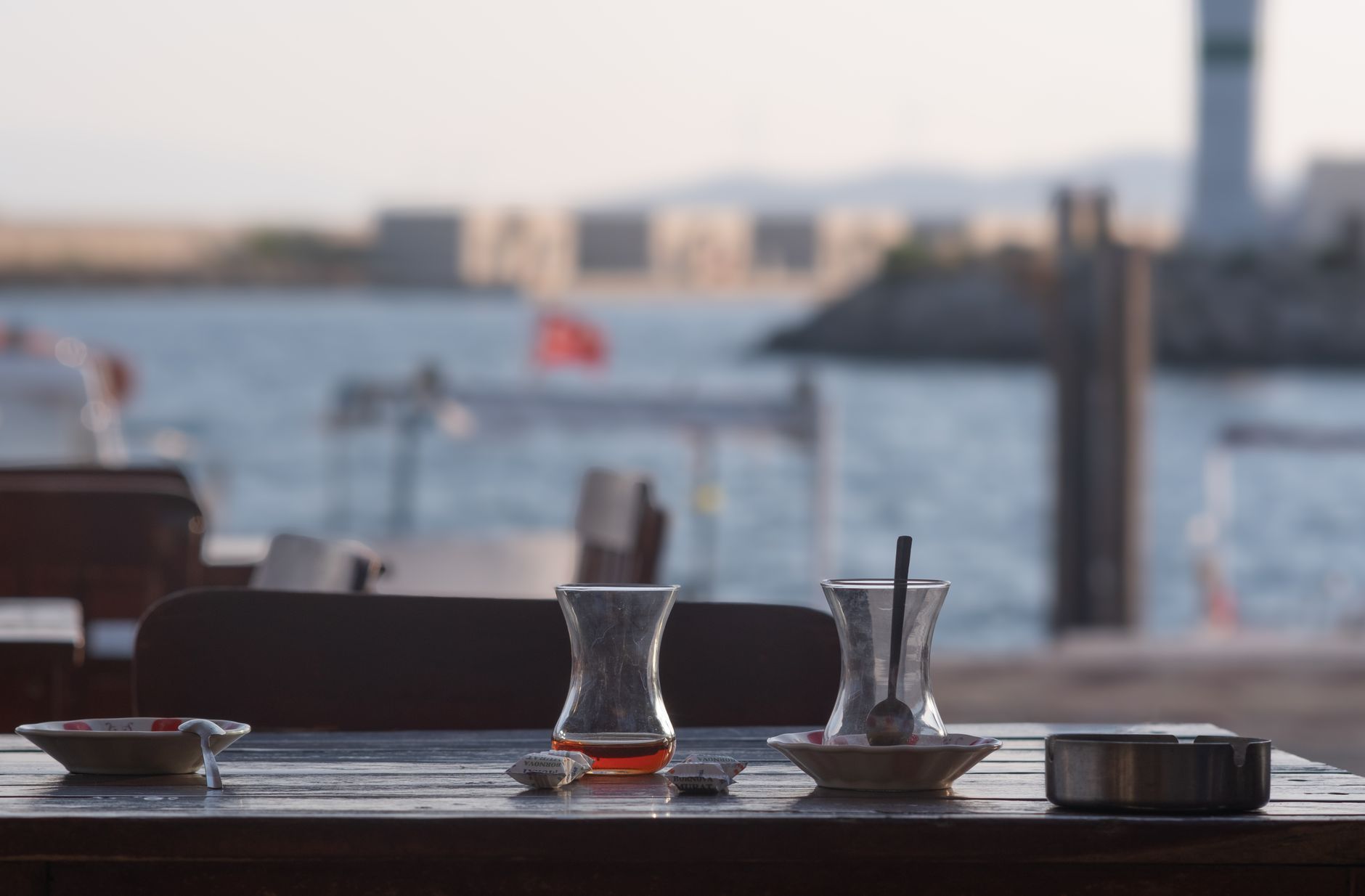
No harbor evening is complete without tea. Along the quay you will find small çay ocakları — tea houses, sometimes no more than a counter and a row of stools — where a glass of çay costs a few lira and comes with a saucer, a sugar cube, and no hurry at all. The tea is strong, served in the tulip-shaped glass that keeps it hot and shows off its deep amber color.
The etiquette is simple and generous. You sit where there is space. You accept the tea. You do not rush to pay before you have finished; someone will sort it out. Conversations drift between football, weather, politics, and the price of diesel, and a visitor who listens more than speaks is welcomed warmly. If your Turkish is limited, a smile and a murmured teşekkürler (thank you) go a long way.
Many stalls also serve strong coffee, ayran, and sometimes a plate of sunflower seeds or simit. In larger harbors such as Kuşadası or Bodrum you will find more polished cafés, but the essence is the same: a chair, a view of the water, and permission to do nothing.
“In a Turkish harbor, the tea is never just tea. It is an invitation to stay a little longer.”
For travelers building a coastal itinerary, our suggested routes make it easy to string together several harbor towns in one relaxed trip.
Where to Experience Harbor Evenings: A Few Favorites
Foça (Aegean coast): A working harbor with a strong fishing identity, quiet back lanes, and plenty of benches facing the water. Evenings here feel genuinely local rather than staged.
Sığacık (near İzmir): A small, castle-ringed harbor where the fish restaurants and tea gardens sit shoulder to shoulder. Arrive before sunset to watch the boats come in.
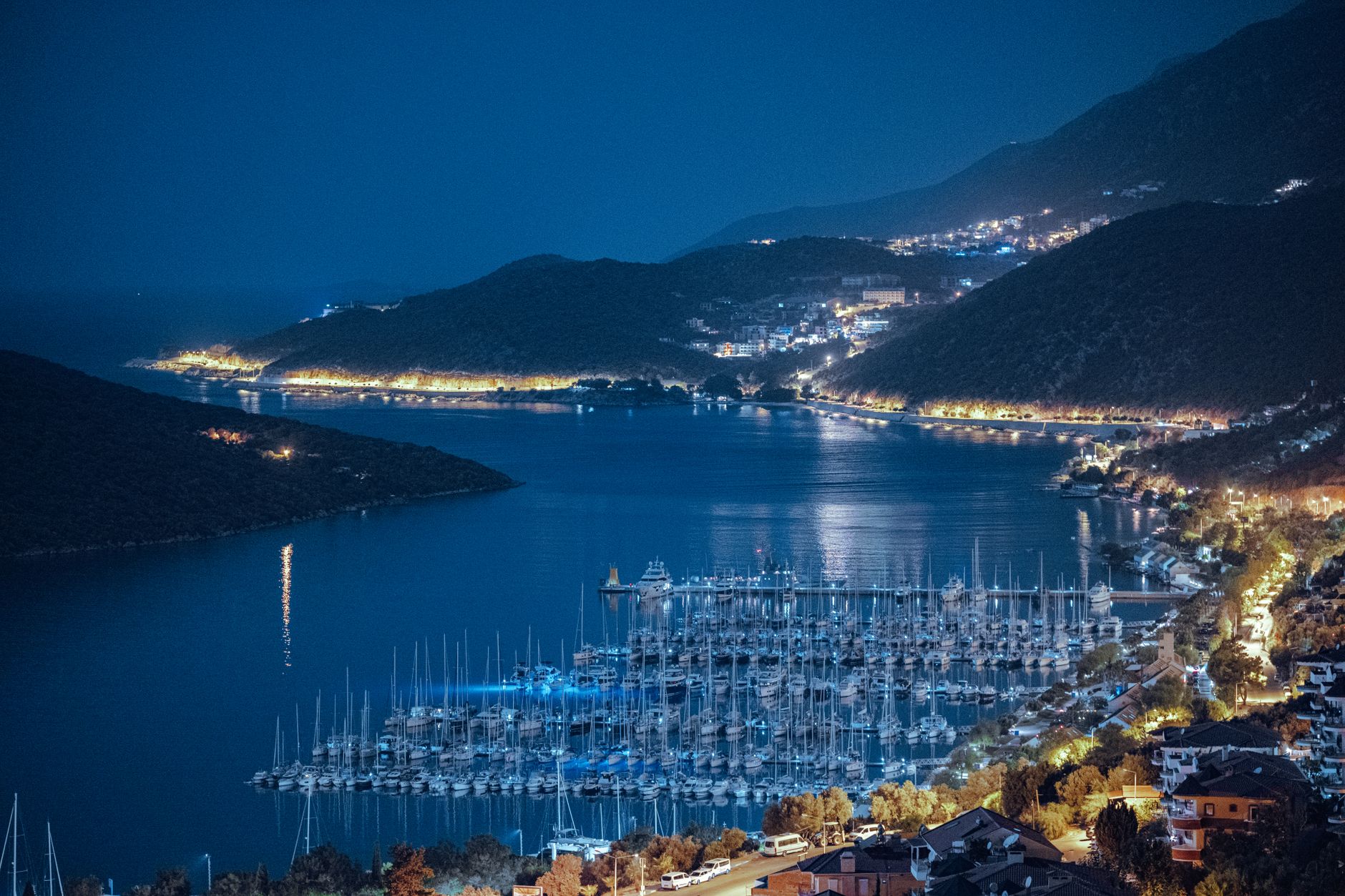
Kaş (Mediterranean): A lively but intimate harbor where the evening promenade is a civic ritual. Fishermen work the pier while families stroll and teenagers dive from the rocks.
Assos and Behramkale (north Aegean): A slower, more rustic scene with a tiny harbor and views across to Lesbos. Ideal if you want silence with your tea.
Amasra and Sinop (Black Sea): Different weather, same warmth. The Black Sea harbors are rougher, the humor drier, and the tea just as constant.
Each of these places rewards a night or two rather than an afternoon. To plan around the seasons — late spring and early autumn are especially lovely for harbor evenings — see our best time to visit guidance.
How to Join In — and How to Observe Respectfully
The harbor is not a museum and not a stage. It is someone's workplace and living room. The golden rule is simple: be curious, be quiet, and take no for an answer. A few practical guidelines will keep you welcome.
- Ask before photographing people. A gesture toward your camera and a questioning look is usually enough. If someone waves you off, smile and move on.
- Keep a respectful distance from lines and hooks. Fishermen cast with real weight and sharp points. Standing behind them, not beside them, is safer and kinder.
- Never touch boats, nets, or tackle without an invitation. These are tools of trade, not props.
- Accept small kindnesses gracefully. If offered tea or a snack, say yes if you can — refusing can feel oddly distant. Offer to pay; expect to be refused.
- Watch your volume. Loud music, speakerphone calls, and shouting spoil the mood for everyone, including the fish.
- Leave no trace. Take your cups, wrappers, and bottles with you. The harbor belongs to the town, and the town notices.
If you would like a more structured way to engage, consider asking a local guide to introduce you, or joining a small evening boat trip where the crew welcomes questions. Our trip planner can help you build these gentler experiences into a broader itinerary.
Practical Notes for a Perfect Harbor Evening
Timing: Arrive about thirty minutes before sunset. The light is best, the fishermen are setting up, and the tea stalls are just waking. Stay until the harbor quiets, usually an hour or two after dark.
What to bring: A light layer — coastal evenings cool quickly even in summer — comfortable shoes for uneven stone, and cash in small notes for tea and snacks. A small torch helps on unlit piers.
Safety: Harbor edges are often unlit and slippery. Keep back from the water's edge, avoid walking on wet stone, and never swim in a working harbor at night, however inviting the water looks.
Food: Many harbor-side restaurants serve fresh fish, meze, and salads well into the evening. Eating early, around sunset, is common and pleasant. For more on what to eat along the coast, see our blog.
Language: A few words open many doors — merhaba (hello), teşekkürler (thank you), çay (tea), afiyet olsun (enjoy your meal). Do not worry about grammar; effort is the point.
Türkiye's harbor evenings are not something you tick off a list. They are something you fall into — a chair, a glass of tea, a line cast into dark water. Stay long enough and you may find the harbor has quietly become the memory you carry home. For practical tools to plan the rest of your trip, visit our travel tools page, and when you are ready to go, start with destinations.
Thinking about a trip to Turkey?
Share your contact details and a vetted local expert will follow up with a plan built around you — free, no obligation.