

Why Türkiye Is a Hidden Gem for Night Hiking and Stargazing
Türkiye's diverse landscapes—from the rugged Taurus Mountains to the volcanic peaks of Central Anatolia—offer some of the most accessible and awe-inspiring dark skies in the Mediterranean. With its low light pollution and high-altitude trails, the country is a paradise for adventurous travelers seeking a magical evening under the stars. Whether you're a seasoned hiker or a curious stargazer, guided night hikes provide a safe and enriching way to experience Türkiye's natural wonders after sunset.
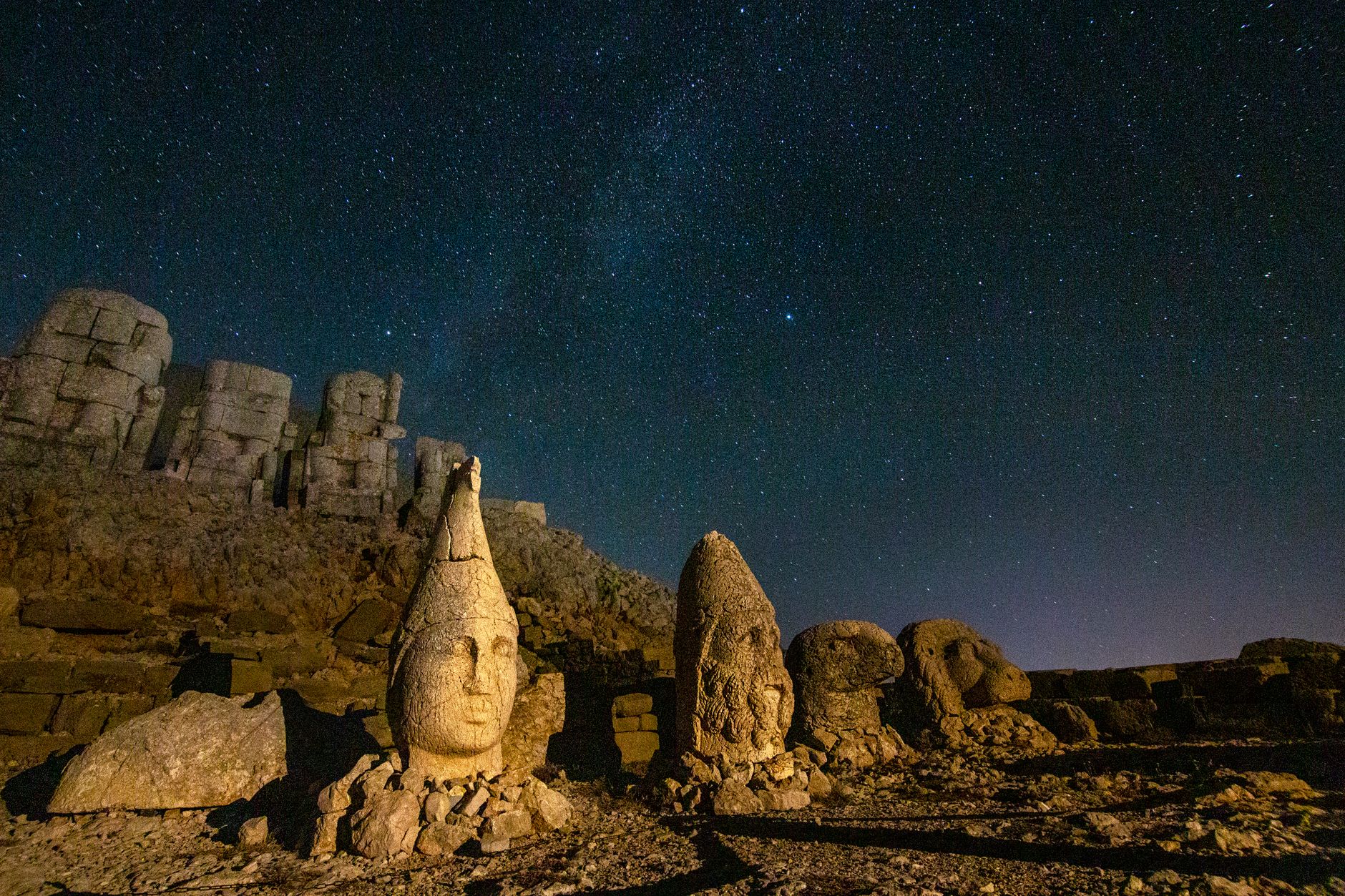
In recent years, local communities and tour operators have embraced astrotourism, recognizing the value of preserving night skies. Protected areas like the Taurus Mountains and ancient sites such as Nemrut Dağı have become popular spots for stargazing, where the Milky Way stretches across the sky in breathtaking clarity. Joining a guided group not only ensures safety but also deepens your understanding of the constellations and local mythology.
So grab your warm layers, check the moon phase, and prepare for an evening that will leave you starry-eyed. This guide covers the best trails, practical tips, and how to connect with knowledgeable local guides.
Top Dark-Sky Destinations in the Taurus Mountains and Beyond
Taurus Mountains: Antalya's Backyard
The Taurus range, stretching along Turkey's southern coast, is a prime location for night hiking. Trails around the Geyikbayırı and Çıralı areas offer well-marked paths that lead to panoramic viewpoints, far from city lights. The Beydağları Coastal National Park, with its cedar forests and rocky outcrops, provides an ideal backdrop for stargazing. Local guides often lead groups from the village of Çıralı to the Yanartaş (Chimera) flames—a natural gas seep that burns eternally—and then onward to secluded spots for sky viewing.
Nemrut Dağı: Ancient Statues Under the Stars
A UNESCO World Heritage site, Mount Nemrut is famous for its colossal statues and royal tomb. While most visitors come for sunrise, night hikes to the summit reveal a different kind of magic. The high altitude and remote location ensure minimal light pollution, making it an excellent spot to observe meteor showers and the Milky Way. Guided tours typically start in the late afternoon, allowing you to reach the summit before dusk and descend under the stars.
Cappadocia: Volcanic Valleys and Starry Skies
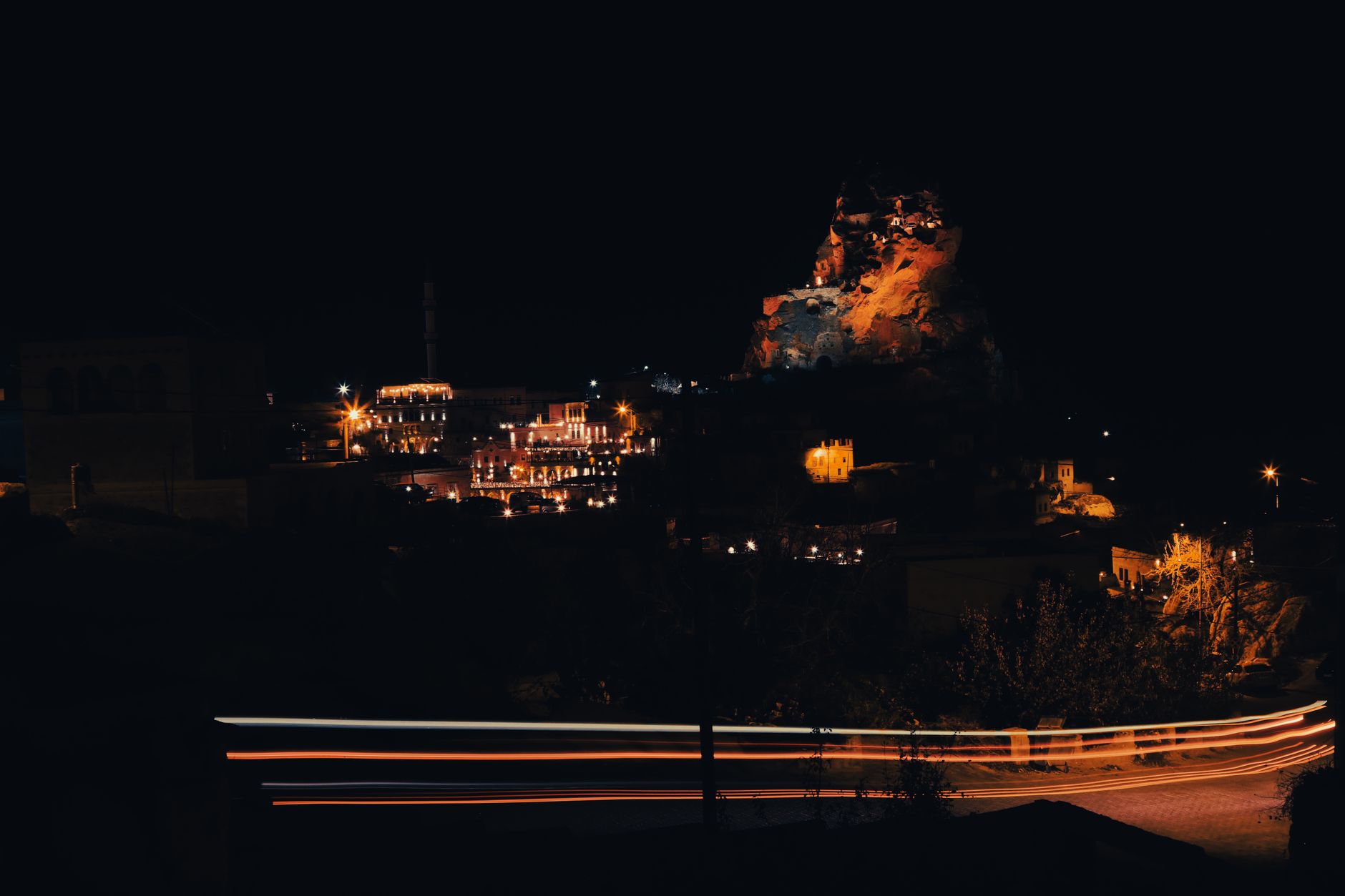
Cappadocia is renowned for its hot air balloons, but its unique rock formations and lack of urban light make it a superb stargazing destination. Guided night hikes through valleys like Love Valley or Rose Valley offer a surreal experience, with fairy chimneys silhouetted against the starry sky. Some tours include telescope observations and storytelling about the region's astronomical history.
Lake Tuz: A Mirror to the Heavens
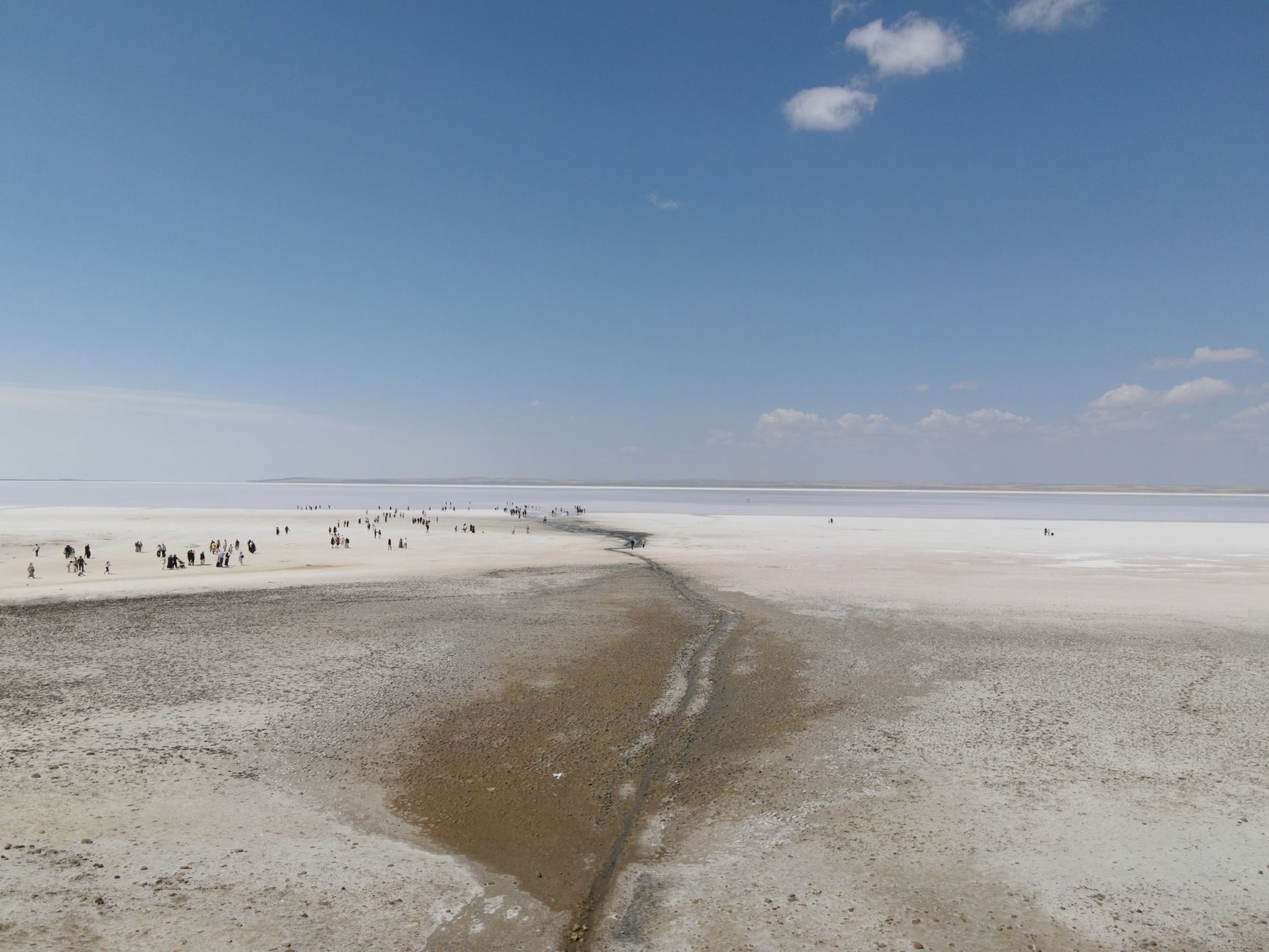
Lake Tuz, a vast salt lake in Central Anatolia, becomes a reflective surface during certain seasons, creating a stunning mirror effect for stargazing. Night hikes here are relatively easy, but the lack of landmarks demands a guide. The open horizons and complete darkness provide an immersive cosmic experience.
Kaçkar Mountains: Remote and Rugged
For the more adventurous, the Kaçkar Mountains in northeastern Turkey offer remote trails with almost zero light pollution. Multi-day treks with overnight camping under the stars are popular, but these require experienced guides and proper gear. The rewards are immense: views of the Milky Way so vivid you can see your shadow by starlight.
How to Time Your Night Hike: Moon Phases and Weather
The moon can be both a blessing and a curse for stargazers. A full moon illuminates the trail but washes out faint stars, while a new moon offers the darkest skies for observing the Milky Way and meteor showers. Plan your hike around the new moon for optimal stargazing, or opt for a partial moon if you prefer natural light for navigation.
Weather is equally critical. Clear skies are essential, so check forecasts for cloud cover and precipitation. Summer months (June to September) generally offer the most stable conditions, but higher altitudes can be chilly at night. Spring and autumn can also be rewarding, with fewer crowds and crisp air. Avoid hiking during storms or high winds, and always consult local guides for current conditions.
Timing your hike to coincide with astronomical events—such as the Perseid meteor shower in August or the Geminids in December—can add a spectacular dimension to your adventure. Many guided tours are scheduled around these events, so book early.
What to Wear and Pack for a Night Hike
Even in summer, nights in the mountains can be surprisingly cold. Layering is key: start with a moisture-wicking base layer, add an insulating fleece or down jacket, and top with a windproof and waterproof shell. Sturdy hiking boots with good ankle support are essential for uneven terrain, and a headlamp with a red-light mode preserves your night vision.
Other essentials include:
- Plenty of water and high-energy snacks.
- A map and compass (though your guide will have these).
- A first-aid kit and any personal medications.
- A lightweight emergency blanket.
- Binoculars or a telescope if you have them (guides often provide).
- A camera with manual settings for astrophotography.
Remember to leave no trace: pack out all trash and respect wildlife. Guided groups often provide gear rentals, so check in advance.
Safety in Numbers: Why Guided Groups Are the Way to Go
Night hiking comes with inherent risks—disorientation, falls, and sudden weather changes—but joining a guided group mitigates these dangers. Local guides know the terrain intimately, carry communication devices, and are trained in first aid. They also share fascinating insights about the night sky, local legends, and the ecosystem.
When choosing a guide, look for certified professionals with experience in night hiking and stargazing. Many operators in Antalya, Cappadocia, and Kaçkar offer such tours. For a curated list of trusted guides, visit our experts page. Additionally, check our travel tools for gear recommendations and safety checklists.
Group sizes are typically small (6–12 people) to ensure safety and a quality experience. Book in advance, especially during peak stargazing seasons. And remember: never hike alone at night in unfamiliar areas.
Local Guide Contacts and Resources
Türkiye has a growing network of astrotourism guides. In Antalya, operators like "Taurus Night Hikes" and "Antalya Stargazing" offer regular tours to the Taurus Mountains. In Cappadocia, "Cappadocia Star Tours" combines valley hikes with telescope sessions. For Nemrut Dağı, "Adıyaman Night Adventures" provides guided ascents. Always verify credentials and read reviews before booking.
For more inspiration on routes, explore our routes page and itineraries. If you're planning a larger trip, our trip planner can help integrate night hikes into your schedule. And don't miss our best time to visit guide for seasonal tips.
Before you go, check the FAQ for common questions about night hiking in Türkiye. For a visual taste of what awaits, browse our gallery.
Final Thoughts: Embrace the Night
Night hiking in Türkiye is more than just a walk—it's a journey into the cosmos. With proper preparation, the right gear, and a knowledgeable guide, you'll safely discover a side of the country that most travelers miss. The Taurus Mountains and other dark-sky spots offer a serene and magical escape from the everyday.
So why not add a night hike to your Turkish adventure? Book a guided tour, bring a sense of wonder, and let the stars be your compass. For a seamless planning experience, start with our homepage and explore destinations across Türkiye.
Thinking about a trip to Turkey?
Share your contact details and a vetted local expert will follow up with a plan built around you — free, no obligation.