

Somewhere between the clatter of the wheels and the hiss of a tea glass being refilled, Türkiye's old railway stations work a particular kind of magic. They were built to impress — stone façades carved with Ottoman crescents and republican stars, tiled waiting rooms, clock towers that still keep the timetable honest — and a century later they remain some of the friendliest places in the country to sit still and watch the light change. This is a trail for travelers who like their journeys slow, their windows open, and their stations full of stories.
How the Iron Road Shaped a Nation
The first line in Anatolia opened in 1856 between İzmir and Aydın, carrying figs and cotton toward the Aegean. But the great age of station building came under Sultan Abdülhamid II, when the Anatolian and Baghdad railway companies pushed east and south, and then again in the 1920s and 1930s, when the young Turkish Republic adopted the railway as a symbol of modernization. New stations rose in Ankara, Kayseri, Sivas, and Adana in confident, stripped-classical styles, often designed by German and Austrian architects working with Turkish engineers.
That double heritage — Ottoman ornament and republican optimism — is why Turkish stations look unlike anywhere else. You'll find Seljuk-inspired tilework beside Bauhaus balconies, and station buffets that have been pouring çay from the same copper samovar for sixty years. For history-minded travelers, a morning on a platform can feel as rich as a museum visit. Our destination guides cover the wider historical layers of these towns if you want to build a deeper itinerary.
What makes this heritage so visitable today is that Turkish State Railways (TCDD) never abandoned these buildings. Many still handle daily services, which means you're not visiting a preserved relic — you're standing in a working station where someone is hurrying to catch the 07:40 and someone else is selling simit from a tray.
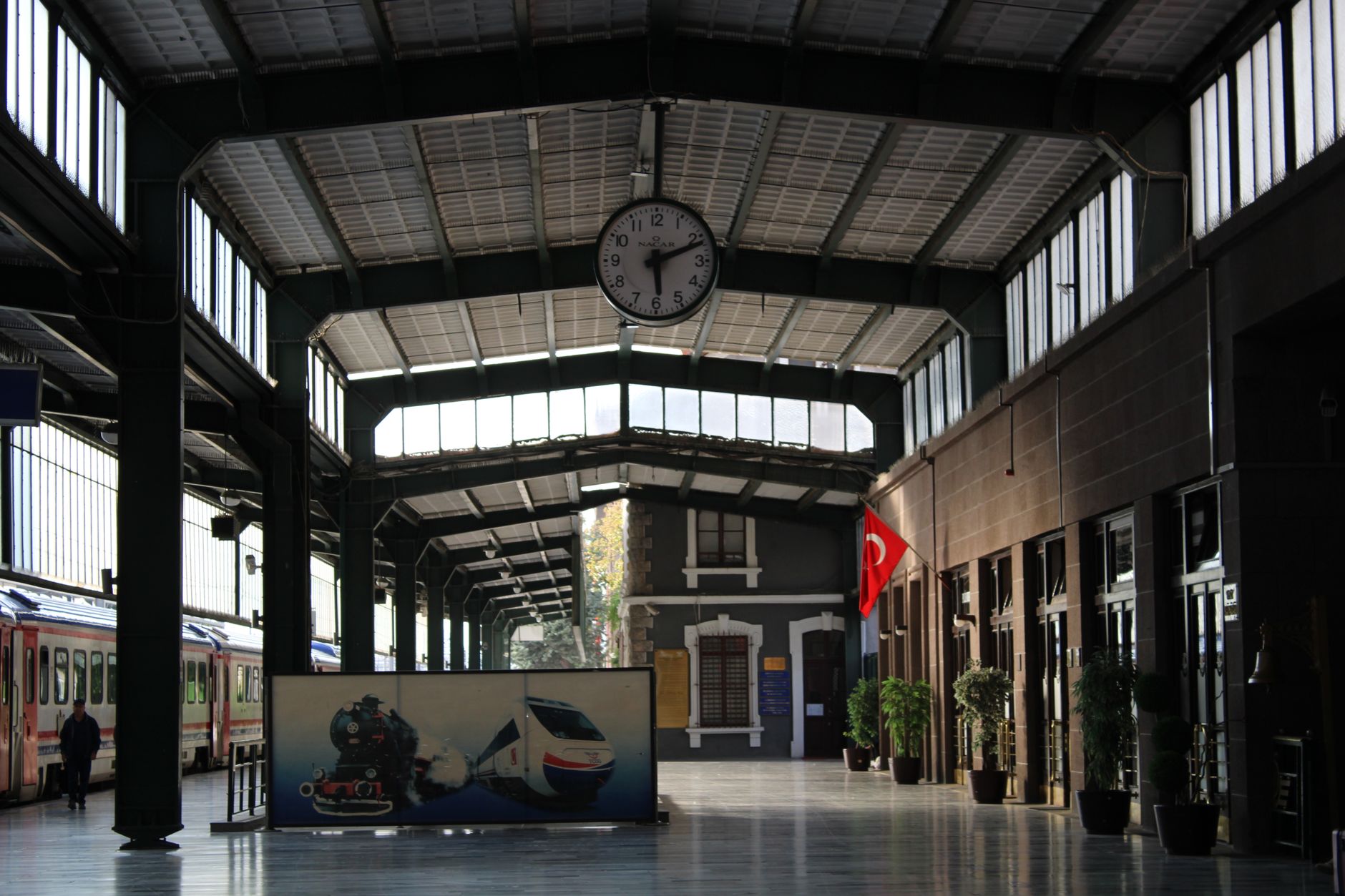
Sirkeci and Haydarpaşa: The Two Grand Gateways
No rail pilgrimage in Türkiye begins anywhere other than Istanbul's Sirkeci station, the 1890 terminus of the Orient Express. Its ochre façade, arched windows, and richly decorated entrance hall still carry the ghost of arriving diplomats and spies. Beneath the main concourse, a small railway museum and a restaurant in the old waiting rooms make an easy half-day for anyone staying in the historic peninsula.
Across the water, Haydarpaşa is the more theatrical of the two: a neo-Renaissance pile on the Bosphorus shore, opened in 1908 as the gateway to Anatolia and the Hejaz railway. Restoration work has been long and careful, but the building's silhouette from a ferry deck remains one of Istanbul's great sights. Time your crossing for late afternoon, when the light hits the stone and the gulls argue over the ferry railings.
Both stations reward the traveler who simply lingers. Buy a tea, find a bench, and watch the small choreography of porters, commuters, and cats that every Turkish station seems to host. If you're planning a longer rail-focused trip, our itinerary pages can help you thread these gateways into a bigger route.
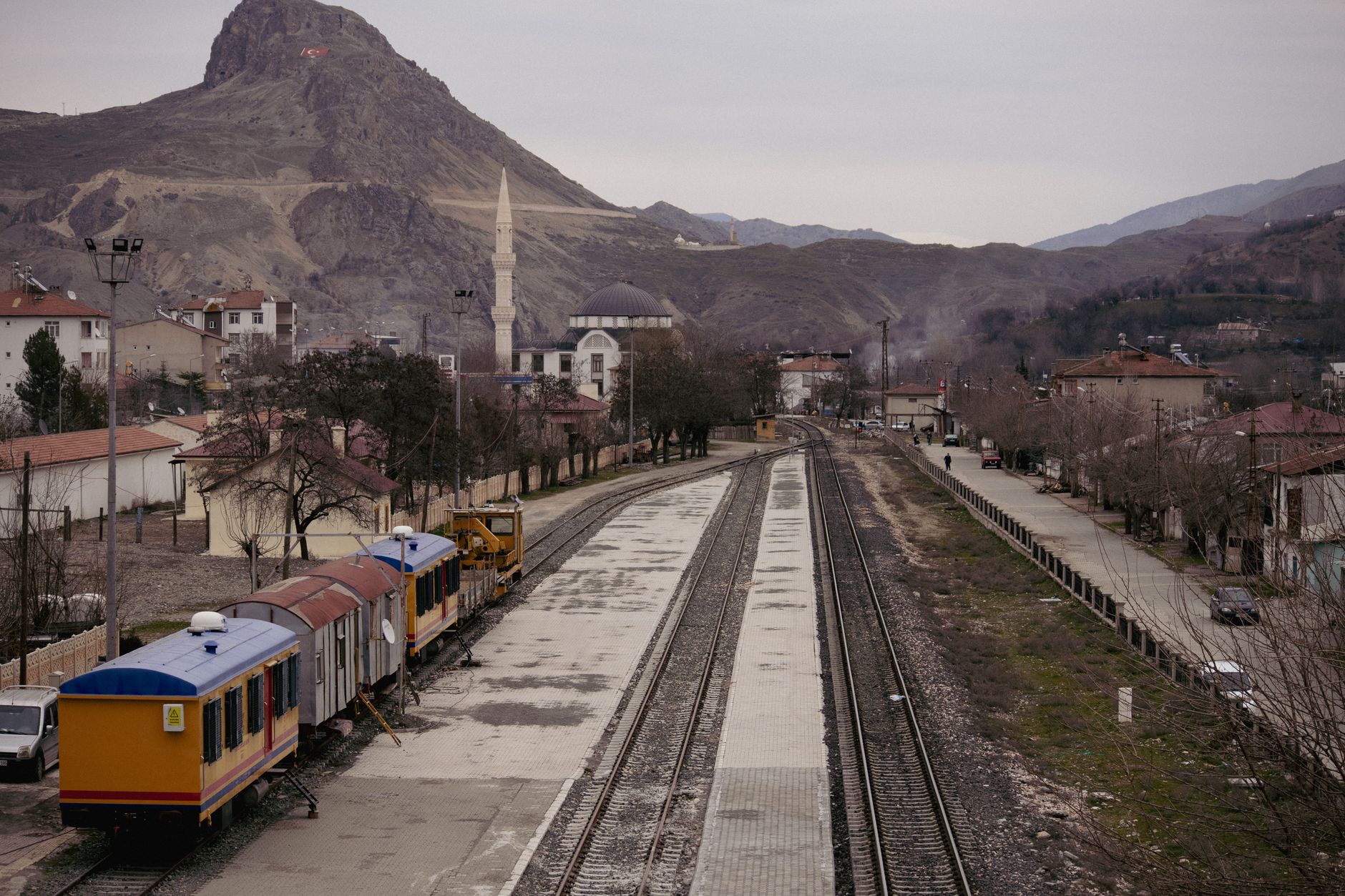
The Heritage Lines Worth Riding
The eastern express from Ankara to Kars is the country's most celebrated long ride, climbing through the Pontic mountains for roughly a day and a night, with dining-car meals and a bed you'll remember. The scenery is extraordinary, but the real luxury is the unhurried pace and the conversation in the corridor.
For something shorter and sweeter, the İzmir–Selçuk regional line drops you within walking distance of Ephesus and the stone lanes of Selçuk itself. In the south, the Toros Express between Konya and Adana still uses older rolling stock on parts of its route, cutting through the Taurus passes and past villages where the train is the main event of the day.
- Doğu Express (Ankara–Kars): book sleeper cabins well ahead, especially in spring and autumn.
- İzmir–Selçuk: an easy, scenic day trip with frequent departures.
- Konya–Adana (Toros Express): check current schedules, as services vary seasonally.
- Nostalgic tram and heritage runs: Istanbul and a few other cities run vintage trams and occasional steam specials — ask locally or check TCDD announcements.
Steam specials are rarer than they once were, but heritage societies and TCDD occasionally run excursion trains for anniversaries. If you're rail-curious rather than rail-obsessed, treat these as bonus events and let the scheduled trains do the everyday work of getting you places beautifully.
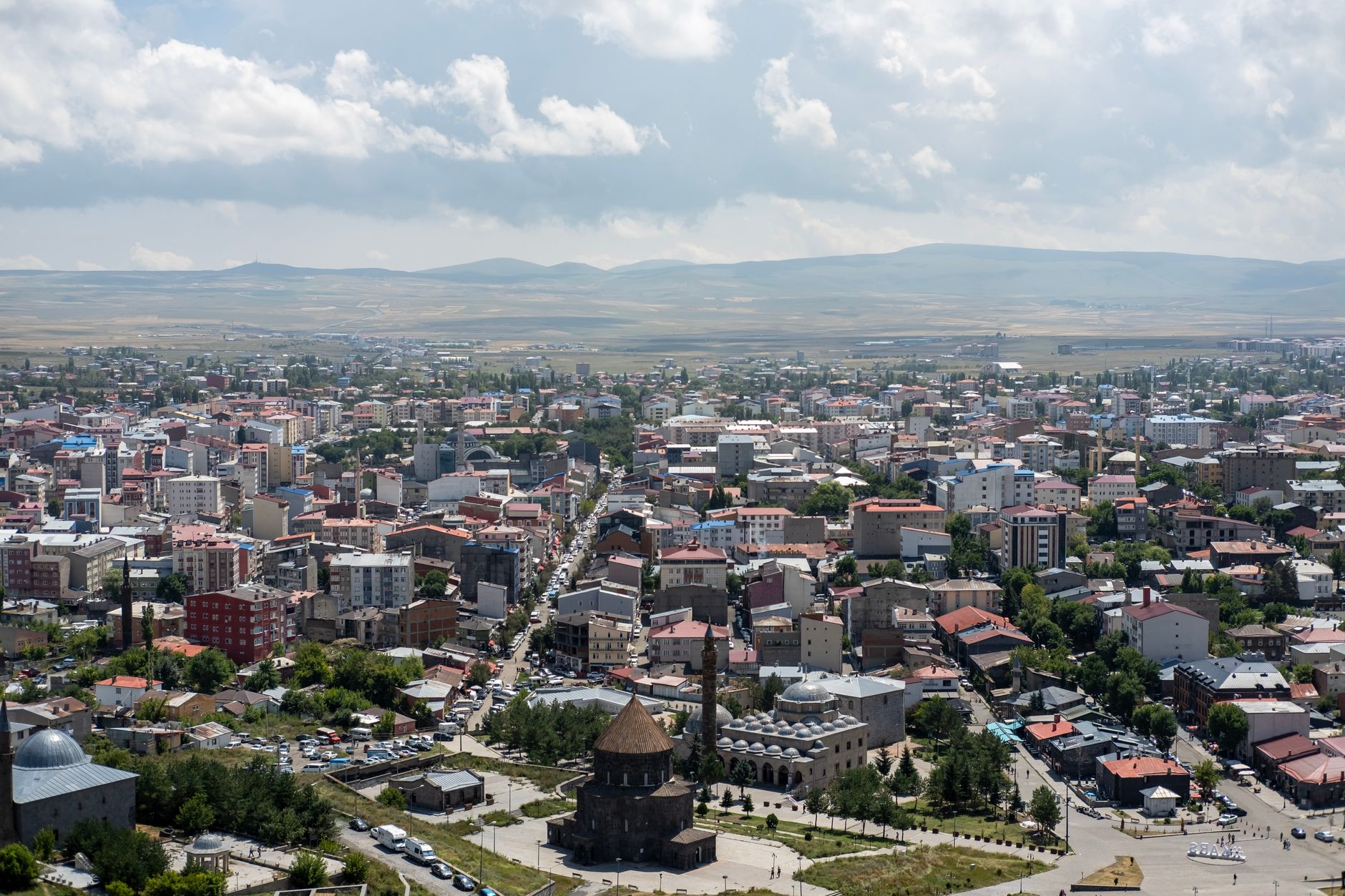
Station Towns Deserving a Stop
The joy of slow rail is the towns that grew up around their platforms. Selçuk is the obvious star, with its basilica, museum, and easy access to Ephesus. Eskişehir, on the high-speed line west of Ankara, has turned its riverside into a cheerful pedestrian quarter of cafés and gondolas — a perfect two-night pause between long legs.
Further east, Sivas pairs a handsome republican-era station with Seljuk mosques and a lively bazaar. Kayseri's station sits close to a city of grand kümbets and a famous breakfast culture. And at the end of the eastern line, Kars is a hauntingly beautiful grid of Baltic-style streets, a short ride from the ruins of Ani on the Armenian border.
Smaller stops reward curiosity too: the half-timbered streets of Safranbolu (reachable via Karabük), the thermal town of Afyon with its castle rock, and lakeside Isparta country in the rose harvest. Check our destinations hub for region-by-region ideas before you commit.
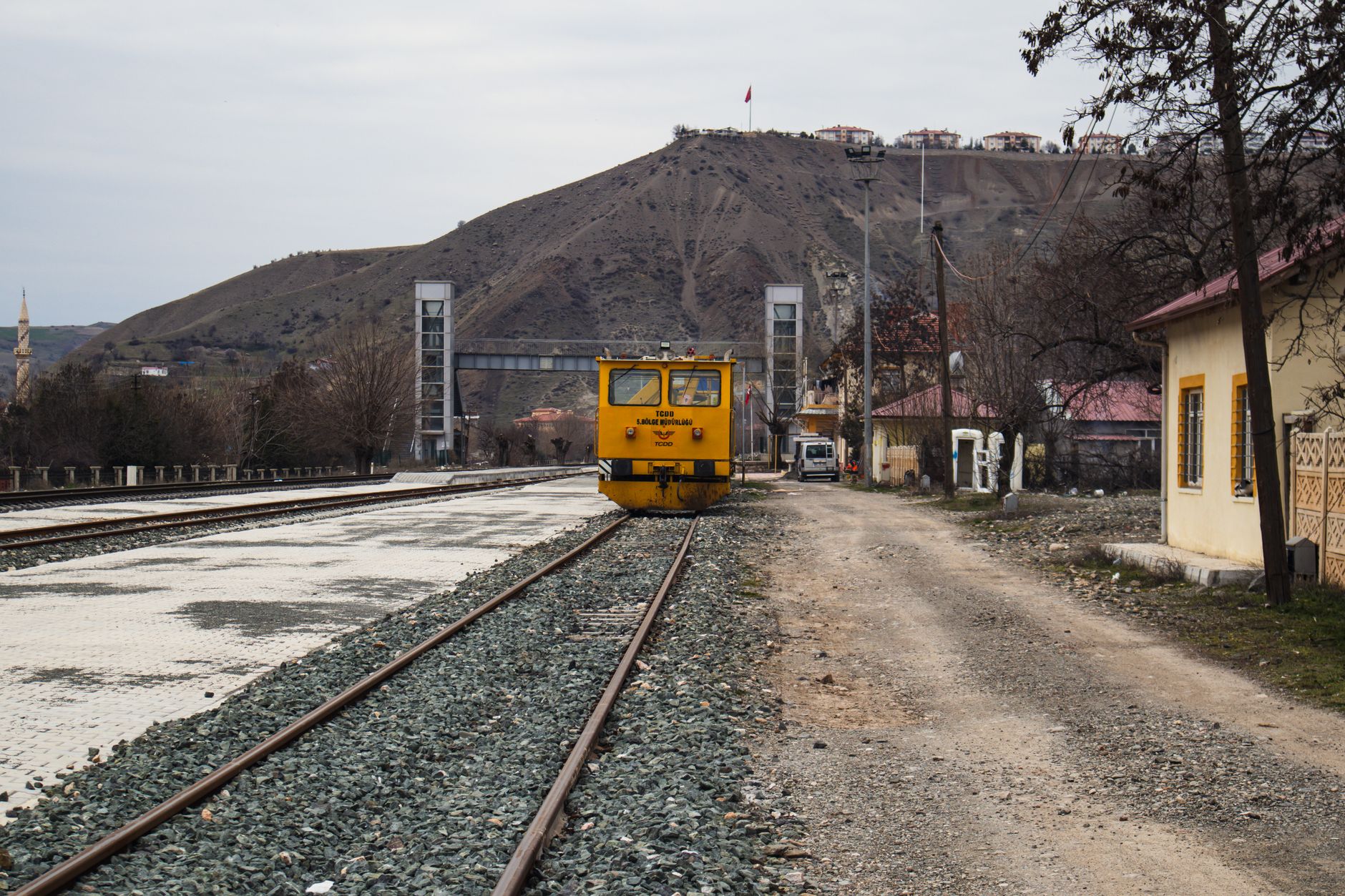
Practical Tips for Slow Rail Travel
Turkish trains are affordable, generally punctual, and easy to book online through TCDD's official channels, though popular sleeper cabins sell out weeks ahead. For long-distance services, reserve as soon as your dates are fixed. Bring cash for platform vendors, a refillable water bottle, and a light layer — mountain nights are cold even in summer.
Station etiquette is gentle: queue loosely, greet the conductor, and accept the tea that will inevitably be offered. Timing matters too — spring and autumn are the sweet spots for mountain routes, while coastal lines are lovely almost year-round. Our best-time guide breaks down regional weather patterns.
"On the Doğu Express, a retired teacher shared her walnuts and told me the names of every mountain we passed. I never did write them all down, but I've never forgotten her."
Carry a small notebook, keep your camera handy for the dining car, and don't over-schedule. The best moments on Turkish railways are the unscheduled ones: a station-master who walks you to the right platform, a vendor who insists you try the local peynir, a child waving from a garden as the train eases out.
The Human Warmth of the Platform
Ask anyone who has traveled Turkish railways what they remember most and you'll rarely hear timetables. You'll hear about the tea. About the man in Kars who carried a suitcase up the stairs without being asked. About the station buffet in Selçuk where the owner remembers returning customers years later.
That friendliness is not a tourist performance; it's the ordinary texture of provincial Turkish life, and the railway is one of the best places to experience it. Stations are meeting points, farewell stages, and news exchanges all at once. Sit still long enough and you become part of the rhythm rather than a spectator to it.
If you want help stitching these rides into a workable route — including transfers, timing, and which stops suit your interests — our trip planner and local experts can save you a great deal of trial and error. And if you'd rather travel light and slow without the planning stress, the route collection is a good place to start dreaming.
Your Steam-Age Starter Trail
A classic ten-day loop might begin at Sirkeci, cross to Haydarpaşa for the view, then take the high-speed line to Eskişehir and on to Ankara. From there, board the Doğu Express east to Kars, lingering two nights in Sivas or Erzurum if your schedule allows. Return by air if time is short — the romance lies in the going, not the symmetry — or work your way back via Kayseri and Konya.
If you have less time, the İzmir–Selçuk corridor makes an effortless long weekend of ruins, olive groves, and station tea. Either way, build in at least one aimless hour per station. That's where the trip actually happens: not in the arrival, but in the waiting, with the announcement echoing down the platform and someone beside you offering the last piece of bread.
For a fuller sense of what these journeys feel like in pictures, browse our photo gallery, and check the FAQ for ticketing and accessibility questions. Then buy a ticket, pack light, and let the slow train do the rest.
Thinking about a trip to Turkey?
Share your contact details and a vetted local expert will follow up with a plan built around you — free, no obligation.