

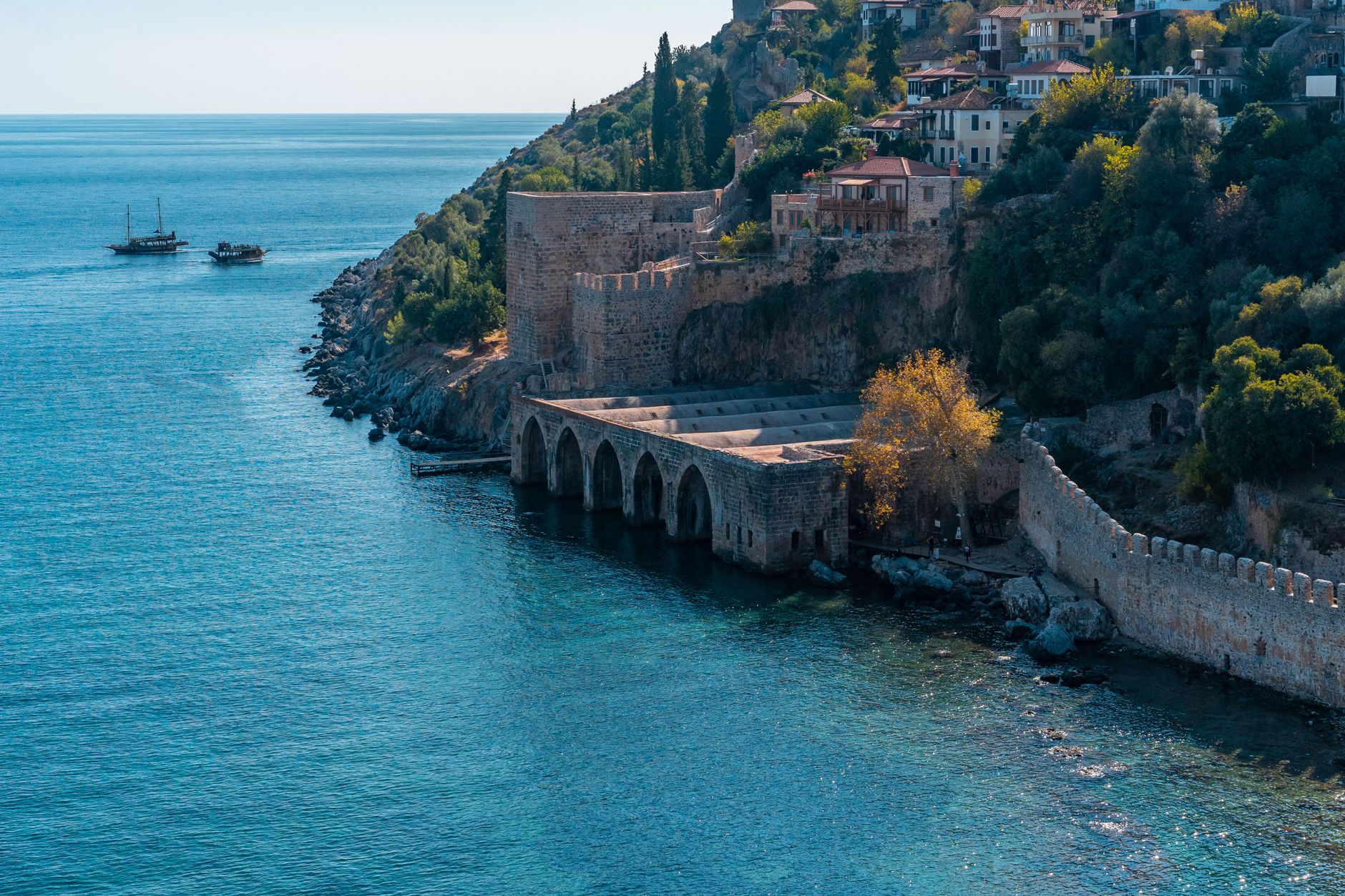
Turkey has unveiled a new culinary trail that links olive oil producers, boutique vineyards, and farm-to-table restaurants along its Aegean and Mediterranean coasts. The route, which stretches from the olive groves of the Ayvalık and Edremit peninsulas down through the wine country of Urla and the Bodrum peninsula to the citrus-scented plateaus of Antalya and Mersin, is designed to let travellers taste the country's terroir one glass and one golden drizzle at a time.
For anyone who has ever wondered why Turkish olive oil tastes different from one valley to the next, or why a wine made near Izmir can smell of sea salt and sun-warmed stone, this is the journey that answers those questions. It is also a remarkably warm way to experience Turkish hospitality, where a tasting often turns into a shared table, a story, and a second glass.
A Coast Built for Slow Flavours
The Aegean and Mediterranean littoral is one of the oldest cultivated landscapes on earth. Olive trees here are measured in centuries rather than years, and many of the family-run presses that anchor the new route have been operating for generations. The trail formalises what locals have long known: that the rhythm of the harvest, from November olive picking to spring bottling, is a cultural calendar as much as an agricultural one.
Boutique wineries dot the same hillsides, producing wines from indigenous grapes such as Çalkarası, Kalecik Karası, and Narince alongside international varieties grown with increasing confidence. The result is a corridor of flavours that shifts every few dozen kilometres, shaped by limestone, schist, coastal breeze, and altitude.
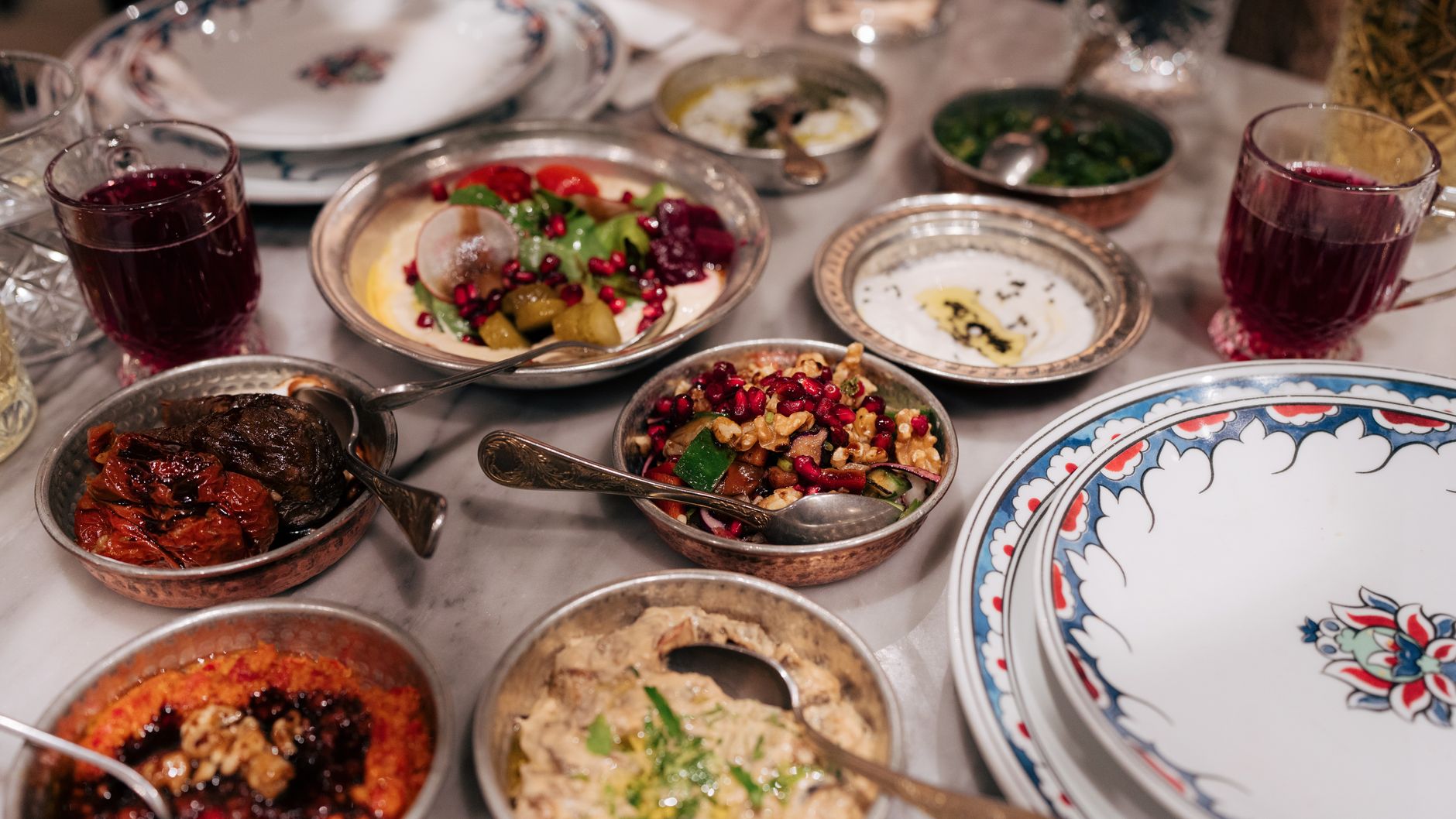
Farm-to-table restaurants sit at the end of the chain, turning those same olives, herbs, seafood, and wines into menus that rarely travel more than a few kilometres from field to plate. Expect Aegean greens dressed in peppery early-harvest oil, grilled octopus, stuffed vine leaves, and slow-cooked lamb with dried figs.
What Travellers Can Taste and Do
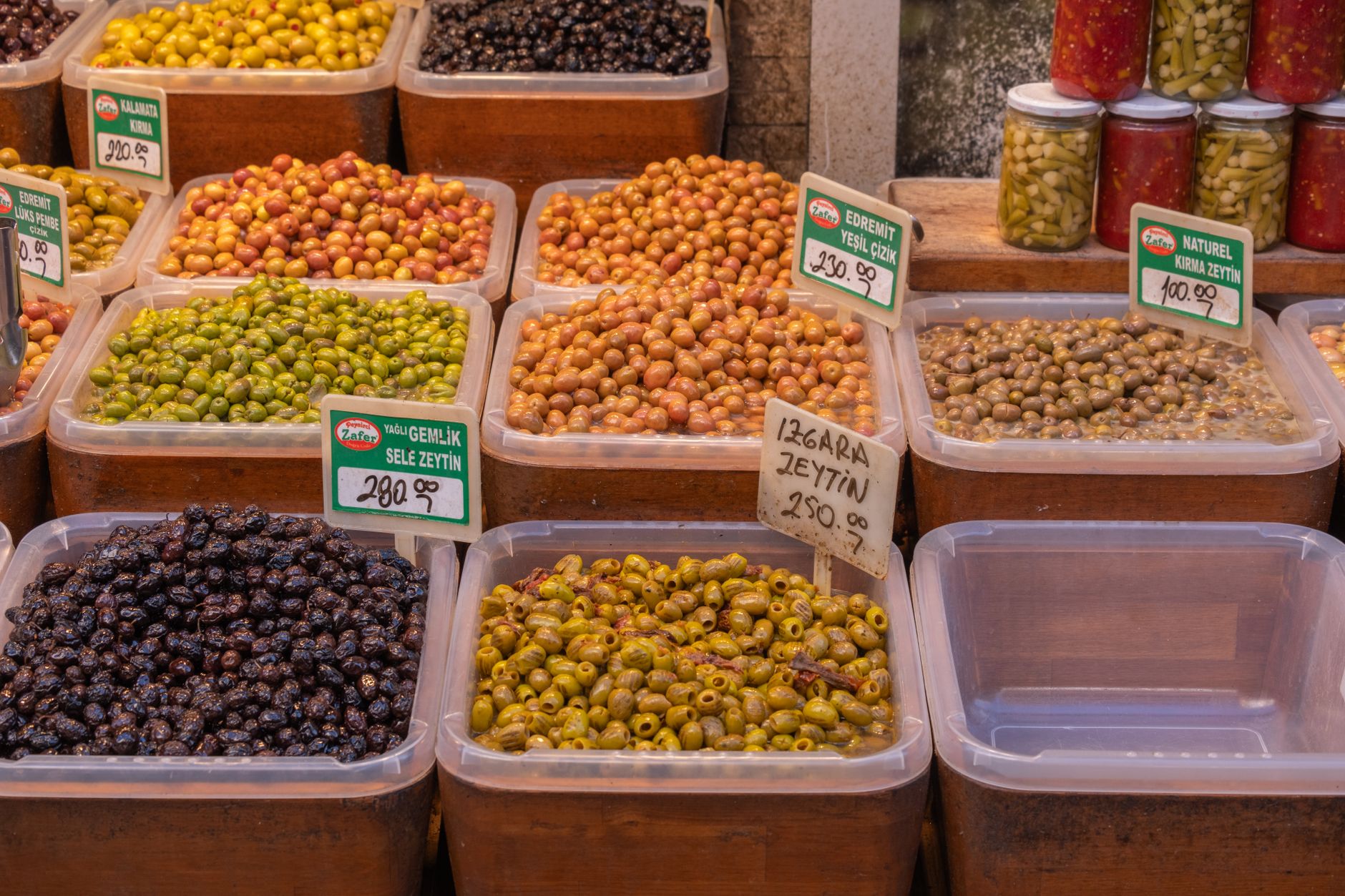
Along the route, visitors can join guided olive mill tours during the autumn harvest, when the air smells of freshly pressed fruit and the machinery runs late into the evening. Many producers offer tastings that compare early-harvest oils, prized for their green bitterness, with later, softer pressings. Some estates pair the tasting with village bread, sheep's cheese, and tomatoes still warm from the sun.
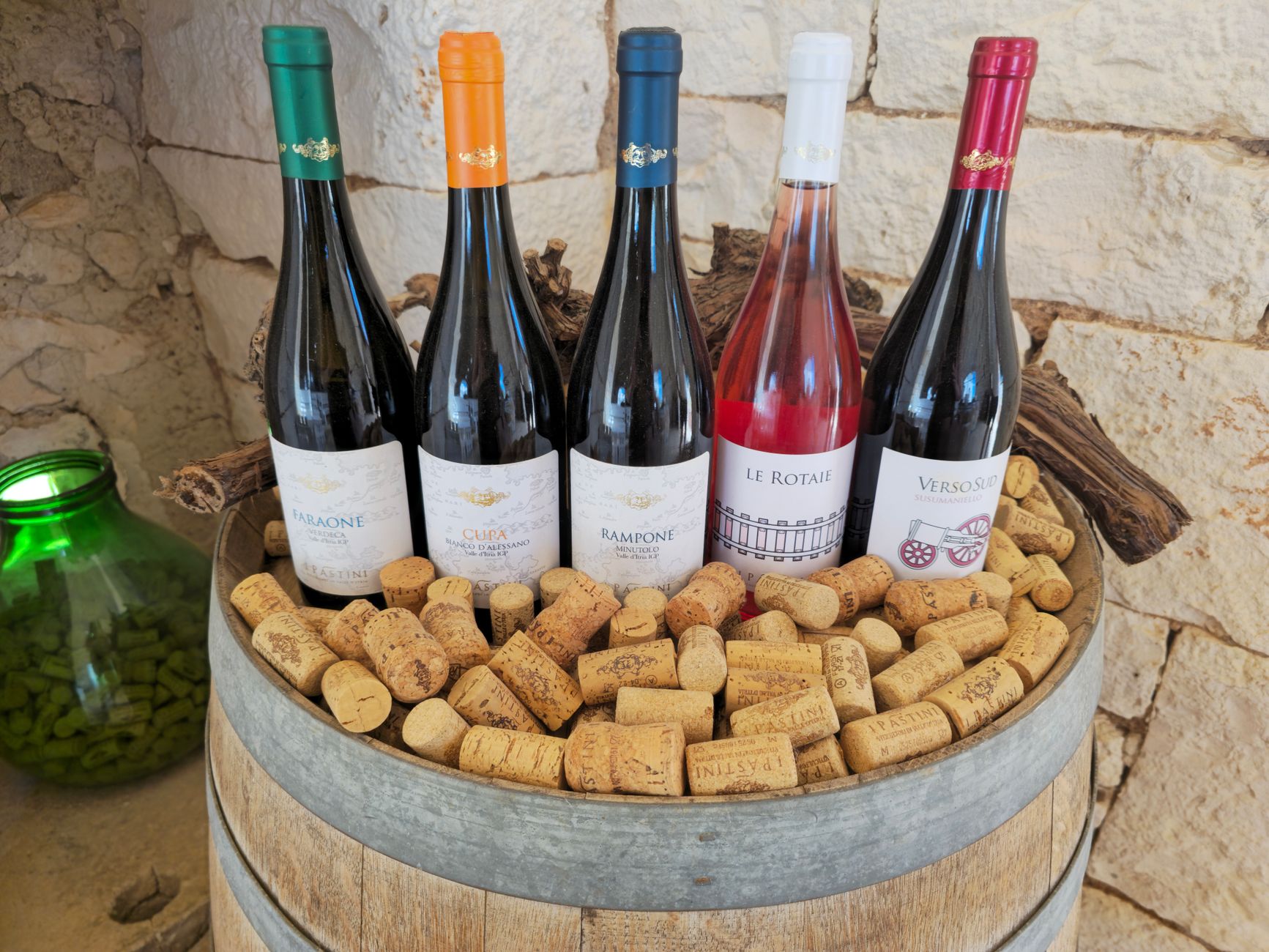
Wine lovers can book cellar visits and vineyard walks, often with the winemaker rather than a scripted guide. Tastings typically include six to eight pours, with a focus on food pairing rather than technical scoring. During harvest, some estates allow visitors to join a morning of picking before sitting down to a long lunch under the vines.
Cooking classes and market mornings add another layer. In towns such as Urla, Ayvalık, and Antalya, travellers can shop with a chef, learn to roll dolma or bake flatbread, and then eat the results on a terrace overlooking the sea. These experiences usually need to be booked ahead, especially between April and October.
How to Plan the Route
The trail is best experienced by car, which gives you the freedom to stop at roadside stands, hidden coves, and family kitchens that do not appear on any map. Allow at least a week to cover the Aegean section comfortably, and ten days to two weeks if you want to continue east along the Mediterranean to Antalya and beyond.
Spring and autumn are the sweet spots. Spring brings wild greens, artichokes, and mild walking weather; autumn delivers the olive harvest, grape picking, and the most active calendar of tastings and festivals. High summer is hot and crowded along the coast, though the evenings, with their long tables and sea breeze, remain magical.
Because many producers are small and family-run, opening hours can be flexible. Contact estates directly, ask your hotel or a local guide to arrange introductions, and always confirm tastings a day or two in advance. A little planning goes a long way toward turning a drive into a genuine cultural exchange.
Tasting Etiquette and Local Tips
Turkish tastings are generous and social. It is entirely normal for a short visit to stretch into an hour or more, with tea or coffee appearing alongside the olive oil. Accepting a second taste is a compliment, and asking about the harvest, the press, or the family history is warmly received.
When tasting olive oil, note that the peppery burn at the back of your throat is a sign of fresh polyphenols, not a flaw. For wine, spit if you are driving, and do not be shy about asking for water and bread between pours. Many wineries also sell directly, so you can buy the bottles you loved on the spot.
Prices vary widely. Small family mills often offer tastings for free or for a modest fee that is waived with purchase, while larger estates may charge a set amount for a structured tour. Tipping is not obligatory but is appreciated for exceptional hospitality.
Bringing Bottles Home: Practical Advice
Transporting olive oil and wine home from Turkey is straightforward with a little preparation. For checked luggage, wrap bottles in clothing, seal them in leak-proof bags, and consider padded wine sleeves or a rigid wine suitcase. Olive oil, especially in glass, benefits from the same care, and a small roll of bubble wrap in your bag can save a souvenir.
For wine, check your destination country's customs allowance before you fly. Many travellers can bring a limited number of bottles duty-free, with additional bottles subject to duty. Keep receipts handy in case officials ask about value, and always declare when required.
In cabin baggage, standard liquid restrictions apply, so the safest approach is to pack bottles in checked luggage or ship them. Several Turkish producers and specialised couriers offer international shipping, which removes the risk entirely, though it costs more and takes longer. For olive oil, choose dark glass or tin, keep it cool and away from light, and use it within a year for the brightest flavour.
Why This Route Matters
Beyond the pleasure of the table, the new trail supports rural economies, encourages sustainable farming, and gives small producers a direct link to the travellers who value their craft. It also invites visitors to slow down, to linger over a tasting, and to see Turkey not only through its monuments but through its soil, seasons, and kitchens.
Whether you are a devoted oenophile, a home cook in search of the perfect bottle of oil, or simply someone who likes eating well by the sea, this route offers a delicious introduction to Turkish terroir. Pack an appetite, leave room in your suitcase, and prepare to be welcomed like a friend.
Thinking about a trip to Turkey?
Share your contact details and a vetted local expert will follow up with a plan built around you — free, no obligation.