

Introduction: A Living Museum of Archaeology
Türkiye is often called the world's largest open-air museum, and for good reason. With over 20,000 archaeological sites spanning 12,000 years of history, this land has been the cradle of civilizations from the Hittites to the Romans, Byzantines, and Ottomans. But what sets Türkiye apart today is that many of these sites are not just static ruins—they are active excavation sites where archaeologists are still unearthing new discoveries each season.
For travelers, this offers an unparalleled opportunity: the chance to witness history being made firsthand. Imagine standing at the edge of a trench as a brush gently sweeps away millennia of dirt, revealing a mosaic or a statue that hasn't seen daylight since antiquity. In this guide, we'll take you through Türkiye's most exciting active digs that welcome visitors, along with practical tips on when to go, how to tour them responsibly, and why these experiences will redefine your understanding of the past.
Göbeklitepe: The World's Oldest Temple
Located near Şanlıurfa in southeastern Türkiye, Göbeklitepe rewrote history books when it was discovered in 1994. Dating back 11,600 years, it predates Stonehenge by 6,000 years and is considered the world's oldest known temple. The site features massive T-shaped limestone pillars carved with animal figures, arranged in circles—a feat of prehistoric engineering that challenges our understanding of hunter-gatherer societies.
Excavations are ongoing, with only about 10% of the site uncovered so far. Visitors can walk along a protective walkway that overlooks the main excavation area, where teams from the German Archaeological Institute and Şanlıurfa Museum continue to work each season. The best time to visit is during the excavation season, from May to October, when you might see archaeologists in action. Guided tours are available from Şanlıurfa, and the on-site visitor center provides excellent context.
Responsible tourism is key here: stay on designated paths, don't touch the pillars, and respect the barriers. The site is a UNESCO World Heritage Site, and its preservation is paramount.
Ephesus: A Roman Metropolis Still Yielding Secrets
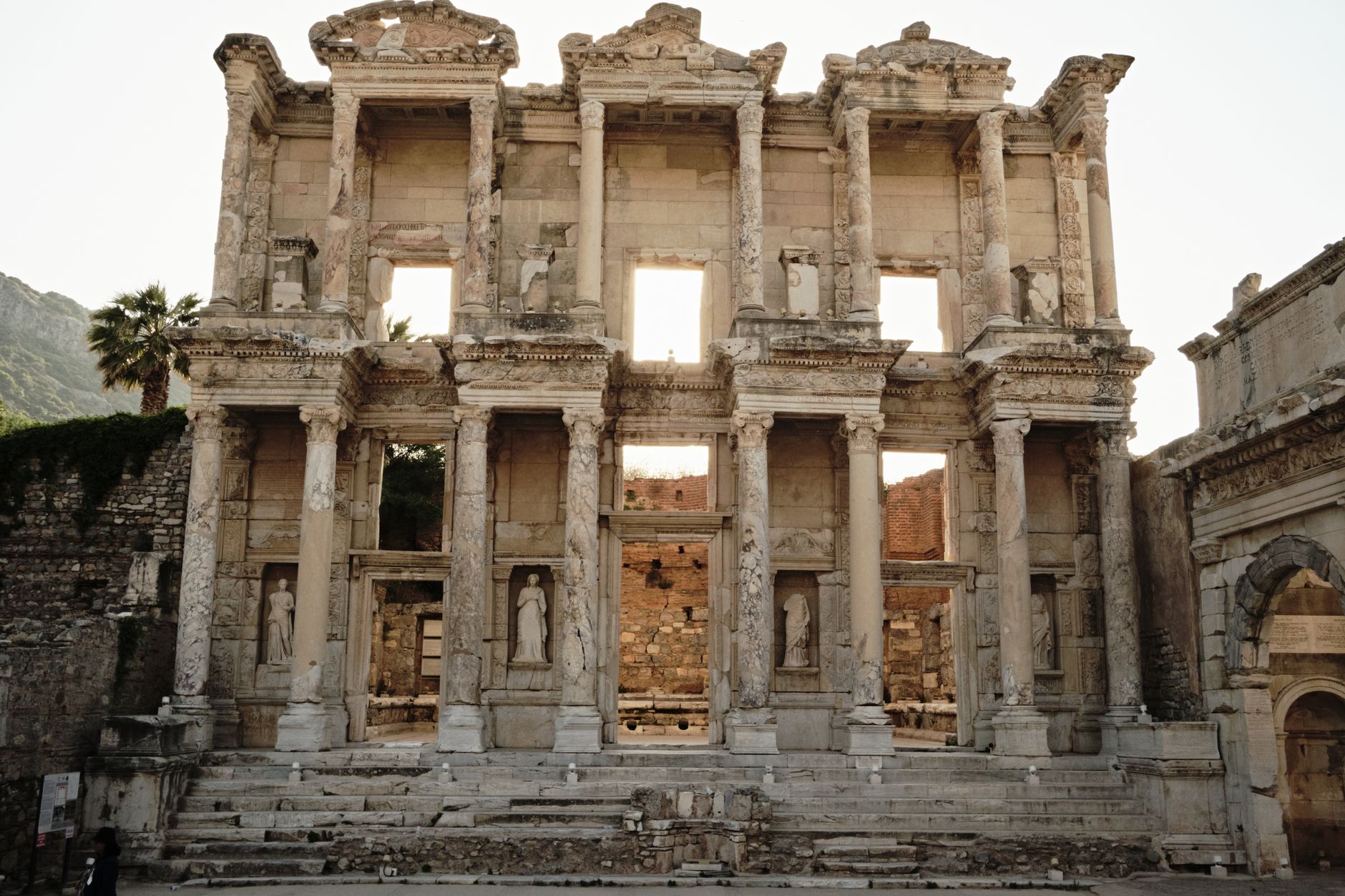
Ephesus, near Selçuk on the Aegean coast, is one of the best-preserved ancient cities in the world. But despite its fame, excavations are far from over. The Austrian Archaeological Institute has been digging here since 1895, and new discoveries continue to emerge—from terraced houses to the recently opened Church of Mary.
Visitors can explore the Library of Celsus, the Great Theater, and the Terrace Houses, but the real thrill lies in the active excavation areas. During summer, you can often see archaeologists working in the lower city or the Harbor Quarter. The Ephesus Archaeological Museum in Selçuk displays many of the finds, but nothing beats seeing a dig in progress.
For a deeper experience, consider a behind-the-scenes tour with the Ephesus Foundation, which occasionally offers access to restricted areas. Remember to wear sturdy shoes, bring water, and avoid the midday heat. The site is open year-round, but spring and autumn are ideal for both comfort and excavation activity.
Lesser-Known Digs: Where You Can Get Hands-On
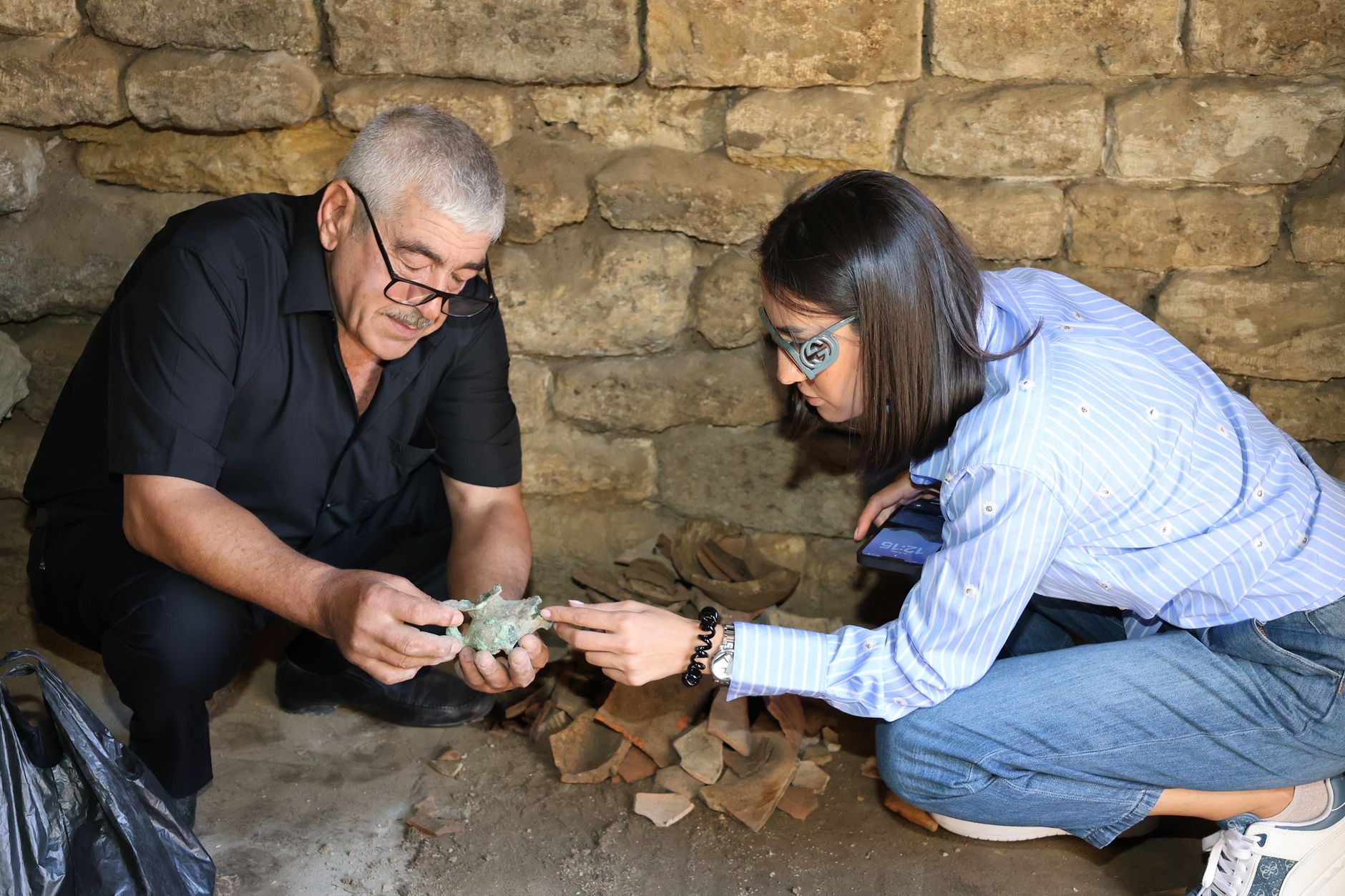
While Göbeklitepe and Ephesus draw crowds, Türkiye has countless lesser-known active excavations that offer more intimate experiences. Here are a few gems:
- Kültepe (Kaneš): Near Kayseri, this site was a major Assyrian trading colony. Excavations have uncovered thousands of cuneiform tablets. The dig season runs from July to September, and you can often chat with archaeologists on site.
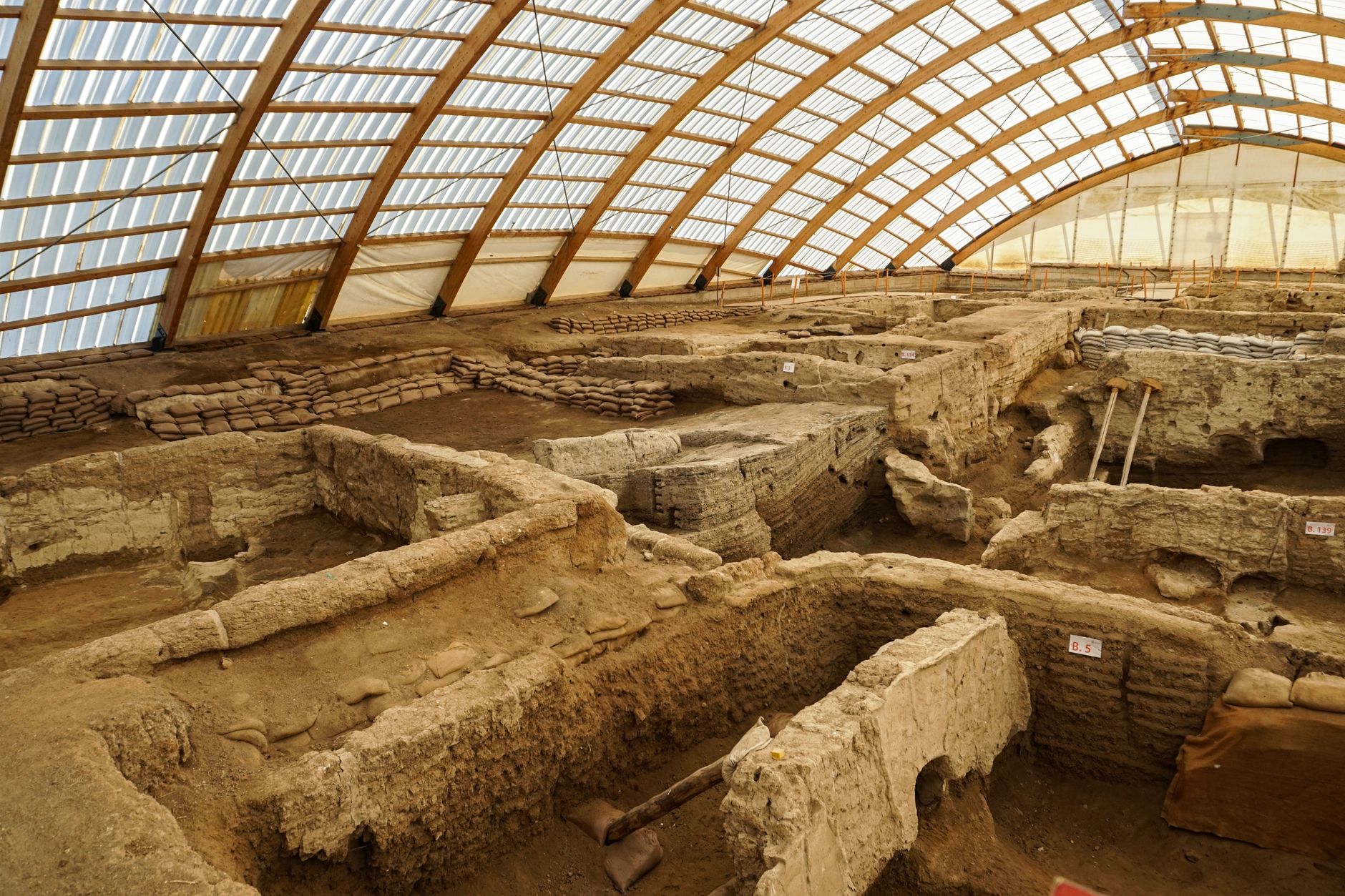
- Çatalhöyük: A Neolithic settlement in central Türkiye, famous for its wall paintings and burials. The site is open year-round, with excavation teams working in summer. The visitor center is excellent.
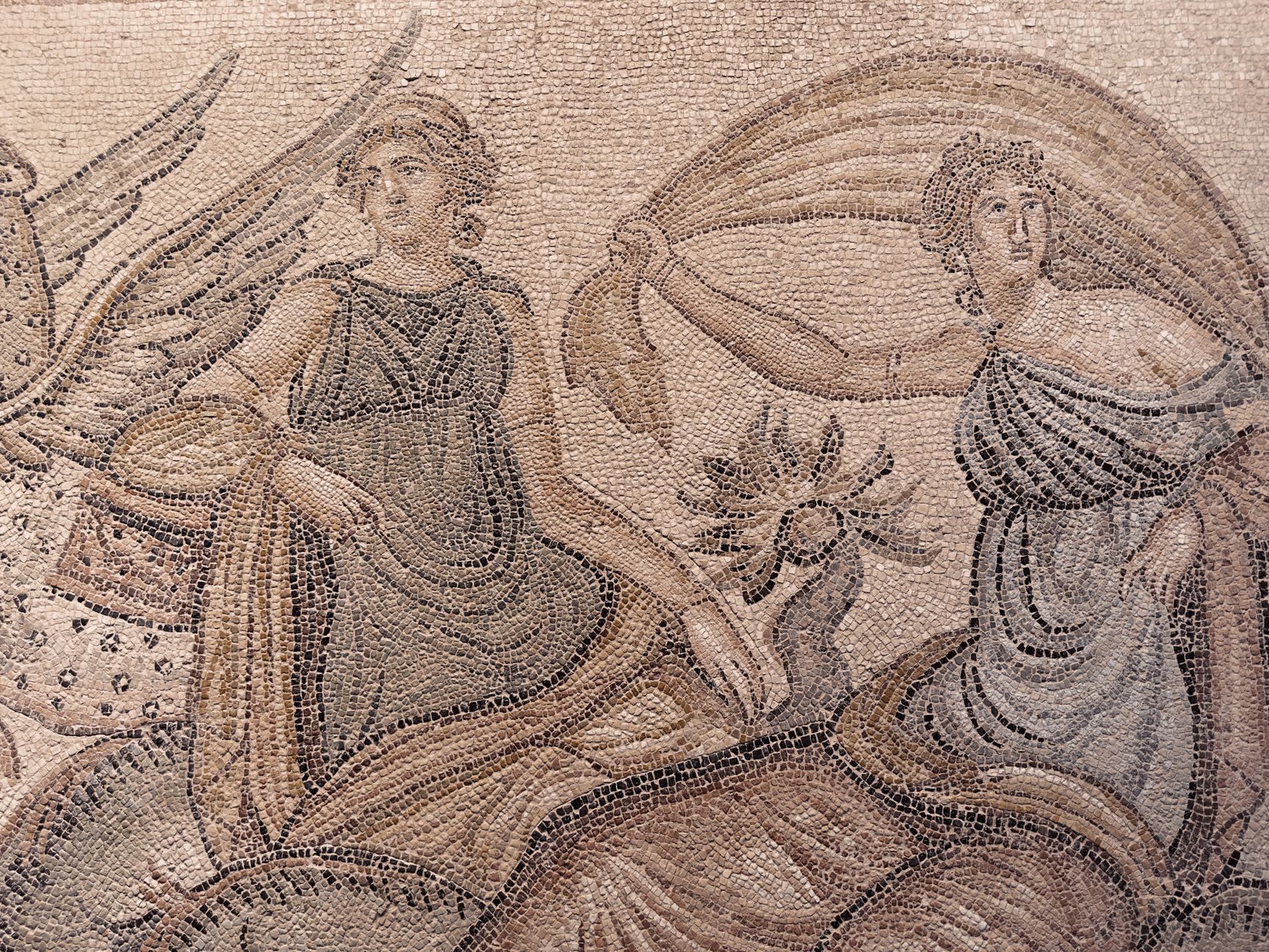
- Zeugma: Near Gaziantep, known for its stunning mosaics. The excavation is mostly complete, but ongoing conservation work allows visitors to see restorers in action.
- Patara: On the Lycian coast, this ancient port city has an active excavation led by Akdeniz University. You can visit the site and even volunteer in summer.
These sites often have fewer crowds and more opportunities for personal interaction with archaeologists. Check with local museums or universities for volunteer programs.
Seasonal Access and Guided Tours
The best time to visit active digs is during the excavation season, typically from May to October, when weather permits digging. However, some sites like Ephesus and Göbeklitepe are open year-round, though you won't see active work in winter.
Guided tours are highly recommended for context and access. Many tour companies in Istanbul, Izmir, and Antalya offer specialized archaeology tours. For Göbeklitepe, tours depart from Şanlıurfa; for Ephesus, from Selçuk or Kuşadası. Private tours can sometimes arrange visits to working trenches, but always with permission from the excavation director.
If you're keen on volunteering, organizations like the Archaeological Institute of America list opportunities. Turkish universities also accept volunteers, but you'll need to apply months in advance.
Responsible Visitor Etiquette
Visiting active excavations is a privilege, and it's crucial to follow etiquette to protect these irreplaceable sites:
- Stay on designated paths: Never enter trenches or touch artifacts unless invited by staff.
- Respect barriers and signs: They are there for your safety and site preservation.
- Don't disturb archaeologists: Observe quietly from a distance; ask questions only if they seem approachable.
- No drones or flash photography: These can interfere with work and damage artifacts.
- Support local conservation: Donate to site museums or buy from local artisans.
Remember, these sites are not theme parks—they are scientific laboratories and sacred grounds. Your responsible behavior ensures they remain accessible for future generations.
Why Türkiye Is a Global Treasure House
Türkiye's unique position as a bridge between continents has made it a crossroads of civilizations. From the earliest temples of Göbeklitepe to the grandeur of Ephesus, each layer of soil tells a story of human ingenuity and resilience. The ongoing excavations are not just about uncovering the past; they are about understanding our shared heritage.
By visiting these sites, you become part of that story. You witness the thrill of discovery, the painstaking work of archaeologists, and the joy of seeing a long-lost artifact emerge from the earth. Türkiye invites you to not just see history, but to experience it in the making.
So pack your sense of adventure and respect, and head to Türkiye's open-air digs. Whether you're a history buff, a curious traveler, or a student of archaeology, the experience will leave you awe-struck and inspired.
Thinking about a trip to Turkey?
Share your contact details and a vetted local expert will follow up with a plan built around you — free, no obligation.