

Why Türkiye Is a Hidden Gem for Public Art Lovers
When travelers think of Türkiye, they often picture the domes of Istanbul, the terraces of Pamukkale, or the fairy chimneys of Cappadocia. Yet beyond the museums and ancient ruins lies a thriving contemporary art scene that spills out of galleries and into the open air. Across the country, sculpture parks, land art installations, and site-specific commissions are transforming coastlines, forests, and even urban parks into free, accessible exhibitions.
This shift is not new. Since the 1990s, Turkish municipalities, private foundations, and international biennials have invested in public art as a way to democratize culture. The result is a growing network of outdoor spaces where you can encounter monumental steel forms, marble abstractions, and ecological interventions while hiking, cycling, or simply strolling.
For travelers, these open-air sites offer a fresh way to see the country—one that blends nature, history, and contemporary creativity. Best of all, most are free or low-cost, and many are open year-round.
Istanbul: Sculpture in the City and Along the Bosphorus
Istanbul may be famous for its historic peninsula, but its contemporary art scene is equally dynamic. The Istanbul Modern has a permanent outdoor terrace with rotating sculptures overlooking the Bosphorus, while the Sakıp Sabancı Museum's garden hosts temporary installations by Turkish and international artists. For a more immersive experience, head to Yıldız Park in Beşiktaş, where sculptures are nestled among century-old trees, or to Maçka Democracy Park, which regularly features open-air exhibitions.
Along the Bosphorus, the Ortaköy Sculpture Park (near the mosque) displays works by local artists against the backdrop of the 15 July Martyrs Bridge. The Istanbul Biennial, held every two years, often commissions temporary installations across the city—from ferry terminals to public squares—making the entire metropolis a gallery.
Accessibility: Most parks are reachable by metro, tram, or ferry. Yıldız Park is a short walk from Yıldız Metro Station; Ortaköy is served by bus and dolmuş. Best photo times: Early morning or late afternoon for soft light on the Bosphorus, and golden hour for silhouettes against the water.
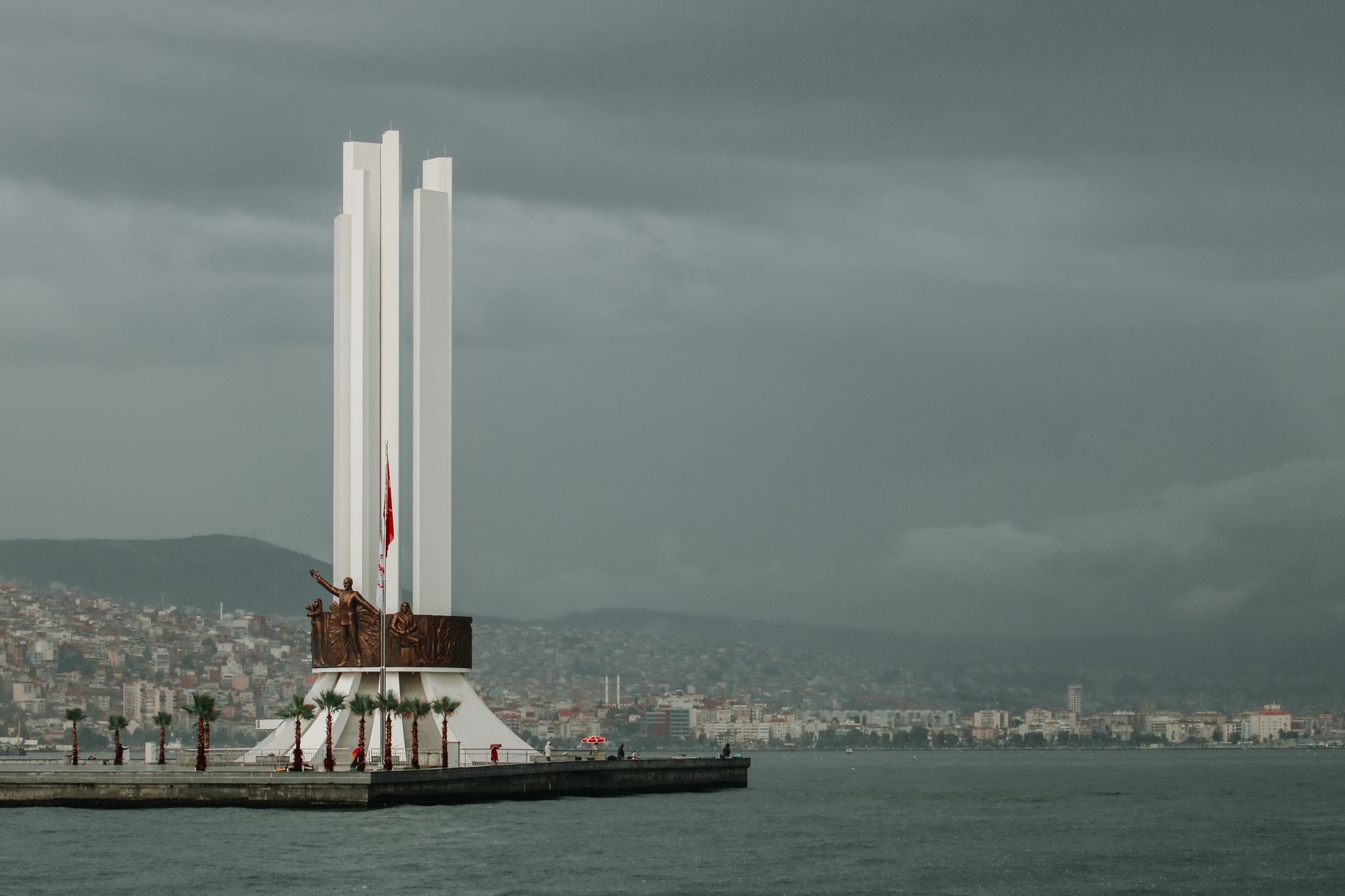
Ankara: Eymir Lake and the CerModern Open-Air Gallery
Ankara, often overlooked by tourists, has a surprising concentration of public art. The Eymir Lake area, popular with joggers and cyclists, features sculptures integrated into the landscape along its 10-kilometer trail. The CerModern museum has an outdoor sculpture garden that hosts contemporary works, and the ODTÜ (Middle East Technical University) campus is dotted with modernist sculptures from the 1960s onward.
The Ankara Sculpture Park (Ankara Heykel Parkı) near the Atatürk Cultural Center is a dedicated space with works by Turkish sculptors such as Kuzgun Acar and İlhan Koman. It's a peaceful spot to contemplate art without crowds.
Accessibility: Eymir Lake is reachable by bus from Kızılay; CerModern is a short taxi ride from the city center. Best photo times: Spring and autumn for lush surroundings; midday for stark shadows that highlight form.
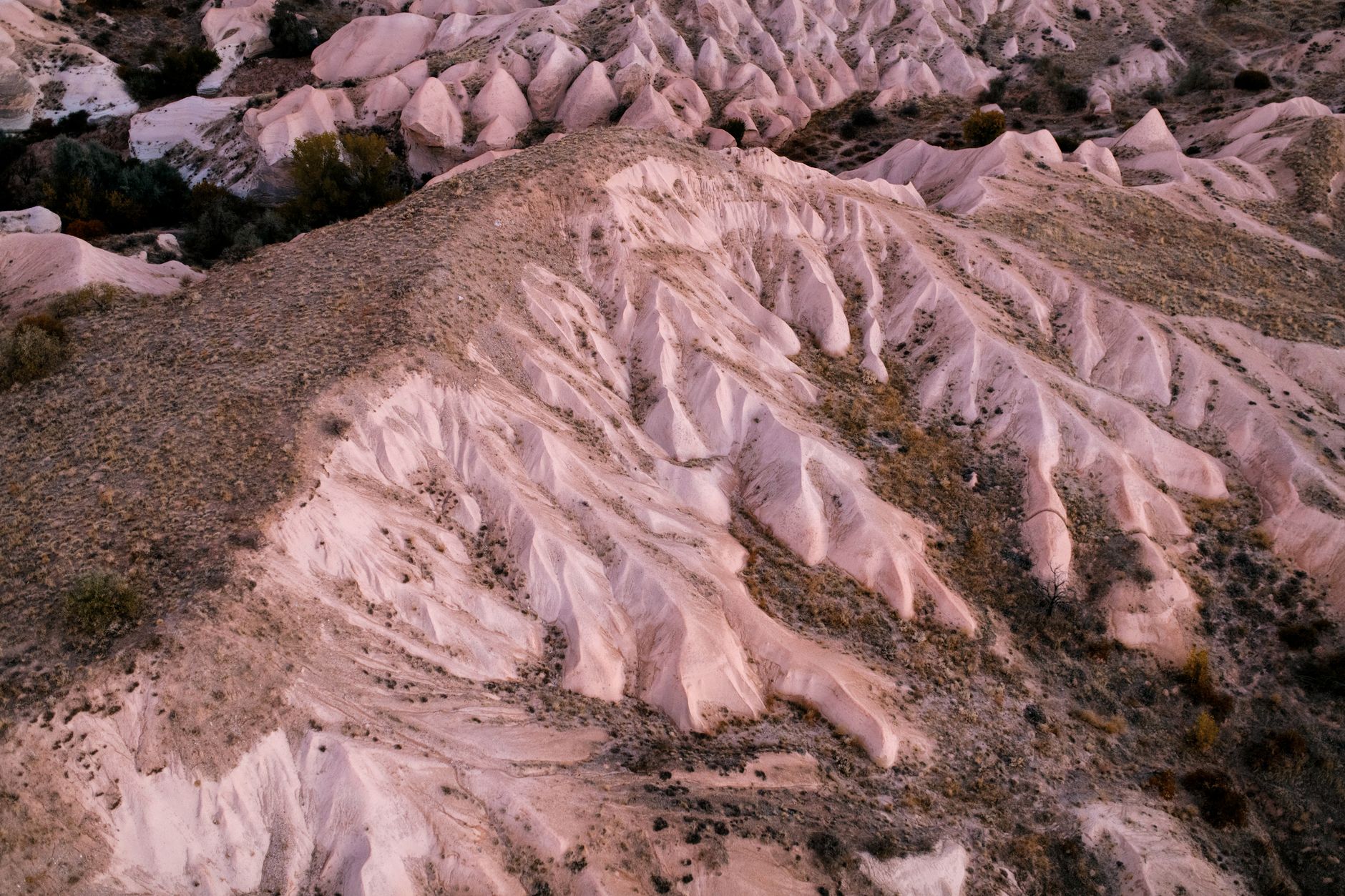
Izmir: The Aegean's Sculpture Coast
Izmir has embraced public art as part of its identity. The Kültürpark, a vast green oasis in the city center, is home to the Izmir Sculpture Park, with over 50 works by Turkish and international artists. The park also hosts the Izmir International Fair, often with open-air installations.
Along the Kordon promenade, you'll find temporary exhibitions and permanent pieces that frame the Aegean Sea. Further south, the Çeşme Sculpture Park (a smaller but charming site) offers sea views and works by regional artists. The Izmir Biennial (formerly the International Izmir Festival) has also commissioned land art in the nearby Kemeraltı district.
Accessibility: Kültürpark is a short walk from Basmane Metro; the Kordon is served by tram. Best photo times: Sunset for the Kordon, when the sea and sky turn pink; early morning for Kültürpark to avoid heat.
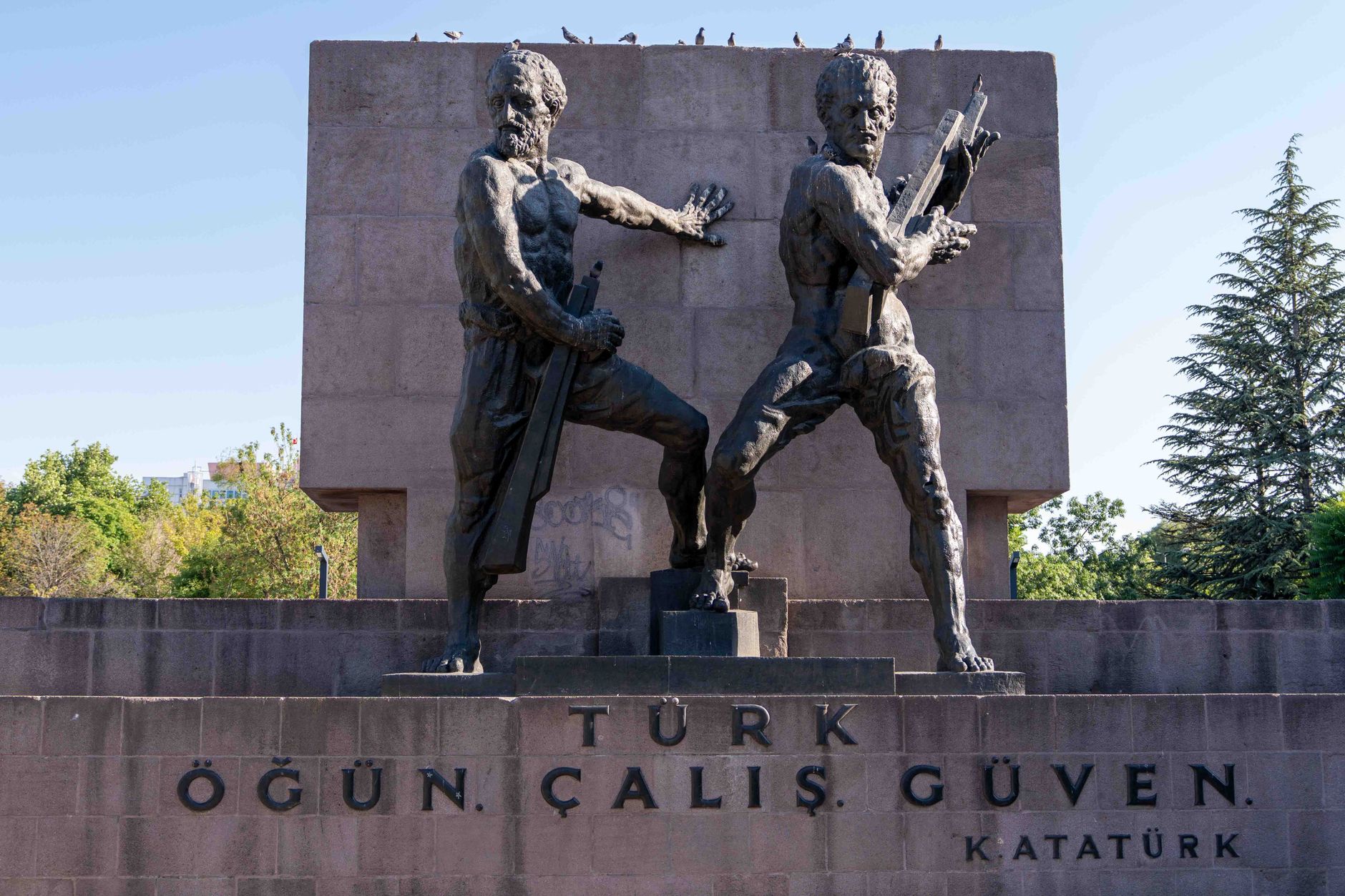
Bodrum and the Aegean Coast: Art Meets the Sea
Bodrum is not just about castles and nightlife. The Bodrum Open-Air Sculpture Park, located near the marina, features works by Turkish artists inspired by maritime themes. The Zeki Müren Arts Museum also has an outdoor garden with sculptures.
Further along the coast, Datça and Marmaris host small sculpture parks, often integrated into pine forests. The Gökova Gulf area has seen land art projects that highlight environmental issues, such as the Cleopatra Beach installation made from recycled materials.
Accessibility: Bodrum is reachable by bus or ferry; local dolmuşes serve the coast. Best photo times: Golden hour for sea reflections; avoid midday glare.
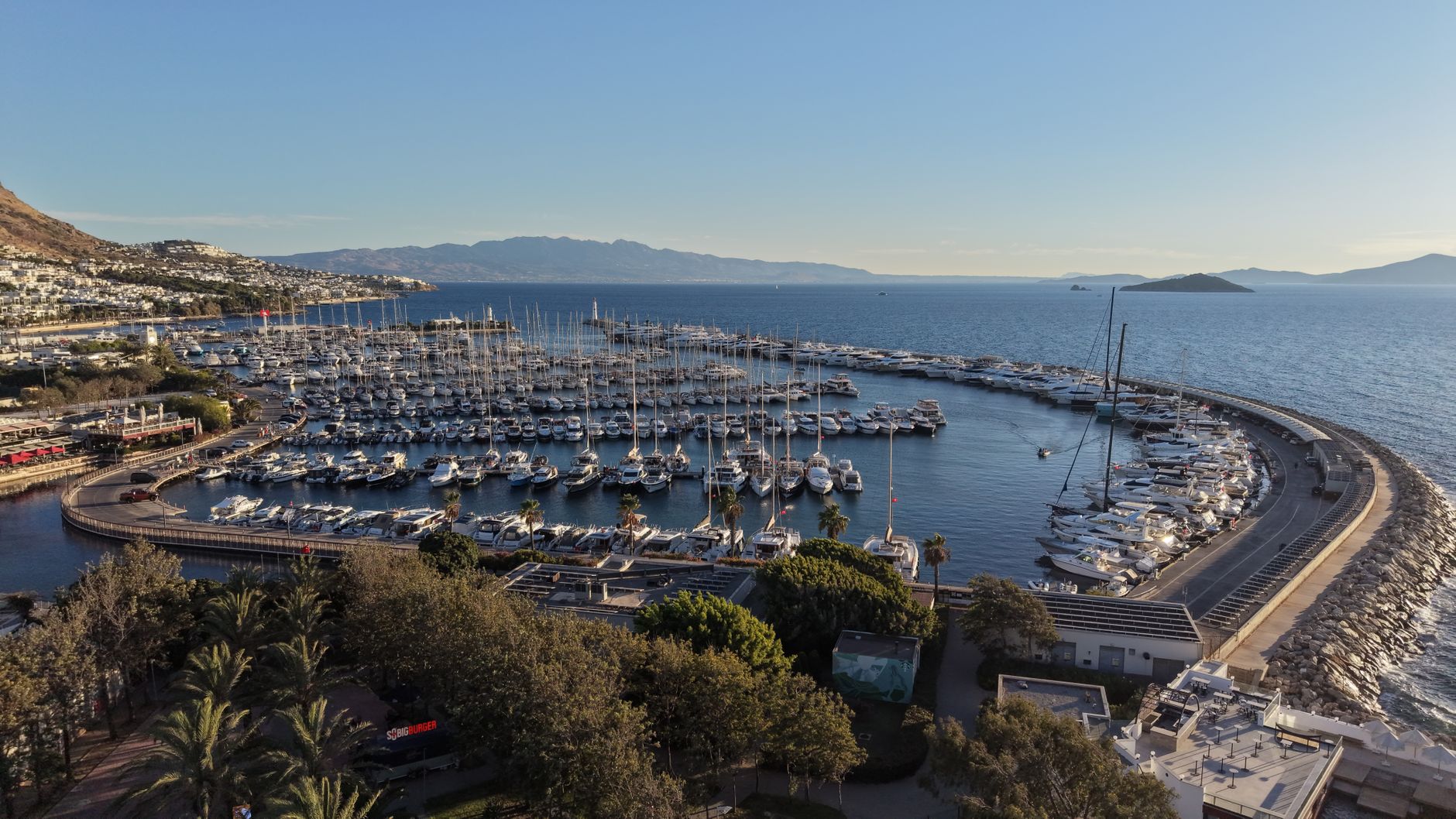
Cappadocia: Land Art in a Surreal Landscape
Cappadocia's fairy chimneys are a natural work of art, but the region also hosts contemporary interventions. The Göreme Open-Air Museum is famous for its rock-cut churches, but nearby, the Uçhisar Castle area has seen temporary land art installations that play with the volcanic terrain.
In recent years, the Cappadocia Balloon Festival has included sculptural elements, and local galleries like Galeri İkman in Ürgüp exhibit outdoor pieces. The Red Valley and Rose Valley trails occasionally feature ephemeral land art made from natural materials.
Accessibility: The region is best explored by car or guided tour; trails vary in difficulty. Best photo times: Sunrise, when balloons fill the sky and light hits the rocks; sunset for warm tones.
Eastern Türkiye: Land Art on the Steppe and Mountains
Eastern Anatolia is not a typical art destination, but it is home to ambitious land art projects. The Kars region, near the Armenian border, has seen installations that respond to the vast, empty steppe. The Lake Van area hosts sculptures that reference local mythology and the lake's unique soda waters.
In Mardin, the Mardin Biennial has commissioned open-air works that engage with the city's Mesopotamian heritage. These projects often involve local communities and use natural materials like stone and earth.
Accessibility: Eastern Türkiye requires domestic flights or long bus rides; renting a car is recommended. Best photo times: Early morning for mist over the steppe; late afternoon for golden light on stone.
Practical Tips for Visiting Türkiye's Open-Air Art
When to go: Spring (April–June) and autumn (September–November) offer mild weather and lush landscapes. Summer can be hot, especially in the south, while winter may close some mountain sites.
Accessibility: Major cities have good public transport, but rural sites often require a car. Many parks are wheelchair-accessible, but check ahead. Entrance is usually free or a small fee.
Photography: Bring a polarizing filter to reduce glare, and a wide-angle lens for monumental works. Respect any barriers—some sculptures are fragile.
Etiquette: Do not climb on artworks unless permitted. Some installations are temporary; check local listings or the Istanbul Foundation for Culture and Arts (İKSV) website for current exhibitions.
Whether you're an art aficionado or simply curious, Türkiye's open-air sculpture parks and land art offer a refreshing, culturally rich way to experience the country. Step outside the museum and into the landscape—you'll find creativity waiting at every turn.
Thinking about a trip to Turkey?
Share your contact details and a vetted local expert will follow up with a plan built around you — free, no obligation.