

Why Türkiye's Orchards Are a Family Paradise
Türkiye is one of the world's great fruit baskets. Thanks to its generous sunshine, diverse microclimates, and rich soil, the country produces everything from succulent cherries and apricots to figs, pomegranates, and quince. For families, this means one delightful thing: you can spend a day in an orchard, picking fruit straight from the branch and enjoying a picnic under the trees.
Orchard picnics and fruit-picking days have become a beloved summer and autumn tradition. They offer a perfect escape from city heat, a hands-on lesson in where food comes from, and a chance to taste fruit at its absolute peak—something no supermarket can match. The welcoming culture of rural Türkiye means farm gates are often open, and farmers are happy to share their harvest with visitors.
In this guide, we'll walk you through which fruits ripen when, how farm-gate hospitality works, what to pack for a perfect picnic, and how to handle payments. Whether you're traveling with kids, planning a romantic getaway, or just love fresh fruit, an orchard day is a highlight of any Turkish summer or autumn.
Fruit-Picking Calendar: What Ripens When
Timing is everything when it comes to fruit picking. Here's a month-by-month guide to help you plan your orchard visit. Keep in mind that exact dates vary by region and altitude—earlier in the warm south, later in the cooler highlands.
Late Spring (May–June)
- Cherries: May to early June in the Aegean and Mediterranean regions. Look for orchards around Izmir, Manisa, and Isparta.
- Strawberries: May to June, especially in the fertile plains of Mersin and Antalya.
- Apricots: Late May to June in Malatya, the apricot capital of the world.
Summer (July–August)
- Peaches and Nectarines: July to August across the Aegean and Marmara regions.
- Plums: July to September, with many varieties available.
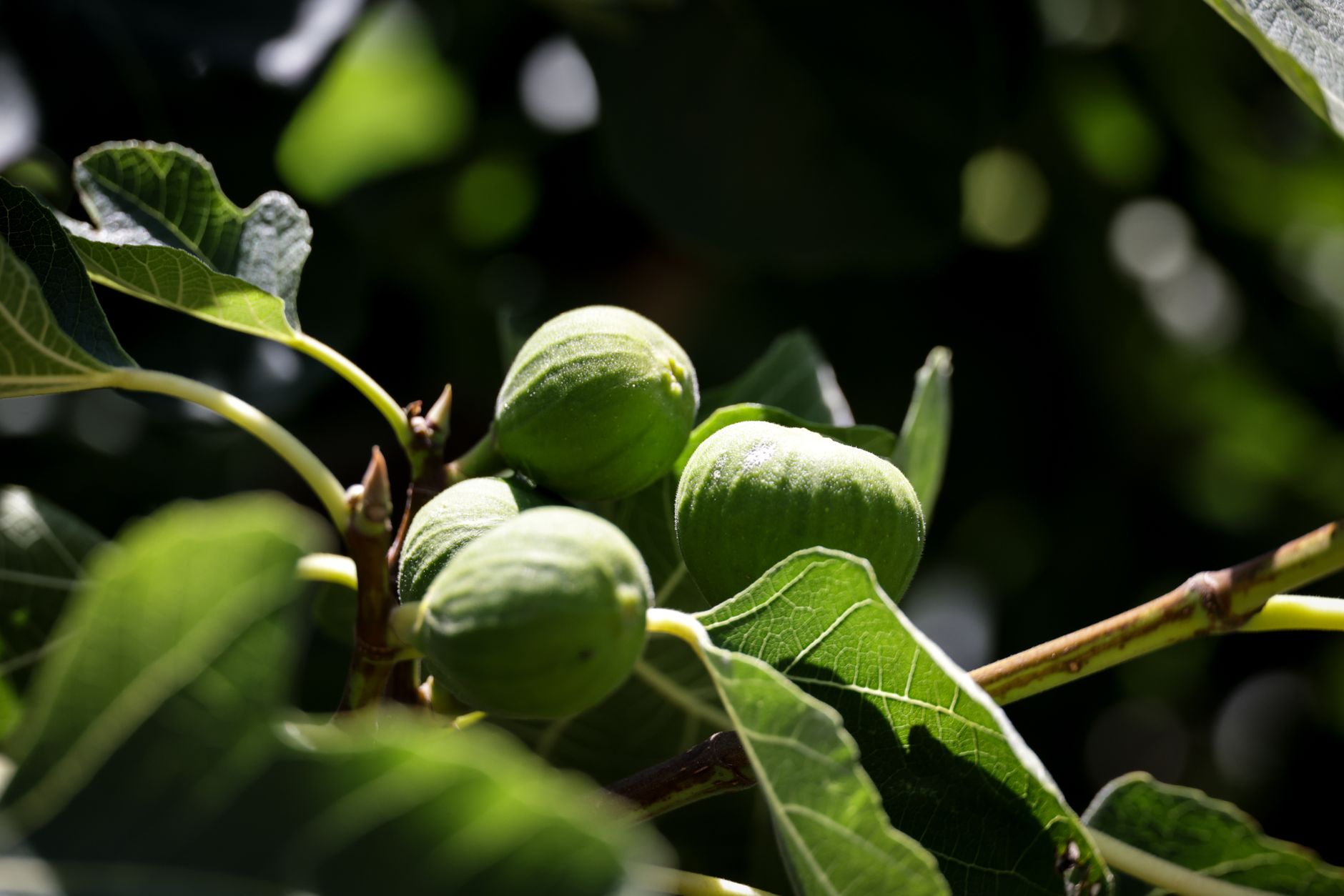
- Figs: August to September, particularly in Aydın and the Aegean coast.
- Grapes: August to October, with vineyard picnics a growing trend.
Autumn (September–October)
- Apples and Pears: September to October in the cooler highlands of Central Anatolia and the Black Sea region.
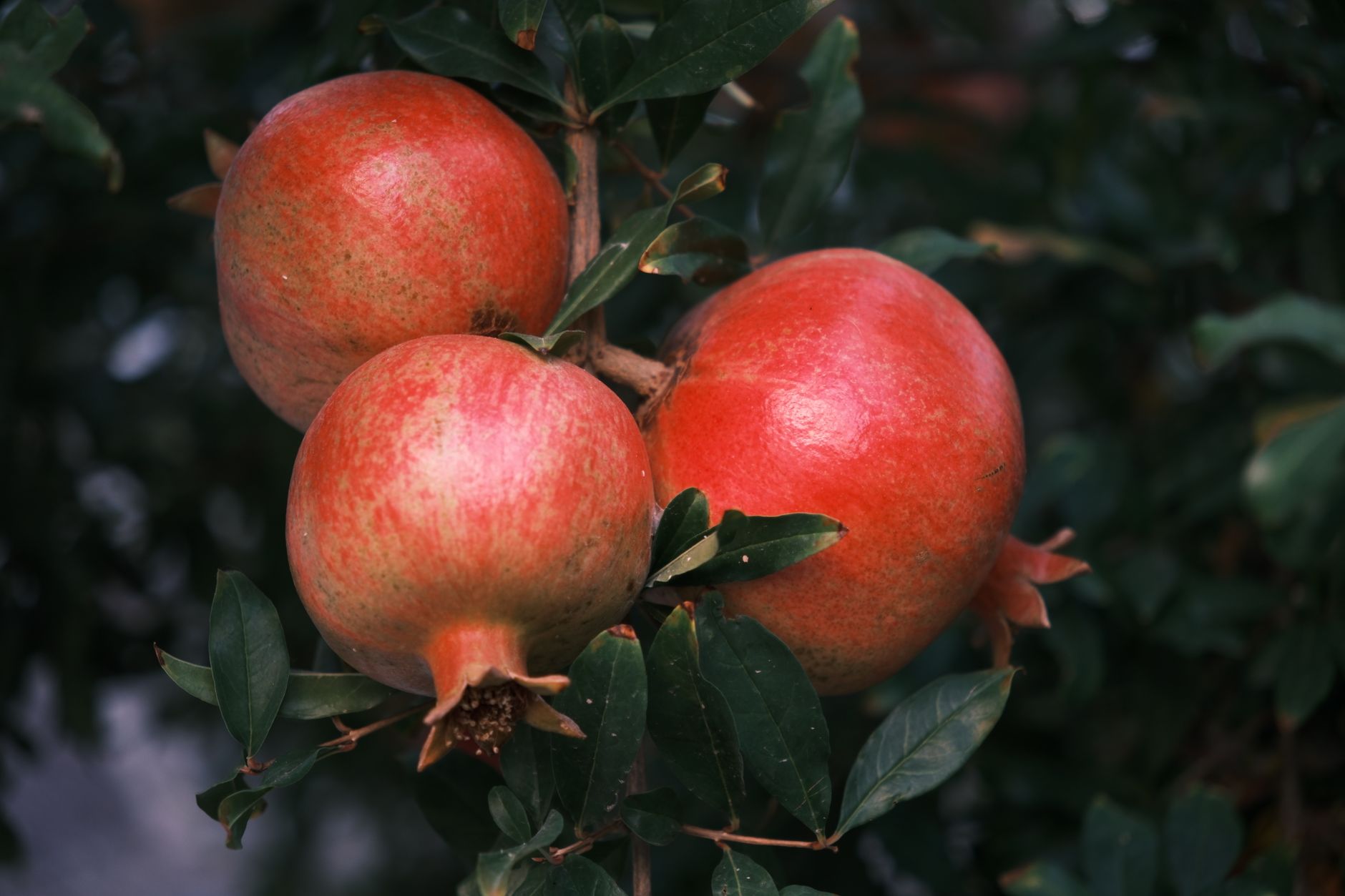
- Pomegranates: September to November, especially in the Mediterranean and Aegean.
- Quince: October to November, a favorite for jams and jellies.
- Persimmons: October to November, sweet and vibrant orange.
Use our best time to visit guide to align your trip with your favorite fruit. For a broader seasonal overview, check out our travel guides.
Farm-Gate Welcomes: What to Expect
One of the joys of fruit picking in Türkiye is the warm welcome you'll receive at the farm gate. Many orchards are family-run, and the owners take pride in showing visitors around. Here's what a typical visit looks like:
You'll often be greeted with a smile and a quick tour of the orchard. The farmer might hand you a basket or bucket and point you to the best rows for picking. Some farms offer a short explanation of how to pick fruit without damaging the tree—twist gently, don't pull. Don't be surprised if you're offered a glass of tea or a piece of fruit to taste before you start.
Many orchards also have small farm shops selling homemade jams, dried fruit, olive oil, and other local products. It's a great way to support the local economy and take a taste of the day home with you. If you're interested in more immersive local experiences, our local experts can point you to the best family-friendly farms.
Remember that these are working farms, not theme parks. Respect the land, ask before entering areas that aren't clearly open to visitors, and keep an eye on children around machinery and irrigation channels.
Perfect Picnic Packing List
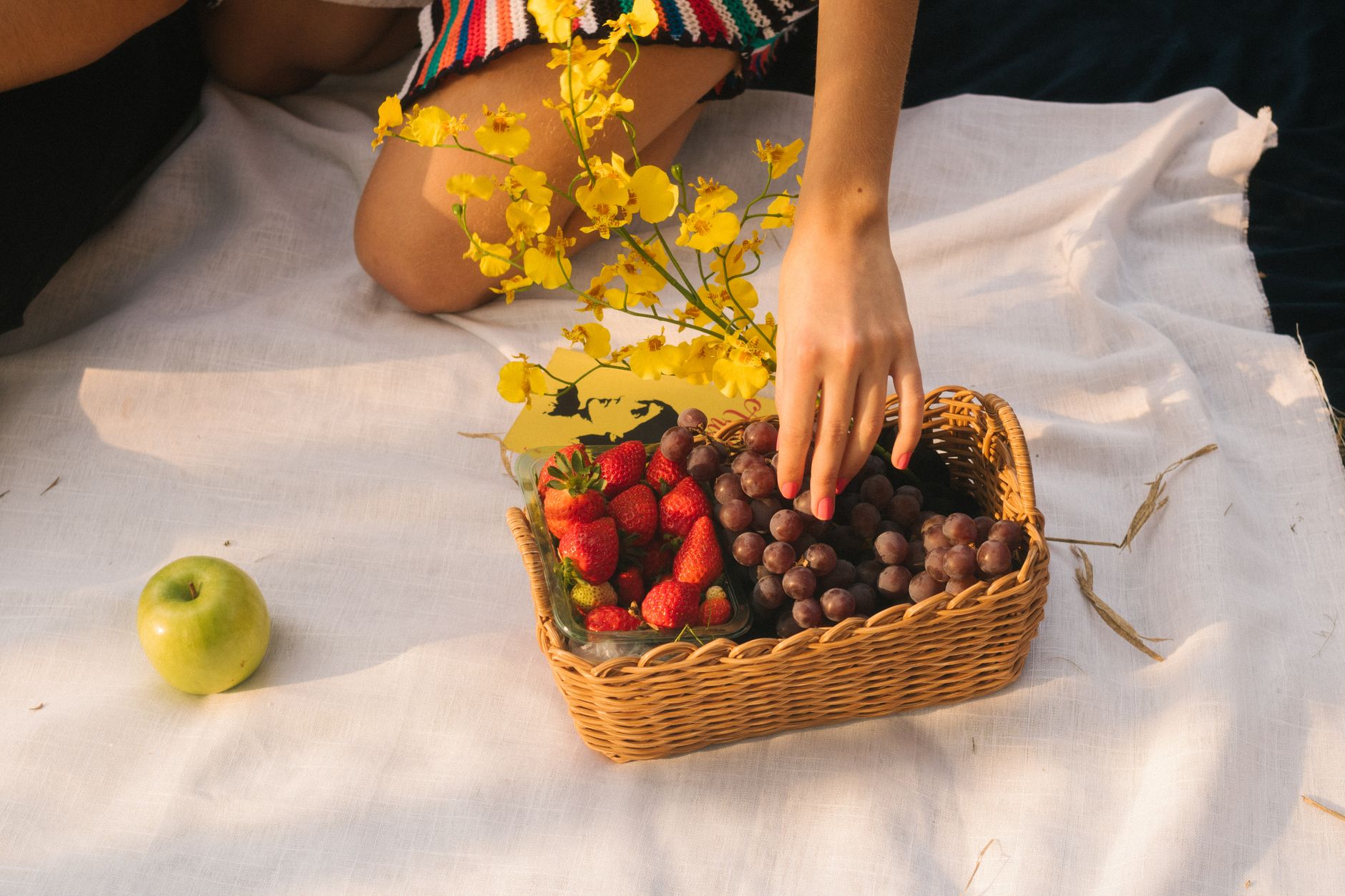
A picnic in the orchard is the cherry on top of a fruit-picking day. Here's how to pack like a pro:
- Blanket or mat: Choose one that's easy to fold and carry; waterproof backing is a plus.
- Cooler bag: Essential for keeping drinks, cheeses, and any perishables cool.
- Reusable plates, cups, and cutlery: Lightweight and eco-friendly.
- Napkins and wet wipes: Fruit picking can get sticky!
- Water bottles: Stay hydrated, especially in the summer heat.
- Sun protection: Hats, sunscreen, and sunglasses are must-haves.
- Comfortable shoes: Closed-toe shoes are best for walking in orchards.
- Baskets or bags for fruit: Bring your own or use those provided by the farm.
- Cash in small bills: Many farms don't accept cards, and exact change is appreciated.
- Hand sanitizer: For quick clean-ups before eating.
For more travel essentials, see our travel tools page.
What to Eat and Drink
Keep it simple and local. Pack items that pair well with fresh fruit: crusty bread, cheese (beyaz peynir or kaşar), olives, tomatoes, cucumbers, and maybe some cold köfte or a cheese borek. For drinks, ayran (a yogurt drink) is refreshing and pairs beautifully with a picnic. Don't forget a thermos of Turkish tea if you're visiting in cooler months.
And of course, the star of the show: the fruit you just picked! There's nothing like biting into a sun-warmed peach or a perfectly ripe fig straight from the tree.
Payment Norms and Practical Tips
Fruit picking is usually priced by the kilogram. You pay for what you pick, and prices are often lower than in supermarkets because you're cutting out the middleman. Some farms charge a small entrance fee that may be credited toward your fruit purchase. Always ask about the pricing before you start picking to avoid surprises.
Cash is king in rural areas. While some larger orchards may accept credit cards, many small family farms prefer cash. Bring enough Turkish lira in small denominations. Tipping is not expected but always appreciated for exceptional service or if you've taken up a lot of the farmer's time.
It's also polite to ask before taking photos, especially of people. And if you're visiting during peak season, a quick phone call ahead can ensure the farm is open and has fruit ready for picking.
For more on cultural norms, see our FAQ.
The Joy of Eating Fruit Straight from the Branch
There's a reason why people travel from all over to pick fruit in Türkiye: the taste. Fruit ripened on the tree and eaten within minutes of picking is a revelation. The sugars are fully developed, the texture is perfect, and the flavor is intense. Children who turn up their noses at supermarket fruit often devour handfuls of cherries or figs they've picked themselves.
It's also a wonderful way to connect with nature and understand the rhythms of the seasons. You'll learn to spot a ripe peach by its blush and gentle give, to twist a fig gently from the branch, and to avoid the ones that aren't ready yet. These are simple skills, but they bring a deep satisfaction.
Many families make orchard visits an annual tradition. It's a chance to slow down, breathe fresh air, and enjoy the simple pleasure of a picnic under the trees. And the memories—sticky fingers, sun-kissed cheeks, and baskets overflowing with fruit—last a lifetime.
If you're planning a trip that includes orchard time, consider combining it with other family-friendly activities. Our itineraries include options that blend nature, culture, and food. And for more inspiration, browse our blog.
Ready to Plan Your Orchard Adventure?
Türkiye's orchards are waiting to welcome you with open arms and baskets of ripe fruit. Whether you're dreaming of cherry-picking in May, fig-gathering in August, or pomegranate-hunting in October, there's a perfect picking season for everyone.
Start by exploring our destinations page to find the best fruit-growing regions, or use our trip planner to build a custom itinerary that includes orchard visits and picnics. For personalized recommendations, our local experts are here to help.
Happy picking—and even happier eating!
Thinking about a trip to Turkey?
Share your contact details and a vetted local expert will follow up with a plan built around you — free, no obligation.