
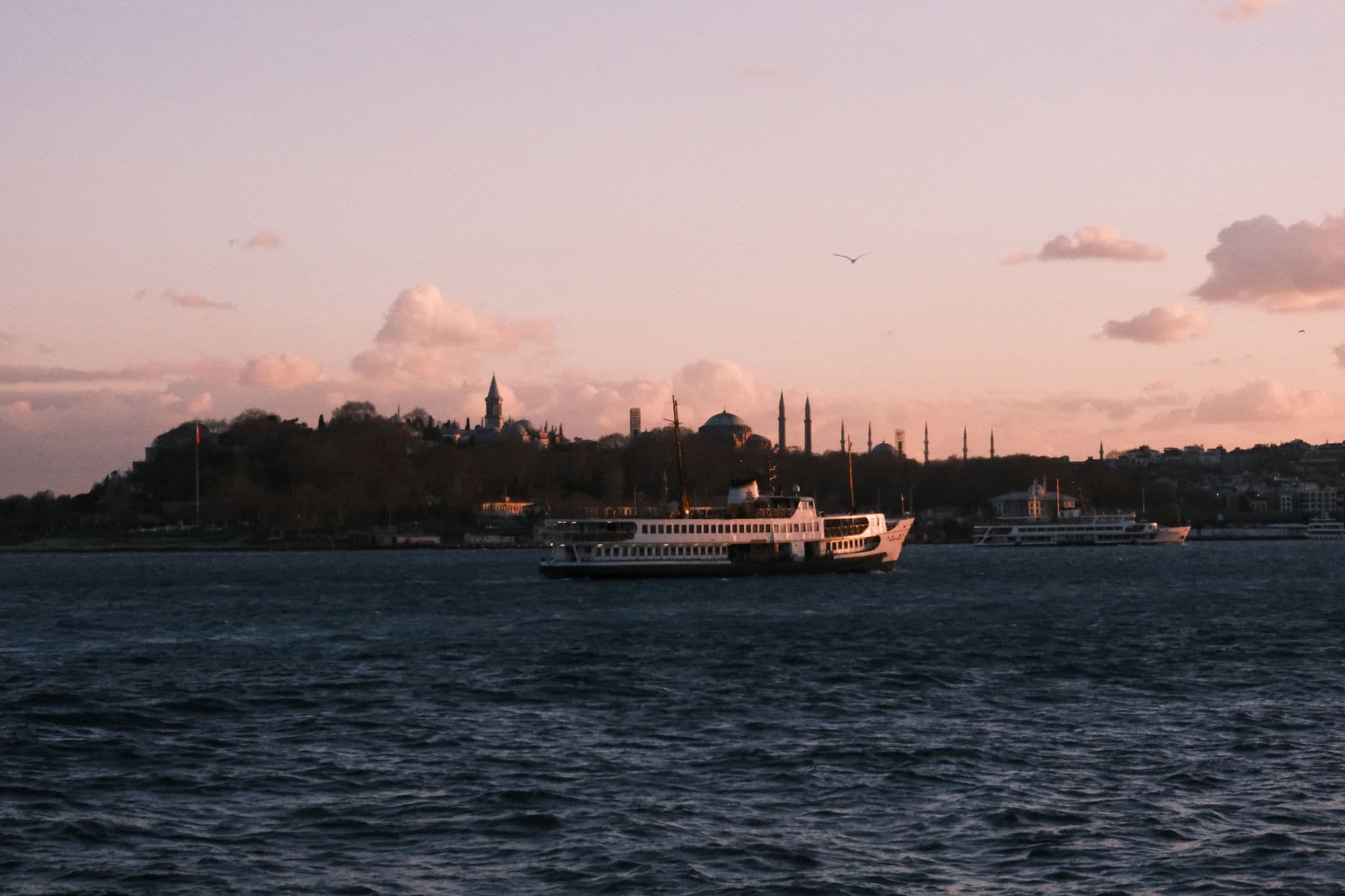
Türkiye is a country that reads. Walk through any neighborhood from the Bosphorus to the Tigris and you will pass tea gardens full of men and women bent over books, secondhand stalls stacked with dog-eared poetry collections, and monuments to writers who once argued, loved and scribbled on these same stones. Literature is not a museum piece here; it is a living conversation that spills from the page into the street. This guide invites you to join that conversation. We will trace three literary city walks — in Istanbul, Ankara and Diyarbakır — following the footsteps of Nazım Hikmet, Orhan Pamuk and the Anatolian bards, with cozy stops for çay and a short reading list for each city.
Why Türkiye Is a Country Written in Verse
For centuries, poetry was the language of the Ottoman court and the village square alike. In the courtyards of Anatolia, wandering aşık (lovesick minstrels) sang improvised verses to the strings of the saz, while divan poets perfected intricate meters behind palace walls. When the Republic arrived in 1923, a new generation of writers turned those rhythms toward modern life — and Türkiye's cities became their notebooks.
That literary density is what makes traveling here feel different from visiting, say, a country where literature belongs to the library. A ferry ride on the Bosphorus is flooded with lines from Istanbul poets; an Ankara café may still hold the ghost of a revolutionary debate; a Diyarbakır courtyard echoes with the bardic tradition that predates the nation itself. You do not need to be a specialist to enjoy this — just curious, and willing to sit down with a glass of tea.
If you are planning a culture-focused trip, our travel guides and sample itineraries can help you weave these walks into a longer route. But the heart of a literary journey is simple: pick a city, pick a book, and walk.
Istanbul: Nazım Hikmet, Orhan Pamuk and the Poetry of the Bosphorus
Istanbul is the great protagonist of Turkish literature. Nazım Hikmet (1902–1963), Türkiye's most beloved and most exiled poet, was born here and never stopped writing about it, even from prison and from abroad. His poem “Ceviz Ağacı” and his odes to the city carry a tenderness for its people that feels immediate even a century later. Orhan Pamuk, the Nobel laureate, made Istanbul itself a character in Istanbul: Memories and the City and in novels like The Black Book, capturing the city's famous hüzün — a shared melancholy that begins as sadness and becomes, in his telling, a kind of companionship.
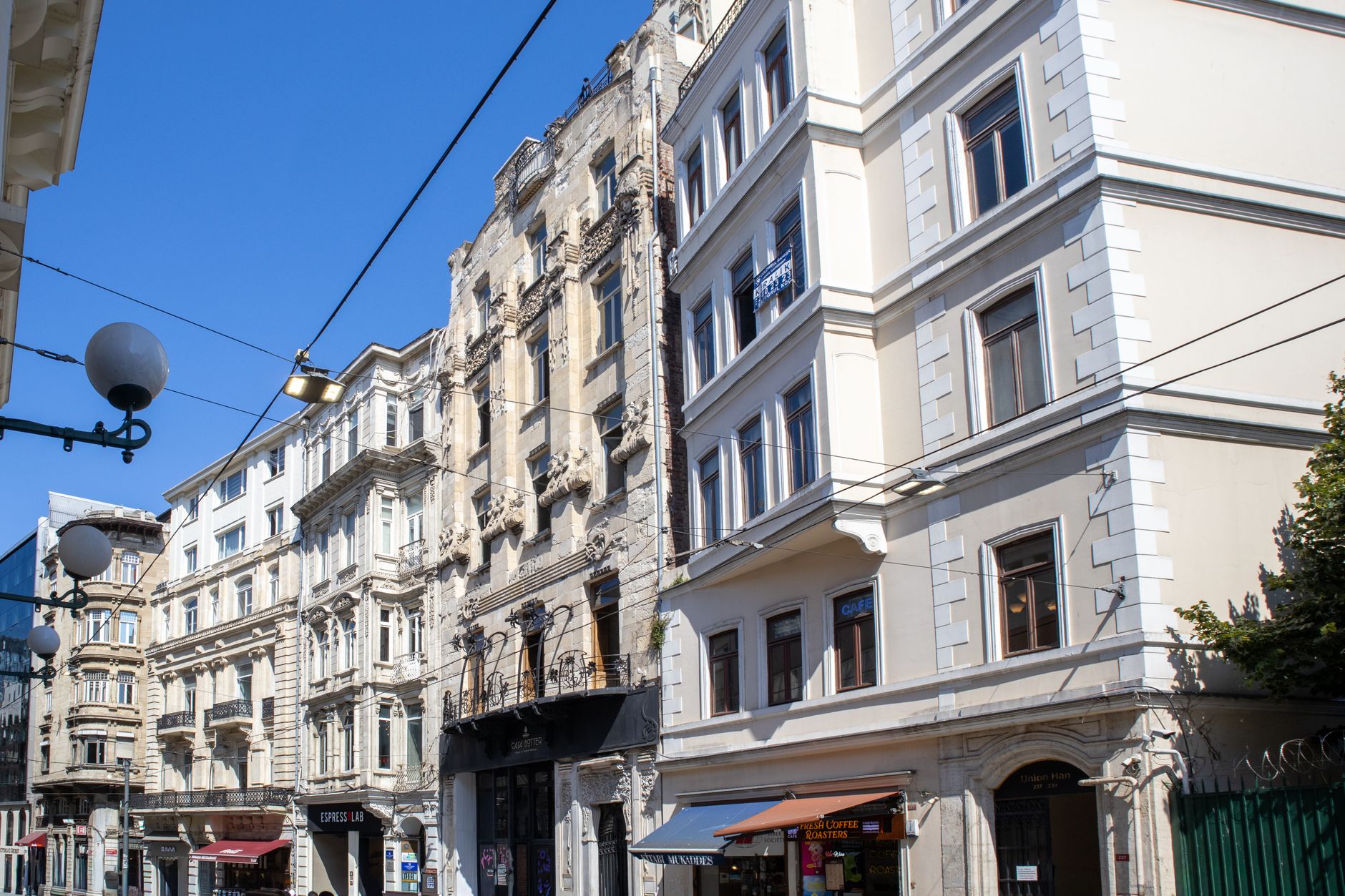
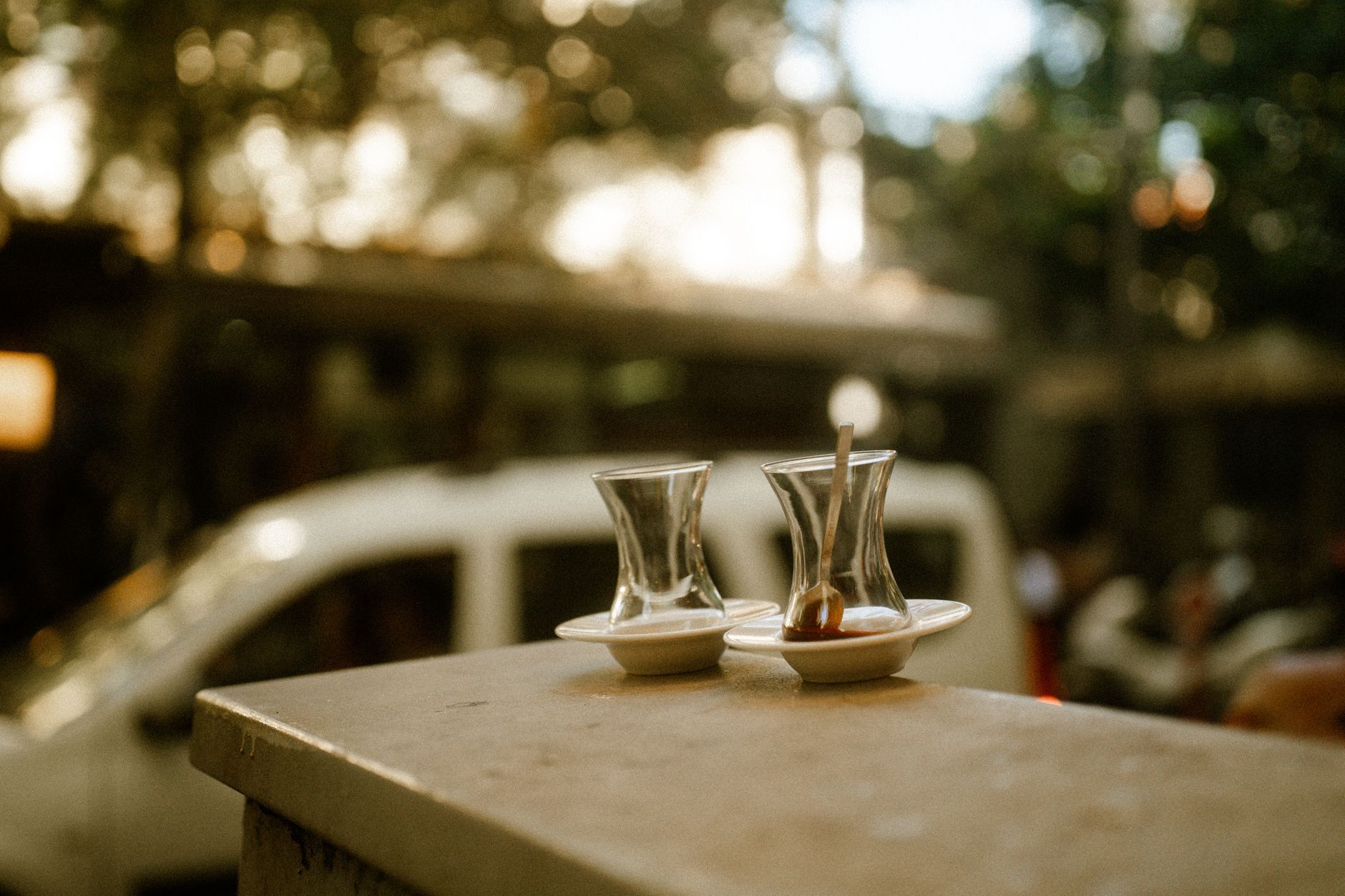
Begin your walk in Beyoğlu along İstiklal Avenue, where Pamuk's characters wander and where the old European quarter still hums with bookshops, galleries and street musicians. Duck into a çay bahçesi off the avenue, order a tulip glass of tea, and read a few pages of The Black Book while the crowds drift past. From there, climb toward Galata Tower and look across the Golden Horn — a view that appears again and again in Turkish poetry.
In the afternoon, take a ferry to Kadıköy on the Asian side, where bookshops and cafés have made the neighborhood a favorite of younger writers and readers. Wander the market streets, then settle into a café near the waterfront for menemen and more tea. End the day with the trip back across the water — the Bosphorus at dusk is arguably the single most literary experience Türkiye can offer.
Reading list and cozy stops for Istanbul
- Nazım Hikmet, Human Landscapes from My Country — an epic of ordinary Turkish lives.
- Orhan Pamuk, Istanbul: Memories and the City and The Black Book.
- Ahmet Hamdi Tanpınar, A Mind at Peace — a novel soaked in Bosphorus light.
- Warm stop: any tea garden in Gülhane Park or a café on Moda's waterfront in Kadıköy.
Ankara: The Republic's Poetry of Ideas
Ankara is Türkiye's capital of ideas. As the stage of the new Republic after 1923, it drew writers, architects and revolutionaries — including a young Nazım Hikmet, who studied here and moved in the circles that would shape his politics and his verse. The city's literature is less about nostalgia than about debate: this is where the nation argued with itself about what it was becoming, and the poems and novels born here still carry that electricity.
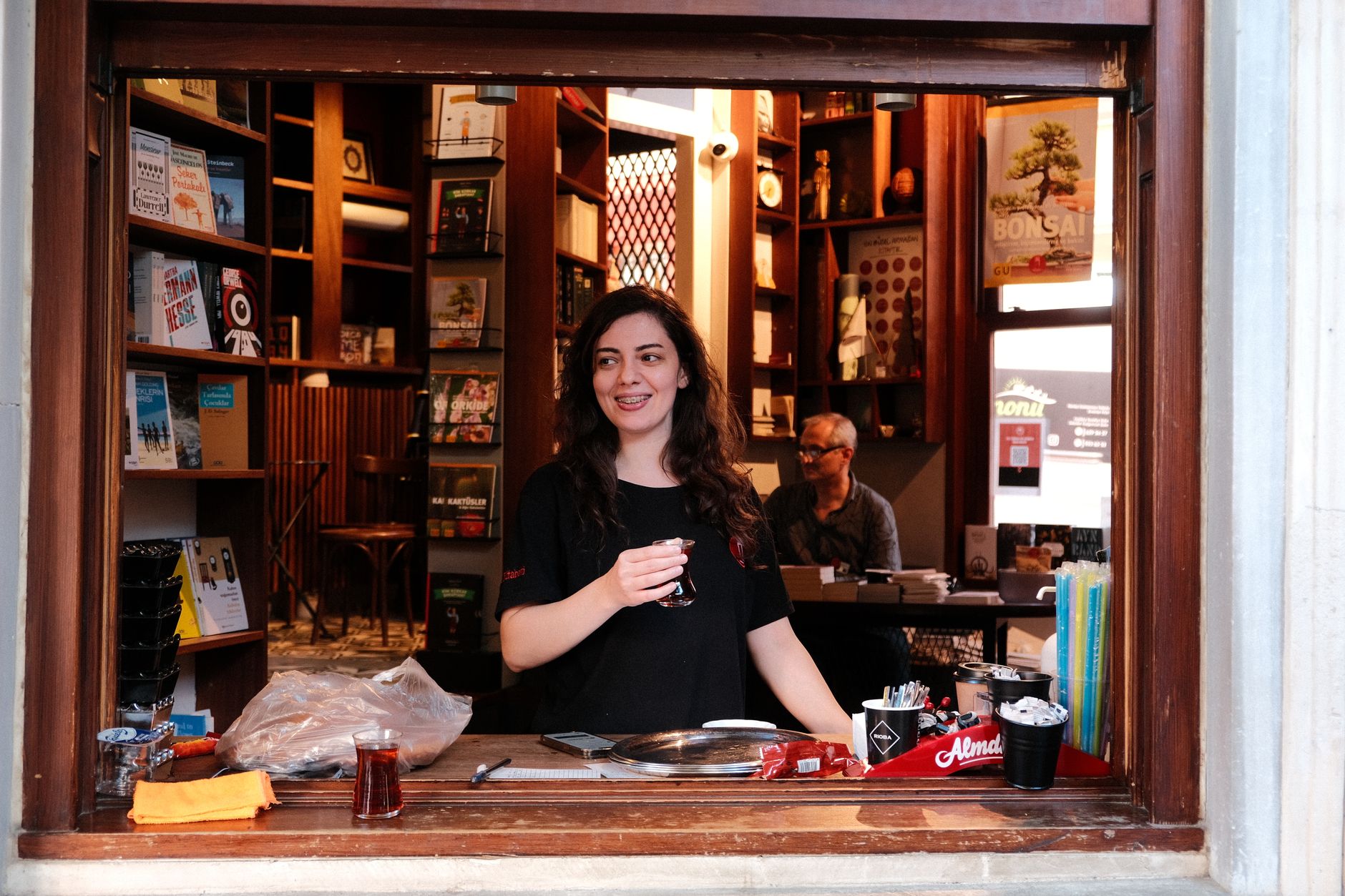
Start at Kızılay, the city's bustling center, and walk up to the old quarter around Ulus and the Anıtkabir axis. Along the way, pass the Kocatepe area and the leafy avenues where bureaucrats, students and poets have always shared the same cafés. Stop at a hünkar beğendi-serving esnaf lokantası (tradesmen's restaurant) for lunch, then spend an afternoon in the bookshops of Kızılay or along the Bahçelievler streets, where secondhand stalls stock out-of-print poetry at bargain prices.
Ankara's literary energy also lives in its theaters and university courtyards. If you travel in spring, check what is playing at the state theaters; a night of Turkish drama is one of the most accessible ways into the country's storytelling tradition. For more on timing a culture-heavy visit, see our best-time-to-visit guide.
Reading list and cozy stops for Ankara
- Nazım Hikmet, selected poems — especially his early Anatolian verses.
- Yakup Kadri Karaosmanoğlu, Ankara — a novel of the new capital's birth.
- Sevgi Soysal, Dawn — a vivid portrait of the city's political ferment.
- Warm stop: a traditional kır kahvesi (garden café) in the old streets near Ulus, or any Kızılay tea house where students read between classes.
Diyarbakır: Anatolian Bards and the Stone City of Song
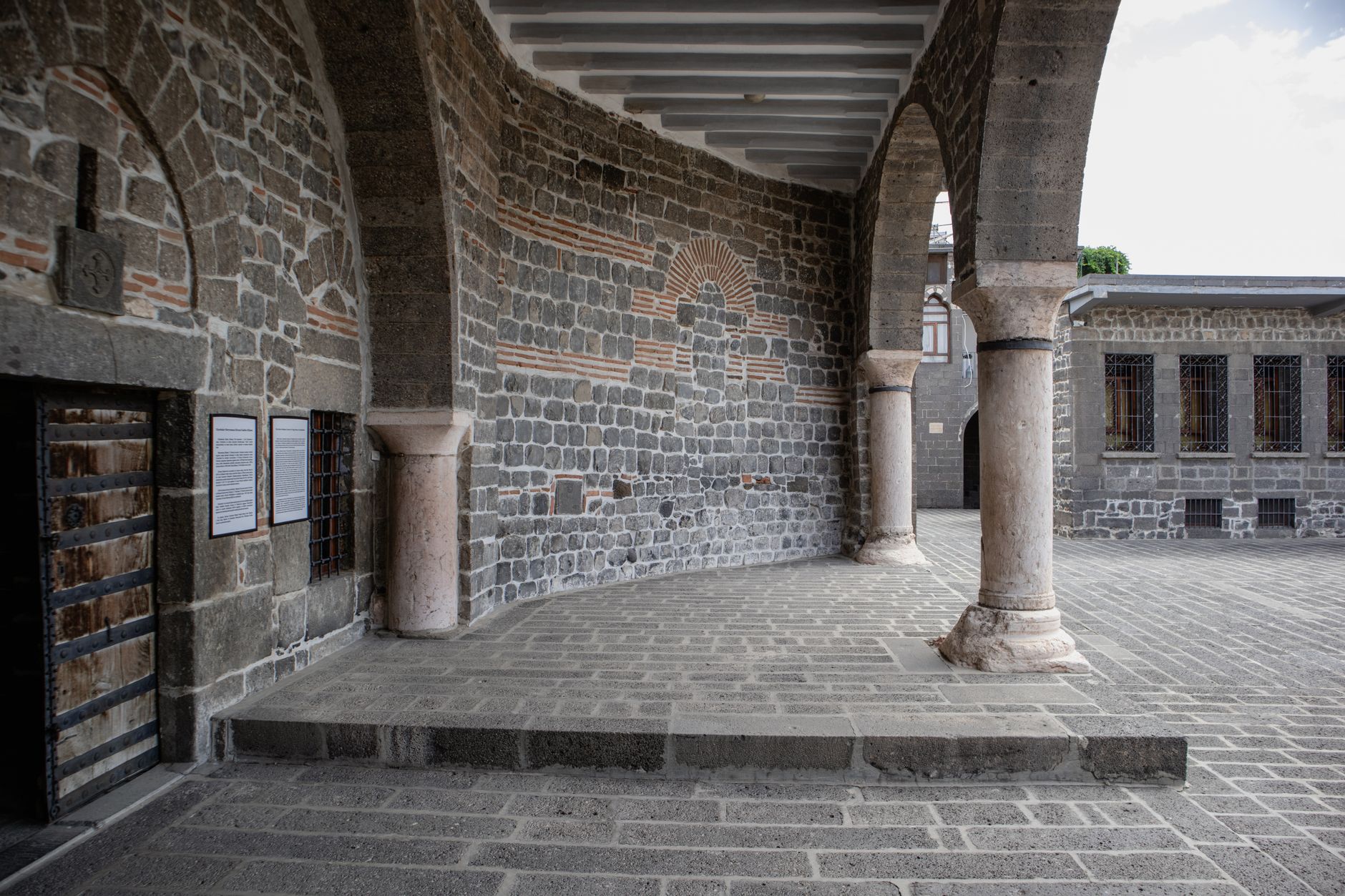
Head east and the literary register changes. Diyarbakır, the great basalt-walled city on the Tigris, is the heartland of the Anatolian bardic tradition. Here the aşık minstrels — singers who improvise verses to the saz — have carried stories across mountains and centuries. The city has also produced major modern voices in Turkish and Kurdish literature, and its courtyards and tea houses remain places where poetry is spoken and sung, not just printed.
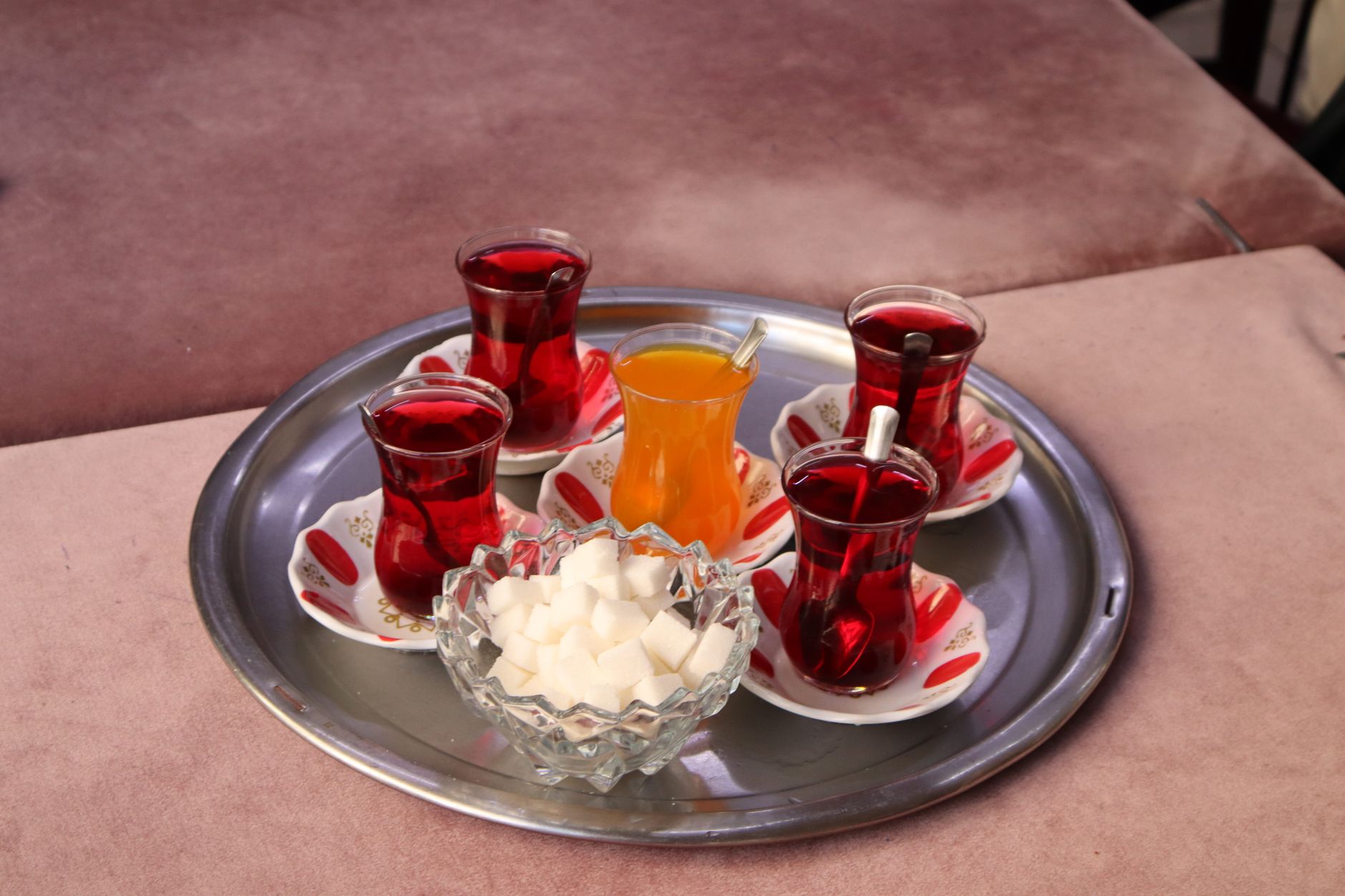
Walk the old city inside the Sur district, where black basalt walls and narrow lanes glow amber in late-afternoon light. Visit the Ulu Cami and the ancient Hevsel Gardens below the walls, then find a courtyard tea house where locals gather in the evening. If you are lucky, someone will pick up a saz and sing — the most direct line to Anatolia's bardic past you will ever encounter.
Diyarbakır rewards slow travel. Take a full day, eat kaburga dolması (stuffed lamb ribs) and ciğer kebabı, and let the city's rhythm find you. Our regional routes can help you connect Diyarbakır with the wider southeast — and our local experts can suggest guides who know the region's literary and musical scenes personally.
Reading list and cozy stops for Diyarbakır
- Yaşar Kemal, Memed, My Hawk — Anatolia's greatest modern epic novel.
- Ahmed Arif, collected poems — a beloved Anatolian voice of love and resistance.
- Folktales and aşık verses, available in translation at city bookshops.
- Warm stop: a courtyard çay house inside the Sur walls, best at sunset.
How to Plan a Literary Journey Through Türkiye
Three cities, three moods, one thread: literature lives in the streets here. A comfortable ten-day route might spend four days in Istanbul, two or three in Ankara, and three or four in Diyarbakır, with travel between them by high-speed train and short domestic flights. Pack light, bring a notebook, and leave room in each day for the essential ritual — sitting down, ordering çay, and reading a few pages in the place that inspired them.
Season matters. Spring and autumn are ideal for walking, and early summer brings open-air literary festivals and book fairs to Istanbul and Ankara. Use our trip planner to sketch the outline, and our travel tools page for practical logistics once you are ready to book.
Above all, come as a reader. Türkiye will meet you halfway — in a poet's line overheard on a ferry, in a bard's song in a Diyarbakır courtyard, in the quiet of an Ankara tea house where someone is underlining a verse. That is the country's true literary trail, and it is open to anyone willing to walk it.
“To live is no joke — you must live with all your seriousness, like a squirrel, for instance.” — Nazım Hikmet
Thinking about a trip to Turkey?
Share your contact details and a vetted local expert will follow up with a plan built around you — free, no obligation.