

By mid-October, the pomegranate trees along the Aegean and in the Southeast are heavy enough that farmers prop the branches with sticks. In village courtyards, wide copper pans appear on wood fires, and the smell that drifts down the lane — tart, caramelised, faintly smoky — is the smell of nar ekşisi, pomegranate molasses, being made the slow way. For travellers, this is one of the most rewarding seasons in Türkiye: not just for the table, but for the pantries.
A jar of village pekmez or a bottle of hand-boiled nar ekşisi is a souvenir that weighs almost nothing, survives the flight home and tastes of a specific hillside. Better still, buying directly puts money into a family kitchen rather than a supermarket chain. This guide walks you through what is made, where to taste it along the Aegean and Southeast, and how to pack it safely.
What Actually Gets Made in an Autumn Village Kitchen
Turkish village preserving is a calendar, not a hobby. September brings grapes and figs, October brings pomegranates and quince, November brings the last of the quince and the first citrus in the south. Each fruit becomes something with a long shelf life, because the point has always been to carry summer into winter.
The core repertoire is small and worth learning before you go shopping. Pekmez is a reduced fruit syrup — most commonly grape, sometimes mulberry, carob or sugar beet — boiled down until it thickens and darkens. Nar ekşisi is the sour counterpart: pomegranate juice cooked for hours until it becomes a glossy, almost black, tart molasses used to dress salads, grilled meat and mezze. Reçel are the jams and preserves, from fig and walnut to quince, aubergine and even green walnut. Salça is the tomato and pepper paste that anchors every winter kitchen, and the autumn turşu jars — pickled peppers, cabbage, green tomatoes — line up along cool hallway walls.
What distinguishes village production is patience. Commercial nar ekşisi is often cut with glucose or water and acidified; village bottles are simply juice, reduced. That difference is obvious the moment you taste one next to the other: the real thing is sharp enough to make you wince, and it clings to the spoon.
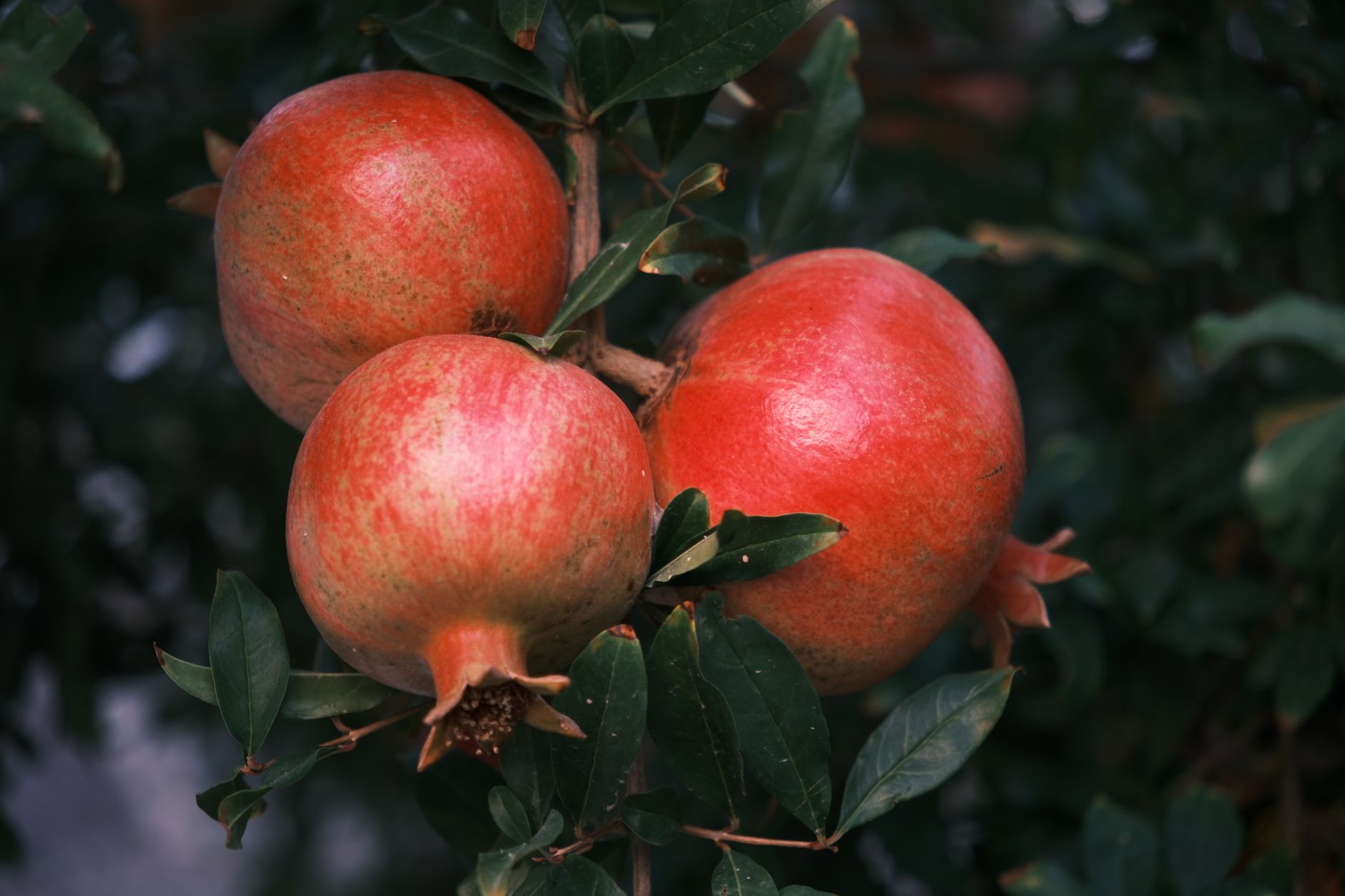
The Aegean: Fig, Grape and Pomegranate Country
The Aegean is where the pantry trail is easiest for most travellers, because the growing and the selling happen in the same villages you are already driving through. Around Selçuk, Şirince and the hills behind Kuşadası, small producers sell grape pekmez, fig preserves and pomegranate molasses from kitchen doors and roadside stalls. Şirince in particular has become famous for fruit wines, but look past the wine shops to the women selling jars on their doorsteps.
Inland, the İzmir hinterland around Tire and Ödemiş is market country: Tuesday and Friday markets bring village producers into town with their jars, and prices are honest because you are buying from the person who boiled the pan. Further south, the Muğla hills behind Bodrum and around Milas produce excellent olive oil alongside pomegranate molasses and thyme honey — this is a good region to assemble a whole pantry in one afternoon.
Timing matters. Late September to early November is the sweet spot for pomegranate work; grape pekmez is generally boiled in September and October. If you are planning around the harvest, our season-by-season guide helps you match a region to a month.
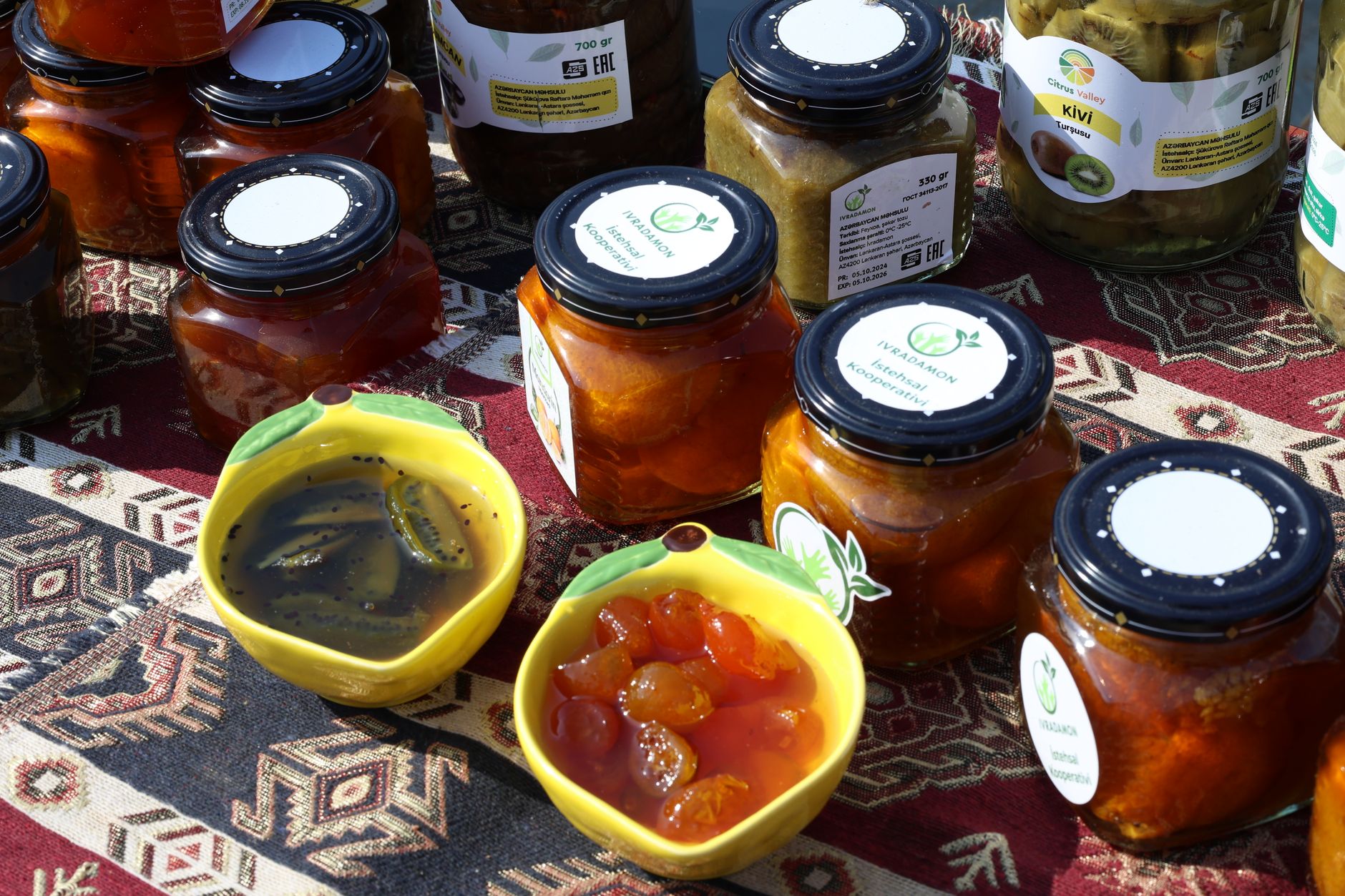
The Southeast: Where Pomegranate Molasses Is a Birthright
If you want to understand nar ekşisi properly, go east. Gaziantep and the surrounding villages treat pomegranate molasses as a foundational ingredient, not a condiment — it goes into muhammara, into salads, over kebabs, into the dressing for çiğ köfte. Antep is also Türkiye's pistachio capital, so the same shops sell pistachio paste and sucuk (the walnut-and-grape-must confection, not the sausage), and the pantries are correspondingly serious.
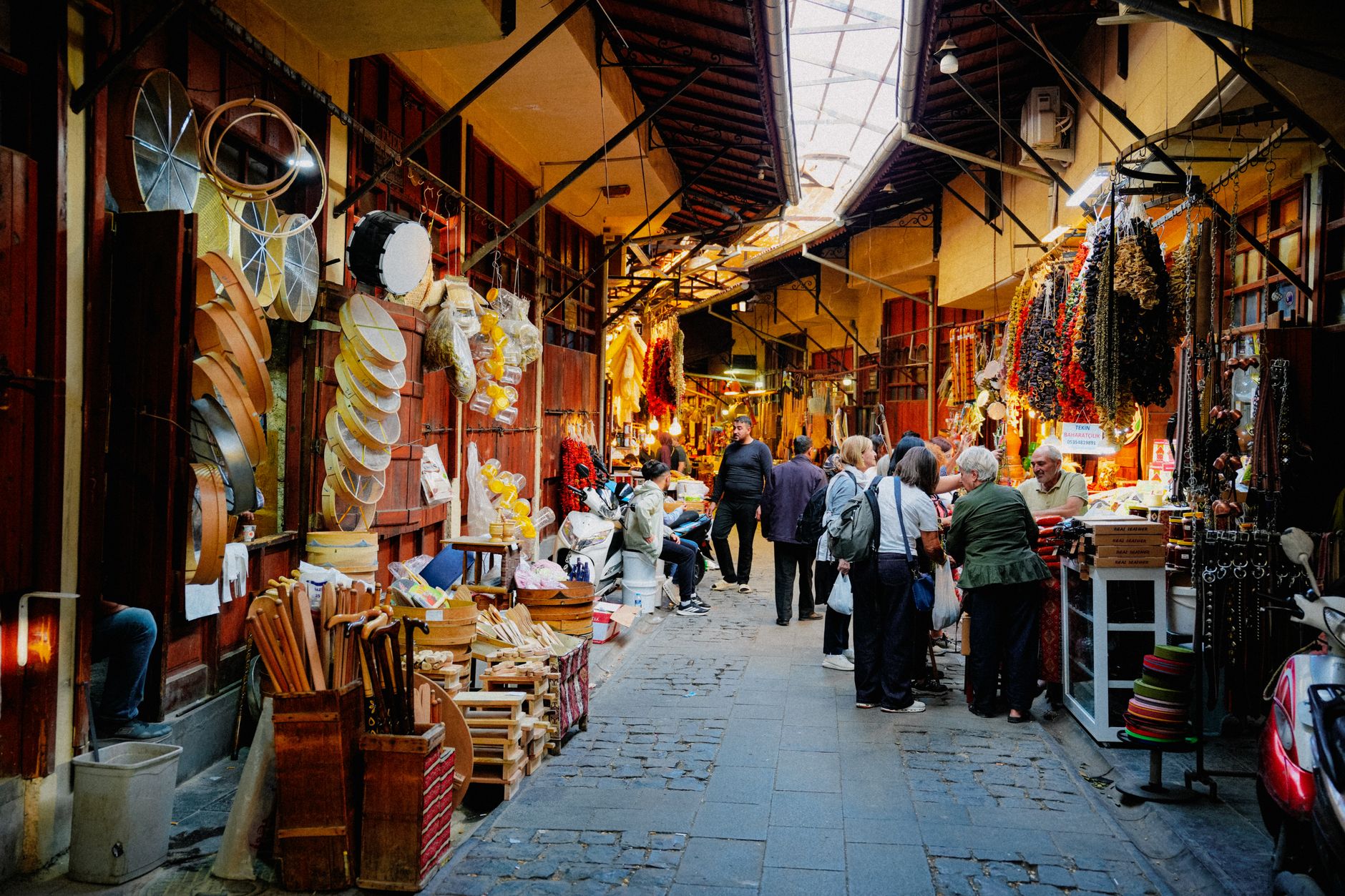
In Şanlıurfa and Mardin, the trail continues with grape pekmez, bastık (dried fruit pulp sheets) and pestil, plus the extraordinary Mardin bazaars where spice merchants sell molasses by the ladle from open drums. Further east around Diyarbakır, watermelon and mulberry molasses join the repertoire. The flavours here are deeper and smokier than on the Aegean, partly because the copper pans are bigger and the fires longer.
Practical note: in the Southeast, buy from shops with a visible production space or a family name on the label, and ask to taste before you commit. A good shopkeeper will dip a spoon without hesitation. For route ideas that link these markets with the region's bigger sights, see our suggested routes.
How to Taste Before You Buy
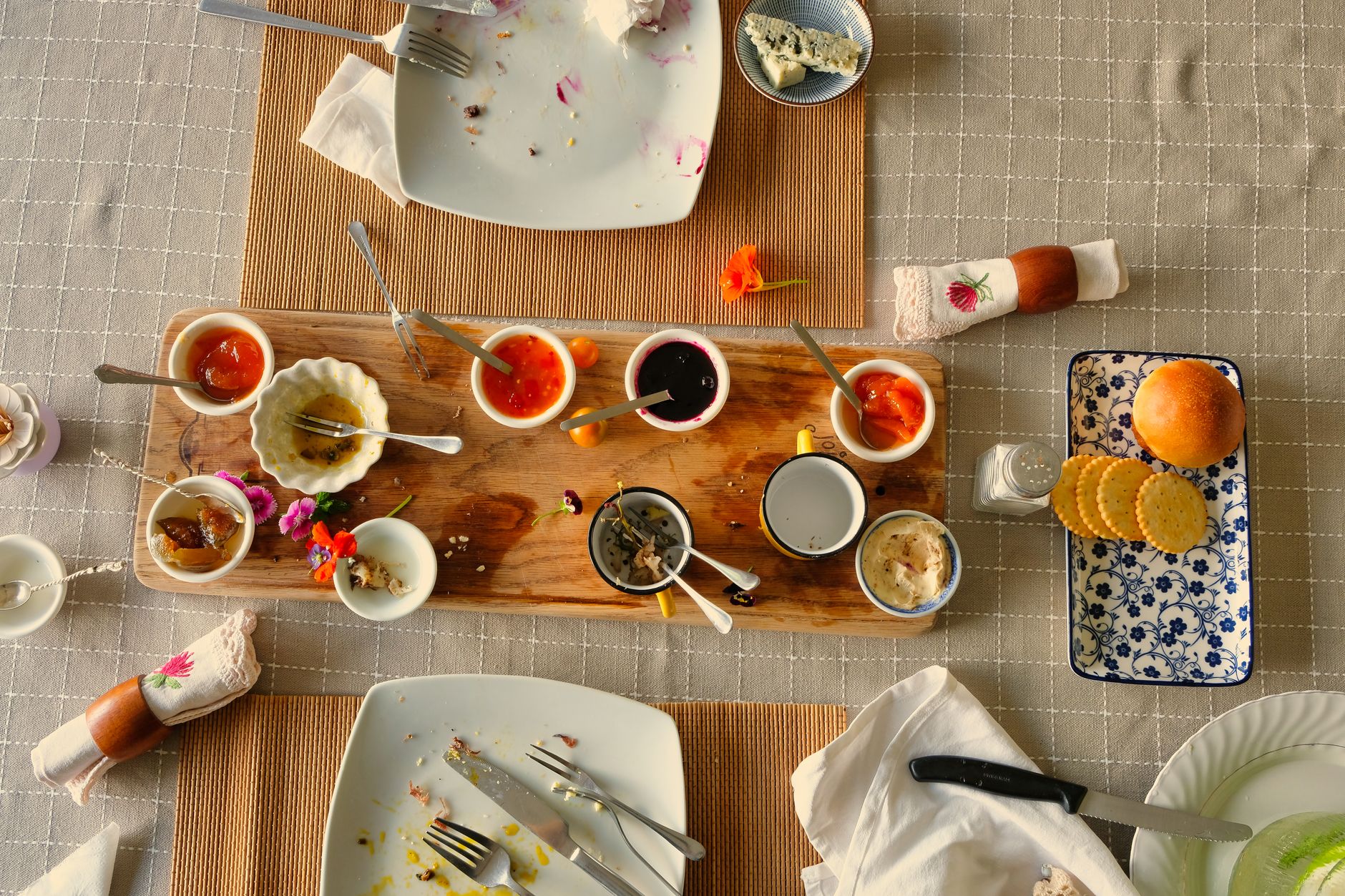
Tasting is normal and expected. In a village stall or a bazaar shop, ask “Tadabilir miyim?” — may I taste? — and you will usually be handed a spoon or a piece of bread. Taste nar ekşisi on its own first: it should be sour, slightly fruity and clean, with no flat sugary finish. Pekmez should taste of the fruit it came from, not just of sugar.
Ask two questions that separate real producers from resellers. First: “Kendiniz mi yaptınız?” — did you make it yourself? Second: what is in it? Honest answers are short: pomegranate, maybe a little salt or a touch of sugar, nothing else. If the list is long, or the seller changes the subject, move on.
Look at the bottle, too. Village molasses is often sold in reused glass bottles with handwritten labels; that is not a red flag, it is the norm. What you want to avoid is a shiny industrial label on a bottle that claims village origin but was clearly filled in a warehouse. Buying in person, at the kitchen door, is the surest way to know.
Buying Directly: Why It Matters and How to Do It Well
When you buy from a village producer, the entire margin stays with the family — no distributor, no supermarket listing fee, no middleman taking a cut. For many women's cooperatives in the Aegean and Southeast, autumn preserves are the household's main cash income of the year. Your purchase is not charity; it is a fair price for skilled work.
Buy in quantities you can carry, and favour glass over plastic for anything you plan to keep. Bring small notes and coins — village stalls often cannot break large bills. If you find something exceptional, take the producer's name and village; many now sell by phone or through cooperatives, and repeat orders are how these kitchens survive the winter.
A note on expectations: not every village door is a shop, and not every seller wants to negotiate. Ask politely, buy what you taste, and leave the haggling for the bazaar. Our travel guides cover local etiquette in more depth if this is your first trip.
Packing Your Pantry for the Flight Home
Molasses and pekmez travel well if you pack them properly. The rules are simple and worth following exactly.
- Check it in, don't carry it on. Liquids over 100 ml must go in checked baggage. Pomegranate molasses is a liquid and will be confiscated at security.
- Double-bag every bottle. Put the bottle in a sealed freezer bag, then in a second bag, then wrap it in clothing. Assume it will leak, and pack so that a leak stays contained.
- Use the middle of the suitcase. Bottles should sit at the centre, cushioned on all sides by soft items — never against the shell of the case.
- Respect airline limits. Check your carrier's checked-baggage allowance; a few kilos of jars add up fast.
- Know your destination rules. Most countries allow small quantities of processed food for personal use, but liquid restrictions, agricultural rules and duty-free alcohol limits differ. Check your home country's customs guidance before you shop.
- Label jars. Write the village and the fruit on the lid with a marker; three identical amber jars are impossible to tell apart at home.
Pekmez and molasses are shelf-stable for a year or more unopened. Once opened, keep them in the fridge. Preserves and salça should also be refrigerated after opening, and always use a clean, dry spoon.
Building a Small, Meaningful Pantry
You do not need to fill a suitcase. A considered pantry of five or six items — a bottle of Southeast nar ekşisi, a jar of Aegean fig preserve, a small pot of pepper salça, a bag of pistachios, a jar of thyme honey — will change how you cook for months, and each one will remind you of a specific lane and a specific pan.
The best souvenirs are the ones that get used. Buy the molasses, dress a salad with it in January, and you will remember the October afternoon you bought it. If you want help shaping a trip around markets, harvests and family kitchens, our trip planner and local experts can build the itinerary around the season rather than the other way round.
Autumn in a Turkish village is not a view. It is a smell of boiling fruit, a row of jars on a stone step, and a spoon held out to a stranger.
Go in October, taste before you buy, pack the bottles like they are full of something precious — because they are — and you will come home with more than a souvenir. You will come home with a pantry.
Thinking about a trip to Turkey?
Share your contact details and a vetted local expert will follow up with a plan built around you — free, no obligation.