

The Sweet Welcome of an Aegean Village Kitchen
Imagine a stone courtyard in the hills above the Aegean, where fig trees lean over a long wooden table and the air smells of simmering fruit and woodsmoke. A grandmother named Ayşe hands you an apron, points to a mountain of ruby-red pomegranate seeds, and says with a grin, “You’ll need both hands—and maybe a little patience.” This is how the best cooking lessons in Türkiye begin: not in a classroom, but in a village kitchen where generosity is the main ingredient.
Across the Aegean coast—from the Bodrum peninsula to the olive groves around Ayvalık and the mountain villages behind İzmir—families still make their own pomegranate syrup (nar ekşisi), jams, and preserves every autumn. Travelers who show a genuine interest are often invited to join. It’s not a formal class; it’s a shared ritual, and you leave with sticky fingers, a full stomach, and a jar of sunshine to take home.
In this guide, we’ll walk through the traditions, the tastes, and the practical joys of learning to preserve like an Aegean villager. You’ll discover what makes nar ekşisi so special, how to make jam without a thermometer, and why the best souvenir in Türkiye might be the one you cooked yourself.
“Come, sit, eat. Then we cook.” — every Turkish host, ever
Nar Ekşisi: The Ruby Elixir of the Aegean
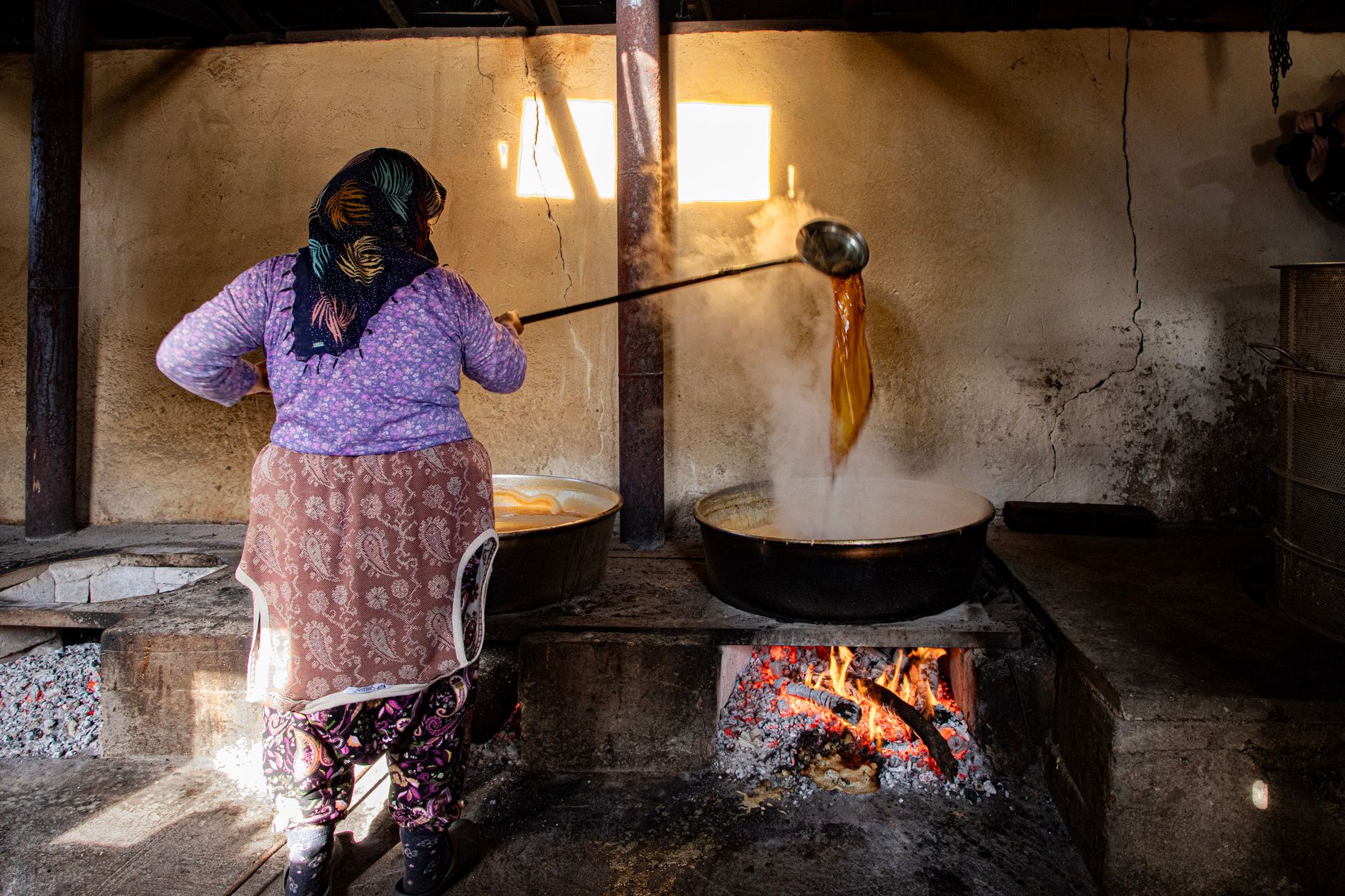
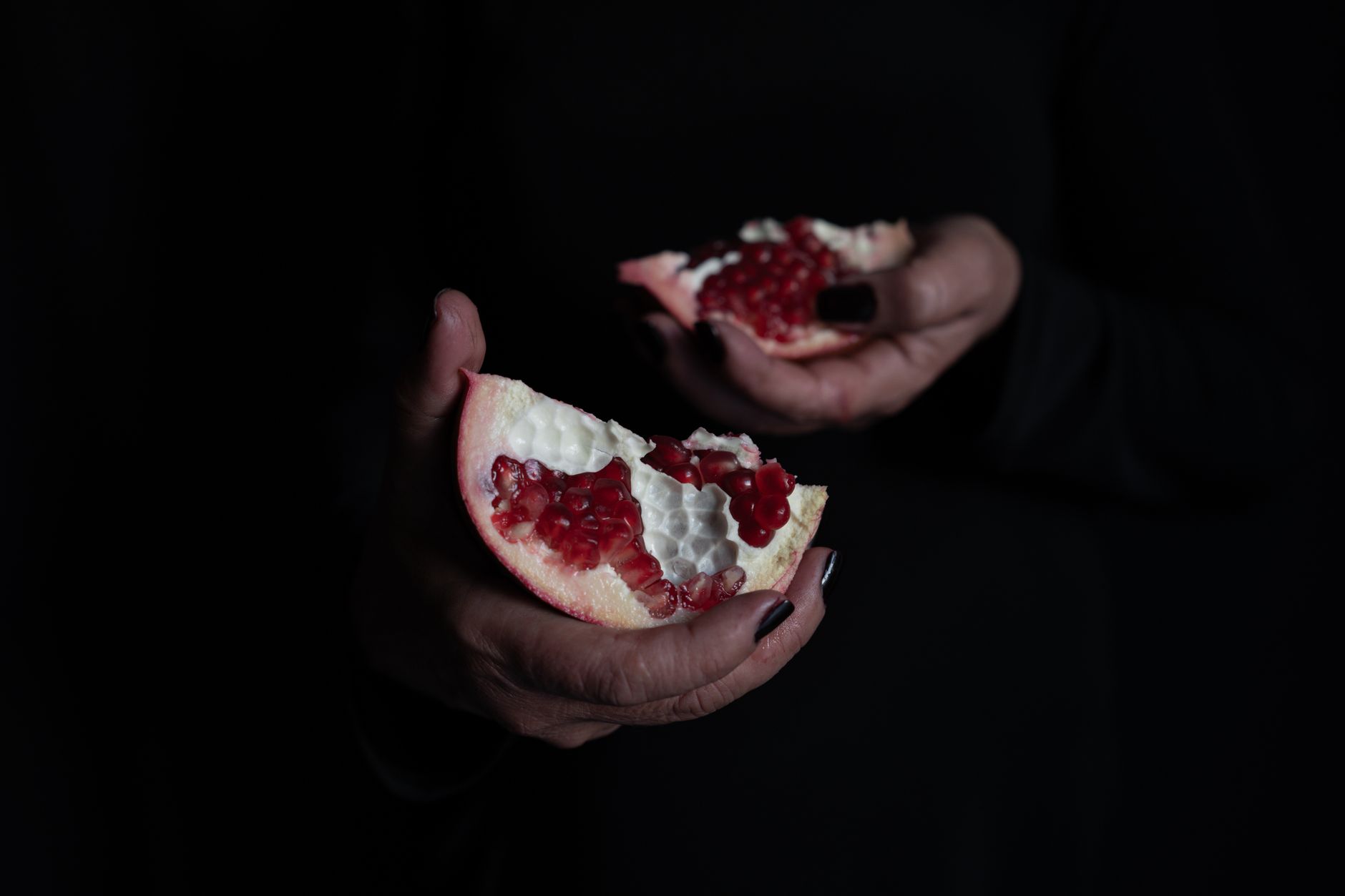
Pomegranate syrup, or nar ekşisi, is the soul of Aegean and southeastern Turkish cooking. It’s tart, dark, and slightly syrupy—drizzled over salads, grilled vegetables, kebabs, and even desserts. Unlike the thick, sweet molasses-style syrups sold in some supermarkets, true village nar ekşisi is made from nothing but pomegranate juice, reduced slowly over a wood fire for hours until it turns glossy and concentrated. No sugar, no additives—just fruit and patience.
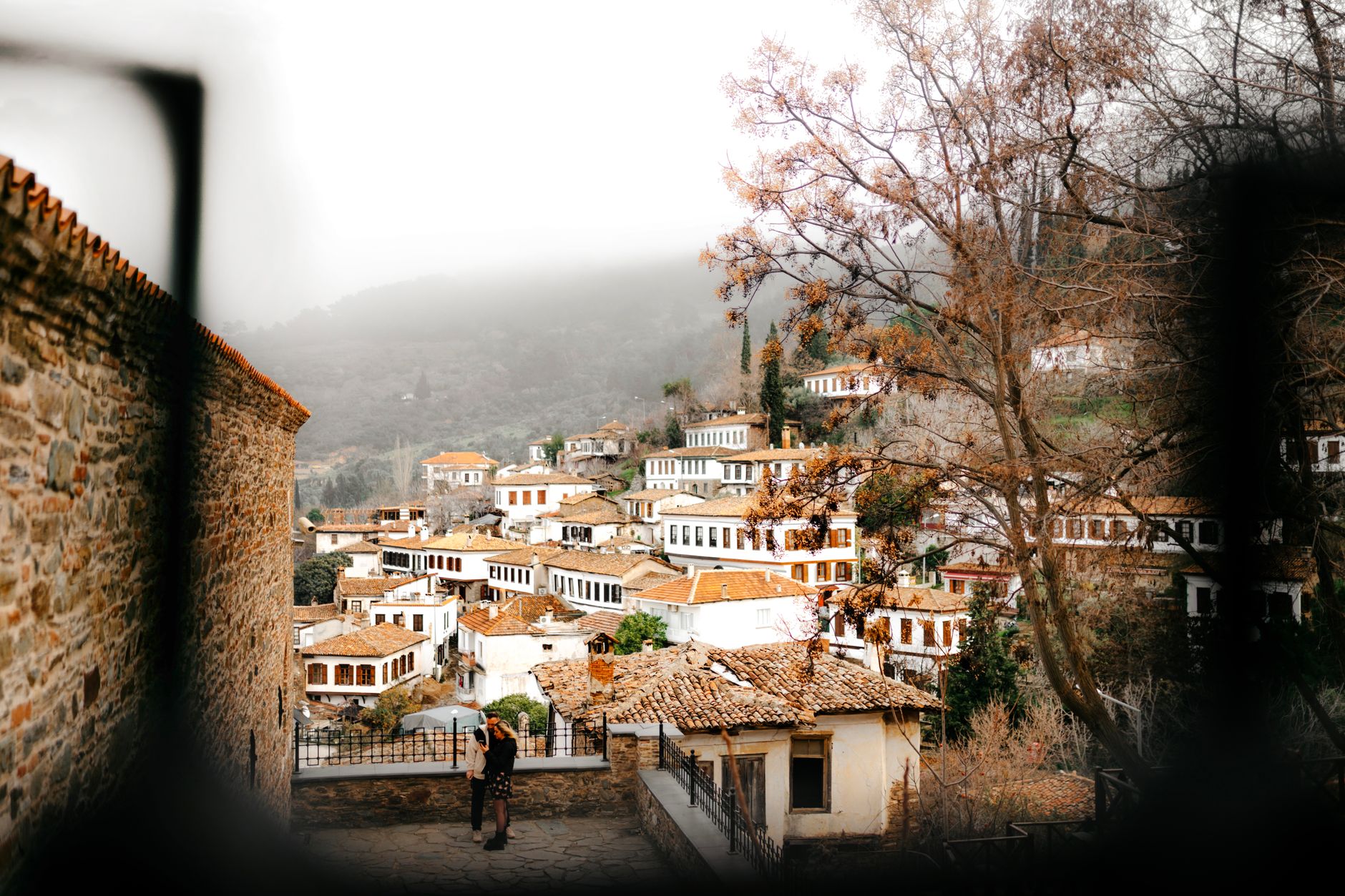
The process begins with hundreds of pomegranates, usually the sour variety (ekşi nar) that grows abundantly in the Aegean and Mediterranean regions. In villages like Şirince, near Ephesus, or in the hills of Karaburun, families still press the fruit by hand or with a simple wooden press. The juice is then poured into wide, shallow copper pans called tava and set over a low flame. Stirring is constant, but the conversation flows even more freely.
“You can’t rush nar ekşisi,” says Mehmet, a retired teacher in the village of Zeytinalanı. “It tells you when it’s ready. If you stop too early, it’s watery. Too late, and it becomes bitter. You learn by watching, smelling, and tasting.” Travelers who join in quickly discover that the best lessons come with a wooden spoon and a willing host who says, “Taste this—now taste again.”
Once reduced, the syrup is poured into glass jars and sealed. It keeps for years in a cool pantry, though in a village kitchen it rarely lasts that long. A spoonful stirred into a glass of cold water makes nar ekşili su, a refreshing drink; a drizzle over roasted eggplant and yogurt transforms a simple meze into something unforgettable.
If you’re lucky enough to be invited to a nar ekşisi day, wear clothes you don’t mind staining. Pomegranate juice splatters, and the deep red stains are a badge of honor. You’ll leave with purple fingertips and a jar that tastes like the Aegean autumn.
Jam-Making Circles: From Fig to Quince to Rose
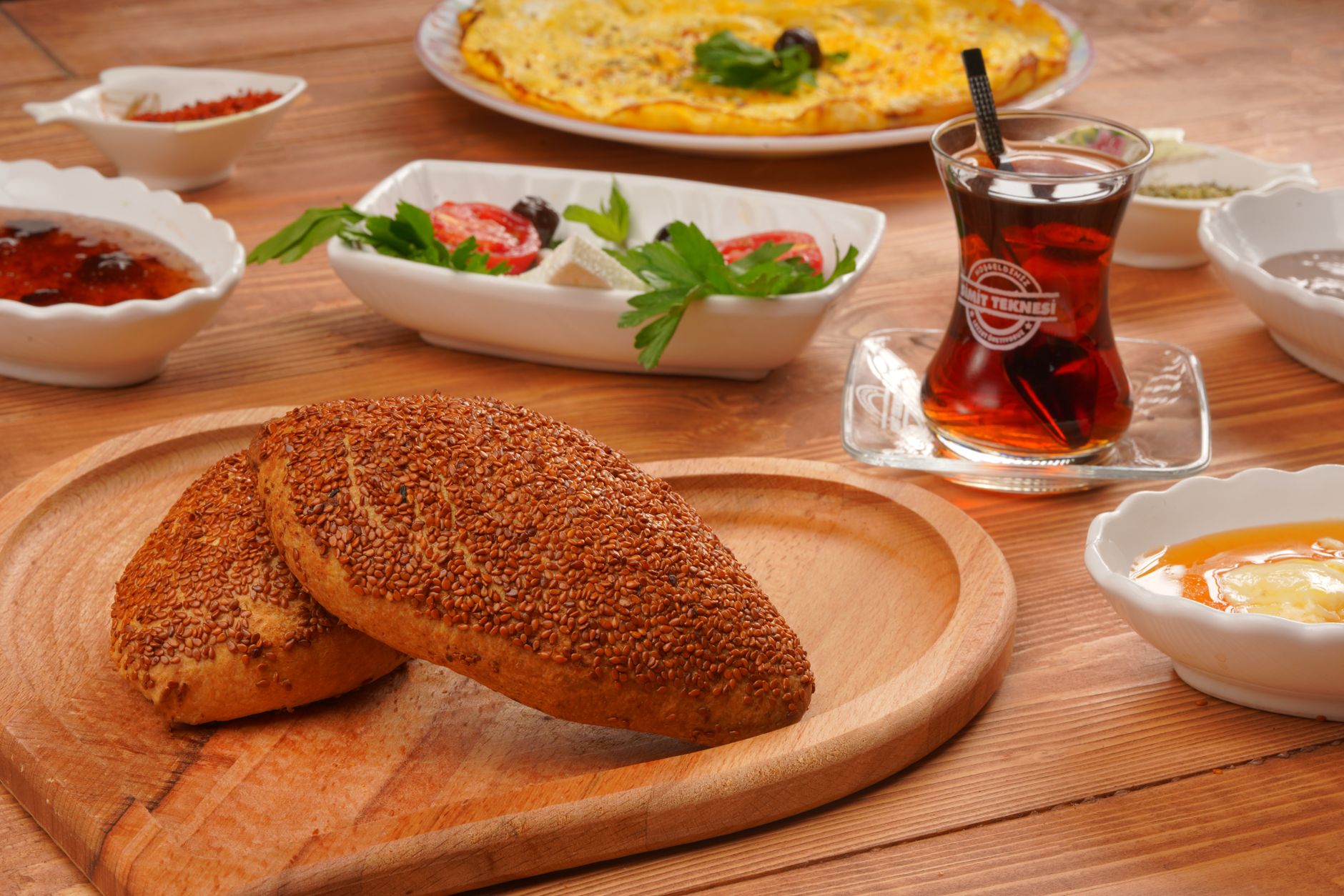
In Türkiye, jam is not just a breakfast spread—it’s a way of capturing the season. Village kitchens produce an astonishing array of jams (reçel): fig, quince, sour cherry, apricot, rose petal, green walnut, and even eggplant. Each has its own rhythm and technique, but all share a simple philosophy: fruit, sugar, lemon juice, and time.
The most iconic Aegean jam is probably fig jam (incir reçeli). In late summer, when the fig trees are heavy with fruit, families gather to peel, chop, and simmer. Some add a few cloves or a splash of lemon to brighten the flavor. The result is a golden, seedy preserve that tastes like honeyed sunshine. “My grandmother used to say, ‘A good fig jam should remind you of a warm afternoon,’” recalls Elif, a host in the village of Şirince. “So we never cook it too fast.”
Quince jam (ayva reçeli) is another autumn favorite. The fruit is hard and astringent when raw, but slow-simmered with sugar, it turns a gorgeous ruby red and develops a floral, almost perfumed sweetness. In some villages, cooks add a few drops of rose water at the end for an extra layer of aroma. If you visit during quince season (October–November), you might be handed a peeler and a bowl of fruit before you can even finish your tea.
Rose petal jam (gül reçeli) is a specialty of Isparta, but Aegean villages make their own versions with fragrant Damask roses. The petals are gently cooked with sugar and lemon until they become translucent and jewel-like. It’s often served with clotted cream (kaymak) or stirred into yogurt. Making it requires a delicate touch—overcooking turns the petals to mush—but the reward is a jar of edible perfume.
The beauty of jam-making with a village host is that measurements are often by feel: “a glass of sugar for every glass of fruit,” “a squeeze of lemon,” “a pinch of patience.” You’ll learn to trust your senses—the sound of the simmer, the set of the jam on a cold plate, the way the kitchen fills with fragrance. And you’ll learn that the best jams are made with company, not alone.
Preserving Traditions: Tarhana, Tomato, and More
Beyond jams and syrups, Aegean village kitchens are busy with other preserves that define Turkish home cooking. Tarhana—a fermented mixture of cracked wheat, yogurt, and vegetables—is made in huge batches and dried in the sun. Salça (tomato and pepper paste) is cooked down for hours, then spread on trays to dry. Turşu (pickles) fill glass jars with carrots, cucumbers, and green tomatoes. Each has its own season and its own rituals.
If you visit in late summer or early autumn, you might be invited to join a salça day. It’s a communal effort: some people chop tomatoes, others stir the huge cauldrons, and children run between the tables, sneaking tastes. The paste is then spread on clean cloths and left in the sun for days, covered with a thin layer of salt. The result is a deep, concentrated flavor that puts supermarket paste to shame.
Pickle-making is often a family affair, too. In villages near Ayvalık, cucumbers and peppers are stuffed into jars with garlic, dill, and a brine of vinegar, salt, and water. “The secret is in the brine,” says Hüseyin, a retired fisherman. “Not too salty, not too sour. And always a piece of bread on top to keep the vegetables under the liquid.” Travelers who join in learn to layer flavors and to wait—pickles need weeks to ferment, but the anticipation is part of the pleasure.
These preserves are more than food; they’re a way of holding onto the harvest and sharing it with neighbors. When you help make them, you become part of that chain of generosity. You might leave with a jar of pickles, a bag of dried tarhana, and a recipe written on the back of an envelope.
Cooking with Generosity: The Heart of Turkish Hospitality
What makes these cooking experiences so memorable is not just the food—it’s the people. Turkish hospitality (misafirperverlik) is legendary, and in village kitchens, it’s practiced with an ease that can be overwhelming. You’ll be offered tea before you can say “hello,” and when you try to help, you’ll be gently nudged toward a chair. “You are our guest,” they say. But if you persist—if you roll up your sleeves and ask to learn—you’ll be welcomed as a helper and, soon, as a friend.
Many travelers find that the most meaningful moments happen around the chopping board: a grandmother showing you how to slit a fig without squashing it, a teenager translating her mother’s instructions, a neighbor dropping by with a basket of quinces and staying to chat. The kitchen becomes a bridge between cultures, and language barriers dissolve in the shared work of stirring, peeling, and tasting.
In popular tourist areas like Bodrum, Kuşadası, and Çeşme, some hotels and guesthouses now offer cooking workshops that mimic this village experience. But the real magic happens in the villages themselves—places like Şirince, Zeytinli, and the mountain hamlets of the Kaz Dağları (Ida Mountains). If you’re invited to a home, accept. Bring a small gift (chocolates, coffee, or flowers) and an open mind. And don’t be surprised if you end up staying for dinner, then breakfast the next day.
“We don’t teach cooking,” one host told me. “We share our life. The jam is just the excuse.” That’s the essence of the Aegean preserve kitchen: it’s not a class, it’s a connection. You arrive as a stranger and leave as family—with a jar of pomegranate syrup in your bag and a piece of their heart in yours.
Taking the Taste Home: Souvenirs and Stories
When you leave the village, you’ll want to bring some of that sweetness home. A jar of nar ekşisi is a wonderful souvenir—it’s sturdy, legal to transport in checked luggage, and transforms everyday salads into something special. Jams are heavier but worth the weight, especially if you helped make them. Just wrap them carefully in clothes and pack them in the center of your suitcase.
If you’re flying, remember that liquids and gels must go in checked bags. Seal jars with tape or plastic wrap to prevent leaks, and double-bag them. Some travelers bring back empty jars and fill them at local markets; others prefer to buy directly from the producer, ensuring the money goes straight to the family. In airports like İzmir Adnan Menderes, you’ll find gourmet shops selling artisanal nar ekşisi, but the jar you made yourself will always taste better.
Beyond the jar, you’ll bring home skills. You’ll know how to reduce pomegranate juice without burning it, how to test jam for doneness, and how to ferment pickles in your own kitchen. You’ll also bring back stories: the joke the grandmother told, the way the light fell through the fig leaves, the moment you realized you were no longer a tourist but a participant.
And isn’t that the best souvenir of all? A taste of the Aegean, a recipe for connection, and a reminder that the sweetest things in life are made slowly, with others, and shared generously.
Practical Tips for Your Aegean Preserve Adventure
Ready to plan your own sweet escape? Here are a few tips to make the most of it.
- Best time to go: Late summer to early autumn (August–October) is peak preserving season. Pomegranates, figs, and quinces are ripe, and villages are buzzing with activity.
- Where to go: The Aegean region offers endless opportunities. Base yourself in İzmir, Bodrum, or Ayvalık, then explore nearby villages. Şirince (near Ephesus) is famous for its fruit wines and preserves. The Bozcaada and Gökçeada islands have strong preserving traditions, too.
- How to get invited: Stay in small guesthouses or boutique hotels, visit local markets, and show genuine curiosity. Ask if you can help. Farmers’ markets (pazar) are great places to meet producers who might invite you home.
- What to bring: Comfortable clothes that can get stained, a notebook for recipes, and a willingness to get your hands dirty. A small gift for your host is appreciated.
- Language: English is not widely spoken in villages, but a few words of Turkish go a long way: merhaba (hello), teşekkür ederim (thank you), çok lezzetli (very delicious).
- Responsible travel: Always ask before taking photos, and respect that this is a home, not a tourist attraction. Offer to pay for ingredients or contribute to the household in some way—though many hosts will refuse.
For more inspiration, check out our guides to Aegean cuisine and village stays in Türkiye. And if you make your own nar ekşisi at home, send us a photo—we’d love to see it.
So come to the Aegean with an empty stomach and an open heart. Let the scent of simmering fruit lead you to a kitchen where you’re not just a visitor, but a friend. And when you leave, you’ll carry the taste of Türkiye with you—in a jar, in a recipe, and in the warm memory of a shared table.
Thinking about a trip to Turkey?
Share your contact details and a vetted local expert will follow up with a plan built around you — free, no obligation.