

Why Türkiye Is a Hands-On Craft Lover's Dream
Türkiye has been a crossroads of civilizations for millennia, and its craft traditions are living proof. In workshops from the Marmara coast to the fairy-chimney landscapes of Cappadocia, artisans still shape clay and molten glass by hand, using techniques passed down through generations. For travelers, this isn't just a museum experience—it's an invitation to roll up your sleeves and create.
What makes Türkiye special is the accessibility. Unlike many countries where artisan studios are closed to the public, here you can walk into a workshop, watch a master at the wheel, and often sit down for a lesson the same day. The result is an unforgettable souvenir: not a mass-produced trinket, but a piece you helped make, carrying the fingerprints and story of your journey.
In this guide, we'll explore four of Türkiye's most rewarding craft destinations—İznik, Kütahya, Avanos, and the glass studios around Istanbul's Paşabahçe tradition—with practical tips on booking, costs, and shipping your creations home safely.
İznik: The Home of Ottoman Tile Art
İznik, a sleepy lakeside town southeast of Istanbul, was the ceramic heart of the Ottoman Empire. In the 16th century, its workshops produced the iconic blue-and-white tiles that adorn the Süleymaniye Mosque and Topkapı Palace. Today, a new generation of artisans has revived the craft, and visitors can watch the entire process—from shaping quartz-rich clay to painting intricate floral motifs and firing the tiles in traditional kilns.
Several studios in İznik welcome visitors, including the İznik Foundation's workshop, where you can see every stage of production. The highlight for many travelers is trying their hand at painting a tile. Under the guidance of a master, you'll learn to mix the special underglaze pigments and apply them with a fine brush. Don't worry if your first tulip looks more like a blob—the masters are patient, and the experience is about the process, not perfection.
What to expect: A typical tile-painting workshop lasts 1–2 hours and costs around 300–600 TL (roughly $15–30 USD) depending on the studio and whether you keep your piece. Some workshops also offer the chance to throw a simple form on the wheel. Book ahead in summer, as İznik is a popular day trip from Istanbul.
"The tile is a blank page," says master ceramicist Mehmet Koç. "Your brush writes a story that fire will preserve forever."
Kütahya: Painted Ceramics and Whirling Wheels
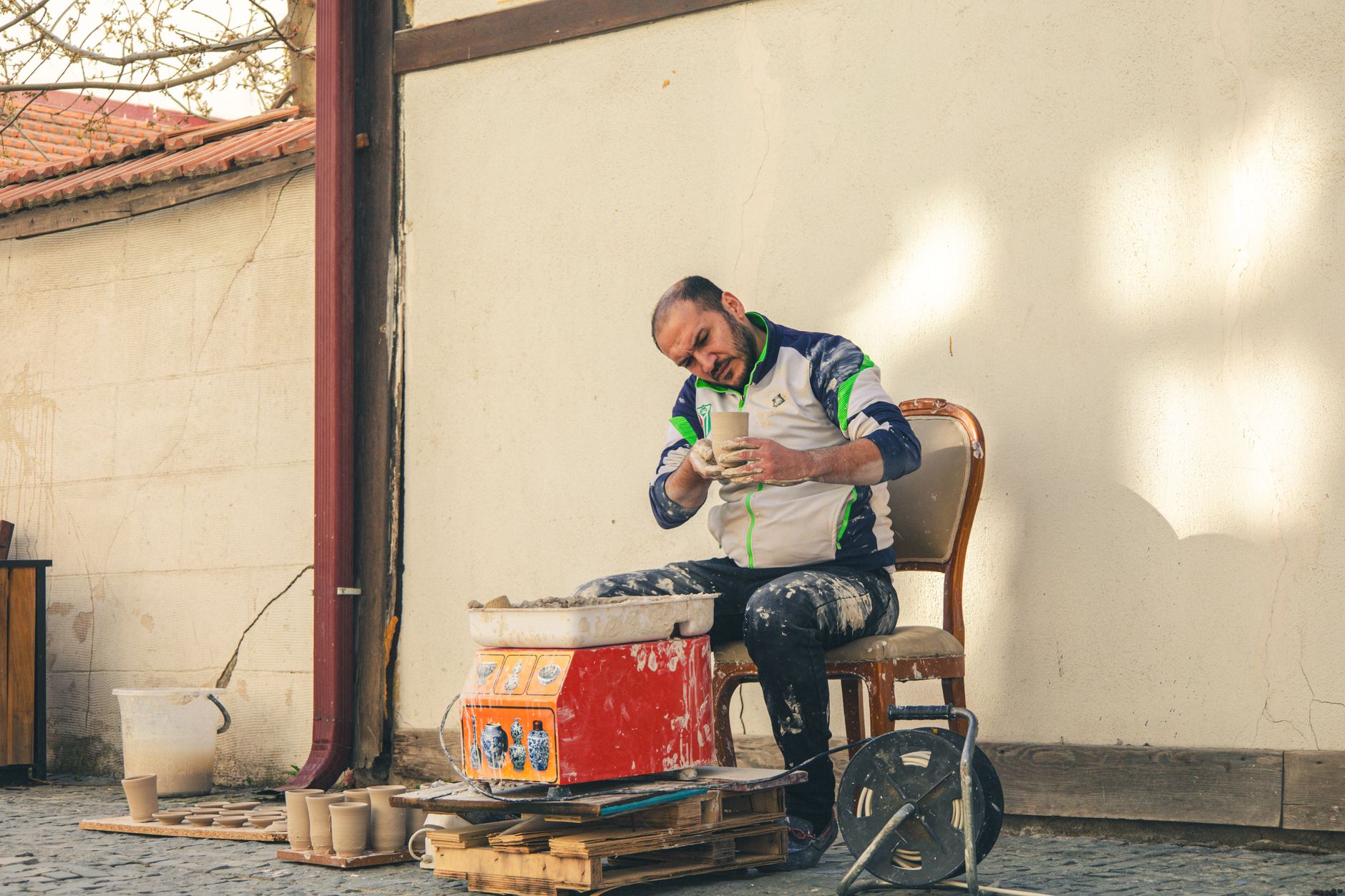
If İznik is the aristocratic ancestor, Kütahya is the vibrant, colorful cousin. This inland city has been a ceramic center since the Phrygians, and today its studios produce everything from delicate çini tiles to playful figurines. The atmosphere is lively: you'll hear the hum of wheels, the scratch of brushes, and the laughter of apprentices.
Kütahya's workshops are particularly welcoming to beginners. At places like the Kütahya Ceramic Museum or private ateliers in the Germiyan neighborhood, you can try both wheel-throwing and hand-painting. The clay here is a local red earthenware, which is easier to shape than porcelain—perfect for first-timers. After you throw a bowl or cup, the studio will fire and glaze it, often shipping it to your home for an extra fee.
What to expect: Workshops range from 1-hour introductory sessions (around 250–500 TL) to half-day experiences that include a visit to the museum and a traditional lunch. Many studios also sell finished pieces, so you can compare your work with the masters'. The city is about 4 hours from Istanbul by bus or a 1-hour flight to nearby Zafer Airport.
Avanos: Pottery in the Heart of Cappadocia
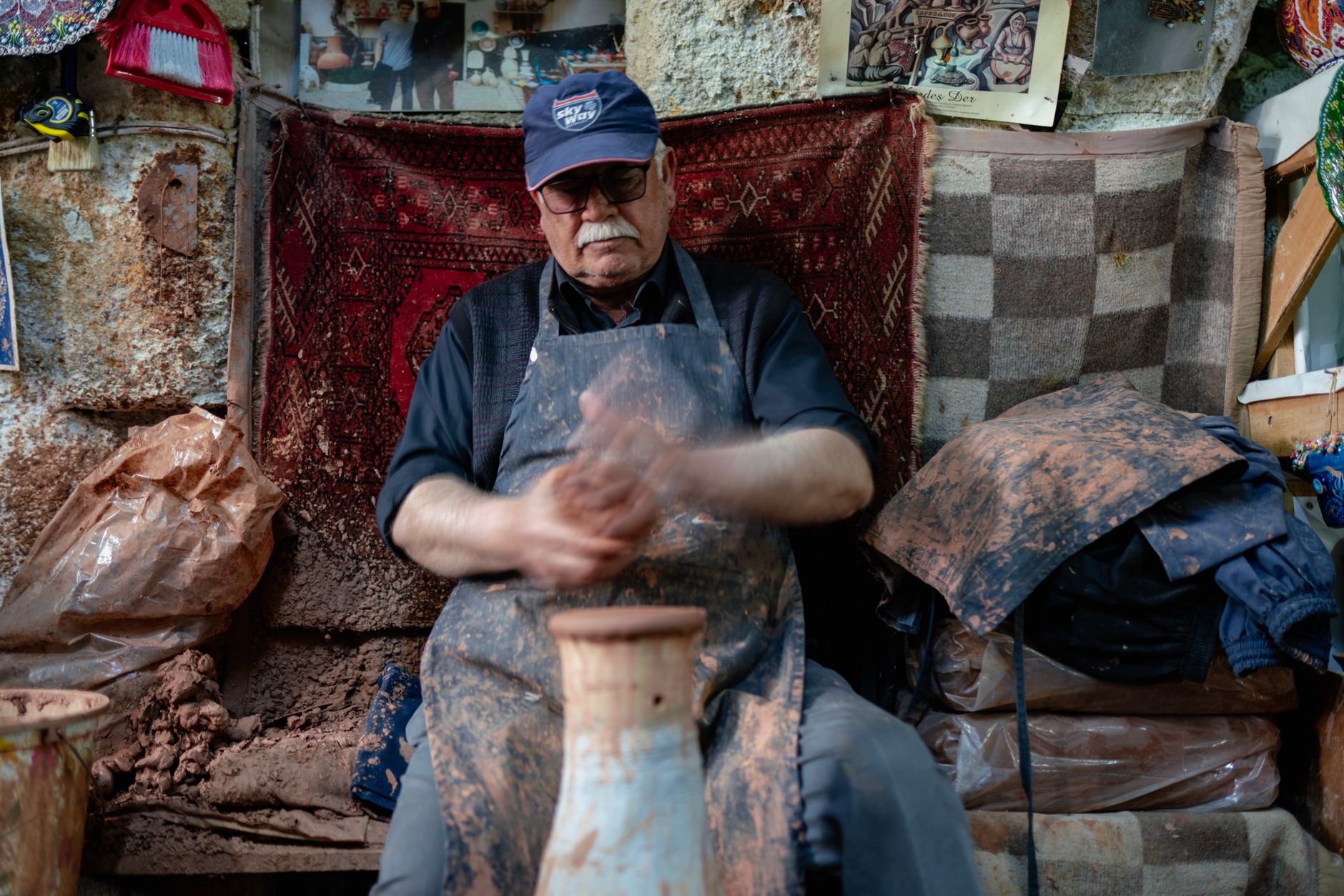
Avanos, a town on the Red River (Kızılırmak) in Cappadocia, has been a pottery center for over 4,000 years. The clay from the riverbanks is perfect for throwing, and the town's workshops—many family-run for generations—offer some of the most immersive experiences in Türkiye. Here, you can sit at a kick wheel, feel the clay spin beneath your fingers, and understand why this craft has survived for millennia.
The most famous studio is probably Chez Galip, a labyrinthine cave workshop where you can watch masters shape enormous vessels and then try a small piece yourself. The experience is theatrical and fun, but also deeply educational: you'll learn about the different types of clay, the firing process, and the traditional Hittite-style designs. Many workshops also offer painting sessions, where you can decorate a pre-made pot with colorful slips.
What to expect: A basic 30–45 minute throwing session costs around 200–400 TL. More comprehensive packages (2–3 hours) include painting and firing, and cost 500–900 TL. Because Avanos is a major tourist hub, it's wise to book through your hotel or a reputable agency to avoid overcrowded tourist traps. Ask to see the kiln and the finishing area—a good studio will be proud to show you.
Glassblowing: Paşabahçe Heritage and Beyond
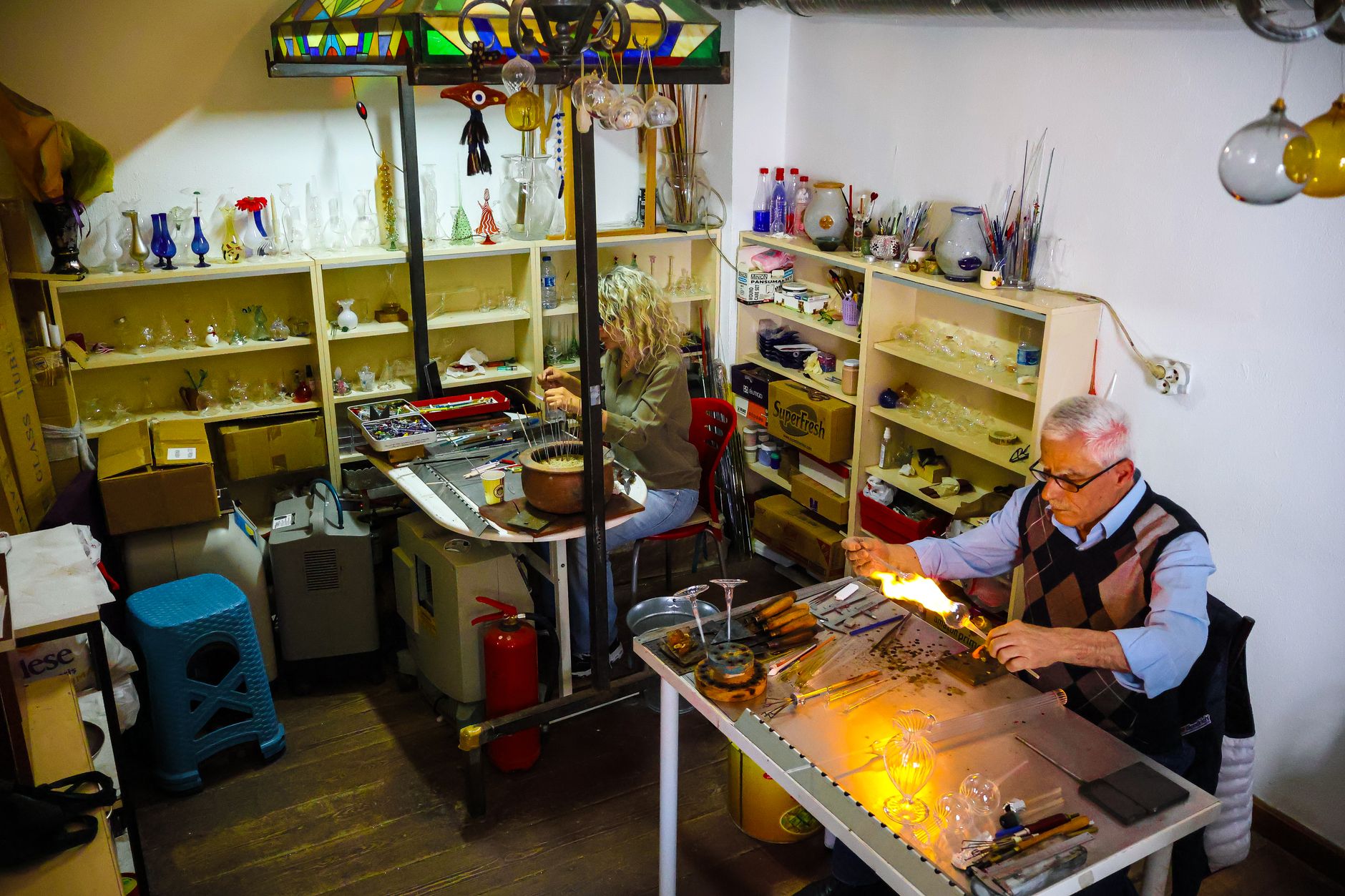
While Türkiye is famous for its ceramics, its glassblowing tradition is equally captivating. The Paşabahçe glass factory, founded in 1935 on the Bosphorus, is a national icon. Although the original factory has moved, its legacy lives on in studios around Istanbul and beyond. Today, you can find glassblowing workshops in Istanbul's Beykoz district, as well as in touristic areas like Cappadocia and Izmir.
At these studios, you can watch glass artists gather molten glass from a furnace, shape it with blowing and marvering, and create delicate vessels or whimsical figures. Many offer hands-on experiences where you can blow your own glass ornament or paperweight. It's hot, fast-paced, and utterly mesmerizing. Because glassblowing requires safety gear and constant supervision, workshops are usually shorter (20–40 minutes) and more structured than pottery sessions.
What to expect: A basic glassblowing experience costs around 400–800 TL and often includes one small piece. Studios in Istanbul's Beykoz area, such as those associated with the Paşabahçe tradition, may require advance booking. In Cappadocia, some hotels partner with local glass artists for private sessions. Note that glass pieces need to cool slowly in an annealing oven, so you'll usually pick them up the next day or have them shipped.
How to Book, What It Costs, and How to Ship Your Treasures Home
Booking a workshop is usually straightforward. Most studios have websites or Instagram accounts, and many accept walk-ins. However, for the best experience, book at least a few days ahead, especially in high season (May–September). If you're visiting a small town like İznik or Kütahya, ask your hotel to call ahead—English may not be spoken by all staff, and a local call can secure your spot.
Typical costs vary widely. As a rule of thumb, a 1-hour pottery workshop costs 200–600 TL, while glassblowing starts around 400 TL. These prices often include materials, firing, and sometimes shipping within Türkiye. If you want your piece shipped internationally, expect to pay an additional 300–800 TL depending on size and destination. Always confirm whether the price includes firing and glazing—some cheap workshops only let you shape the clay and then discard it.
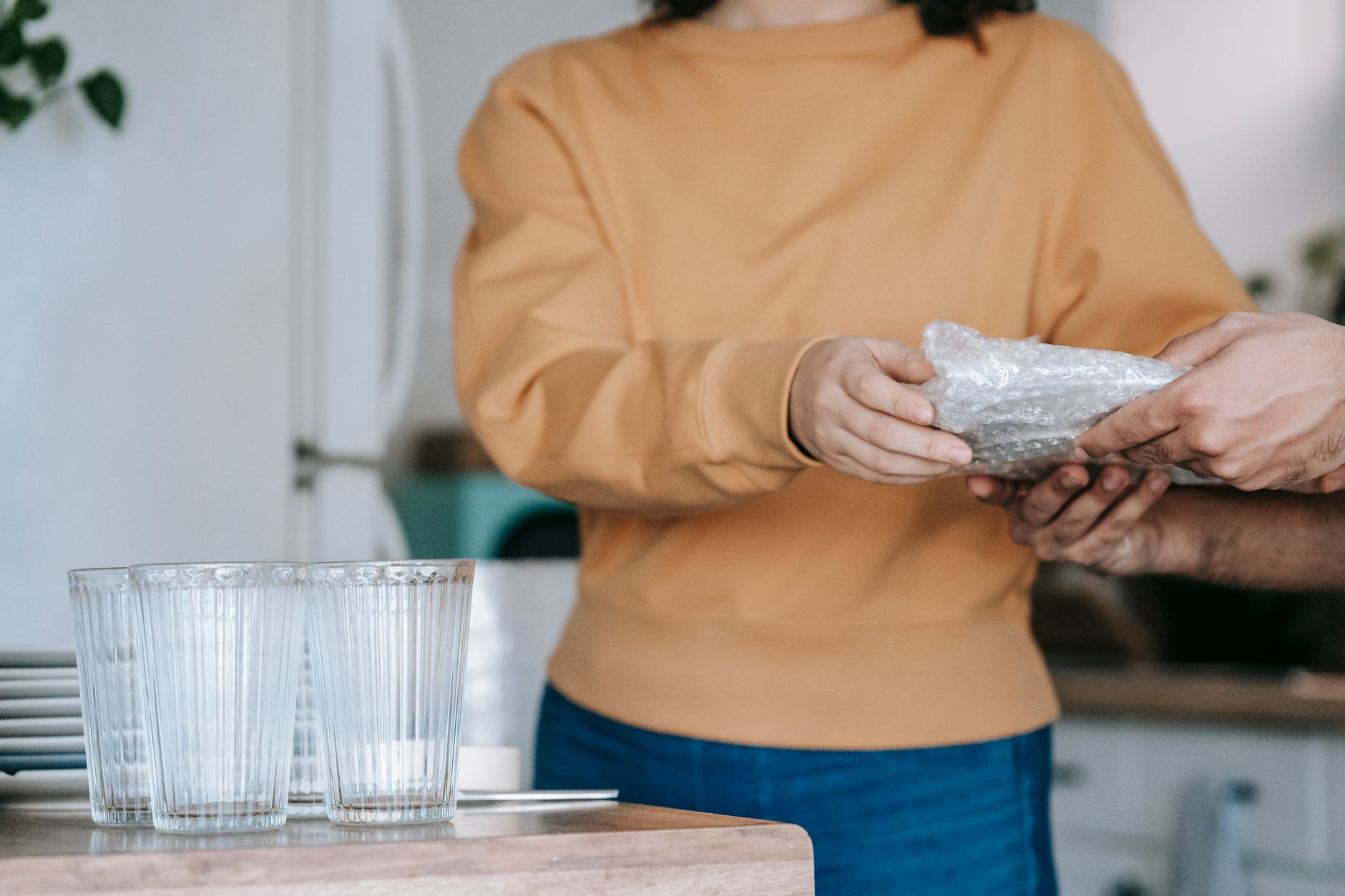
Shipping handmade ceramics and glass requires care. Most studios are experienced in packing for transit: they wrap pieces in bubble wrap, use custom foam inserts, and double-box them. For international shipping, ask for a tracking number and insurance. If you're carrying items in your luggage, pack them in your carry-on if possible, and use hard-shell cases with clothing as padding. Never check a fragile item without proper protection—airline baggage handlers are not gentle.
Finally, remember that your handmade piece is more than a souvenir. It's a connection to a tradition that has survived empires, wars, and modern mass production. When you display that slightly lopsided bowl or that glass ornament with a wonky stem, you'll remember the warmth of the workshop, the concentration of the master, and the joy of creating something with your own hands.
Practical Tips for a Smooth Craft Adventure
Dress appropriately: Clay and glass are messy. Wear comfortable clothes you don't mind getting dirty, and avoid loose sleeves or jewelry that could catch in a wheel or furnace.
Language: While many masters speak some English, it's helpful to learn a few Turkish phrases like "Merhaba" (hello) and "Teşekkürler" (thank you). A smile and an open attitude go a long way.
Timing: Morning workshops are often quieter and cooler, especially in summer. In Cappadocia, avoid the hottest part of the day (12–3 pm) if your studio isn't air-conditioned.
Children: Many studios welcome children aged 6 and up, but glassblowing is generally not suitable for young kids due to safety concerns. Pottery is a great family activity.
Photography: Ask before taking photos or videos. Some studios allow it, others prefer to protect their techniques. Always be respectful.
With a little planning, your craft experience in Türkiye will be a highlight of your trip—and you'll come home with a story and a treasure that no shop-bought souvenir can match.
Thinking about a trip to Turkey?
Share your contact details and a vetted local expert will follow up with a plan built around you — free, no obligation.