

Why Turkish Hammams Are the Original Social Wellness Experience
Step into a historic Turkish hammam and you enter a world that has welcomed friends, families, and travelers for centuries. Far from being a solitary spa retreat, the hammam is a communal ritual — a place where generations gather to soak, scrub, laugh, and relax together. For visitors to Türkiye, a hammam visit is not just a bath; it is a living cultural tradition that combines hygiene, hospitality, and heartfelt connection.
The hammam has always been a social hub. In Ottoman times, it was where neighbors exchanged news, where mothers found brides for their sons, and where women enjoyed a rare day of leisure. Today, that same warm spirit endures. Families book private sessions, friends celebrate birthdays with a steam and scrub, and groups of travelers discover that a shared hammam experience is one of the most memorable hours of their trip.
Unlike a typical Western spa, the hammam is designed for togetherness. You are never rushed, never isolated, and never made to feel like an outsider. The ritual is gentle, the atmosphere is joyful, and the result is a profound sense of well-being that lingers long after you leave.
What to Expect: A Step-by-Step Guide to Your First Hammam
Knowing what happens inside a hammam removes any anxiety and lets you fully enjoy the experience. The classic sequence is simple and welcoming.
1. Arrival and changing: You will be given a pestemal (a thin, colorful cotton wrap), a pair of slippers, and a locker key. Men and women usually have separate sections, or separate hours. Private family sessions can often be arranged, which is ideal for groups with children.
2. The warm room (sicaklik): You relax on a heated marble slab, letting the steam open your pores and soothe your muscles. This is the social heart of the hammam — talk, laugh, and unwind.
3. The scrub and foam massage (kese ve köpük): An attendant (tellak for men, natir for women) gently exfoliates your skin with a coarse mitt, then envelops you in a cloud of olive-oil-based foam. It is both invigorating and deeply relaxing.
4. Rinsing and cooling: After the massage, you rinse with warm water and gradually cool down in the relaxation room. Many hammams offer tea, sherbet, or fresh juice.
The entire ritual typically takes 60 to 90 minutes, though you are welcome to linger. No prior experience is needed — attendants are used to first-timers and will guide you with kindness.
Hammam Etiquette: Simple Tips for a Comfortable Visit
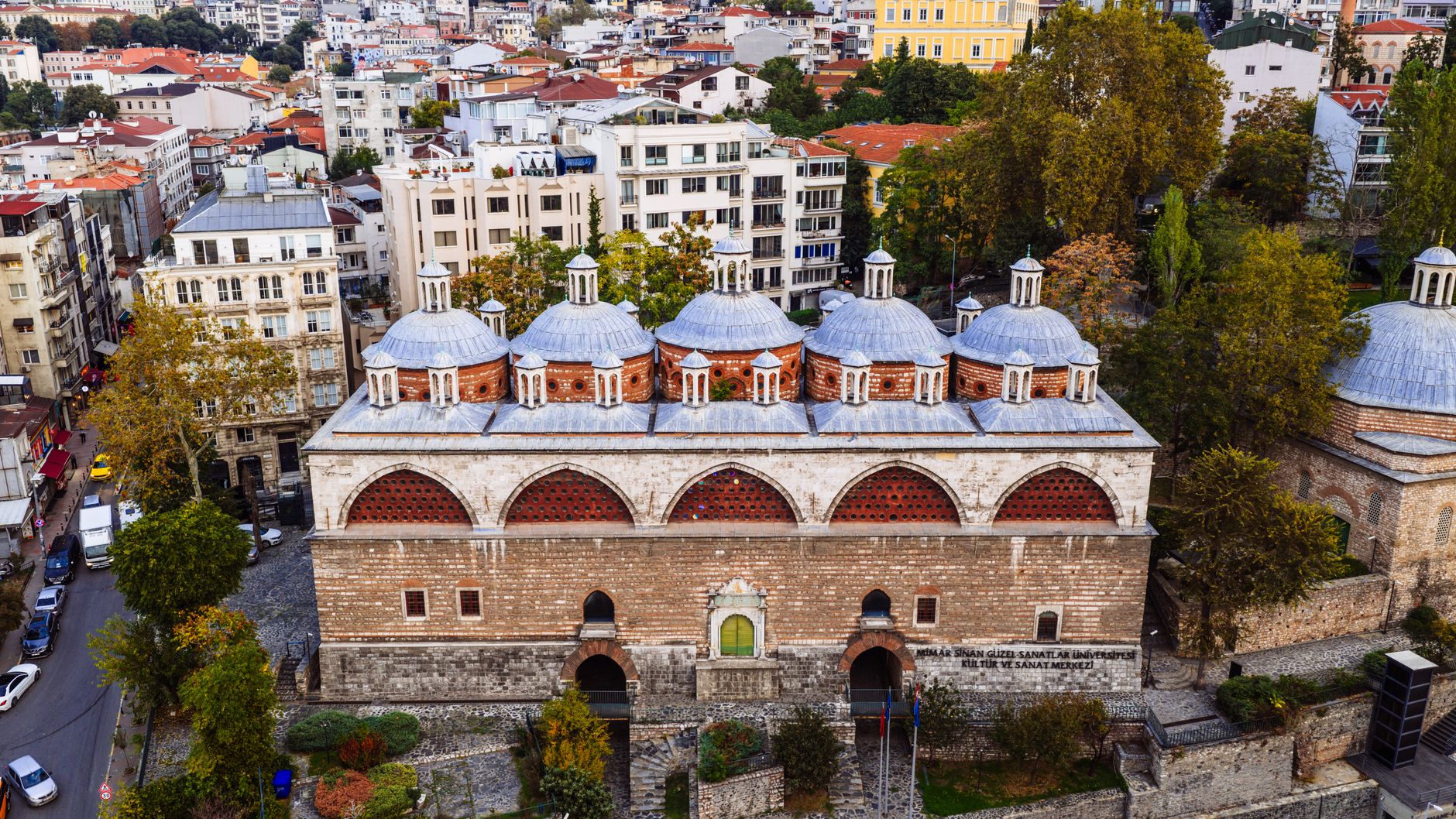
Turkish hammam etiquette is based on respect, modesty, and cleanliness. Following a few simple guidelines ensures a smooth, enjoyable visit for everyone.
Modesty: You will always be covered with a pestemal during the public areas. Nudity is not the focus; relaxation and hygiene are. In women's sections, some women may remove their wraps while on the marble slab, but this is a personal choice and no one pressures you.
Quiet enjoyment: While hammams are social, loud conversations or splashing can disturb others. A calm, friendly tone is appreciated.
Tipping: If you receive a scrub and foam massage, a small tip (50–100 TL) for your attendant is customary and warmly received.
Hygiene: Hammams take cleanliness seriously. You will be given a fresh, clean pestemal and slippers. The marble surfaces are rinsed constantly. Bring your own flip-flops if you prefer, and don't forget a hairbrush and a change of underwear.
If you are visiting as a group, consider booking a private session. This gives you the freedom to chat, laugh, and move at your own pace without worrying about other guests.
Best Historic Hammams in Istanbul for Groups
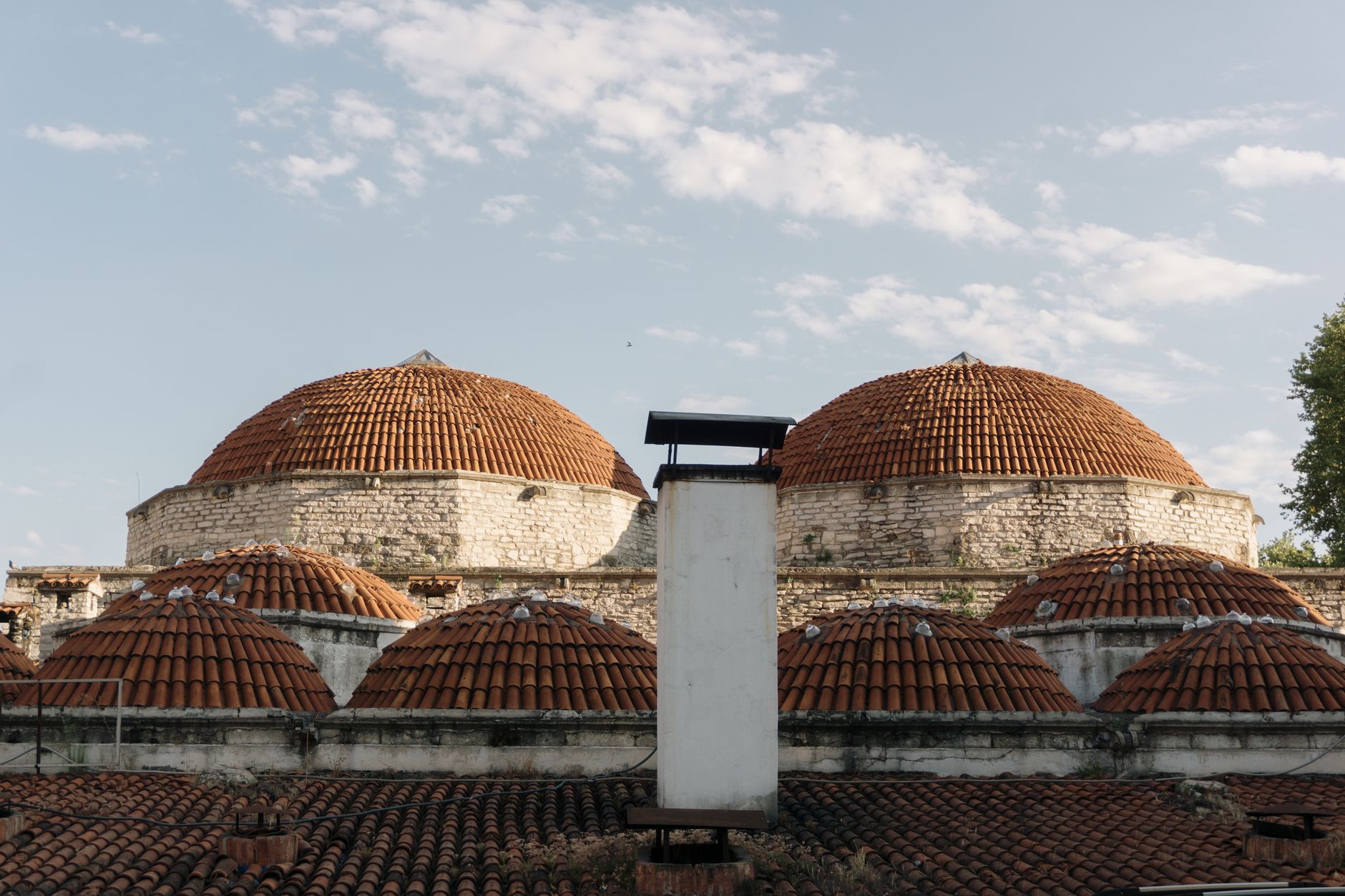
Istanbul is home to some of the most magnificent hammams in the world, many dating back to the Ottoman era. These are our top picks for a social, welcoming experience.
Kılıç Ali Paşa Hamamı (Tophane): Built in 1580 by the famous architect Mimar Sinan, this stunning hammam was restored to its former glory. It offers mixed-gender sessions (swimwear required) on certain days, making it perfect for friends and families who want to share the experience together. The marble interior is breathtaking, and the service is impeccable.
Çemberlitaş Hamamı (Fatih): Another Mimar Sinan masterpiece, dating from 1584. It has separate sections for men and women and offers a traditional, authentic atmosphere. Group bookings are available, and the location near the Grand Bazaar makes it easy to combine with sightseeing.
Ayasofya Hürrem Sultan Hamamı (Sultanahmet): Located between Hagia Sophia and the Blue Mosque, this is the most luxurious historic hammam in the city. It offers private family and group packages, with impeccable service and a serene, upscale ambiance. Perfect for a special occasion.
Tarihi Galatasaray Hamamı (Beyoğlu): A beloved neighborhood hammam since 1481, frequented by locals and travelers alike. It is less touristy, very welcoming, and offers excellent value. Separate sections for men and women.
Beyond Istanbul: Bursa and Other Historic Hammam Towns
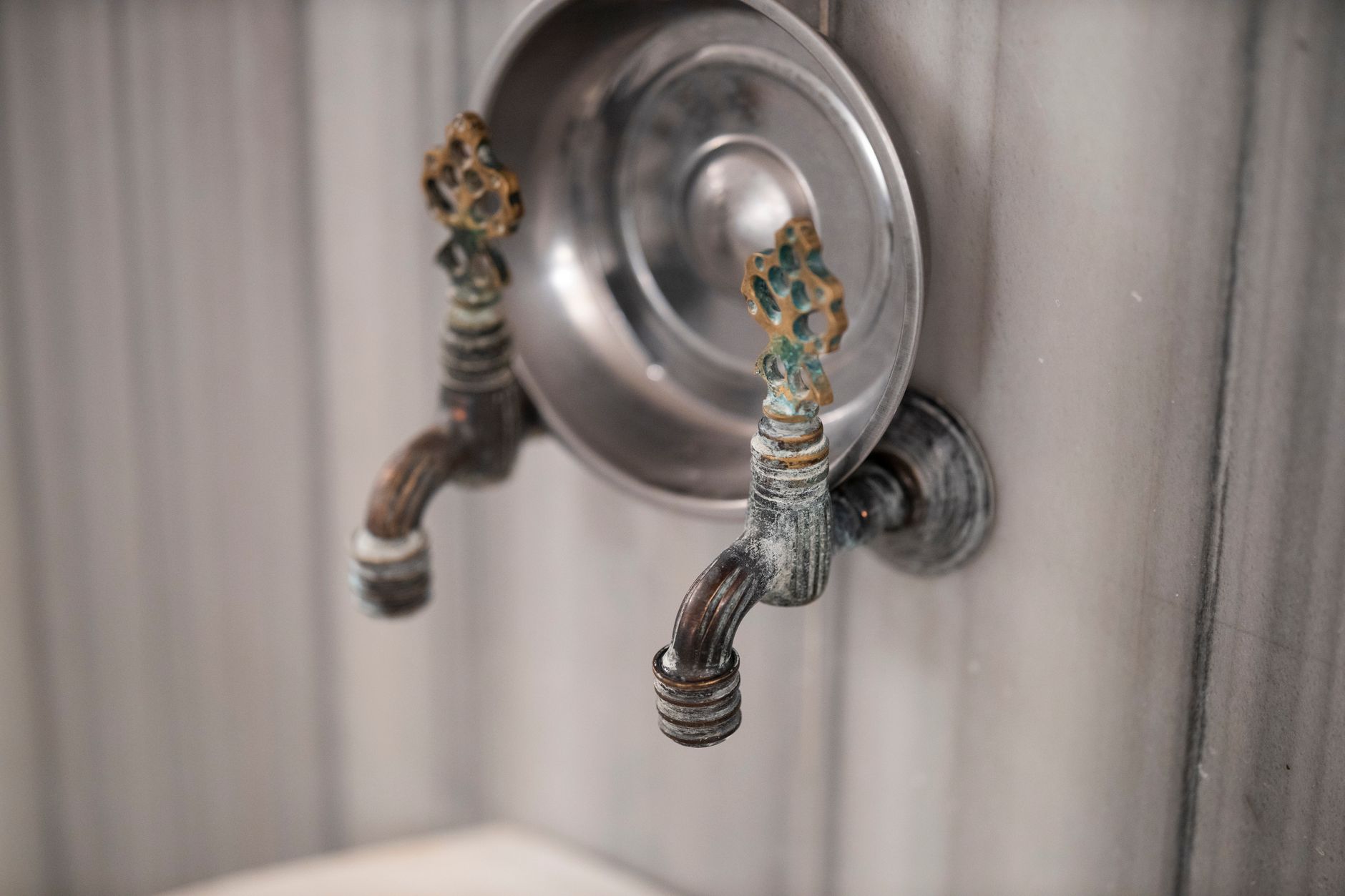
While Istanbul gets the spotlight, other Turkish cities boast equally remarkable hammams that are often quieter and more affordable.
Bursa: The first capital of the Ottoman Empire is rich in hammam culture. The historic Keçeli Hamamı and Yeni Kaplıca (built in the 16th century) are famous for their thermal waters. Bursa's hammams often combine bathing with natural hot springs, making them ideal for families seeking a therapeutic day out.
Ankara: The Şengül Hamamı (also known as the Ankara Hamamı) is a 15th-century bathhouse that remains a local favorite. It offers a genuine, no-frills experience and a warm welcome to groups.
Izmir: The Şadırvanaltı Hamamı near the Kemeraltı bazaar is a historic hammam that has been serving locals for centuries. It is a great stop for cruise passengers and small groups.
Gaziantep: The Paşa Hamamı is a beautifully restored 16th-century hammam in the old city. It offers a glimpse into the region's rich bathing culture and is very welcoming to visitors.
In every city, hammams are more than tourist attractions. They are living community centers where you can connect with Turkish hospitality at its most genuine.
Timing Your Visit: When to Go for the Best Experience
Hammams are open daily, but the atmosphere changes throughout the day. Choosing the right time can make your visit even more enjoyable.
Morning (8:00–11:00): Quieter and cooler, ideal for those who prefer a peaceful, reflective experience. Many locals visit before work, so you'll see the hammam at its most authentic.
Afternoon (14:00–17:00): The most social time. Families gather, friends catch up, and the hammam buzzes with cheerful conversation. This is the best time for groups who want to soak up the communal spirit.
Evening (18:00–22:00): Romantic and relaxing. Some hammams offer candlelit sessions, and the crowds thin out. Perfect for couples or small groups seeking tranquility.
Friday and weekends: Busiest days, especially in the afternoons. If you prefer a calmer visit, opt for a weekday morning.
Ramadan and holidays: Hammams are very popular during Ramadan (before iftar) and on religious holidays. Expect lively crowds and extended hours. It's a wonderful cultural experience, but book ahead if you want a private group session.
Practical Tips for a Joyful Group Hammam Visit
Ready to plan your own hammam adventure? Here are our top tips for making the most of it with family and friends.
- Book ahead: For groups of four or more, call or email the hammam to reserve a private session or a block of time. This ensures you stay together and avoids waiting.
- Bring the essentials: A swimsuit (for mixed sessions), flip-flops, a hairbrush, and a waterproof bag for wet items. Most hammams provide towels and toiletries, but it's good to have your own.
- Choose a package: Most hammams offer several packages — from a simple self-service bath to a full scrub, foam, and oil massage. For first-timers, the full package is worth it.
- Stay hydrated: Drink plenty of water before and after. Hammams are hot, and you'll sweat. Most hammams offer complimentary tea or sherbet.
- Embrace the ritual: Don't rush. The hammam is a place to slow down, chat, and enjoy the warmth — both physical and social.
- Respect local customs: Follow the lead of your attendants and fellow bathers. A smile and a thank-you go a long way.
Whether you're traveling with family, a group of friends, or seeking a unique cultural experience, Turkish hammams offer an unforgettable blend of relaxation, hygiene, and joyful connection. They are a testament to Türkiye's gift for turning everyday wellness into a celebration of community.
"The hammam is not just a bath; it is a place where hearts open and friendships deepen." — Turkish proverb
So gather your loved ones, step into the steam, and discover why this centuries-old tradition remains one of Türkiye's most cherished social rituals.
Thinking about a trip to Turkey?
Share your contact details and a vetted local expert will follow up with a plan built around you — free, no obligation.