

Where the Aegean Breathes Slowly
There is a stretch of Türkiye's Aegean coast that doesn't shout for attention. It doesn't need to. West of Izmir, where the mainland fractures into a mosaic of peninsulas, the sea turns a shade of blue that seems borrowed from a dream, and the hillsides are stitched with olive groves that have stood for centuries. This is the quiet Aegean—Çeşme, Karaburun, and the lesser-known coves in between—where the loudest sound is often the wind through the pines and the lapping of water against a pebbled shore.
For travelers who measure a destination not by its Instagram-famous landmarks but by the quality of its stillness, this corner of Türkiye is a revelation. The region manages a rare feat: it offers all the comforts of a lively resort town alongside pockets of profound serenity. You can spend the morning hiking a wild peninsula trail and the afternoon sipping tea in a stone village square, then dine on freshly caught sea bass as the sun melts into the Aegean. It's a place that rewards those who travel slowly and look closely.
In this guide, we'll explore the peninsulas of Çeşme and Karaburun, plus the charming gateway of Alaçatı, with practical advice on getting there, where to base yourself, and the best months for swimming and hiking. Whether you're seeking a peaceful retreat or a gentle mix of culture and coast, Türkiye's quiet Aegean is ready to welcome you.
Çeşme: Thermal Springs, Castles and Crystal Bays
Çeşme sits at the very tip of the peninsula that bears its name, a town where history and holiday ease coexist. The name means "fountain" in Persian, a nod to the natural springs that have drawn visitors since antiquity. At the heart of town, the Genoese-built Çeşme Castle houses a small museum, and just below its walls, the Aegean stretches out in a sweep of turquoise. It's a wonderful place to begin a slow exploration—climb the ramparts in the morning, then walk down to the harbour for a glass of çay.
The town is also famed for its thermal waters. The Çeşme Thermal Springs and the nearby Ilıca Beach are known for their healing properties, with warm mineral-rich water bubbling up right on the shoreline. Swimming here is a uniquely Turkish experience: one moment you're in the cool Aegean, the next you've drifted into a current of warm, silky water. It's a natural spa treatment that costs nothing and feels utterly indulgent.
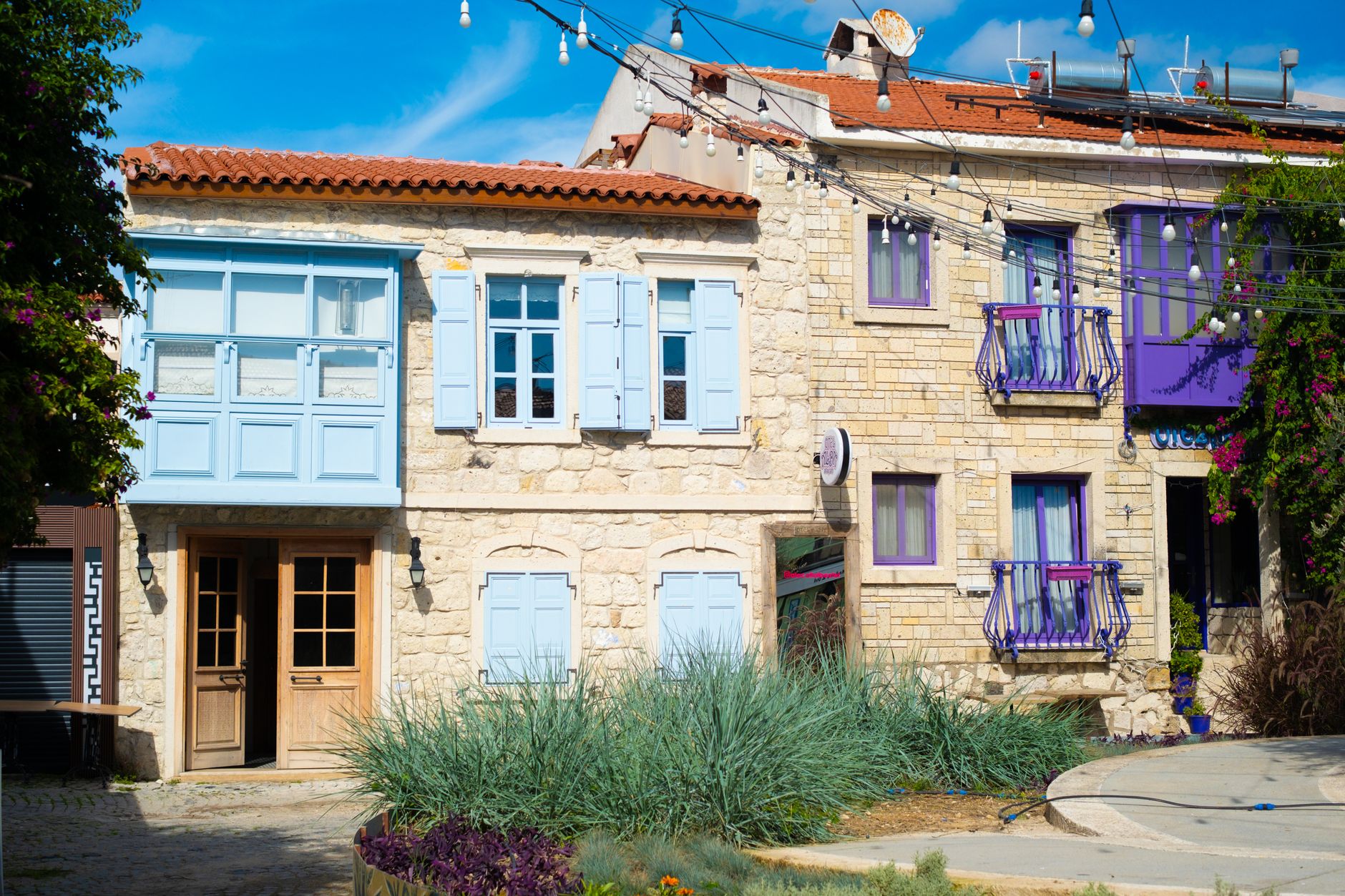
Beyond the town, the peninsula is dotted with coves and beaches that range from lively to secluded. Ilıca Beach is the most popular, with its golden sand and shallow entry, while further south, beaches like Altınkum and Pırlanta offer quieter spots for those willing to drive a little. And if you're looking for the classic Aegean village atmosphere, head to Alaçatı, just a 15-minute drive inland, where bougainvillea-draped stone houses, boutique hotels and excellent restaurants make it a perfect base for exploring the region.
Karaburun: The Wild, Untouched Peninsula
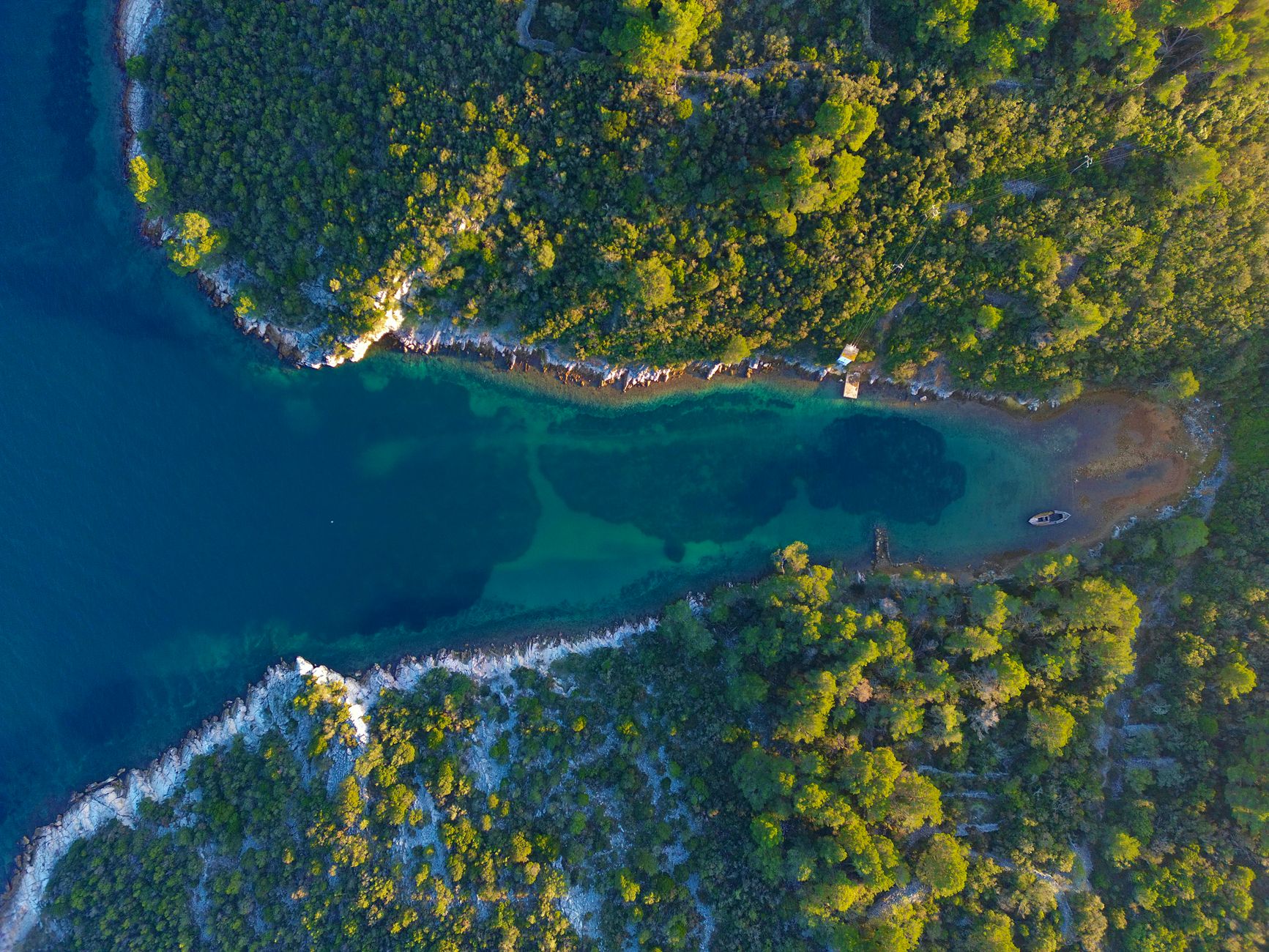
North of Çeşme, connected by a winding coastal road that clings to the hills, lies the Karaburun Peninsula—a place that feels like Türkiye's best-kept secret. This is the Aegean at its most raw and beautiful. The terrain is rugged, the roads are few, and the villages are small and genuine. If you're craving a true escape from the crowds, Karaburun delivers in spades.
The peninsula's coastline is a series of hidden bays, some accessible only by boat or a hike. Mordoğan, a charming fishing town on the eastern shore, is a great place to start. Its harbour is lined with simple fish restaurants, and the nearby beaches—like Karaburun's famous Kuyucak and Sarpıncık—offer clear water and a sense of solitude that's increasingly hard to find. The water here is notably clean; the region is a protected area, and you can often see the seabed 10 meters down.
For hikers, Karaburun is a paradise. The peninsula is crisscrossed with ancient paths, including sections of the Carian Trail, which winds through pine forests, past abandoned Greek villages, and along dramatic clifftops. The views are spectacular—on a clear day, you can see the Greek island of Chios just across the water. The best time to hike is spring or autumn, when the temperatures are mild and the wildflowers are in bloom.
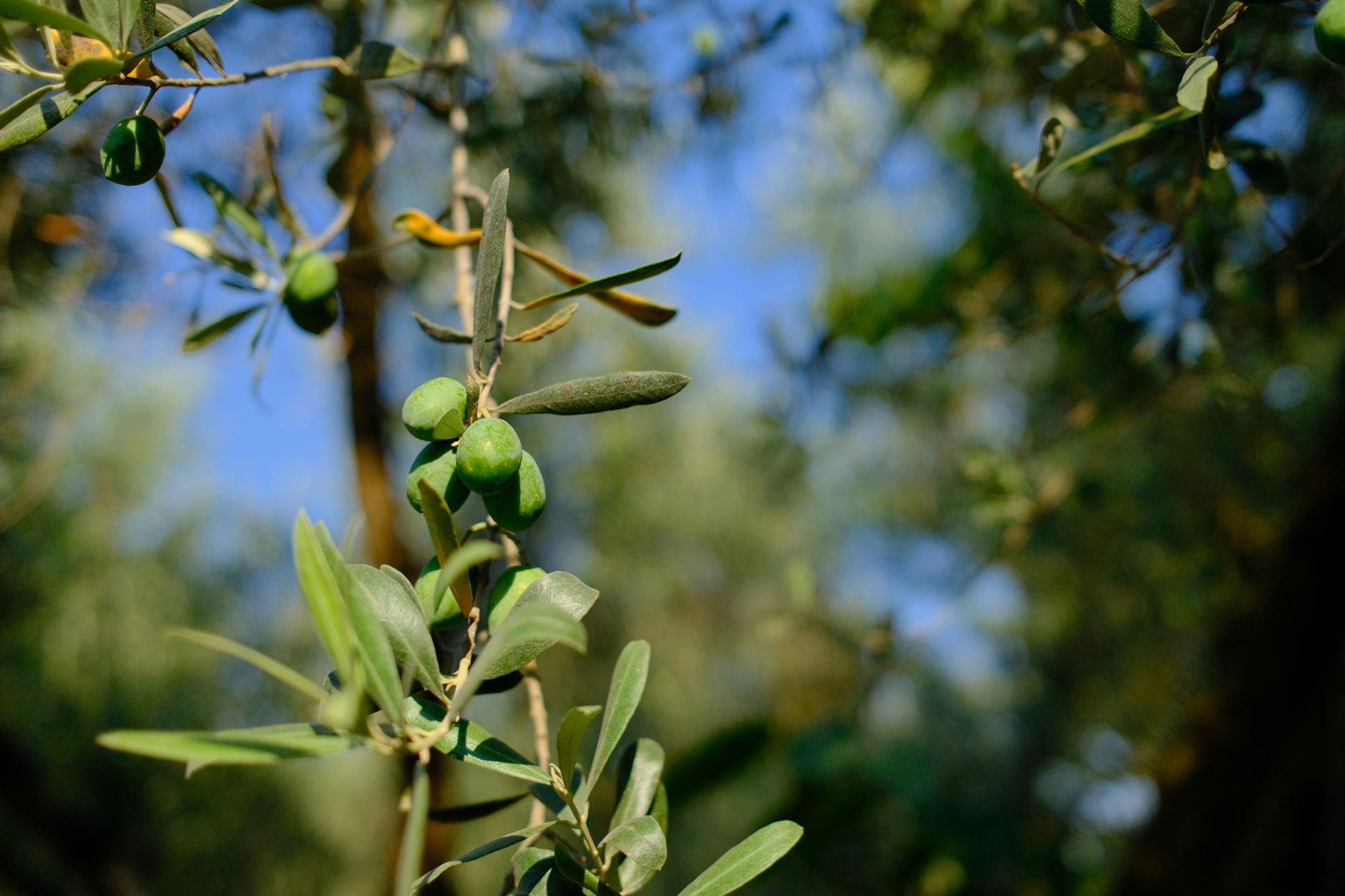
Don't miss the village of Karaburun itself, with its stone houses and sleepy atmosphere. The weekly market is a great place to stock up on local olive oil, honey and herbs. And if you're feeling adventurous, take a boat trip to the uninhabited islands offshore, where you can swim in complete privacy.
Alaçatı: Stone Houses, Vineyards and Slow Living
Alaçatı is often described as the prettiest village in Türkiye, and it's hard to argue. Its narrow streets are lined with whitewashed stone houses, their windows framed by blue shutters and cascading bougainvillea. Once a Greek settlement, the village has been lovingly restored, and today it's a hub for boutique shopping, artisanal food and wine tasting. But despite its popularity, Alaçatı retains a genuine charm—especially in the early morning or off-season, when the crowds thin and the village returns to its peaceful rhythms.
The surrounding area is perfect for slow exploration. You can rent a bicycle and pedal through vineyards and olive groves, or join a cooking class to learn the secrets of Aegean cuisine. The local markets are a feast for the senses: fresh figs, mountain herbs, handmade cheeses and jars of golden olive oil. And of course, no visit to Alaçatı is complete without a visit to one of its many wineries—the region is one of Türkiye's up-and-coming wine destinations, with boutique producers crafting elegant whites and reds from native grapes.
Alaçatı also makes an excellent base for exploring the wider peninsula. It's just a short drive from Çeşme's beaches and the wilds of Karaburun, and the nearby Alaçatı Port offers a marina and waterfront dining. Whether you're looking for a romantic getaway or a peaceful family holiday, this village has a way of slowing you down in the best possible way.
Getting There and Getting Around
The gateway to this region is Izmir, Türkiye's third-largest city and a major transport hub. Izmir Adnan Menderes Airport (ADB) receives flights from Istanbul, Ankara, and many international destinations, including direct flights from several European cities. From the airport, it's about a 45-minute drive to Çeşme and Alaçatı, and around 1.5 hours to Karaburun. Rental cars are readily available at the airport, and driving is the most flexible way to explore the peninsulas—the coastal roads are scenic and well-maintained.
If you prefer not to drive, there are regular buses and dolmuşes (shared minibuses) connecting Izmir with Çeşme, Alaçatı and Karaburun. The journey is comfortable and inexpensive, though having your own vehicle will give you the freedom to discover hidden beaches and mountain villages at your own pace. For those based in Alaçatı or Çeşme, taxis and local buses can handle shorter trips, but for Karaburun's remote spots, a car is almost essential.
Once you're on the peninsula, embrace the slow pace. Distances are short, but the winding roads mean you'll want to allow extra time. Stop often—for a swim, a photo, or a glass of tea at a roadside café. This is a region that rewards spontaneity.
When to Go: Swimming, Hiking and the Seasons
The best months for swimming are from late May through early October. July and August are the hottest, with sea temperatures reaching a bath-like 26°C (79°F), but they're also the busiest. For a quieter experience, aim for June or September, when the water is still warm, the weather is sunny, and the crowds are thinner. September, in particular, is magical—the light is golden, the sea is calm, and the local grape harvest is in full swing.
For hiking, spring (April to May) and autumn (September to November) are ideal. The temperatures are comfortable for walking, and the landscapes are at their most vibrant—spring brings wildflowers and rushing streams, while autumn paints the olive groves in silver and gold. Summer hikes are possible but best done early in the morning, and winter can be windy and wet, though the region remains mild compared to the rest of Türkiye.
Whatever season you choose, pack layers. The Aegean weather can change quickly, and a breeze often picks up in the afternoon. A light windbreaker, sturdy walking shoes, and a swimsuit are the essentials for this kind of slow coastal escape.
Where to Base Yourself: Choosing Your Aegean Haven
Your choice of base will shape your experience. For a lively atmosphere with easy access to beaches, restaurants and nightlife, Çeşme town or Ilıca is a great choice. Families often prefer the shallow waters of Ilıca Beach, while couples might opt for a boutique hotel in Alaçatı, where romantic courtyards and fine dining await. Alaçatı is also the best base for those who want to combine beach days with cultural exploration—it's central, beautiful and full of character.
If you're seeking solitude, head to Karaburun. The peninsula has a growing number of small guesthouses and eco-retreats, often set among olive groves with sweeping sea views. Mordoğan is a good option for a mix of village life and coastal beauty, while the remote bays on the western shore offer near-total seclusion. Wherever you stay, you'll find that Turkish hospitality is warm and genuine—expect to be welcomed with tea and a smile.
Ultimately, the quiet Aegean is not about ticking off sights; it's about settling into a slower rhythm. Whether you spend your days swimming in hidden coves, hiking ancient paths, or simply watching the sunset from a stone terrace, you'll leave feeling restored. Türkiye's ability to offer both lively resorts and peaceful retreats is one of its greatest gifts—and on these peninsulas, that balance feels effortlessly perfect.
Practical Tips for a Slow Escape
To make the most of your trip, travel light and pack a reusable water bottle—the tap water is not drinkable, but you can refill at local fountains. Learn a few words of Turkish; locals appreciate the effort, and it opens doors to conversations. Cash is useful in smaller villages, though cards are widely accepted in towns. And don't over-schedule: the beauty of this region is in its unhurried moments. A spontaneous stop at a roadside stall for gözleme (Turkish flatbread) or a dip in a bay you stumbled upon can become the highlight of your trip.
Respect the environment—the Aegean coast is fragile, and keeping it pristine ensures future travelers can enjoy it too. Avoid single-use plastics, stick to marked trails, and support local businesses. And finally, slow down. This is a place to linger, to breathe, to watch the light change over the sea. Türkiye's quiet Aegean peninsulas are waiting, and they have all the time in the world.
Thinking about a trip to Turkey?
Share your contact details and a vetted local expert will follow up with a plan built around you — free, no obligation.