

There is a particular kind of magic to Türkiye when the sky turns grey. The call to prayer echoes a little softer off wet stone, tea glasses steam on window ledges, and the smell of rain on cobblestones mixes with roasting chestnuts and fresh simit. Travelers who panic at the sight of clouds miss some of the country's richest experiences — because Türkiye's indoor world is astonishing: world-class archaeology museums, Ottoman hammams that have been warming bodies for five centuries, covered bazaars that feel like cities within cities, and cafés where a single çay can stretch into an afternoon of conversation.
So don't mourn the sunshine. Treat rain as an excuse to go deeper. This guide covers upbeat, practical rainy-day plans in Istanbul, Izmir, Antalya and Ankara, with notes on timing, transport and etiquette so a downpour never derails your itinerary. For broader trip planning whatever the forecast, our travel guides and itineraries are a good place to start — and if you want a route built around your dates, the trip planner has you covered.
Istanbul in the Rain: Archaeology, Cisterns and Covered Bazaars
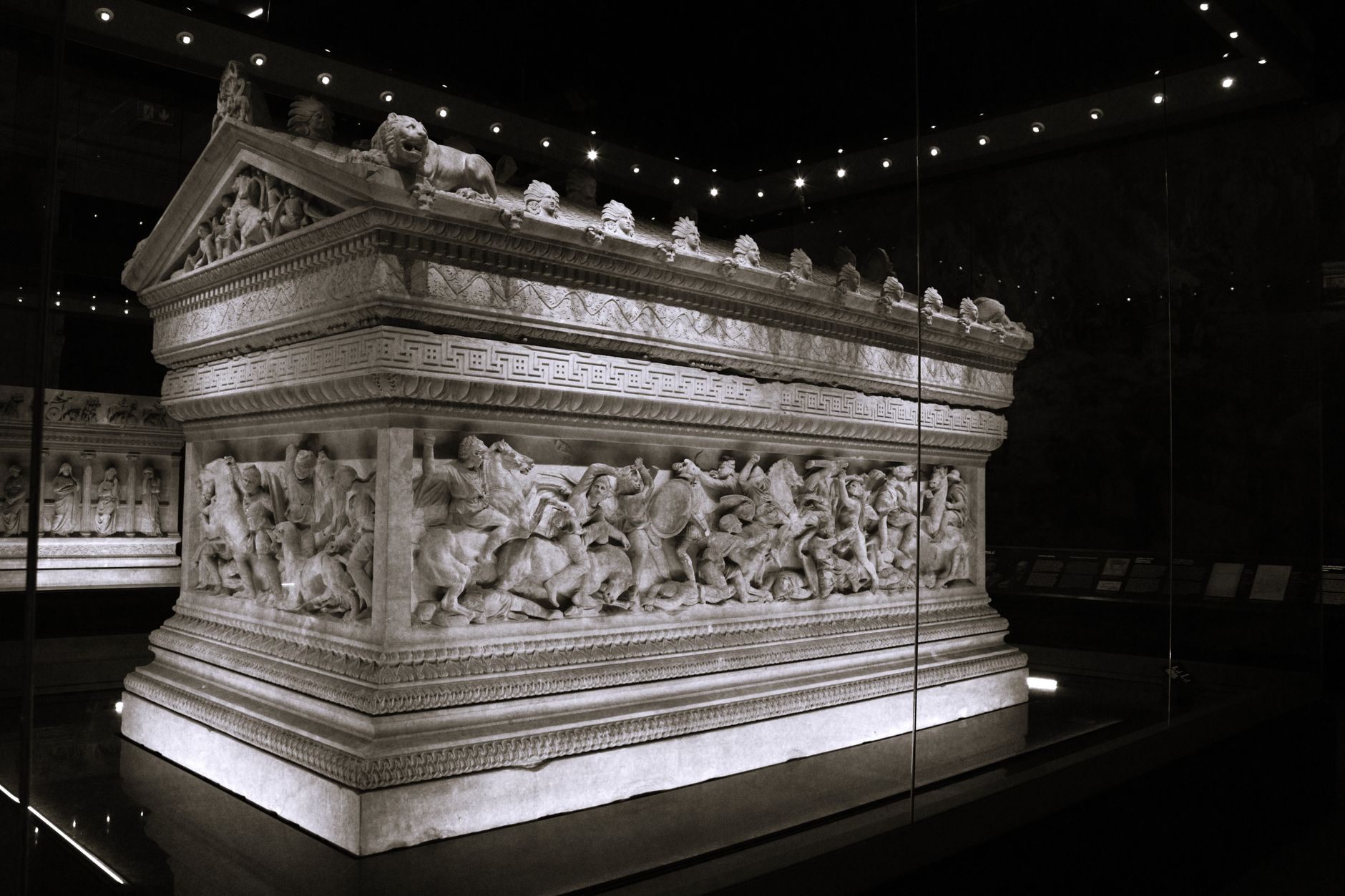
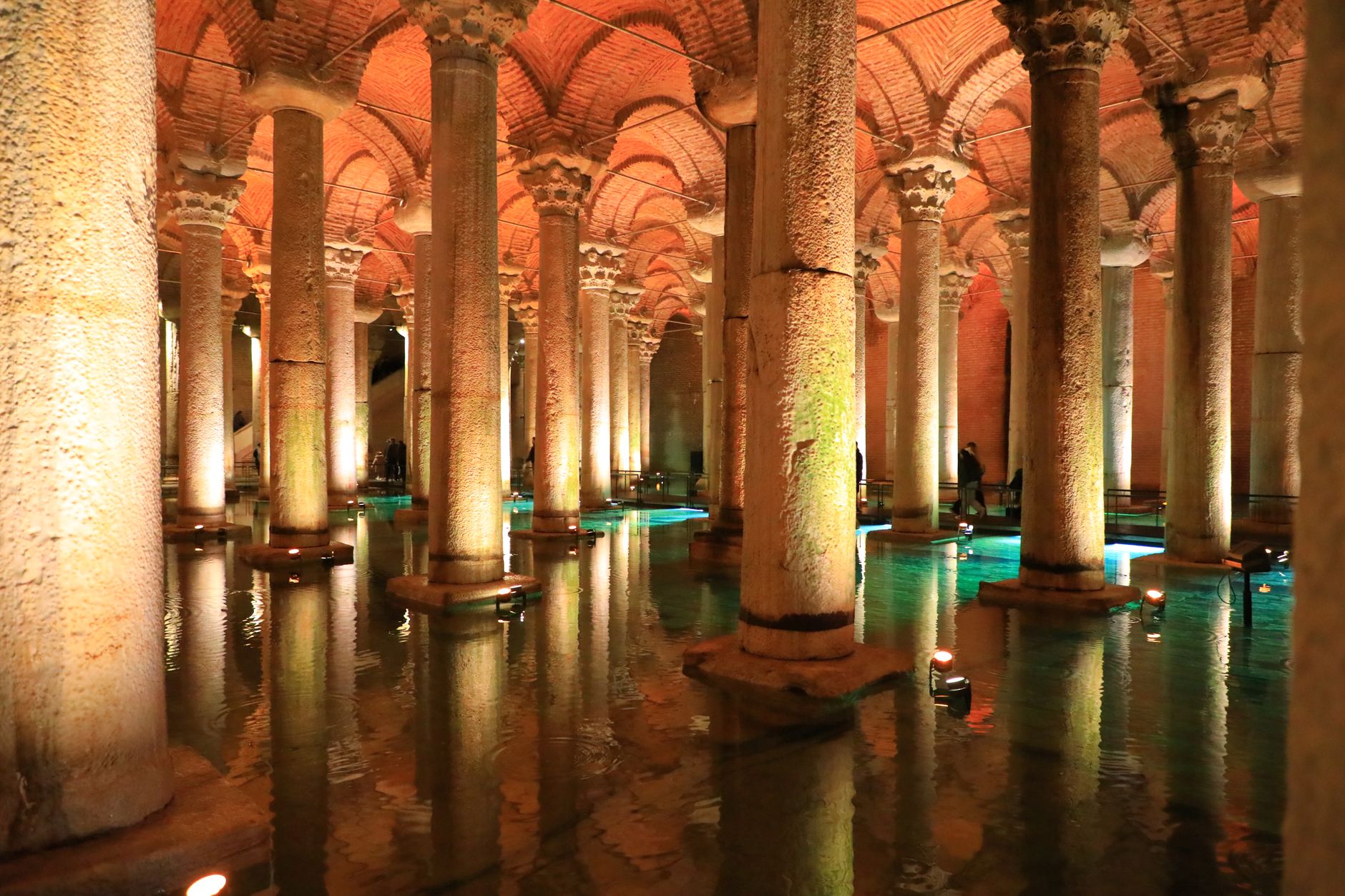
Istanbul might be the world's greatest rainy-day city. Start at the Istanbul Archaeological Museums in the first courtyard of Topkapı Palace, a complex of three buildings — Archaeology, Ancient Orient and the Tiled Kiosk — packed with sarcophagi, cuneiform tablets and the hauntingly beautiful Alexander Sarcophagus. You can easily spend three hours here without noticing the weather. Nearby, the Basilica Cistern is arguably better in rain: the dripping water, dim amber light and forest of ancient columns feel like descending into another world. Book timed tickets online during peak season and arrive at opening time to beat the tour groups.
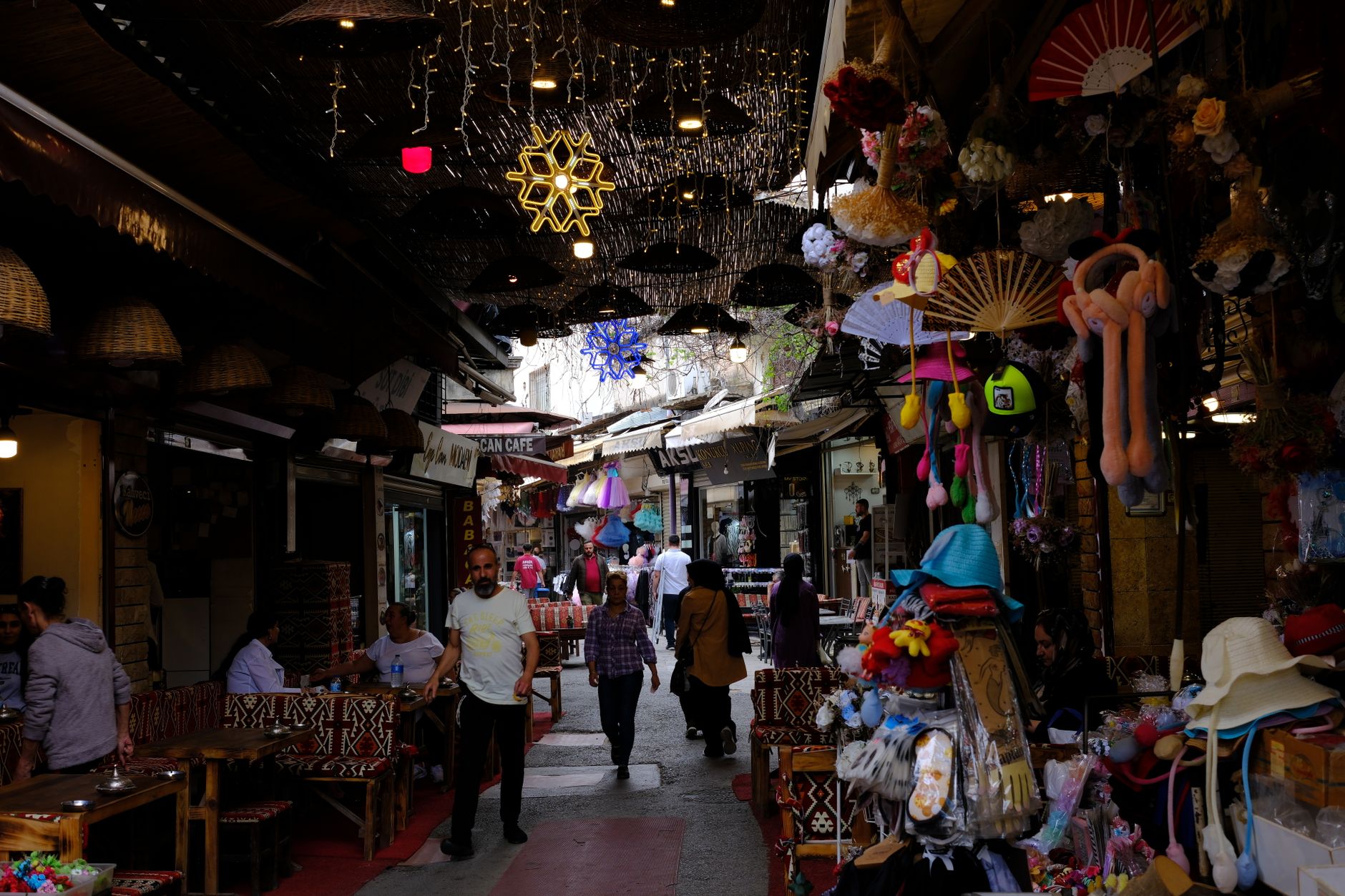
When the rain settles into a steady drizzle, dive into the Grand Bazaar. With more than 4,000 shops across 60-plus covered streets, it is a weatherproof universe of lamps, carpets, spices and gold. Go on a weekday morning; weekends are shoulder-to-shoulder. From there, wander downhill to the Spice Bazaar in Eminönü, then warm up with a bowl of lentil soup in a nearby esnaf lokantası (tradesmen's restaurant).
For a quieter afternoon, the Pera Museum in Beyoğlu and the Istanbul Modern in Karaköy offer contemporary art with harbor views — the latter's café is a fine spot to watch ferries punch through grey water. Getting around: the T1 tram links Sultanahmet, Eminönü and Karaköy reliably even in heavy rain, and the funicular to Taksim keeps you dry between Beyoğlu and the Golden Horn. Avoid taxis in downpours — traffic on the E-5 and bridge approaches can double. A single Istanbulkart covers trams, metro, ferries and funiculars, so load it once and stay flexible.
Izmir: Covered Bazaars, Roman Agoras and Seaside Shelter
Izmir wears rain gracefully. Begin at the Agora of Smyrna in Konak, a Roman market and meeting place whose reconstructed colonnades and vaulted basements are atmospheric in wet weather — though the open courtyard gets slick, so wear shoes with grip. Combine it with the nearby Kemeraltı Bazaar, a labyrinth of covered lanes selling everything from coffee to wedding dresses. This is the place to duck in and out of shops, sip menengiç (a caffeine-free coffee made from terebinth berries) and sample boyoz pastries fresh from the oven.
Izmir's cultural highlight on a wet day is the Izmir Archaeological Museum on Halil Rıfat Paşa Boulevard, home to the celebrated bronzes of the Poseidon and Demeter statues recovered from the sea off Çeşme — serene, powerful pieces that reward slow looking. The Izmir Museum of History and Art in the Kültürpark area adds Ottoman and modern Turkish works, and Kültürpark itself, with its cafés and exhibition halls, is a handy hub when you need to stay close to shelter.
If you're staying in Alsancak or Karşıyaka, use the İZBAN commuter rail and the metro rather than the ferries; crossings get choppy and services can thin out in storms. Save the Kordon waterfront promenade for a break in the clouds — a rainbow over the bay is worth the wait. For more on how weather shapes travel seasons across the country, see our best-time guide.
Antalya: Museums, Old Town Arcades and Waterfalls in the Rain
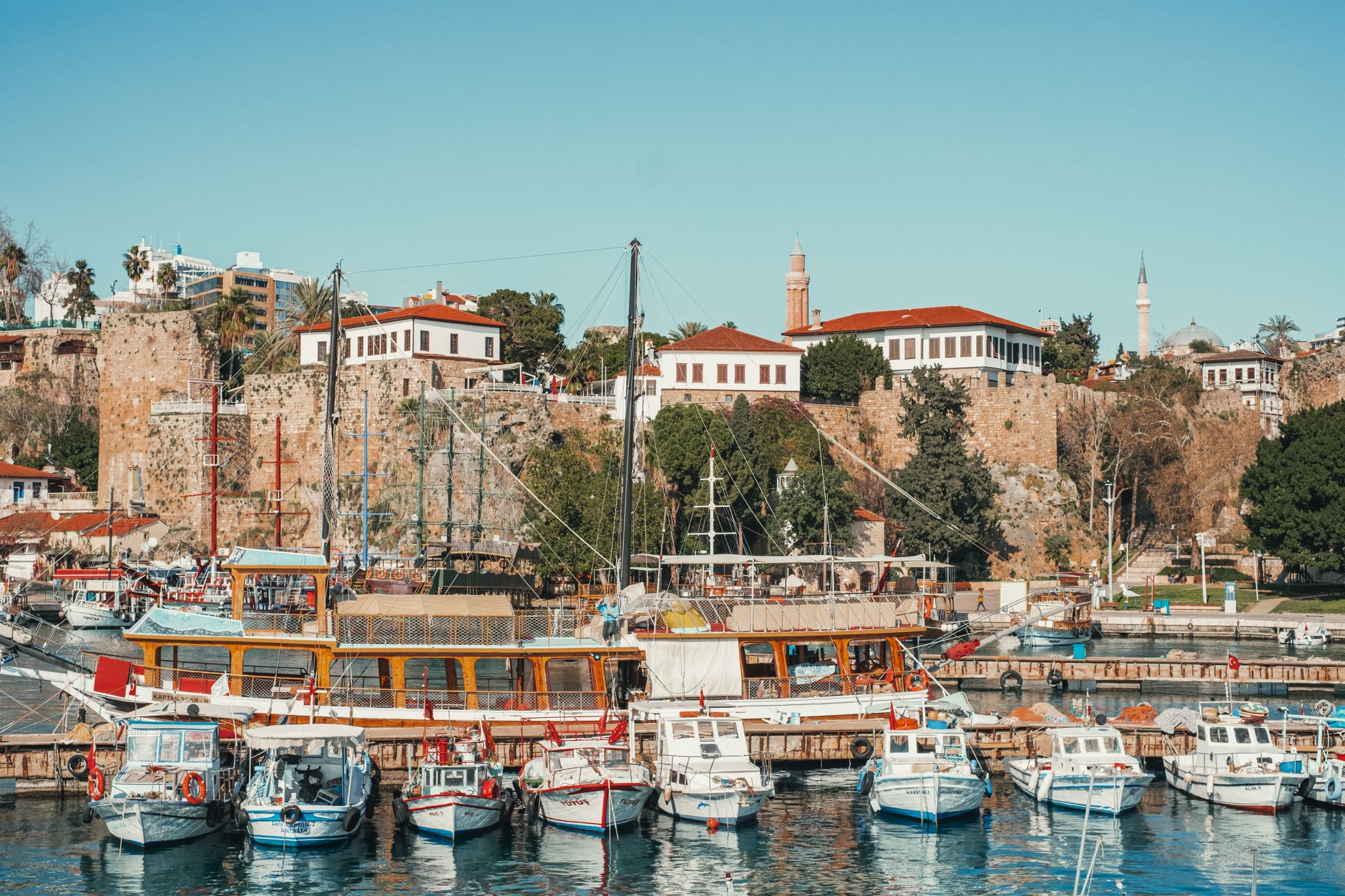
Antalya's reputation as a sun destination hides a strong indoor side. The Antalya Museum is one of Türkiye's finest, with spectacular Roman statues from Perge, a gallery of sarcophagi and an ethnographic section on daily life in the region. Give it two to three hours — it is the perfect antidote to a washed-out beach day.
Then head into Kaleiçi, the old town, where narrow lanes, Ottoman houses and courtyard hotels turn rain into atmosphere. Duck into Hadrian's Gate (built for the emperor's visit in 130 AD and still standing proud), browse antique shops and settle into a courtyard café for a long Turkish breakfast or a plate of piyaz. The Antalya Toy Museum and small city museums around the harbor make easy, kid-friendly stops between showers.
If you have a car, the Düden Waterfalls are dramatic after rain — swollen and roaring — but paths get slippery, so keep to marked areas. Buses and the nostalgic tram along Cumhuriyet Avenue keep you moving without long walks in the wet. Bear in mind that heavy autumn rain can occasionally flood underpasses; when downpours are intense, stay in the old town and museum district rather than heading up into the mountains. Planning a longer stay? Our destination pages cover regional highlights in depth.
Ankara: Monuments, Anatolian Civilizations and Indoor Grandeur
Ankara, a city of students, diplomats and museums, is built for grey skies. The star is the Museum of Anatolian Civilizations, housed in a restored Ottoman bazaar building near Ankara Castle. Its collection — Paleolithic finds, Neolithic figurines, Hittite tablets and the famous mother-goddess figures from Çatalhöyük — is a journey through the deep history of the peninsula. It's compact enough to see in an afternoon but rich enough to linger over for three hours.
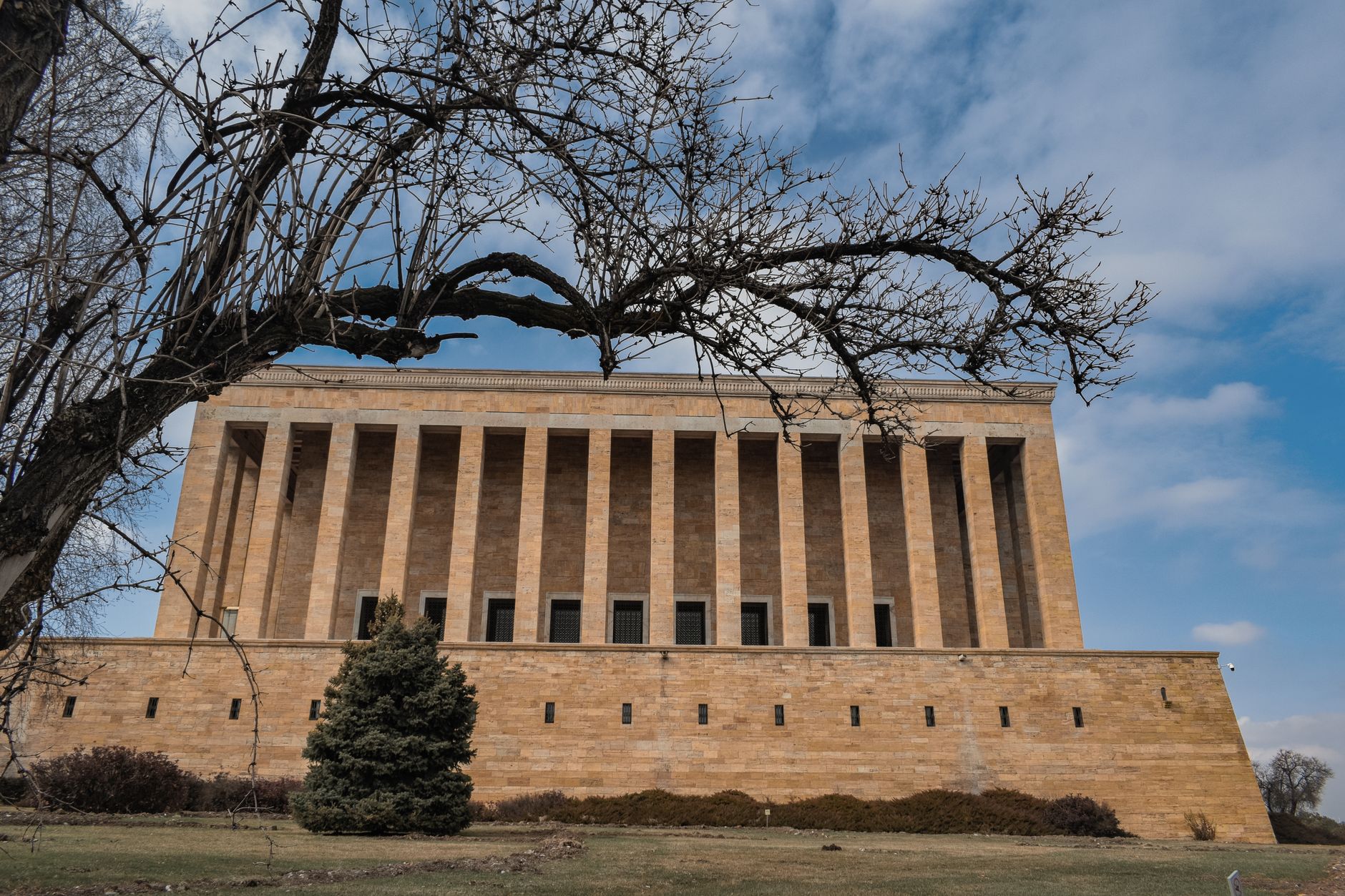
Pair it with Anıtkabir, the monumental mausoleum of Mustafa Kemal Atatürk. The ceremonial plaza is outdoors, but the museum halls inside the towers tell the story of the republic with documents, dioramas and personal effects. Bring an umbrella for the walk between the towers and the main hall. Closer to the center, the Museum of the War of Independence and the Roman Baths (open-air but with covered interpretive areas) round out a history-heavy day.
Ankara's café culture is underrated: the Kızılay and Tunalı Hilmi districts are full of bookshops with attached cafés, ideal for reading through a storm. The metro is clean and fast, and the Ankaray light rail connects Kızılay to the old town, which makes hopping between museums easy without stepping into puddles. October downpours here tend to be short and sharp; check the hourly forecast and time your outdoor walks to the gaps.
The Hammam: Türkiye's Original Rainy-Day Ritual
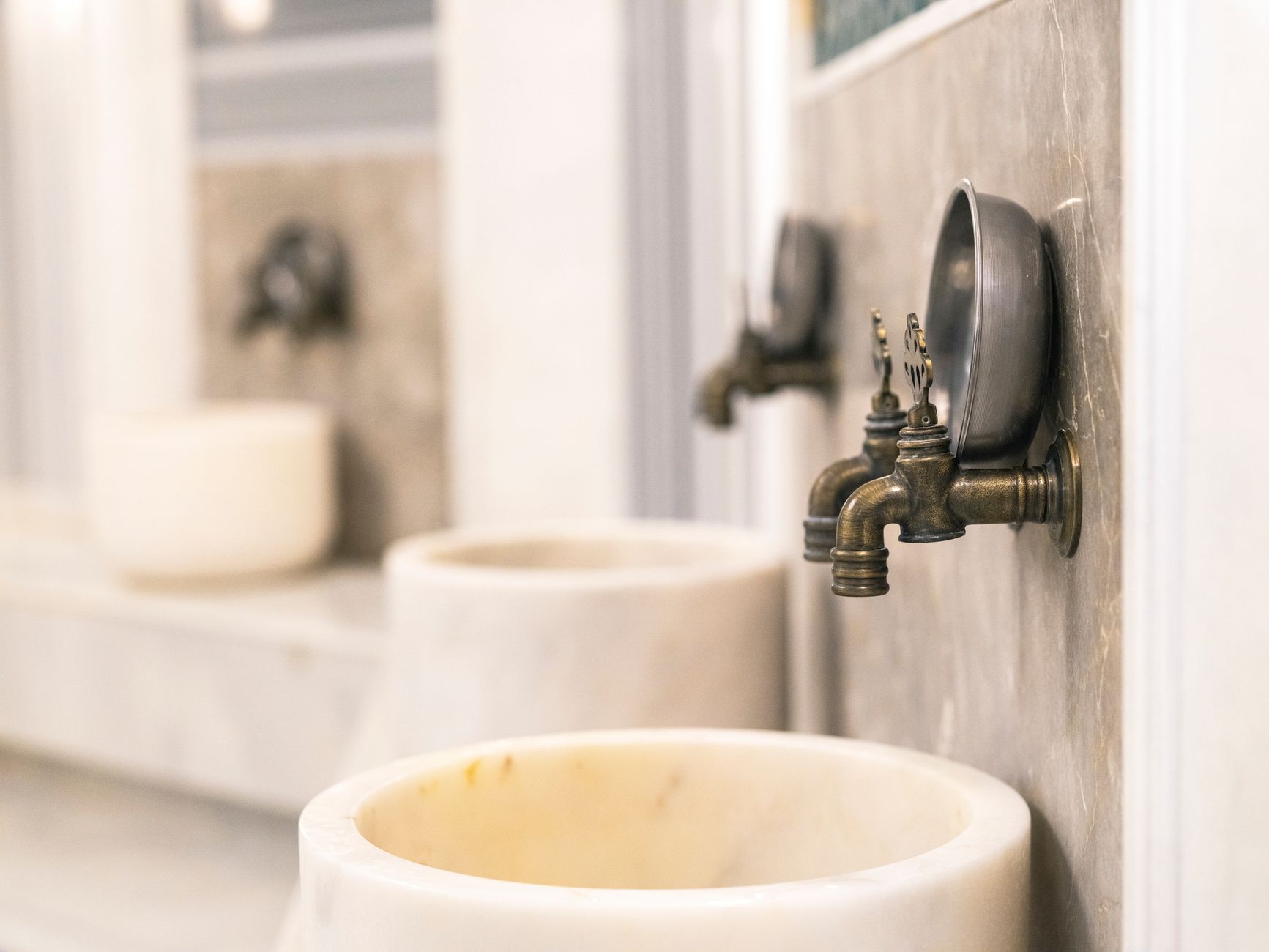
When the rain sets in for the day, do as the Ottomans did: go to the hammam. A historic bathhouse is the most authentically Turkish way to spend a wet afternoon — steam, marble, hot water and the rhythmic clatter of copper bowls. In Istanbul, the sixteenth-century Kılıç Ali Paşa Hamamı in Tophane and the Çemberlitaş Hamamı near the Grand Bazaar are architectural gems with well-run tourist services. In Izmir, the Şadırvanaltı Hamamı near Kemeraltı is a classic local experience. Antalya's old-town hammams and Ankara's historic baths offer similar rituals.
Etiquette is simple: bring or buy a peştemal (wrap), keep voices low, and follow the traditional sequence of warm room, scrub, rinse and rest. Many establishments offer packages that include the kese scrub and a foam wash — worth every lira on a cold, damp day. Book ahead for weekends and holiday periods, and remember that mixed-gender times or separate sections vary by venue; check before you go.
Afterwards, the traditional move is tea and something sweet in the bathhouse café or a nearby bakery. That transition — from steam to sugar to rain on the windows — is where the hammam's magic really lands. It's also a wonderful way to warm up mid-afternoon before an evening of meyhane dining.
Bookshop Cafés, Covered Markets and Warm Hospitality
Türkiye's café culture is a rainy-day superpower. In Istanbul, the streets behind İstiklal Avenue are lined with book cafés where you can nurse a filter coffee for hours; in Ankara, the Kızılay bookshops do the same. Izmir's Kemeraltı and Alsancak neighborhoods are full of tea gardens that turn cozy when the rain drums on awnings, and Antalya's Kaleiçi courtyards become lantern-lit sanctuaries.
Don't overlook the covered bazaars beyond the famous ones: the Bakırcılar copper market in Gaziantep, the Historical Kemeraltı lanes, and the Mahmutpaşa area of Istanbul are all weatherproof rabbit holes where craftspeople still work by hand. A good rule for wet days: pick one anchor museum, one covered market, one long café stop, and let the rain set the pace.
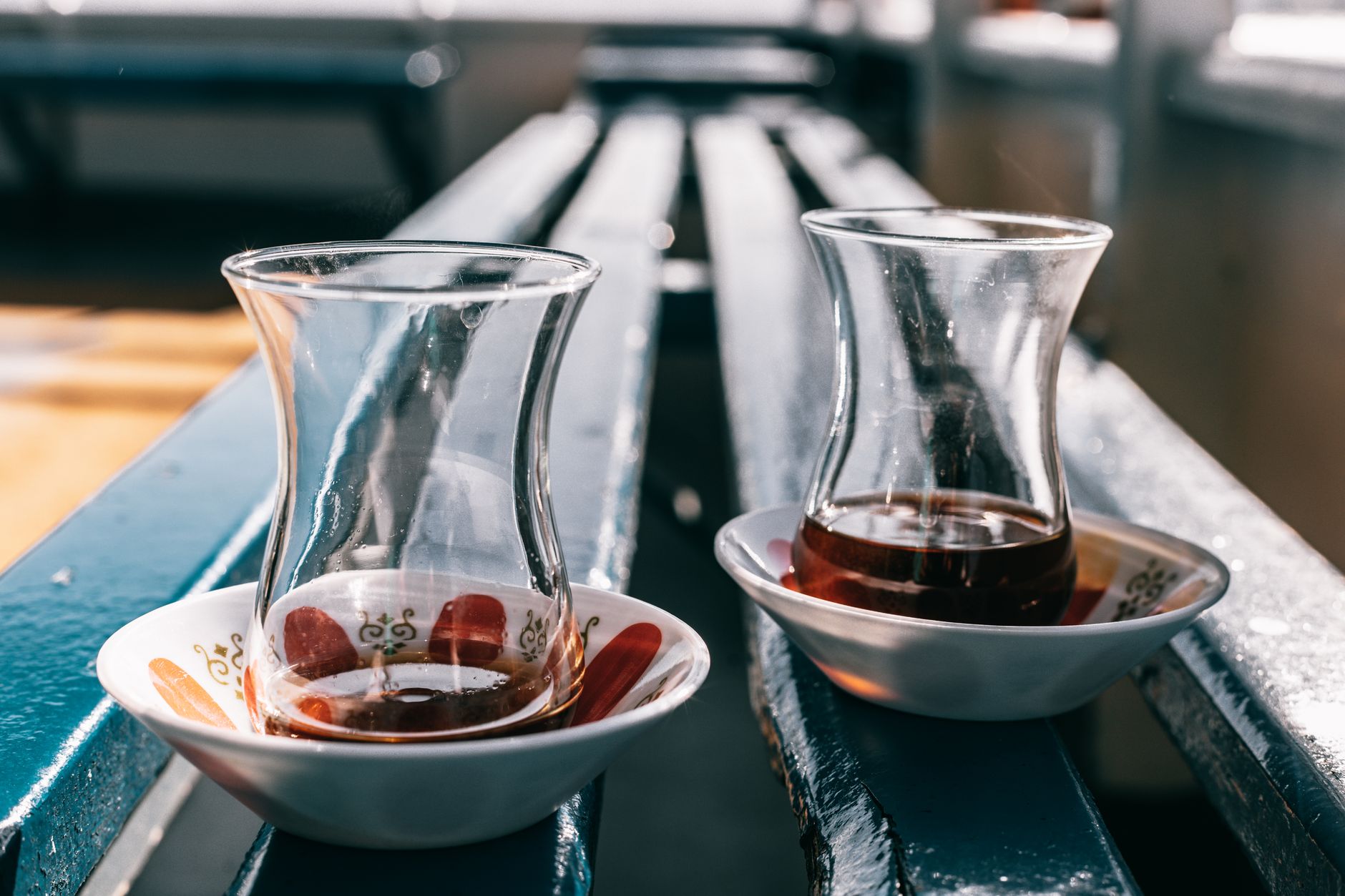
Most importantly, embrace the hospitality. Turkish hosts are famously unbothered by weather — a shopkeeper will wave you in from the rain and pour tea before you've said a word, and a waiter will happily let you sit out a storm over a single order of mercimek çorbası. Accept the tea. Ask about the neighborhood. The rain is how you end up with the stories you'll tell when you get home.
Practical Rain Notes: Timing, Transport and Packing
Time your days. In autumn and early spring, rain often arrives in bursts rather than all-day soakings. Check a local hourly forecast each morning (the Turkish State Meteorological Service, MGM, is reliable) and front-load indoor anchors — museums open around 9 a.m. and are calmest before 11. Reserve hammam slots for late afternoon, when you're ready to unwind.
Choose the right transit. Istanbul's tram, metro, funiculars and ferries (on calmer days) form a mostly covered network; keep an Istanbulkart loaded. Izmir's metro and İZBAN beat the roads in rain, while Ankara's metro and Ankaray are among the cleanest in the region. Antalya's trams and buses work well for short hops. Across all four cities, taxi apps become scarce and prices surge in downpours — plan around rail where you can.
Pack smart. A compact umbrella, a light water-resistant layer, shoes with grip for marble steps and wet cobbles, and a small dry bag for electronics make all the difference. Many museums ask you to check umbrellas at the door, so a foldable one is best. Keep a paper or offline map as a backup — narrow bazaar lanes confuse GPS.
Know the calendar. Ramadan, public holidays and school breaks change museum hours and hammam availability; check ahead on our FAQ pages and travel tools, and if you'd like a local expert to shape a rain-proof itinerary, the experts we work with know exactly which museums stay quiet and which hammams take walk-ins. However the forecast looks, remember: a wet day in Türkiye is simply an invitation indoors, where the country's treasures — and its warmth — are waiting.
Thinking about a trip to Turkey?
Share your contact details and a vetted local expert will follow up with a plan built around you — free, no obligation.