

Ramadan in Türkiye: A Season of Generosity and Togetherness
Ramadan, the holy month of fasting observed by Muslims worldwide, transforms Türkiye into a tapestry of light, charity, and shared meals. For travelers, it's an extraordinary opportunity to witness the country at its most hospitable. As the sun sets, the call to prayer echoes from minarets, and the streets fill with the aroma of fresh bread and simmering stews. Whether you're in bustling Istanbul or a quiet Anatolian town, the spirit of giving is palpable — and visitors are warmly welcomed to join in.
Ramadan in 2027 is expected to begin around February 18 and end around March 19, with Eid al-Fitr following immediately after. Dates shift each year according to the lunar calendar, so check local announcements. During this month, many restaurants close during daylight hours, but that doesn't mean visitors go hungry; it's simply a shift in rhythm. The real celebration begins at iftar, the evening meal that breaks the fast.
What makes Ramadan in Türkiye special is the blend of deep tradition and open-armed hospitality. Turks take pride in sharing their customs, and foreigners are often invited to join family tables or community feasts. This guide will help you navigate the month with respect and joy, from the iconic mahya lights strung between minarets to the joyous chaos of Eid celebrations.
Iftar Tents and Street Feasts: Where Strangers Become Friends
One of the most heartwarming sights during Ramadan is the iftar tent (iftar çadırı) set up in city squares, mosque courtyards, and parks. Municipalities and charities sponsor these free meals, welcoming anyone — regardless of faith or background — to break the fast together. In Istanbul, you'll find large tents in areas like Sultanahmet, Taksim, and Üsküdar, often serving simple but delicious food: lentil soup, rice pilaf, stewed beans, and pide bread.
Joining an iftar tent is easy. Arrive about 20–30 minutes before sunset, find a spot, and wait for the call to prayer (ezan) that signals the end of fasting. Then, dig in with your neighbors. The atmosphere is convivial; you might share a table with a taxi driver, a university student, and a grandmother who insists you try her homemade baklava. It's a beautiful way to experience Turkish generosity firsthand.
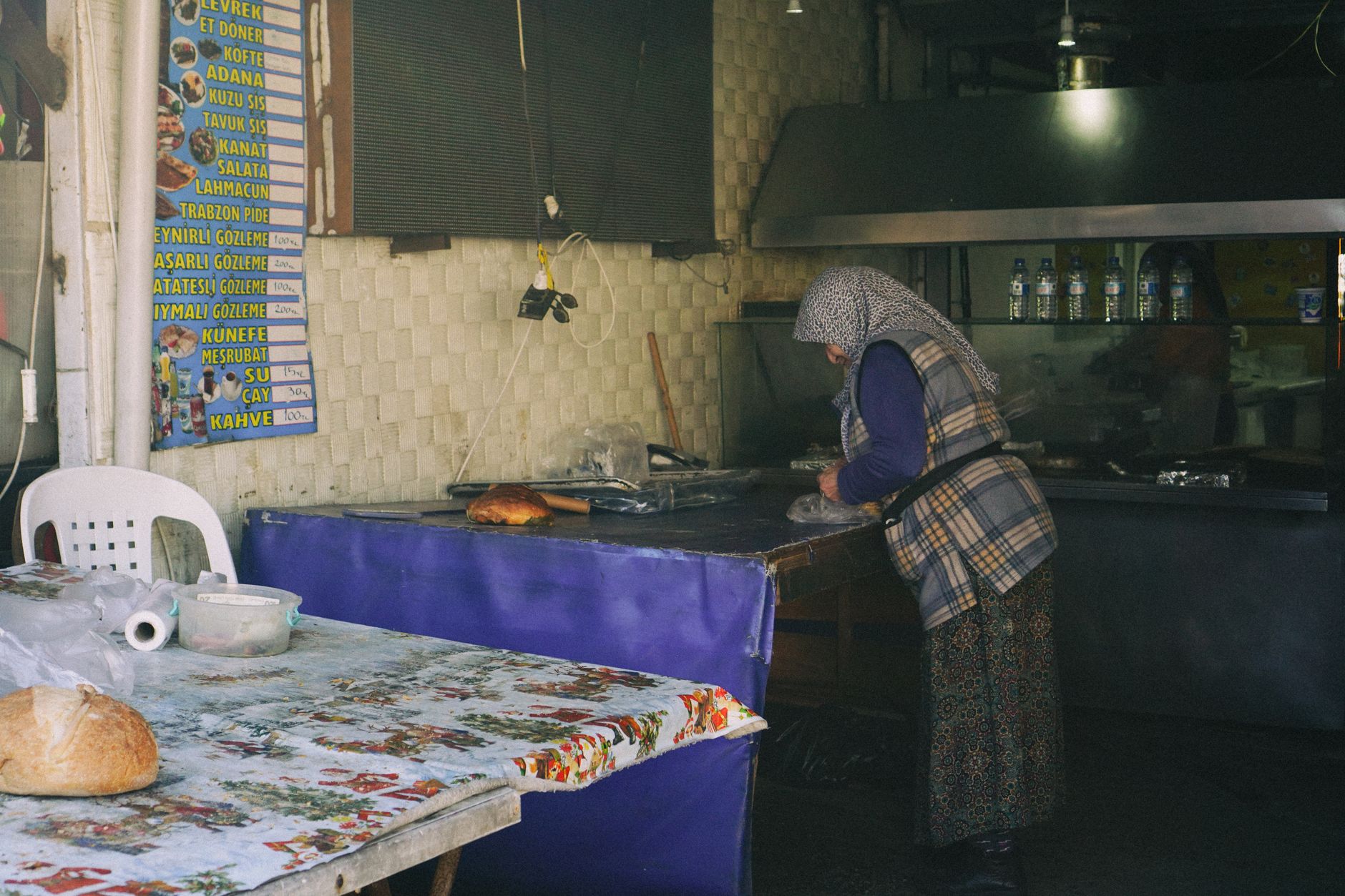
Beyond tents, many restaurants offer special iftar menus — from humble lokantas (canteens) to upscale rooftop venues. Reservations are recommended for popular spots, but you can always find a welcoming place. Street vendors sell Ramadan-specific treats like güllaç (a milk-soaked pastry with pomegranate) and pide fresh from the oven. Don't miss the chance to try hurma (dates) and şerbet, a sweet traditional drink.
“In Türkiye, Ramadan is not just about fasting; it's about feeding others. Every night, thousands of free meals are served, and travelers are treated as honored guests.”
Mahya Lights: Illuminating the Night Sky Between Minarets
One of the most enchanting Ramadan traditions in Türkiye is mahya — illuminated messages strung between the minarets of grand mosques. These lights spell out aphorisms, religious sayings, or greetings, creating a mesmerizing spectacle after dark. The practice dates back to the Ottoman era, and today it's most spectacular in Istanbul, Bursa, and Edirne.
In Istanbul, head to Sultanahmet Square at night to see the mahya between the minarets of the Blue Mosque and Hagia Sophia. The messages change nightly and are best viewed from a distance. Similarly, the Süleymaniye Mosque and Yeni Mosque offer stunning backdrops. For a truly local experience, take a ferry on the Bosphorus after iftar and watch the illuminated skyline — it's a photographer's dream.
Mahya is not just decoration; it's a form of community communication, reminding everyone of the month's spiritual essence. Travelers often find it a moving sight, even if they don't understand the messages. It's a perfect opportunity to slow down, sip tea, and soak in the ambiance.
Festive Bazaars and Ramadan Markets: A Feast for the Senses
During Ramadan, traditional bazaars and markets come alive with special goods and delicacies. In Istanbul, the Spice Bazaar and Grand Bazaar extend their hours, offering dates, cheeses, pastırma (cured beef), and sweets. But the real gems are the neighborhood Ramadan markets, like the one in Kadıköy or Fatih, where you can sample street food and buy handmade decorations.
Look for Ramazan pidesi, a flatbread topped with sesame and nigella seeds, only baked during this month. It's soft, slightly chewy, and perfect for dipping in soups. Another must-try is güllaç, a delicate dessert made with thin pastry leaves, milk, and walnuts. Vendors often offer samples, so don't be shy.
These markets are also great for souvenir shopping — from evil eye beads to hand-painted ceramics. The festive atmosphere, with lanterns and fairy lights, makes evening strolls magical. Remember to bring cash, as some small vendors may not accept cards.
Eid al-Fitr: Three Days of Joy, Sweets, and Family Visits
After Ramadan comes Eid al-Fitr (Ramazan Bayramı in Turkish), a three-day celebration that rivals the excitement of Ramadan itself. The first day begins with special prayers at dawn, followed by family visits and abundant sweets. Streets are adorned with flags and lights, and children receive small gifts or money.
For travelers, Eid is a time to witness Turkish hospitality at its peak. Many families open their doors to guests, offering baklava, lokum (Turkish delight), and çikolata (chocolate). If you're invited to a home, bring a small gift like sweets or flowers. It's also customary to visit graves of loved ones, so cemeteries may be busy.
Public celebrations include concerts, fireworks, and street festivals in major cities. In Istanbul, Sultanahmet Square hosts events, while coastal towns like Antalya and Izmir have beachside festivities. Eid is a public holiday, so many shops and restaurants close for the first day or two, but larger hotels and tourist areas remain open.
Etiquette Tips for Respectful Participation
While Turks are incredibly welcoming, a few courtesies go a long way. During daylight hours of Ramadan, avoid eating, drinking, or smoking in public — especially in conservative neighborhoods. Many cafes and restaurants close, but those catering to tourists may stay open discreetly. If you're unsure, follow the local lead.
When joining an iftar, wait for the call to prayer before eating. It's polite to accept food when offered, even if just a small bite. Dress modestly when visiting mosques; women should cover their heads, and everyone should remove shoes. During Eid, greet people with “Bayramınız kutlu olsun” (May your Eid be blessed).
Photography: Always ask before taking photos of people, especially during prayers. A smile and a gesture will usually suffice. And remember, Ramadan is about patience and empathy — so embrace the slower pace and enjoy the deeper connections.
Final Thoughts: A Journey of the Heart
Visiting Türkiye during Ramadan and Eid is more than a travel experience; it's an immersion into a centuries-old tradition of generosity. From the shared bowls of soup at iftar tents to the dazzling mahya lights, every moment invites you to be part of something bigger. Turks believe that guests are a gift from God, and during this holy month, that belief shines brightest.
So come with an open mind and an empty stomach. Join the evening feasts, wander the festive bazaars, and let the warmth of Turkish hospitality embrace you. Whether you're Muslim or not, you'll leave with a full heart — and likely a few new friends. Ramadan in Türkiye is a celebration of community, and you're invited.
Thinking about a trip to Turkey?
Share your contact details and a vetted local expert will follow up with a plan built around you — free, no obligation.