

A New Chapter in Turkish Tourism
Türkiye has officially climbed to fourth place in global tourism rankings, surpassing both Italy and Greece in international visitor numbers for 2025. With 62 million foreign arrivals, the country now sits behind only France, Spain and the United States — a milestone that reflects decades of investment in museums, coastal resorts, culinary tourism and, above all, Turkish hospitality.
Tourism officials in Ankara celebrated the news as recognition of what travelers have long known: Türkiye offers an unmatched combination of ancient history, Mediterranean beaches, world-class cuisine and warm, generous hosts. The ranking, compiled from UN Tourism data, confirms that the country's appeal stretches far beyond the classic Istanbul-Cappadocia-Antalya triangle.
"We welcome this milestone with humility," said a spokesperson for the Ministry of Culture and Tourism. "Italy and Greece remain extraordinary destinations and beloved neighbors. Our success is simply an invitation for the world to discover what makes Türkiye special."
Museums, Coasts and Cuisine Drive the Rise
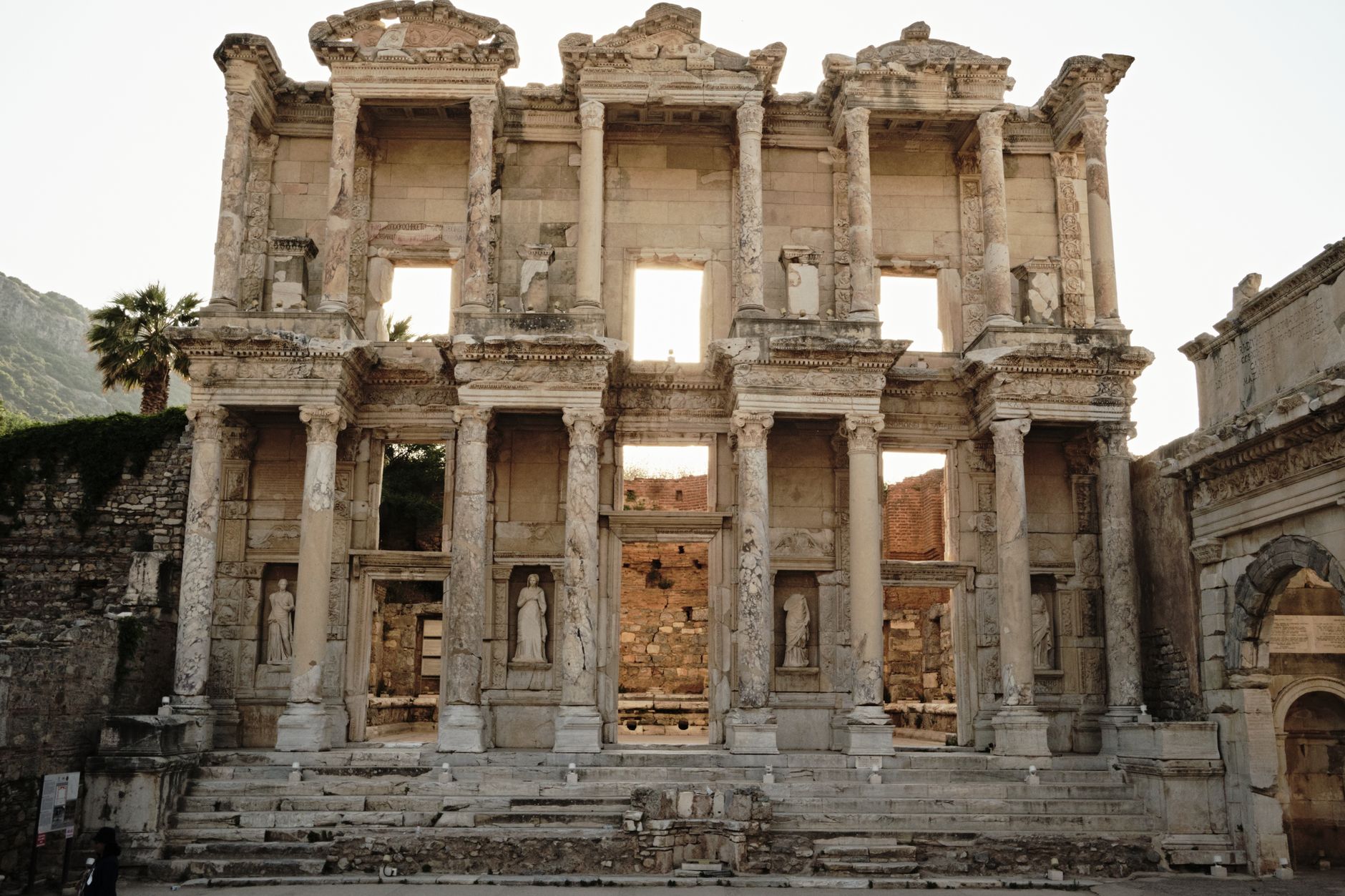
What is fueling the surge? Museum visits have skyrocketed. The Istanbul Archaeological Museums, Ephesus Archaeological Site and the Göbeklitepe complex in Şanlıurfa each reported record attendance in 2025. The reopening of restored galleries at the Topkapı Palace and the Zeugma Mosaic Museum in Gaziantep added fresh reasons to return.
The Turkish Riviera — from Bodrum to Kaş and off toward Antalya — continues to draw travelers seeking turquoise coves, boutique marinas and Lycian Way hiking. Meanwhile, the Aegean coast's windsurfing and sailing scene has become a magnet for European visitors.
And then there is the food. Turkish cuisine's global profile has never been higher, with Michelin-starred restaurants in Istanbul and Izmir, street-food tours in Adana and Gaziantep, and a growing wine scene in Cappadocia and Thrace. Travelers now plan entire itineraries around regional breakfasts, kebabs, mezes and olive-oil dishes.
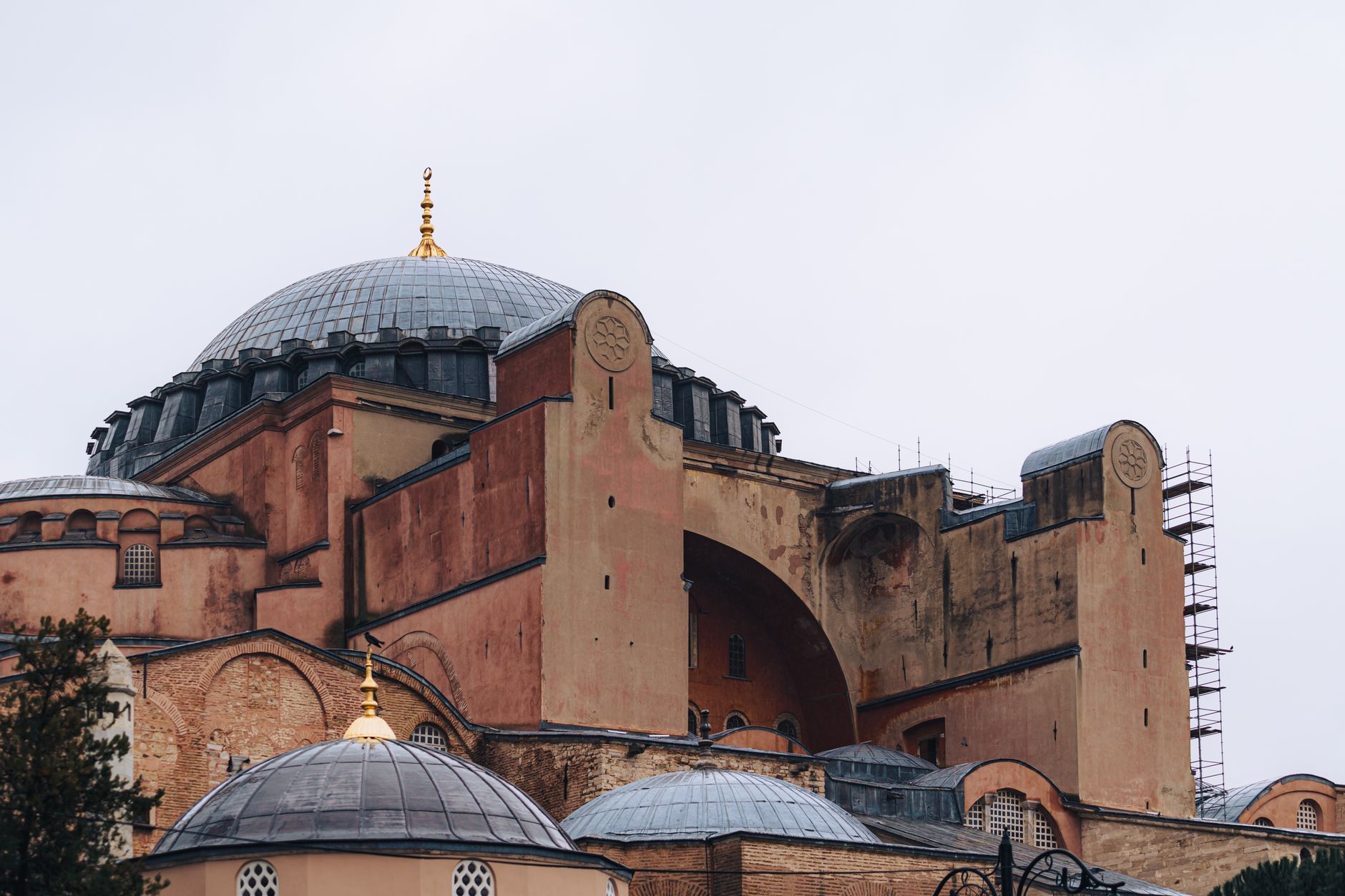
What This Means for 2026-27 Travelers
To support the growing demand, Türkiye is rolling out practical improvements for visitors over the next two years. Here is what to expect:
- More direct flights: Turkish Airlines and low-cost carriers are adding routes from North America, Asia and Europe to Istanbul, Antalya, Izmir and Dalaman. New services from secondary U.S. and Asian cities are expected by summer 2027.
- Expanded museum passes: The Museum Pass Türkiye is being extended to cover more sites, including newly restored locations in the east and southeast. Digital passes with QR entry are now standard at major museums.
- Infrastructure upgrades: High-speed rail links between Istanbul, Ankara, Konya and Bursa are being expanded, and several regional airports — including Rize-Artvin and Çukurova — are adding capacity for international charter traffic.
- Digital nomad and wellness offerings: New visa categories and long-stay programs are making it easier for remote workers and wellness travelers to spend extended time in coastal and rural areas.
For travelers, the message is clear: getting to Türkiye and getting around once you arrive will be easier than ever.
Beyond the Headlines: A Year-Round Destination
One reason for Türkiye's rise is its ability to attract visitors in every season. Winter brings skiing in Erzurum and Kars, city breaks in Istanbul and thermal spa retreats in Bursa and Yalova. Spring and autumn are ideal for hiking the Lycian Way, exploring Cappadocia's valleys and touring the Aegean's ancient ruins.
Summer remains the classic beach season, but even then, the country's size means travelers can escape crowds by heading to the Black Sea highlands, the vineyards of Thrace or the remote monasteries of the Tur Abdin plateau.
This seasonality matters. It spreads tourism revenue across regions and months, easing pressure on headline sites while introducing visitors to lesser-known gems.
A Warm Welcome, Unchanged
Despite the new ranking, the Turkish welcome remains the same: a glass of çay offered before you ask, a shopkeeper who insists you try a lokum, a family-run guesthouse where breakfast becomes a feast. This hospitality — misafirperverlik — is the country's true competitive edge.
Travelers who have visited Türkiye often describe it as a place that feels both foreign and familiar, ancient and modern. The fourth-place ranking is simply global recognition of that feeling.
As you plan your 2026 or 2027 trip, expect smoother connections, richer museum offerings and the same generous spirit that has welcomed travelers for centuries.
Practical Takeaways for Your Next Trip
Here is how to make the most of Türkiye's upgraded travel landscape:
- Book early for summer: Demand is high, especially for Istanbul and the Aegean coast. Reserve flights and accommodations by early spring.
- Buy a museum pass online: Skip queues at major sites and unlock newly added locations across the country.
- Consider secondary cities: Mardin, Gaziantep, Konya and Trabzon offer rich experiences with fewer crowds.
- Use high-speed rail: For Istanbul-Ankara-Konya routes, trains are fast, comfortable and scenic.
- Travel in shoulder season: May, June, September and October offer ideal weather and thinner crowds.
Türkiye's rise to fourth place is not just a statistic — it is an invitation. The museums are ready, the coasts are waiting and the tea is already brewing.
Thinking about a trip to Turkey?
Share your contact details and a vetted local expert will follow up with a plan built around you — free, no obligation.