

Most travelers arrive in Türkiye knowing about kebabs, simit, and endless glasses of tea. Fewer arrive knowing that this is a country of remarkable dairy craft, where every region seems to have its own cheese, its own aging method, and its own opinion about what belongs on the breakfast table. From the briny white cheese sold from enameled tubs in village markets to the pungent, stretched tulum aged in sheepskin, Türkiye's cheese map is as varied as its landscapes.
This guide is a deeper look than your standard cheese overview. We'll trace a practical trail across the country's best artisanal cheese regions, explain how to taste and buy each style, and show you how to turn a market morning into a picnic worth remembering. Bring an appetite and a willingness to ask questions — Anatolian cheesemakers are proud of their work, and they love explaining it.
Why Türkiye's Dairy Craft Deserves a Place on Your Itinerary
Türkiye has one of the longest continuous cheesemaking traditions in the world, shaped by nomadic pastoralism, Ottoman palace kitchens, and the sheer variety of its terrain. Sheep and goats graze on high-altitude summer pastures, cows thrive in the green river valleys, and the result is a staggering range of styles: fresh, brined, stretched, pressed, aged, and smoked. Many of these cheeses never leave their home region.
What makes this so rewarding for travelers is the intimacy of the experience. You are rarely visiting a polished visitor center. You are standing in a market stall, a village shop, or a family dairy where the cheese is made in a copper vat in the next room. The person handing you a taste is often the same person who milked the animals that morning.
Understanding the basics helps you taste with confidence. Beyaz peynir (white cheese) is the brined family that includes feta-style cheeses and dozens of regional variations. Kaşar is the stretched, yellowish cheese used for everything from sandwiches to börek. Tulum is a category of pressed, aged cheeses, sometimes stored in animal skins, with a sharp, salty, deeply savory character. Around these three pillars swirl countless local specialties.
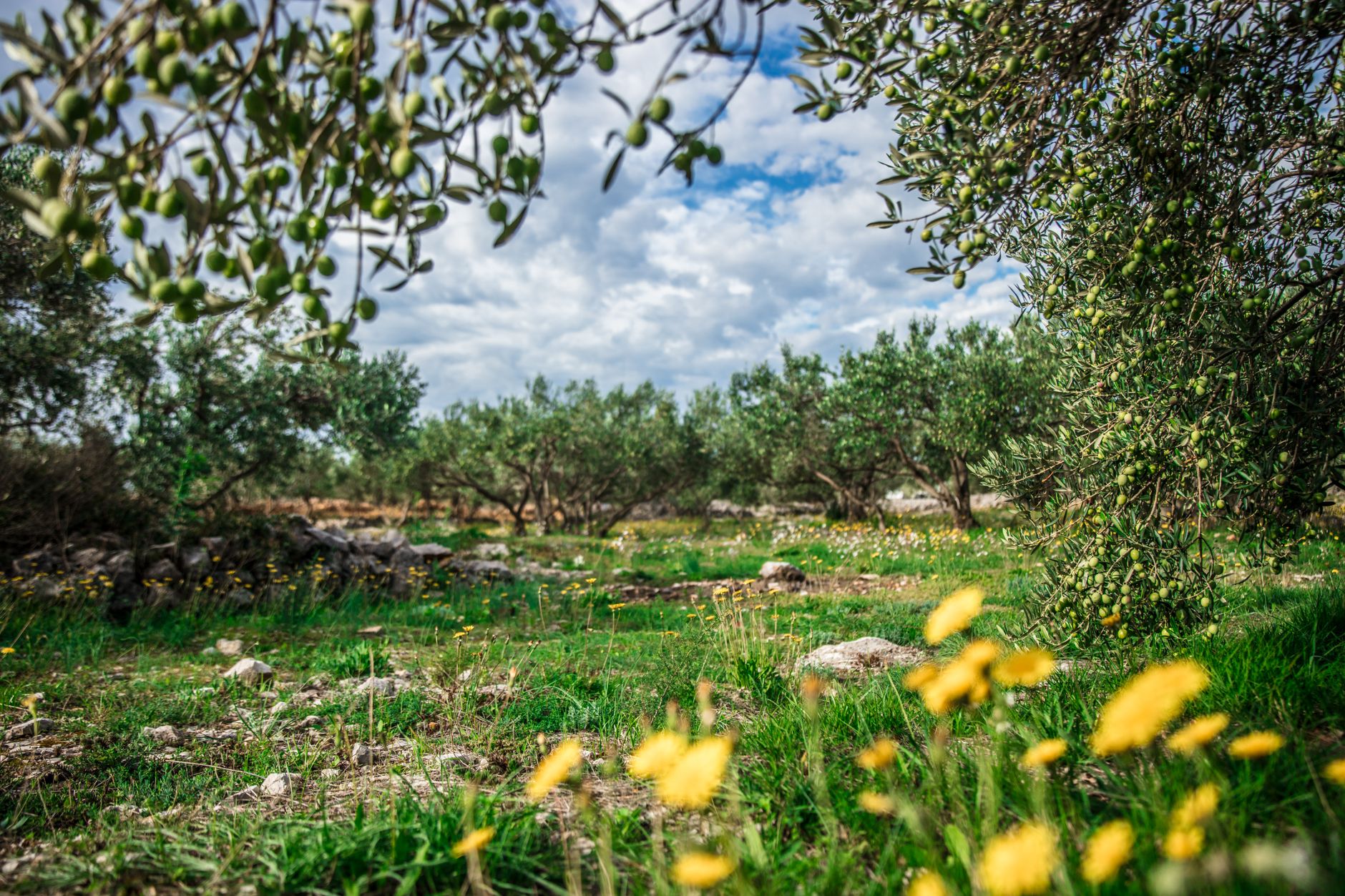
Ezine and the North Aegean: Where Olive Groves Meet the Cheese Board
Begin in the north Aegean, around the town of Ezine in Çanakkale province. This is olive country first and dairy country second, and the two traditions have grown up together. Ezine is famous for its white cheese, a firm, sliceable beyaz peynir with a clean, milky flavor and a salt level that is assertive but never harsh. It is the cheese you will find on breakfast tables across the region, served alongside tomatoes, cucumbers, and a slick of olive oil.
Look for small producers selling cheese in the weekly markets and roadside shops. Ezine cheese is often sold in blocks or slabs kept in brine, and vendors will happily let you taste before you buy. Ask for a piece from the interior rather than the edge to judge the texture fairly. The nearby village of Kösedere and the surrounding countryside are dotted with family dairies worth a detour.
The regional pairing is almost insultingly obvious and entirely perfect: Ezine white cheese with local olive oil, warm village bread, and a handful of black olives. If you are building a picnic, add tomatoes and a bunch of wild greens. To plan the broader trip around this corner of the country, browse our destinations pages and consider a slow route that links the Aegean coast with the interior.
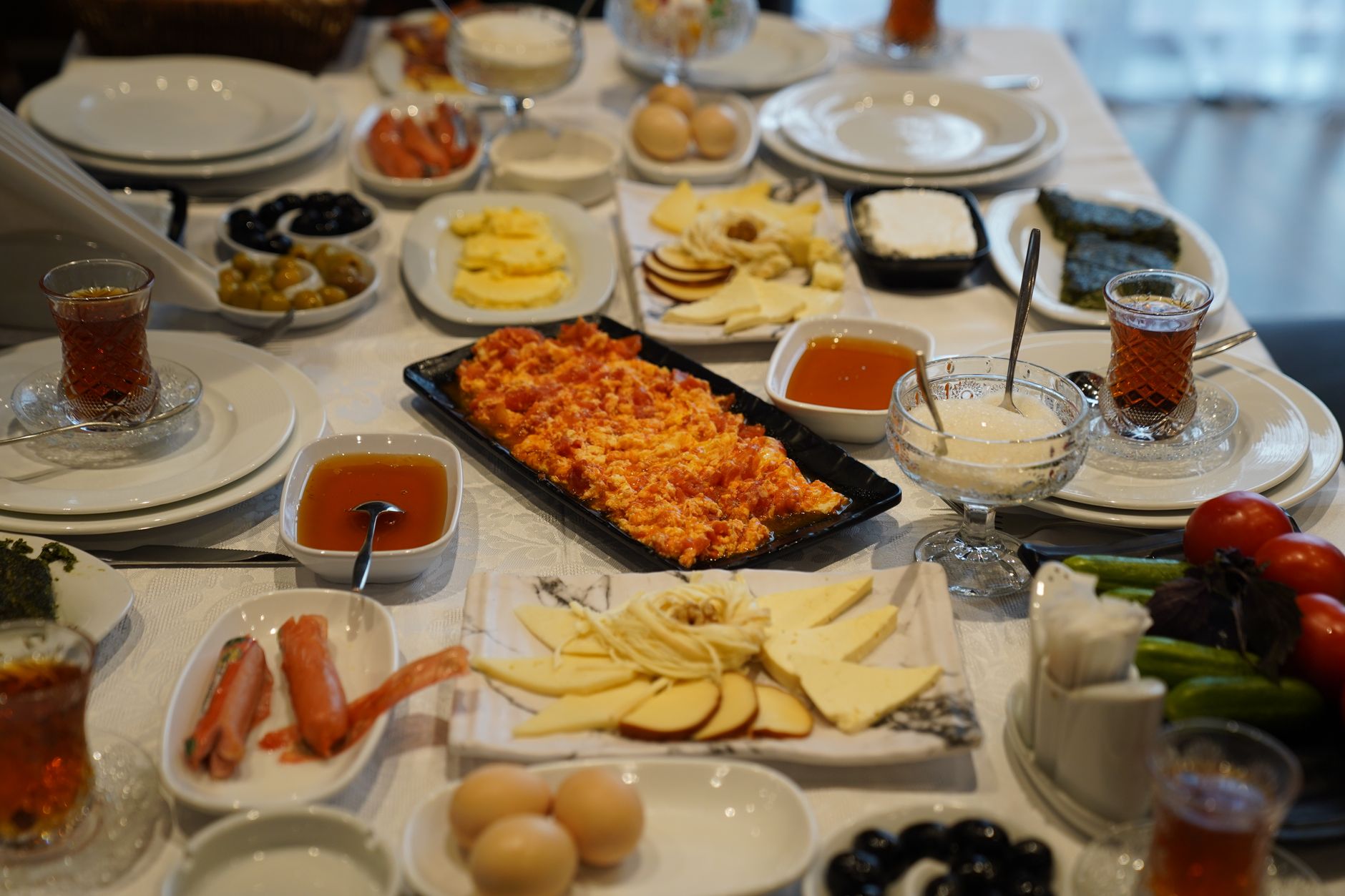
Thrace and the Marmara: Stretched Cheeses and Morning Rituals
Moving north and west into Thrace, the cheese culture shifts toward stretched and pressed styles. Edirne and Kırklareli are known for kaşar and for a dense, salty white cheese that locals eat at breakfast with strong tea. This is also a region where the morning meal is treated with real ceremony — a sprawling table of cheeses, jams, olives, eggs, and bread that can easily stretch to two hours.
Thracian kaşar is mild, springy, and slightly sweet when young, developing a nuttier flavor as it ages. Some producers braid or shape it for special occasions, and it grills beautifully. Ask for eski kaşar (aged kaşar) if you want the more intense version, ideal for grating over pasta or melting into a toasted sandwich.
This is also a good region for learning about teleme, a soft, rindless cheese often described as a cross between feta and a creamy fresh cheese. It is mild enough for children and versatile enough to spread on bread with honey. Markets in Kırklareli and the smaller towns along the Bulgarian border are excellent places to sample several styles side by side.
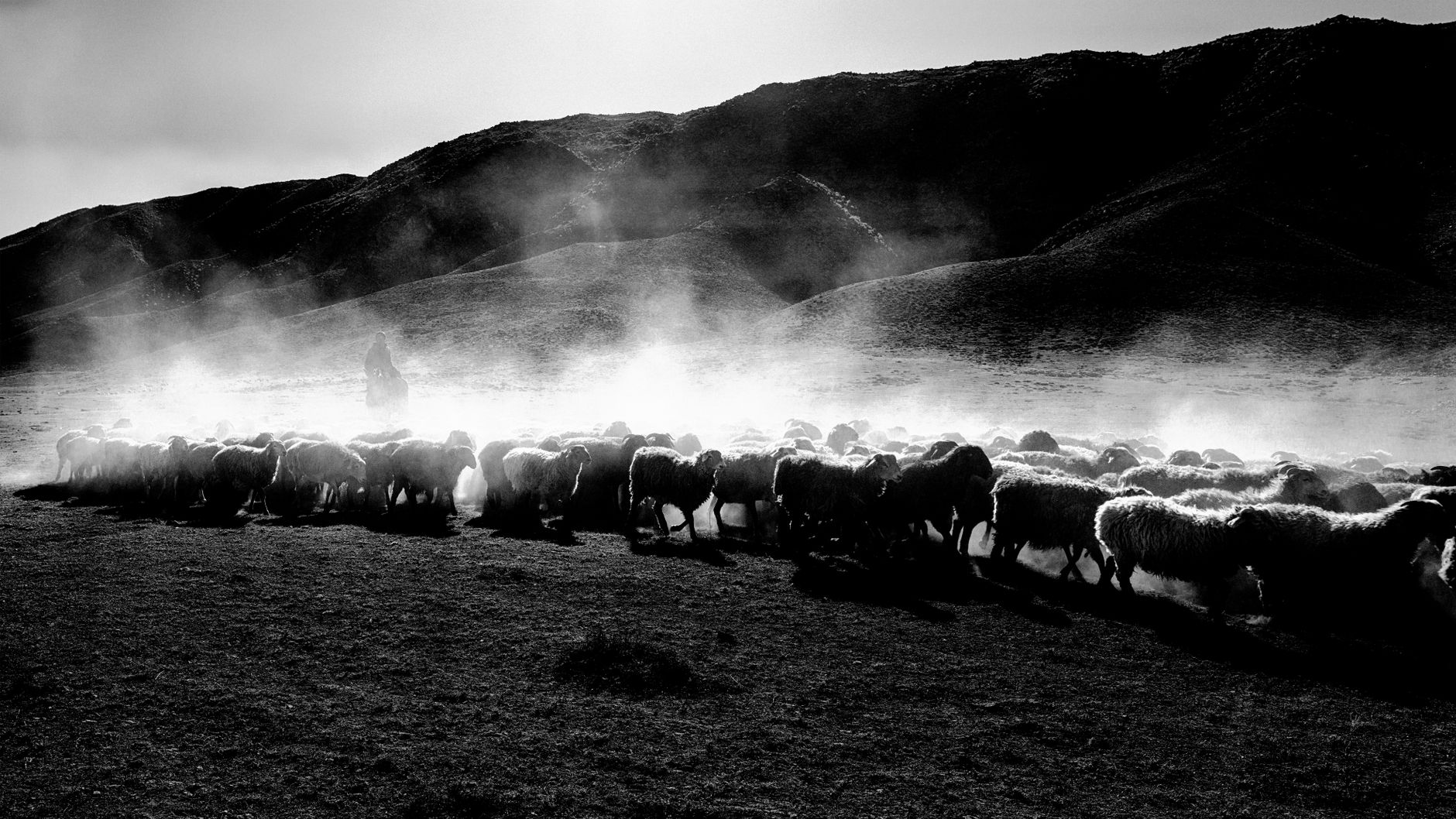
Central Anatolia: Tulum, Village White Cheese, and Highland Cellars
Head inland and the landscape turns to steppe, but the dairy tradition only deepens. Central Anatolia — Konya, Kayseri, Aksaray, and the highlands around them — is where you meet tulum in its most serious form. This is sheep's milk cheese, heavily salted, pressed into skins or molds, and aged for months in cool cellars or caves. The flavor is bold: salty, tangy, and savory, with a finish that lingers.
Village white cheese here is often made from raw sheep's or goat's milk and brined for long keeping. It can be quite salty, which is exactly why it works crumbled into salads, whisked into eggs, or eaten in small slivers with bread. Do not expect supermarket-style mildness. The point is character.
Kayseri is also the home of pastırma, the cured beef that pairs remarkably well with tulum, and the market culture around these products is rich. Vendors will often let you taste a sliver before weighing out a portion. For travelers mapping a route through the interior, our routes section is a useful starting point for linking these food regions with the region's historic sites.
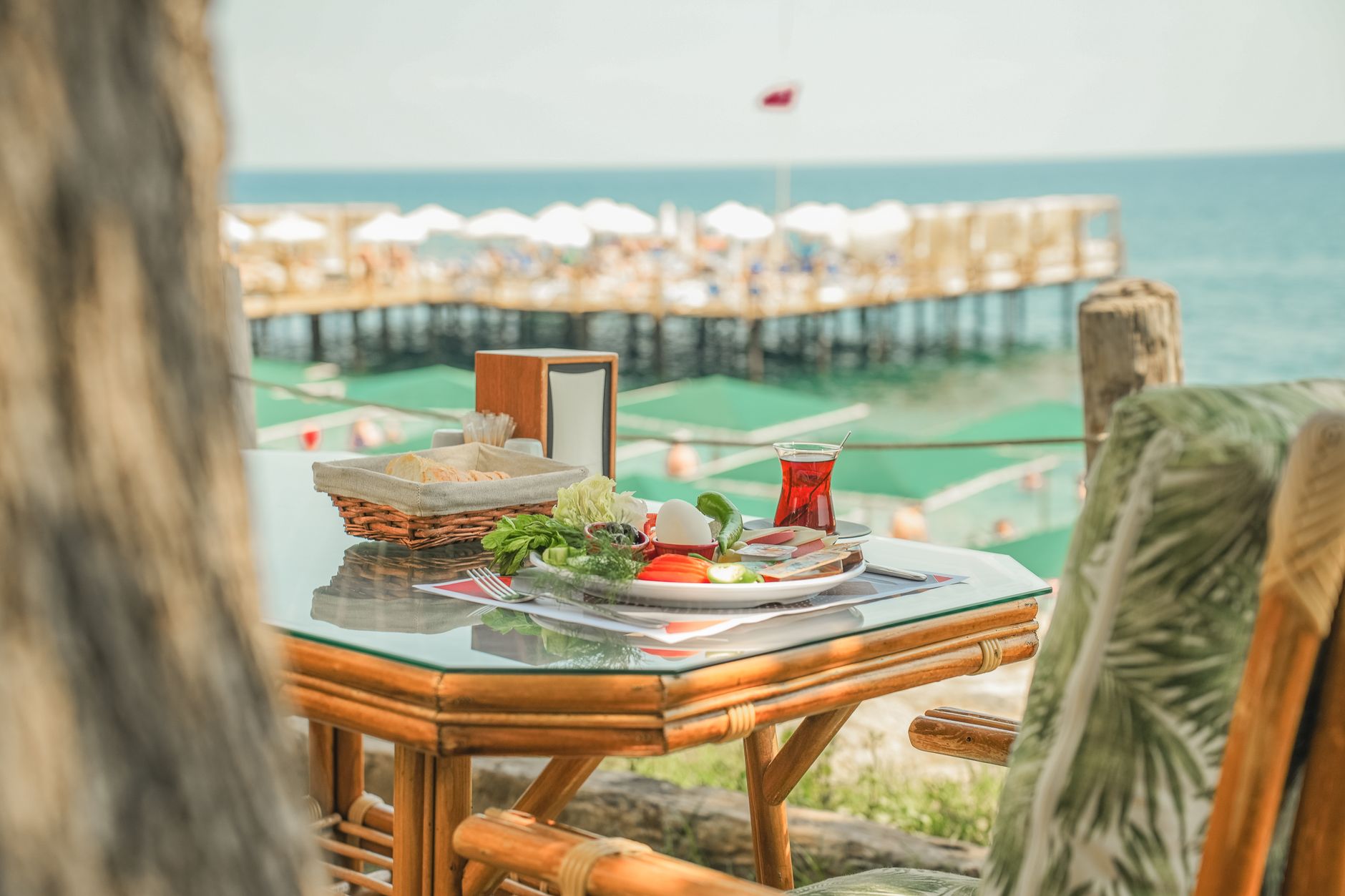
Eastern Anatolia: The Soul of Tulum and Herb-Wrapped Cheeses
If tulum has a spiritual home, it is the east. Erzurum, Kars, Van, and the surrounding highlands produce some of the country's most distinctive cheeses, made by pastoralist families who move with their herds to summer pastures. Tulum here is sometimes aged in cleaned sheepskins, giving it a pronounced, almost wild flavor that cheese lovers travel for.
Van and the surrounding region are known for otlu peynir, a white cheese studded with wild herbs — often a mix of garlic, thyme, and other foraged greens. The herbs are folded into the curd before pressing, so the flavor runs through the whole cheese. It is herbal, slightly pungent, and wonderful with a glass of tea or a crisp salad.
In Kars, look for gravyer, a Gruyère-style cheese introduced in the nineteenth century and now a local point of pride. It is nutty, firm, and excellent for grating or melting. Buying directly from producers near Kars and Erzurum is a highlight of any eastern journey, and the hospitality that comes with it — tea, bread, and a long conversation — is half the experience.
How to Buy Cheese at Turkish Markets
Markets are the heart of the cheese trail. Weekly pazar days vary by town, so ask at your hotel or guesthouse which day the local market runs. Arrive in the morning when stalls are fully stocked and vendors have time to talk. Look for stalls with a visible range of styles and a steady stream of local customers — that is usually a good sign.
Always taste before you buy, and do not be shy about it. It is completely normal to point at several cheeses and ask for a small piece of each. Useful phrases: tadabilir miyim? (may I taste it?), bu ne kadar? (how much is this?), and yarım kilo lütfen (half a kilo, please). Bring your own container if you can — many vendors will wrap cheese in paper, but a small box protects it in a daypack.
- White cheese: Buy from the middle of the tub, not the top, and ask how salty it is. Firmer blocks travel better than crumbly ones.
- Tulum: A little goes a long way. Buy a small wedge, wrap it tightly, and keep it cool. Its aroma is strong, so double-bag it.
- Kaşar: Ask for a freshly cut piece and check that it is springy, not dry at the edges.
- Otlu peynir: Confirm which herbs are used; flavor varies widely between producers.
Village shops and dairies often sell better cheese than city supermarkets, and prices are usually lower. If you are traveling in summer, buy smaller quantities more often, since heat is the enemy of fresh cheese.
Pairings and Picnic Planning
The best Turkish picnic is built on contrast: salty cheese, sweet fruit, crisp vegetables, and good bread. Ezine white cheese loves olive oil, tomatoes, and fresh herbs. Aged tulum stands up to pastırma, walnuts, and a slice of sweet melon. Otlu peynir pairs beautifully with cucumbers and a drizzle of honey. Mild kaşar is the crowd-pleaser, ideal for sandwiches with tomato and greens.
For drinks, ayran is the classic companion, but a light tea or a crisp white wine works too if the setting allows. Add a handful of dried figs, some local olives, and a few simit, and you have a meal that costs very little and tastes like the region you are standing in.
Cheese in Türkiye is not a garnish. It is a way of reading the landscape — the pastures, the seasons, and the hands that made it.
Keep food safety in mind: in warm weather, carry cheese in a cool bag, eat fresh cheeses within a day or two, and avoid leaving dairy in a hot car. If you are planning a longer trip with market stops, our guides and travel tools can help you organize timing and routes.
A Cheese Trail Worth Taking Slowly
Türkiye's regional cheeses are one of the great underappreciated pleasures of travel here. The trail from Ezine through Thrace, Central Anatolia, and the east is not just a food journey — it is a way of meeting the country's pastoral families, its market culture, and its astonishing ecological range. Every stop teaches you something about how people live with the land.
Travel with curiosity, taste generously, and buy small. Ask questions, take notes, and let the cheesemakers guide you. The best souvenir you can bring home is a memory of a flavor you did not know existed. When you are ready to build the trip, our planner can help you shape an itinerary around the regions that call to you.
Thinking about a trip to Turkey?
Share your contact details and a vetted local expert will follow up with a plan built around you — free, no obligation.