

A New Chapter for Anatolia's Ancient Sites
Across Türkiye, archaeological teams are steadily bringing the past back into view. Restoration and conservation work is advancing at sites from the Aegean coast to the plains of Central Anatolia, revealing theaters, mosaic floors, and bathhouses that had long been closed to the public or hidden under layers of earth.
This rolling progress means that even travelers who have visited Türkiye's classical ruins before will find something new. Each season, additional sections of ancient cities open, and improved walkways and signage make them easier to explore.
For cultural travelers, the appeal is the sense of discovery: these are not static monuments but active excavations where the story of a site continues to unfold.
Theaters and Mosaics Come Back to Life
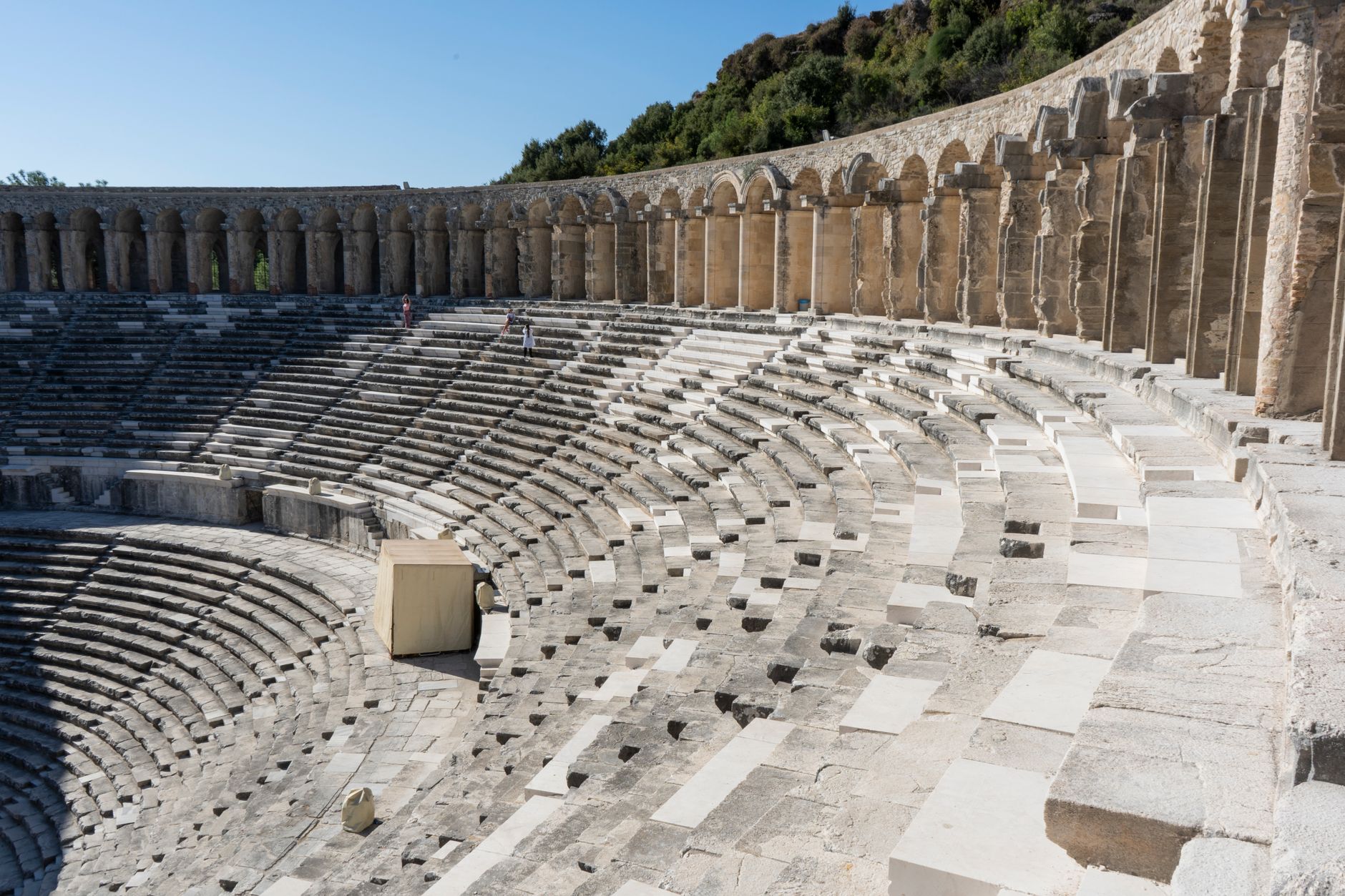
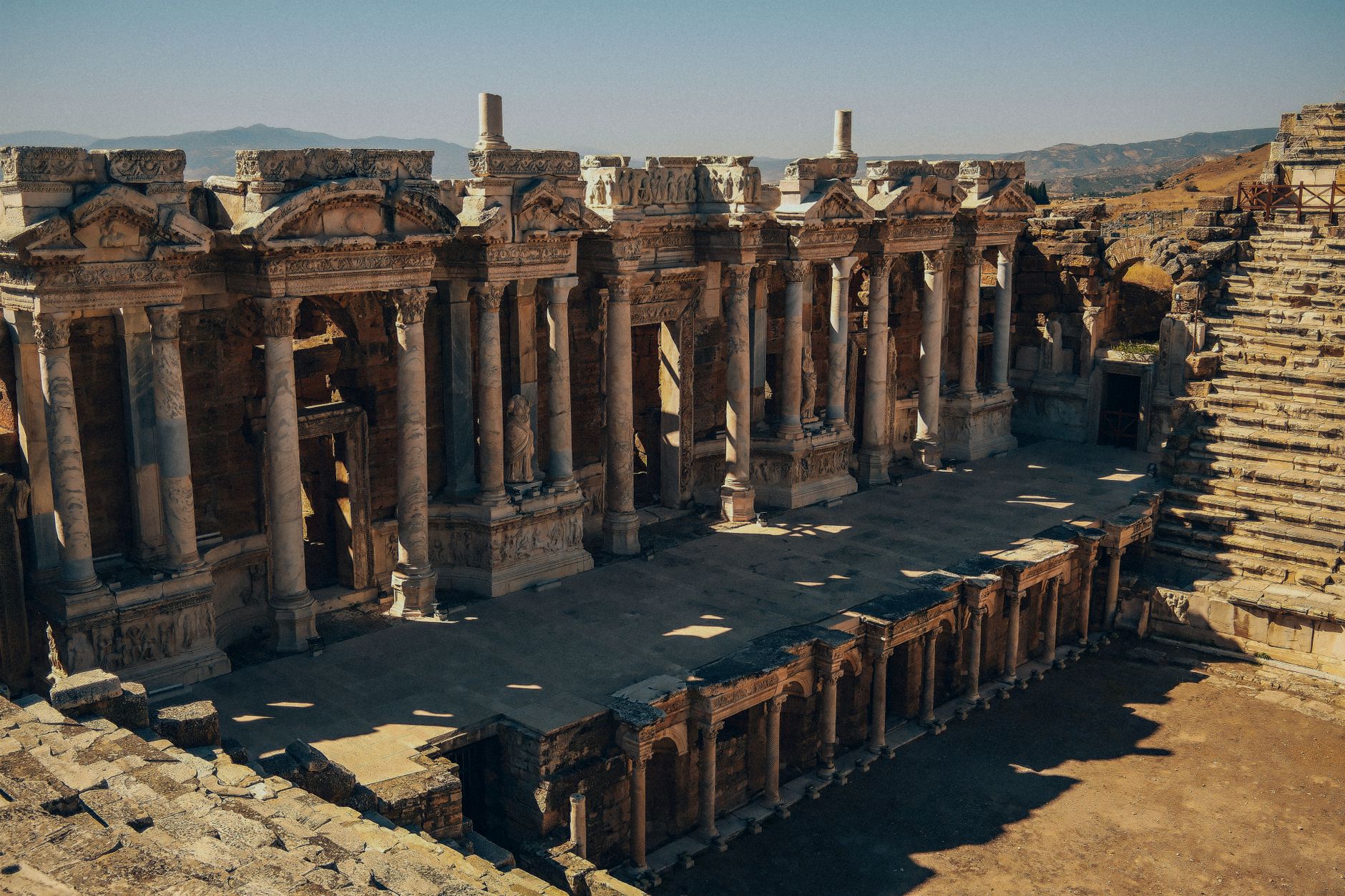
Ancient theaters are among the most dramatic beneficiaries of restoration. Structural consolidation and the re-laying of stone seating are making these grand venues safe for visitors, and in some cases suitable for performances again.
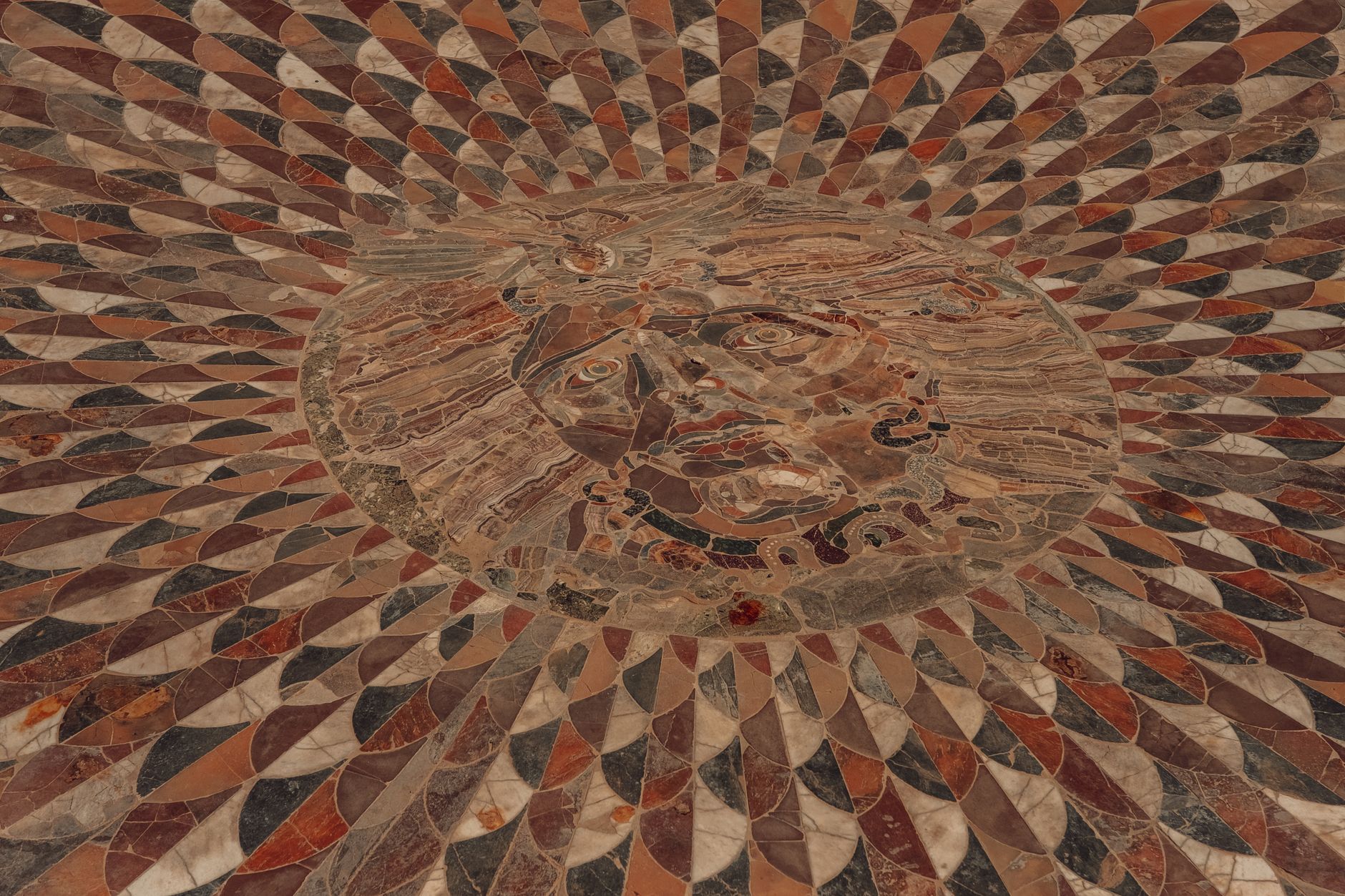
Equally captivating are the mosaics. Conservation experts are cleaning and stabilizing intricate floor designs in both coastal and inland cities, bringing back scenes of mythology, daily life, and geometric artistry.
Because conservation work follows its own schedule, the best approach is to check official local site hours before you go. Some mosaics may be visible only from a viewing platform, while others can be viewed up close along a designated path.
Bathhouses and Public Spaces Revealed
Roman and Byzantine bathhouses are another highlight of the current restoration wave. These complexes illustrate the social heart of ancient cities, with their heating systems, marble halls, and pools.
As teams clear debris and reinforce walls, visitors can better understand how hygiene, exercise, and conversation were woven into daily life. Newly exposed public squares, colonnaded streets, and fountains add further context.
The roll-out is gradual rather than uniform, so descriptions should focus on the general trend: more spaces are opening, but specific completion dates are hard to pin down. Travelers who remain flexible will be rewarded with access that was impossible just a few years ago.
Why Guided Visits Make the Difference
Ruins can be cryptic without interpretation. A knowledgeable local guide can connect a crumbling wall to a specific emperor, a mosaic to a myth, or a bathhouse to the routines of its users. That storytelling transforms a walk through stone into a vivid encounter with the past.
Guides also help with practical logistics: they know which sections are currently accessible, where the light is best for photography, and how to combine nearby sites into a coherent day.
For those planning a broader cultural itinerary, our guides offer region-by-region advice on what to see and how to pace your visit.
Practical Tips for Cultural Travelers
First, always verify opening hours and ticket details with local authorities or a trusted tour operator, as restoration can temporarily close certain areas. Second, wear sturdy shoes and bring sun protection, since many sites offer little shade.
Third, consider timing your visit for early morning or late afternoon to avoid crowds and heat. Fourth, respect barriers and signage; they protect both you and the ongoing work.
For help designing a route that weaves together restored sites with other cultural highlights, try our trip planner or browse sample itineraries for inspiration.
Planning Your Journey
The best seasons for exploring Anatolia's ruins are spring and autumn, when temperatures are mild. Major hubs like Istanbul, Izmir, and Antalya offer easy access to many of the sites currently undergoing restoration.
Because work is continuous, it pays to build some flexibility into your schedule. A site that is partially closed this month may reveal a new highlight next season.
To stay updated on the latest developments in Türkiye travel, keep an eye on our blog and explore our destination pages for detailed overviews.
A Living Museum
Türkiye's ancient sites are evolving before our eyes. The ongoing restoration work is not just about preservation; it is about opening new windows onto the past for curious visitors.
By checking local conditions, hiring guides who bring the ruins to life, and embracing a spirit of discovery, travelers can witness archaeology in action and enjoy experiences that few others have had.
Thinking about a trip to Turkey?
Share your contact details and a vetted local expert will follow up with a plan built around you — free, no obligation.