

A Growing Cruise Map Along Türkiye's Riviera
Türkiye's Aegean and Mediterranean coast is now a fixture on more international cruise itineraries than at any point in its history. Ports that once appeared as occasional calls — Alanya, Bodrum and Kuşadası among them — are increasingly scheduled as full-day stops on Eastern Mediterranean and Greek Isles routes.
The shift reflects both demand and investment. Cruise lines are answering passenger appetite for destinations that combine ancient harbours, walkable old towns and swimmable water, and Turkish port authorities have responded with smoother terminal operations and clearer shore-side wayfinding.
This season's schedules also show a wider spread of source markets. Alongside established European guests, a growing share of passengers arrive from the United Kingdom and the United States, drawn by itineraries that pair Türkiye's coast with the Greek islands and Italy.
Why British and American Travellers Are Booking Turkish Calls
For UK and US cruisers, the appeal is straightforward: a Turkish port call delivers a dense day of experiences within a short distance of the ship. Passengers can walk from gangway to medieval walls, a bazaar, or a beach without arranging a coach transfer.
Alanya brings a dramatic clifftop fortress and a beach right below the harbour. Bodrum offers a castle-turned-museum, a marina full of traditional wooden gulets, and a compact old town of whitewashed houses. Kuşadası pairs a working bazaar district with easy access to the monumental ruins of Ephesus.
Hospitality plays its part too. Port-side cafés, tea gardens and family-run restaurants are well practised at welcoming cruise guests on a tight timetable, and English is widely spoken in tourism-facing businesses along all three waterfronts.
Alanya: A Castle, a Harbour and a Beach in One Morning
Alanya's great advantage is geography. The Roman-era harbour, the Red Tower and the Seljuk shipyard sit almost on the doorstep of the cruise berth, making a self-guided loop possible in under two hours. From the harbour, a short taxi or cable car ride reaches the hilltop fortress that crowns the peninsula.
Inside the citadel, travellers find the ruined Byzantine chapel of St. George and, further along the ridge, the so-called Adam Atacağı — a stone platform framing a famous view over the coast. The surrounding old town rewards unhurried wandering, with Ottoman houses and small workshops tucked into the lanes.
For beach time, Cleopatra Beach stretches west of the headland with clear water and a long promenade, while the smaller harbour beach suits a quick swim before re-boarding. Bazaar shopping is concentrated around the harbour quarter, where spices, textiles and local honey are the classic purchases.
Cruise guests with limited mobility should note that the fortress involves steep walking; the harbour, promenade and beachfront are flat and far more forgiving.
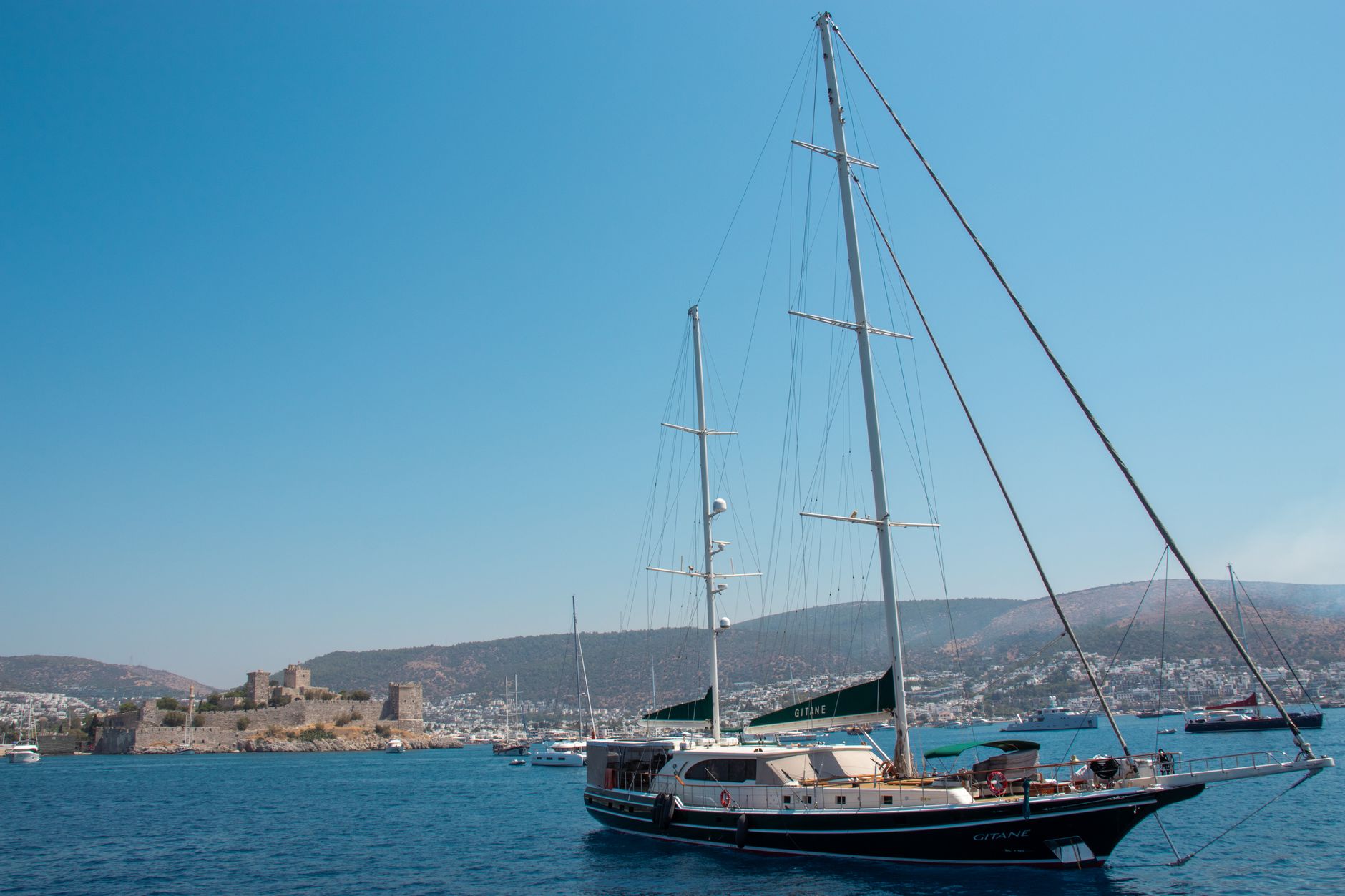
Bodrum: Ancient Harbour, Castle Museum and Gulets
Bodrum is perhaps the most naturally suited Aegean port to explore on foot. The Castle of St. Peter, built by the Knights of Rhodes, stands directly on the waterfront and now houses the Museum of Underwater Archaeology, whose shipwreck galleries are among the finest of their kind in the Mediterranean.
Beyond the castle, the old town's narrow lanes lead past whitewashed houses, bougainvillea and small art galleries toward the marina, where traditional wooden gulets offer short coastal trips when time allows. The bazaar district near the central square is the place for leather goods, textiles and local ceramics.
Beaches are within easy reach: a handful of small bays sit to the west of the centre, while a short taxi ride opens up the sand at Gümbet. For passengers wanting a structured day, shore excursions pairing the castle with a gulet lunch on the water are a popular option.
Because tender or berth arrangements can vary, it is worth checking the day's departure time carefully — Bodrum's compact layout invites lingering over a final glass of tea at the waterside.
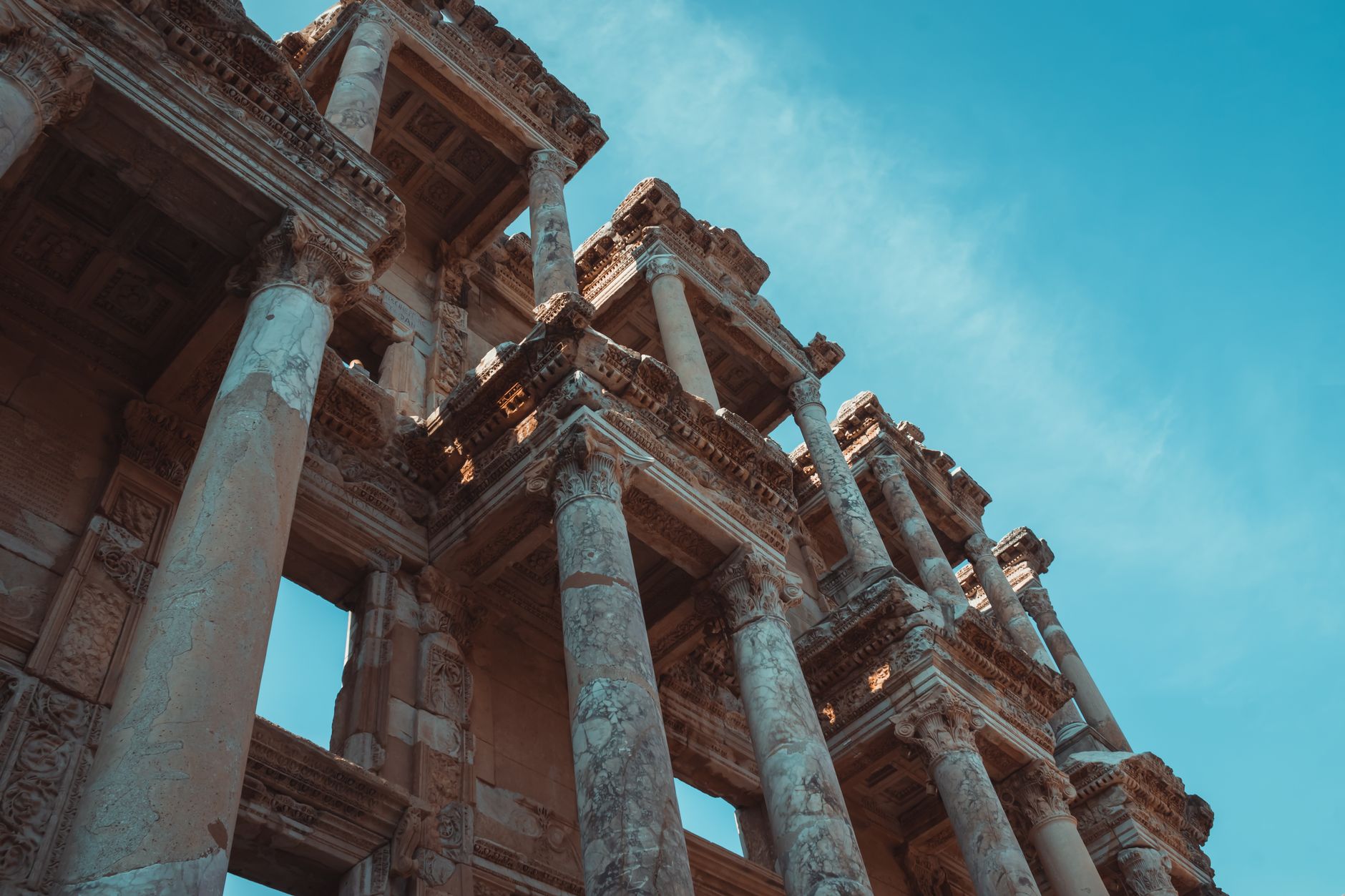
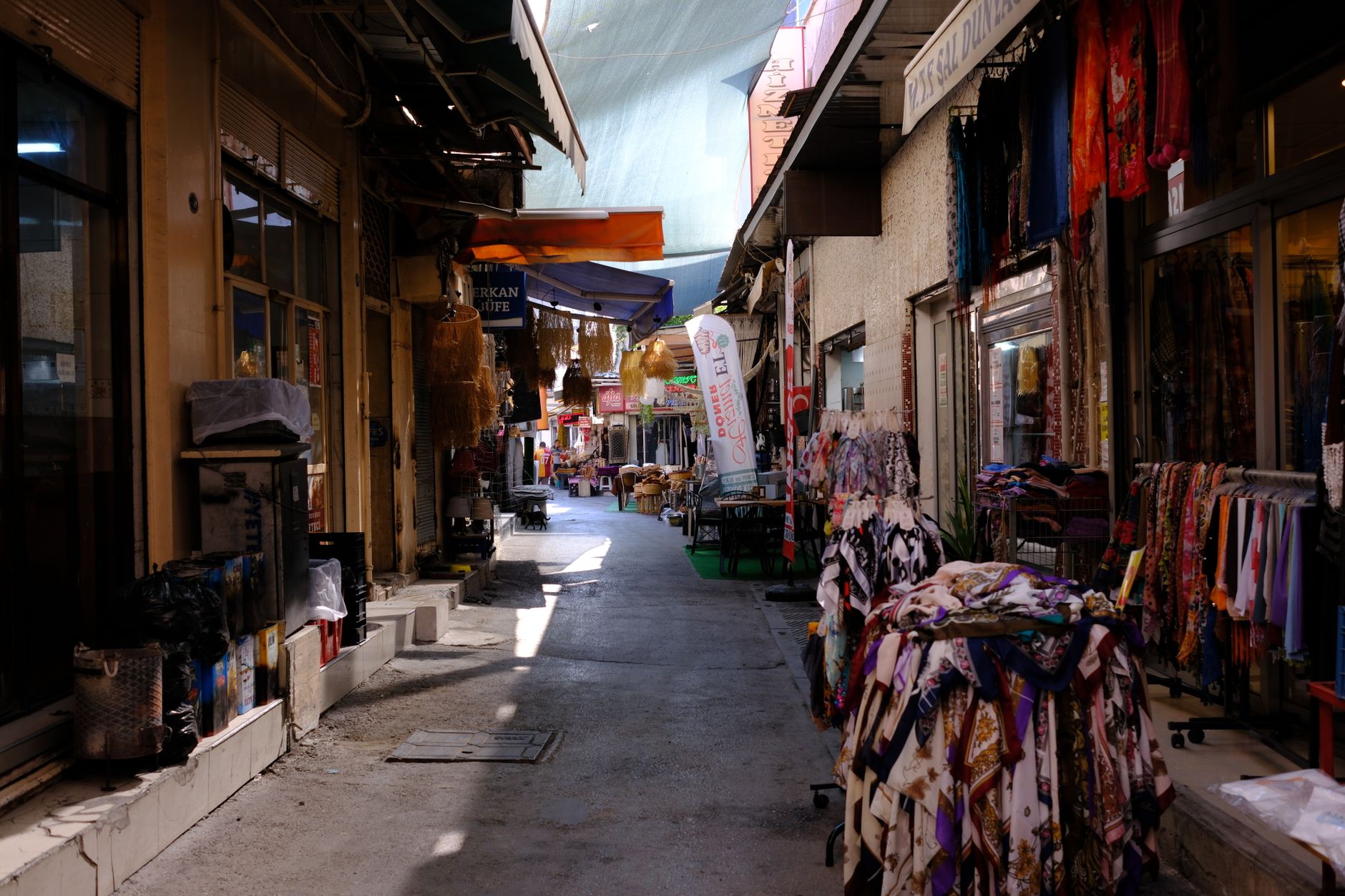
Kuşadası: Bazaar Streets and the Gateway to Ephesus
Kuşadası functions as the Riviera's most convenient springboard for ancient sites. The harbour sits close to the town centre, and the drive to Ephesus is short enough to allow a substantial visit and still leave time for the bazaar before sailing.
Ephesus itself remains the headline: the Library of Celsus, the Great Theatre and the marble-paved Curetes Street give first-time visitors an immediate sense of the scale of Roman Asia Minor. Closer to port, the house of the Virgin Mary and the basilica of St. John at Selçuk suit passengers who prefer a gentler pace.
In town, the Kaleiçi quarter and the bazaar streets around the Caravanserai reward a slow hour of shopping, with Turkish delight, olive oil products and hand-woven textiles among the most portable souvenirs. The long promenade and the small Güvercinada peninsula offer an easy waterfront stroll.
Practical Advice for Making the Most of a Port Call
The single most useful habit for a Turkish port day is early disembarkation. Gangway queues shorten soon after the ship clears, and morning light is best for both castle photography and the ruins at Ephesus, which have little shade by midday.
Carry Turkish lira for bazaars and small cafés — cards are widely accepted in restaurants but less so in market stalls. Comfortable shoes matter more than formal wear, especially on the marble and cobbles of archaeological sites. A refillable water bottle and sun protection are essentials from May through September.
Finally, build in a buffer. Shore excursions sold by the ship guarantee return to the vessel, but independent travellers should aim to be back at the pier well before the published all-aboard time, particularly when visiting Ephesus or the Alanya fortress.
Türkiye's coastal hotels, guides and family-run restaurants have grown adept at hosting cruise guests — the welcome is warm, the logistics are simple, and the historic harbours are best seen at walking pace.
For travellers planning a longer stay before or after a sailing, our destination guides and sample itineraries cover the Riviera in more depth, while the best-time guide helps match a visit to the season's weather and crowds.
Thinking about a trip to Turkey?
Share your contact details and a vetted local expert will follow up with a plan built around you — free, no obligation.