
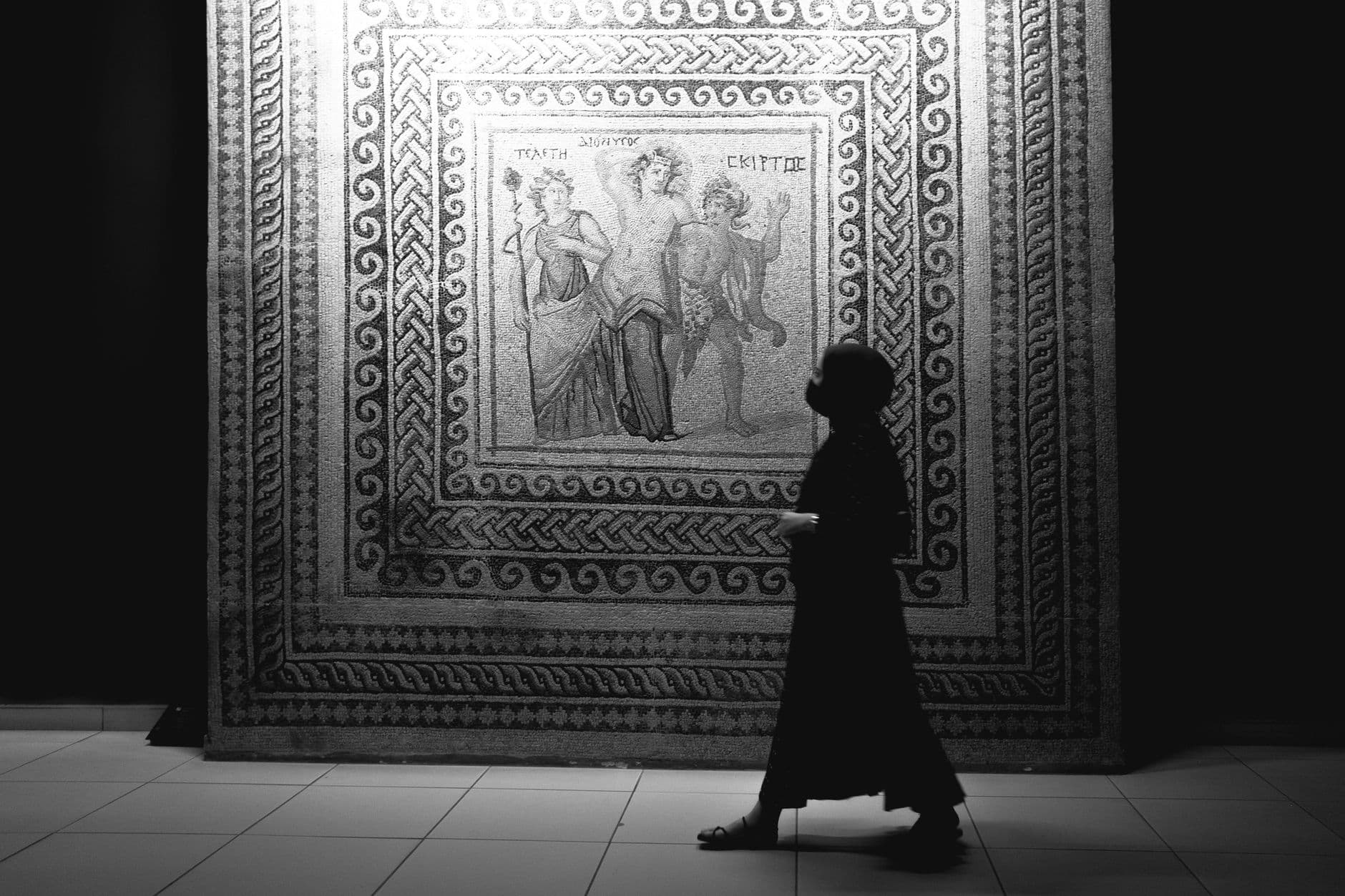
Why Türkiye's Mosaics Are a Must-See Cultural Highlight
Türkiye is home to some of the world's most spectacular Roman mosaic floors, yet they remain surprisingly under-visited compared to the country's better-known ancient ruins. These mosaics—preserved in world-class museums from Antakya to Gaziantep—offer a vivid window into the daily life, mythology, and artistry of the Roman Empire. What sets Türkiye apart is not just the quality of the mosaics but how accessible they are: many collections are housed in modern, well-curated museums with excellent English signage, making them easy for international visitors to appreciate.
Unlike mosaics you might view from a distance behind glass, Türkiye's museums often allow you to walk right beside these ancient floors, getting close enough to see the individual tesserae (the tiny stone and glass cubes) that make up the intricate designs. From the famous Gypsy Girl in Gaziantep to the sprawling villas of Antioch, each mosaic tells a story—and the museums that protect them are among the most visitor-friendly in the country.
Whether you're a history buff, an art lover, or simply curious about the ancient world, a mosaic-themed journey through southeastern Türkiye is a rewarding and easy-to-plan adventure. This guide covers the top museums to prioritize, how to reach them, and how to pace a road trip that lets you savor these ancient masterpieces without feeling rushed.
Antakya: The Ancient Mosaic Capital
Antakya, ancient Antioch, was once one of the Roman Empire's greatest cities and a hub of mosaic artistry. The Hatay Archaeology Museum (Arkeoloji Müzesi) in Antakya houses one of the world's finest collections of Roman mosaics, with stunning examples from nearby villas and public buildings. The museum's highlights include the mosaic of The Drunken Dionysos, Orpheus charming the animals with his lyre, and a breathtaking array of geometric and figurative panels that once adorned the floors of wealthy Antiochene homes.
The museum is well laid out, with mosaics displayed at floor level or slightly raised, allowing you to walk alongside them and examine the craftsmanship up close. English labels provide context, and the lighting is designed to bring out the colors of the stones. Note that following the 2023 earthquakes, some parts of Antakya and the museum may be undergoing restoration or have limited access, so it's wise to check current conditions before you travel. Despite the challenges, the museum's collection remains largely accessible and is a testament to the resilience of the region.
Getting to Antakya is straightforward: there are regular flights to Hatay Airport (HTY) from Istanbul and Ankara, and buses connect the city with other major hubs. Once in Antakya, the museum is a short taxi ride from the center. Allow at least half a day to explore the collection properly, and consider hiring a guide to bring the mythological scenes to life.
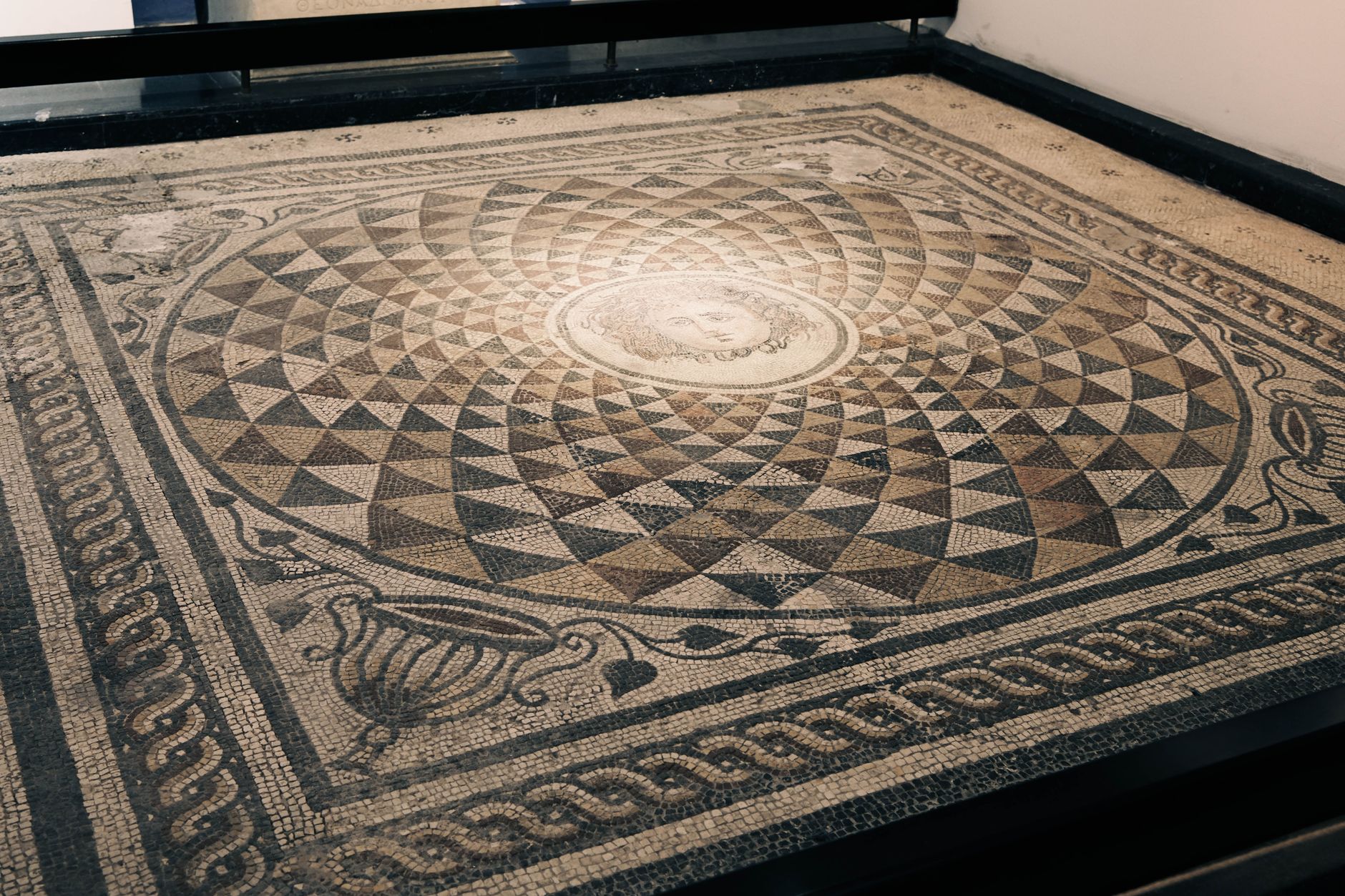
Zeugma Mosaic Museum in Gaziantep: The Crown Jewel
The Zeugma Mosaic Museum in Gaziantep is the largest mosaic museum in the world and an absolute must-see for anyone interested in Roman art. It houses the extraordinary mosaics rescued from the ancient city of Zeugma, which was flooded by a dam project in the 1990s. The star attraction is the hauntingly beautiful Gypsy Girl (also known as the Maenad), whose piercing eyes have become an icon of Turkish archaeology.
But the Gypsy Girl is just the beginning. The museum's galleries are filled with stunning floor mosaics depicting mythological scenes, such as the wedding of Dionysos and Ariadne, the abduction of Europa, and the tragic story of Orpheus and Eurydice. The displays are thoughtfully arranged, with elevated walkways that let you look down on the mosaics as they would have been seen in antiquity, while still being close enough to appreciate the detail. The museum also includes artifacts from Zeugma, including statues, fountains, and frescoes, providing a comprehensive picture of life in this ancient border city.
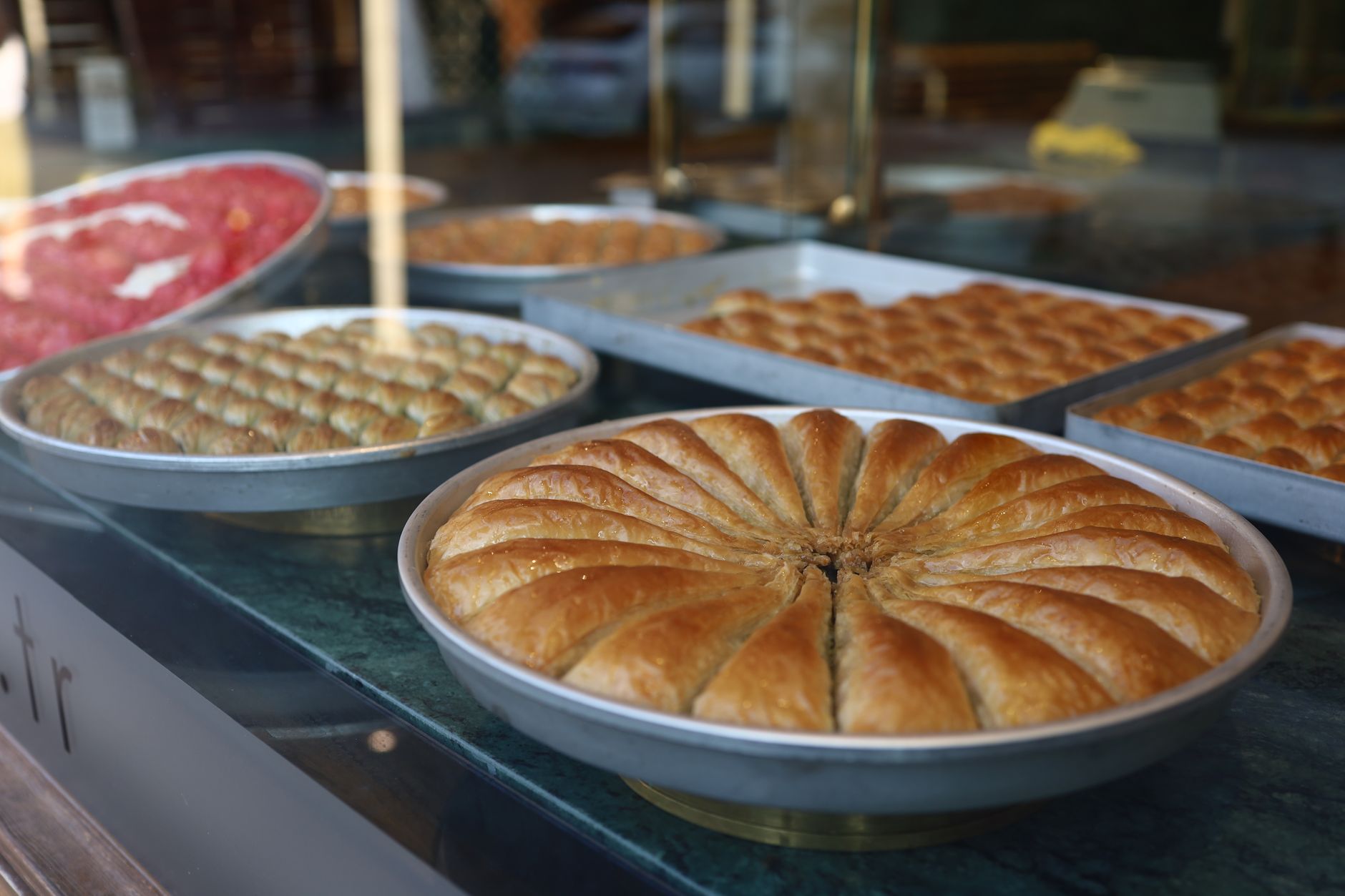
The Zeugma Museum is located in Gaziantep, a vibrant city known for its cuisine (don't miss the baklava!) and lively bazaars. Gaziantep is easily accessible by direct flights from Istanbul and Ankara, and the museum is centrally located, making it a convenient stop on any southeastern Türkiye itinerary. Plan at least two to three hours for the museum, and consider visiting on a weekday to avoid crowds.
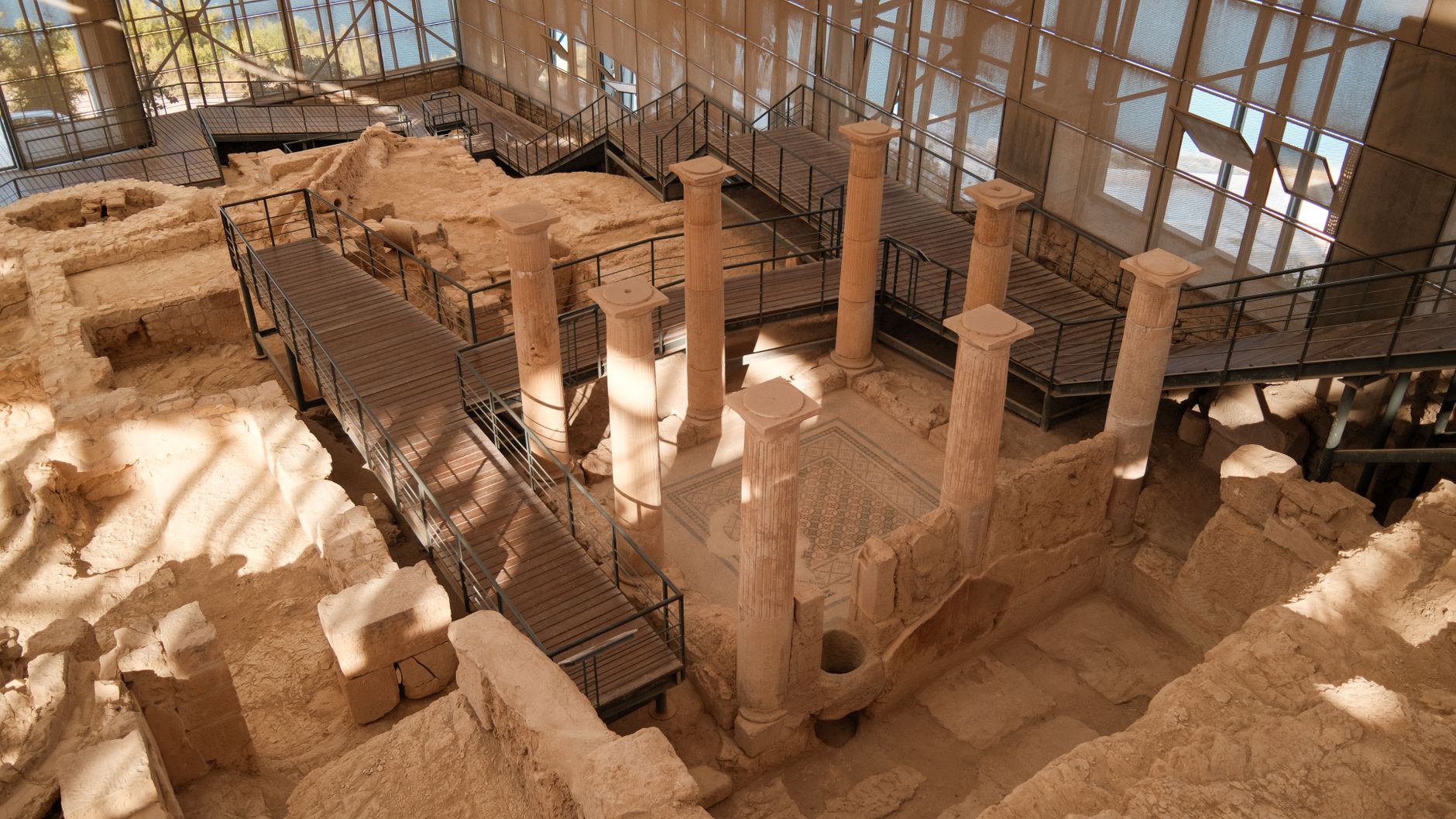
Other Mosaic Treasures: From Istanbul to Ephesus
While Antakya and Gaziantep are the stars, mosaics are found throughout Türkiye. In Istanbul, the Great Palace Mosaics Museum (part of the Hagia Sophia complex) displays a stunning 6th-century mosaic pavement from the Byzantine Great Palace, featuring scenes of daily life, animals, and mythological figures. The museum is small but impressive, and its central location makes it an easy addition to any Istanbul itinerary.
Further west, the ancient city of Ephesus near Selçuk boasts some remarkable mosaics, particularly in the Terrace Houses, where you can walk through the preserved homes of wealthy Ephesians and see mosaic floors still in situ. The nearby Ephesus Museum in Selçuk also has a fine collection of mosaics and frescoes. These sites are well-integrated into the standard tourist route and are easily reached from Izmir.
Other notable mosaic collections include the Aphrodisias Museum, which houses mosaics from the ancient city of Aphrodisias, and the Archaeological Museum of Hatay in Antakya (mentioned above). For a deeper dive, consider visiting lesser-known sites like the ancient city of Zeugma itself, where you can see the ongoing excavation and the dramatic setting on the Euphrates River (though the original mosaics are now in the museum).
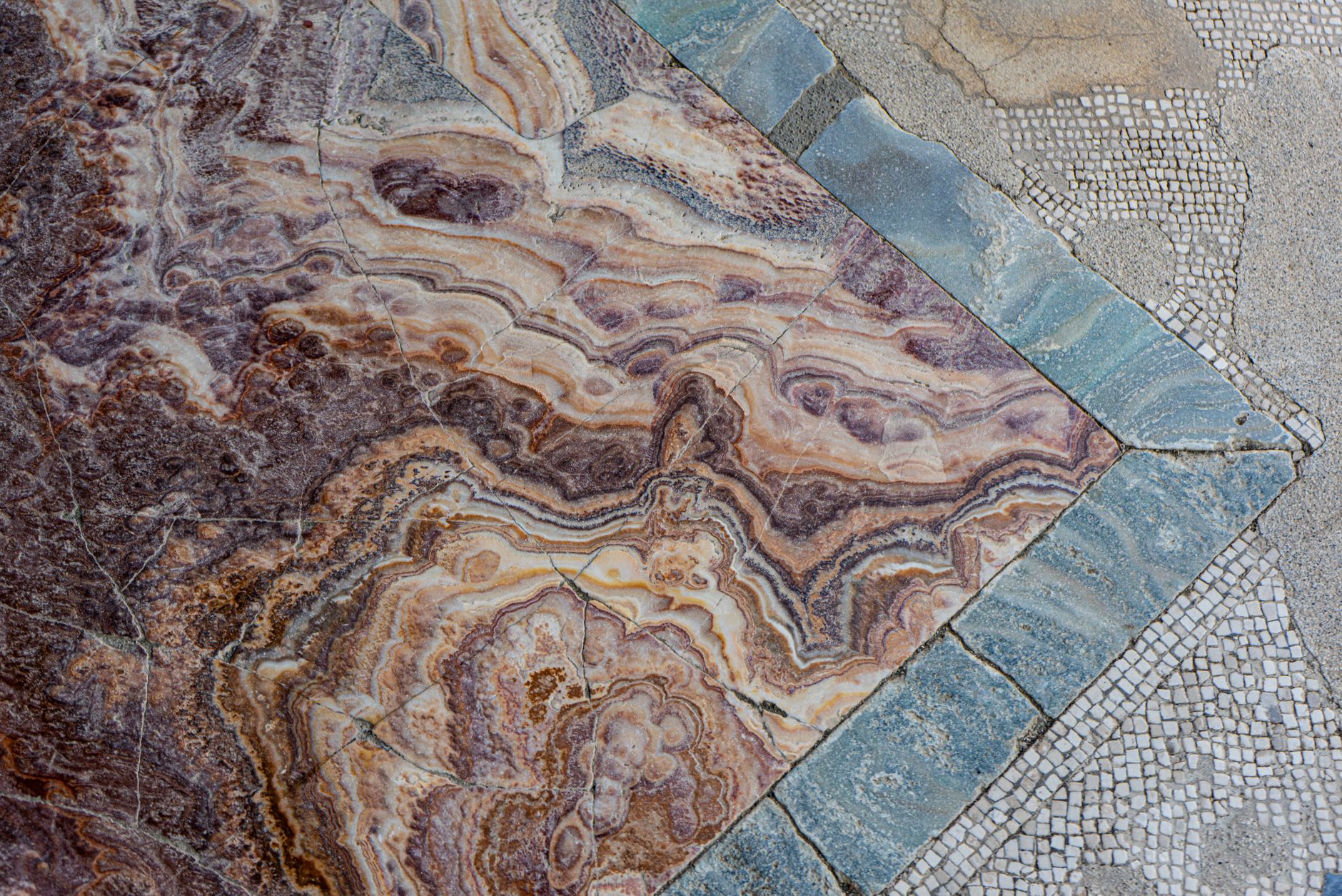
Planning Your Mosaic-Themed Road Trip
A mosaic-focused road trip through Türkiye is best done as a loop starting and ending in a major city with good flight connections. A logical route would start in Istanbul, where you can visit the Great Palace Mosaics, then fly to Gaziantep to see the Zeugma Museum, continue by road to Antakya for the Hatay Archaeology Museum, and perhaps loop back via Adana or Mersin. Alternatively, you could combine Gaziantep and Antakya with other cultural highlights like Göbekli Tepe or the ancient city of Şanlıurfa.
Pacing is key: trying to see too many sites in a short time can lead to mosaic fatigue. Aim for one major mosaic museum per day, with time to absorb the details and learn the stories. Allow at least two days in Gaziantep (for the museum and the city's food scene) and two days in Antakya (for the museum and the city's other attractions, such as the Habib-i Neccar Mosque and the bazaar). If you're driving, note that roads between Gaziantep and Antakya are generally good, but check current conditions, especially after the earthquakes.
For those who prefer not to drive, Turkey's intercity bus network is extensive and comfortable, and domestic flights are affordable. You can also join guided tours that focus on mosaics and archaeology, which often include expert commentary. For more itinerary ideas, see our itineraries page.
Practical Tips for Visiting Mosaic Museums
To make the most of your mosaic visits, keep a few practical tips in mind. First, check museum opening hours and days—many are closed on Mondays, and hours can vary seasonally. Second, consider hiring a guide or using an audio guide; the mythological scenes are much more meaningful when you understand the stories behind them. Third, bring a small pair of binoculars or use your phone's zoom to examine details without getting too close (some mosaics are roped off for preservation).
Photography is generally allowed in most museums, but flash is often prohibited, so bring a camera with good low-light performance. Also, be mindful of the floor: some museums have glass floors or walkways over mosaics, so wear comfortable shoes and watch your step. Finally, allow time to sit and absorb the atmosphere—these are ancient works of art that have survived centuries, and they deserve more than a quick glance.
For more travel tips, check our travel tools section, and for the best time to visit, see our best time guide.
Where to Stay and What to Eat Nearby
Gaziantep and Antakya both offer a range of accommodation options, from boutique hotels in restored Ottoman houses to modern chain hotels. In Gaziantep, staying near the Zeugma Museum puts you within walking distance of the museum and the lively bazaar district. In Antakya, choose a hotel in the city center to be close to the museum and the historic sites. Both cities are famous for their cuisine—Gaziantep for its baklava, kebabs, and pistachios, and Antakya for its distinctive blends of spices and mezze. Be sure to sample the local specialties as part of your cultural immersion.
For a truly memorable experience, consider staying in a traditional courtyard hotel (konak) in Gaziantep or Antakya, which offers a glimpse into the region's architectural heritage. Many of these hotels are family-run and can provide valuable insights into the local area.
When planning your trip, it's also worth checking our destinations page for more information on southeastern Türkiye, and our experts page for advice from local guides.
Conclusion: An Unmissable Cultural Journey
Türkiye's Roman mosaic floors are not just archaeological artifacts; they are windows into a lost world, and the museums that protect them are among the most accessible and well-curated in the world. From the haunting eyes of the Gypsy Girl in Gaziantep to the sprawling villas of Antioch, these mosaics offer a unique and deeply rewarding travel experience. With a bit of planning, you can create a road trip that lets you walk beside these ancient masterpieces and gain a new appreciation for the artistry of the Roman Empire.
Whether you're a seasoned traveler or a first-time visitor to Türkiye, a mosaic-themed journey will leave you with lasting memories. Start planning your trip today with our trip planner, and explore more cultural highlights on our guides page.
Thinking about a trip to Turkey?
Share your contact details and a vetted local expert will follow up with a plan built around you — free, no obligation.