

Türkiye was made for lingering. The country's cities climb hills, hug bays, and spill down slopes toward the sea, which means almost every café worth its salt comes with a view attached. And the culture here rewards slowness: a tea glass will be refilled before you ask, a waiter will never rush you off a terrace, and nobody blinks if you sit with one coffee for two hours while the light changes over the rooftops. If you build your trip around walkable neighborhoods and well-placed terraces, you'll see Türkiye at its most generous — and spend far less than you'd expect.
Why Türkiye Is Made for Walking (and Lingering)
Turkish cities reward travelers who move on foot. Istanbul's historic peninsula folds church domes, mosque courtyards, and ferry docks into a few walkable kilometers. Izmir curls around its bay in a promenade that stretches for miles. Antalya's old town tumbles down to a Roman harbor where the cliffs do half the work for you. Even Gaziantep, a food capital in the southeast, keeps its best baklava shops, copper alleys, and castle viewpoints within a compact, strollable core.
What makes it all work is the terrace culture. Rooftops here aren't reserved for luxury hotels — neighborhood cafés, family restaurants, and even simple tea gardens claim the best vantage points. A glass of çay costs less than a bottle of water in many European cities. Add free museum courtyards, public ferries that double as sightseeing boats, and pedestrianized old quarters, and you have a country where a slow afternoon is both effortless and inexpensive.
Timing matters. Spring and autumn bring soft, long light and comfortable walking temperatures. Summer afternoons can be fierce, which is another reason to plan your sightseeing for morning and your terrace time for late afternoon — when the heat breaks and locals emerge for the evening's first tea.
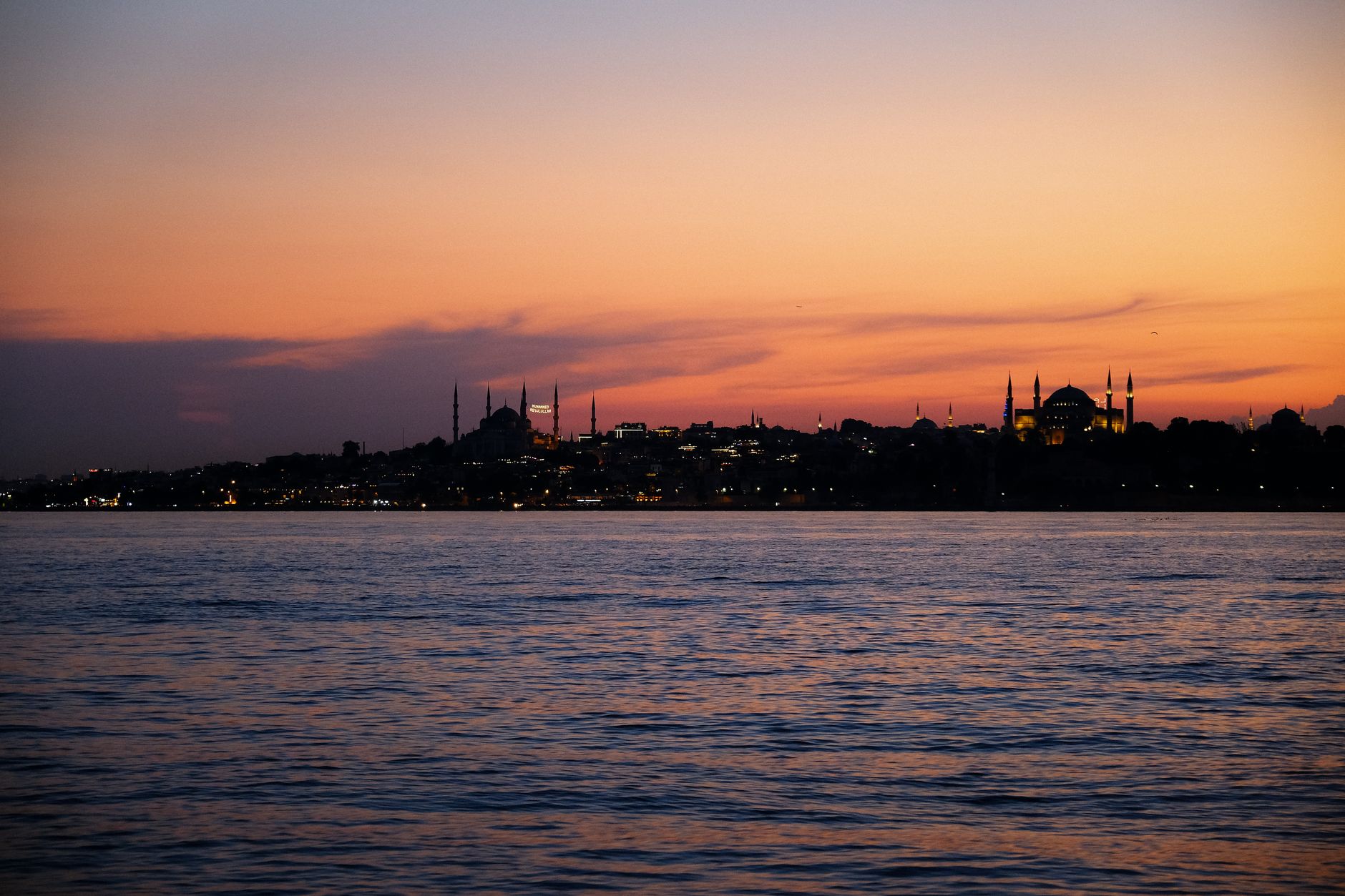
Istanbul: Minarets, Ferries, and Golden Light
Istanbul is the granddaddy of Turkish skylines. From a rooftop in Sultanahmet or Eminönü, you get the full silhouette: the domes and six minarets of the Blue Mosque, Hagia Sophia's massive curve, and the shipping traffic of the Bosphorus threading between continents. The light is best in the hour after sunrise and the two hours before sunset, when the stone turns honey-colored and the call to prayer rolls across the water.
For a splurge, the historic peninsula's rooftop restaurants overlooking the Marmara Sea deliver polished service and set menus that stretch across the evening. Book a few days ahead in high season, request a table at the terrace edge when you reserve, and arrive fifteen minutes early — Turkish hosts take reservations seriously but will give away a no-show table within twenty minutes. For a budget-friendly alternative, climb to the cafés around Pierre Loti hill in Eyüp, where you can nurse a tea and look down over the Golden Horn for the price of a bus ticket. On the Asian side, the tea gardens of Çamlıca offer panoramic views of the whole city for the cost of a simit and a glass of çay.
Photo tip: for the classic skyline shot, shoot 30 to 45 minutes before sunset so you catch the soft side light on the domes; then stay put and keep shooting through blue hour, when the mosques light up and the ferries streak across your frame. A small tripod or a steady ledge helps — and avoid using flash, which flattens the atmosphere.
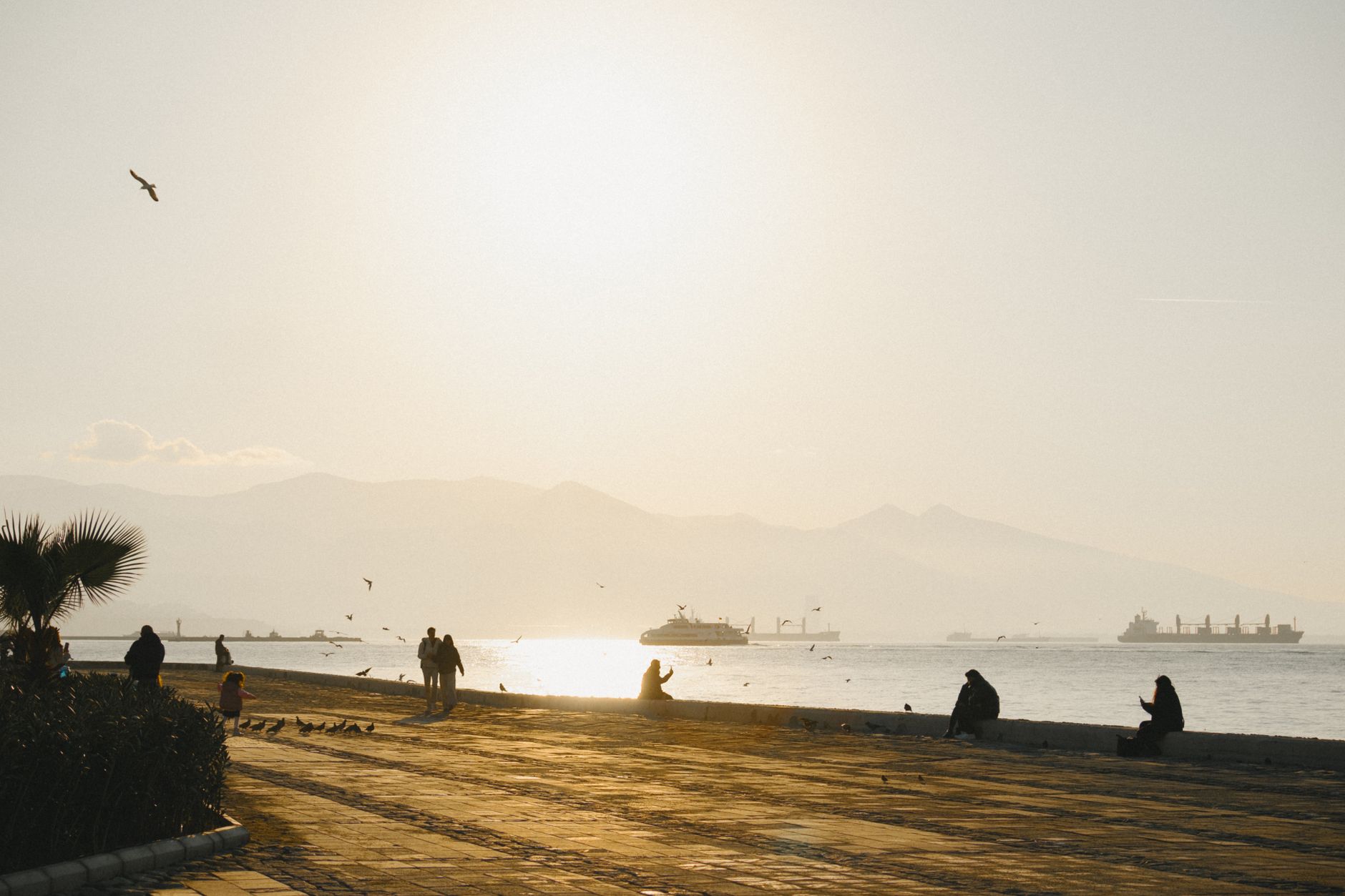
Izmir: A Bay of Terraces and Sunset Promenades
Izmir is Türkiye's easygoing west-coast city, and its defining feature is the bay — a wide crescent of water that reflects the sunset like a mirror. The Kordon promenade is the city's living room: palm-lined, walkable for miles, and lined with cafés whose terraces face the water. Stake out a spot an hour before sunset, order a glass of local wine or a Turkish coffee, and watch the sun drop behind the hills.
Above the Kordon, the historic Asansör elevator lifts visitors up the hillside to a terrace with one of the finest panoramas in the Aegean — red-tiled roofs cascading to the sea. Nearby Kemeraltı bazaar is a maze worth getting lost in, and its hidden courtyard cafés offer shade, cheap eats, and a glimpse of daily life away from the waterfront prices.
For a splurge, the boutique hotels and seafood restaurants of the Alsancak district serve elegant multi-course dinners on rooftops with bay views. For value, the tea gardens of Kültürpark and the casual balık-ekmek (grilled fish in bread) boats along the waterfront give you the same view for a fraction of the cost. Izmir's terrace etiquette is relaxed: reservations are advised for weekend dinners but rarely needed for afternoon tea, and tipping around ten percent is a kind gesture, not an obligation.
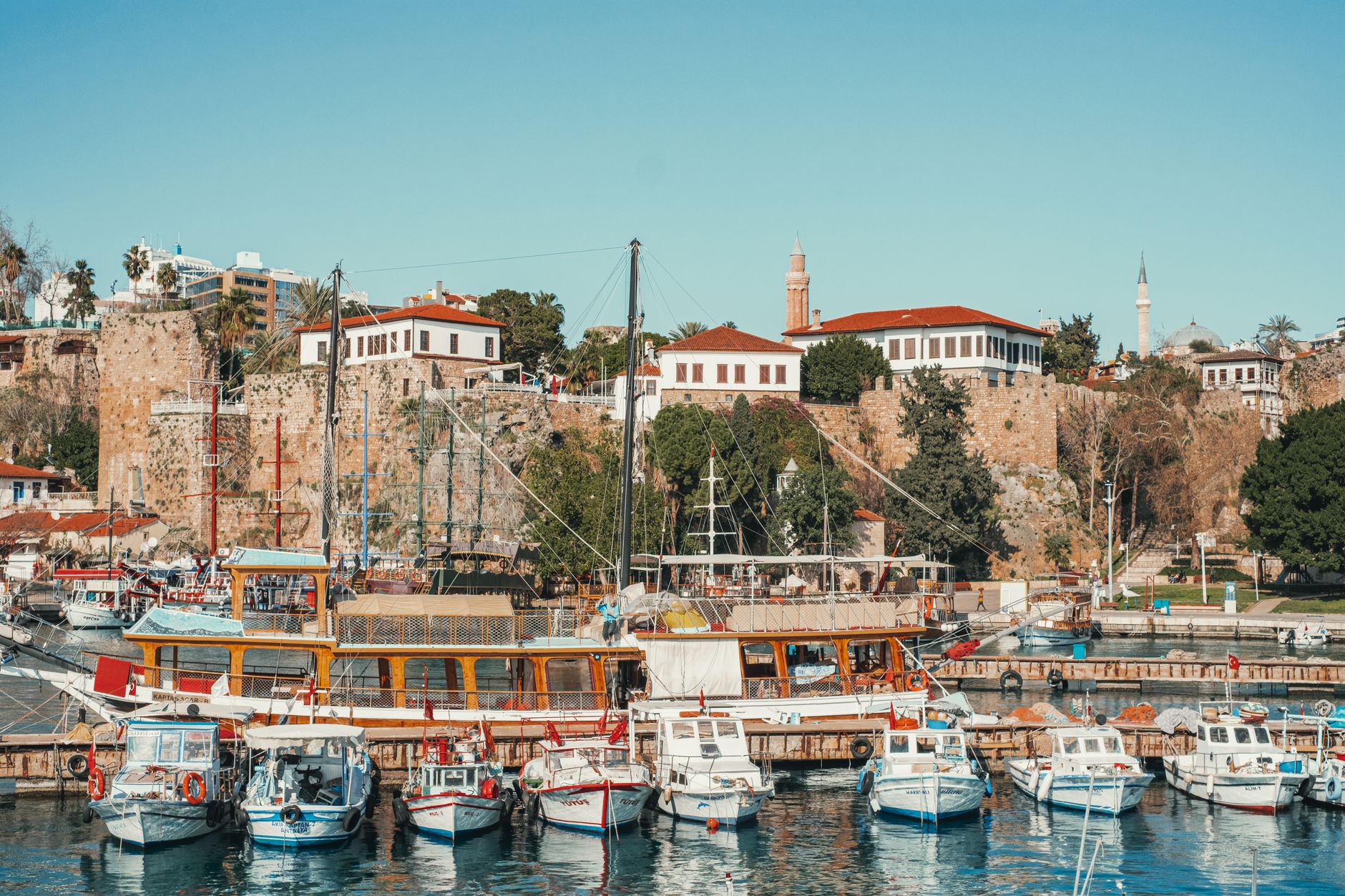
Antalya: Roman Harbor Views from the Cliffs
Antalya's old town, Kaleiçi, is a labyrinth of Ottoman houses, bougainvillea, and stone streets that end abruptly at cliffs above the Roman harbor. The city's viewpoint cafés cluster along these edges, where you can look down at the horseshoe-shaped marina, the turquoise Mediterranean, and the Taurus Mountains rising behind the town. It's one of the most photogenic urban seascapes in the country.
The light here is brightest and most dramatic in the late afternoon, when the harbor water glows deep blue and the cliffs catch a warm edge. Arrive around ninety minutes before sunset to claim a table rail-side. During peak summer, reservations at the nicer terraces are essential — call or book online in the morning for the same evening, and confirm whether your table is on the first or second row, since the difference in view is significant.
Budget travelers should head to the public tea gardens along the Konyaaltı and Lara clifftops, where a glass of çay and a game of backgammon cost next to nothing. Splurge-seekers can book a rooftop dinner in Kaleiçi with a fixed menu of mezes and grilled seafood, often accompanied by live saz music. Either way, wear shoes with grip for the cobbled descents to the harbor — the views are worth the careful footing.
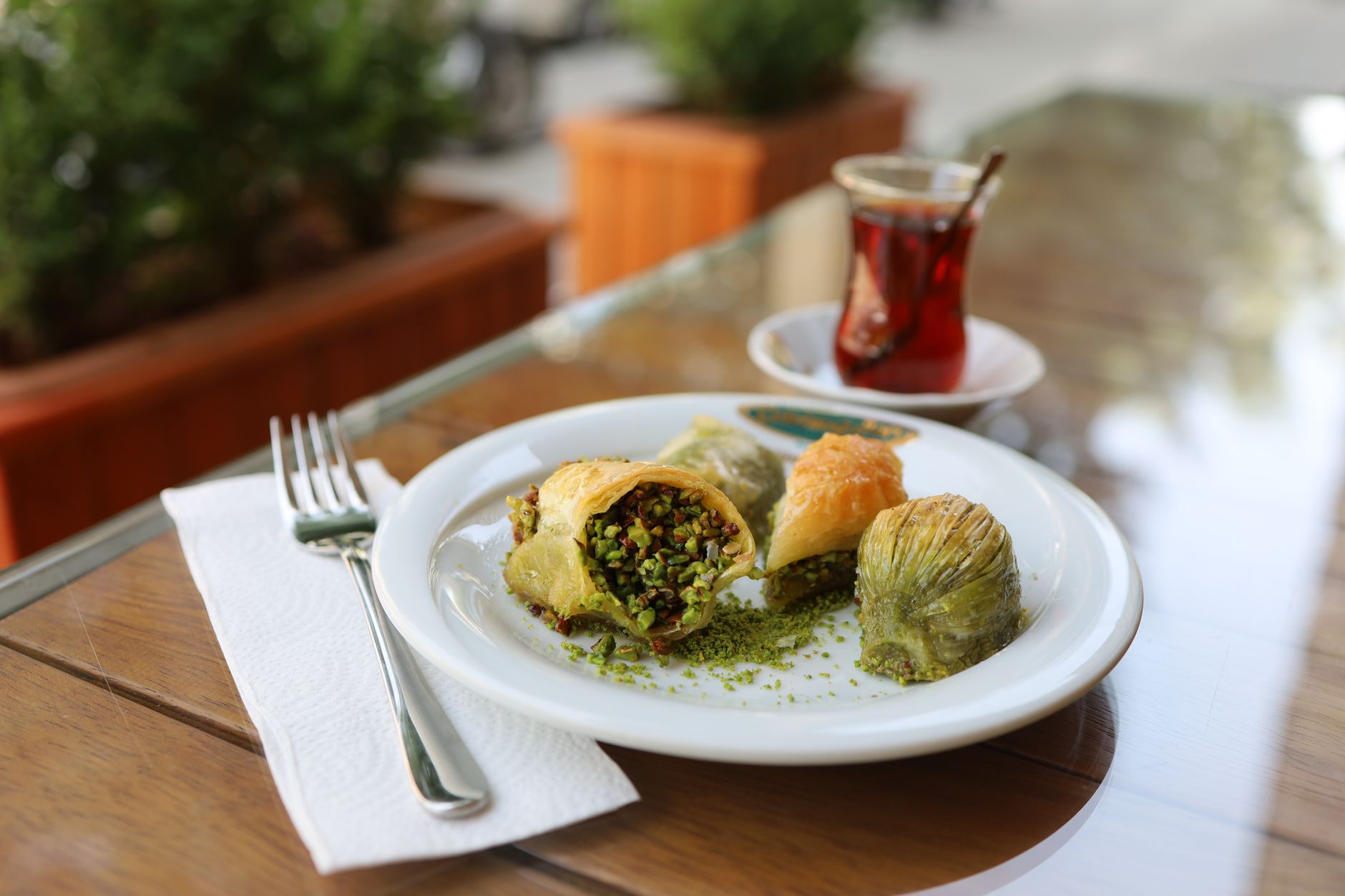
Gaziantep: Castle Views and the World's Best Baklava
Gaziantep, in southeastern Türkiye, is famous as a food city — and its terraces come with history attached. The restored castle at the city's heart offers views over the old copper-working quarter and the mosaic museum below. Around it, cafés and restaurants have claimed rooftops with views of the castle walls, especially atmospheric after dark when the stone is lit gold.
This is the place to pair a view with serious eating. Gaziantep is the home of pistachio baklava, and the city's famous sweets shops often have small upstairs seating areas where you can watch the skyline while working through a plate of warm, syrup-soaked pastry and a strong Turkish coffee. It's a splurge in flavor rather than price — a generous portion of the best baklava in the world costs a fraction of a dessert in a European capital.
For a memorable meal with a view, book a table at one of the courtyard or rooftop restaurants serving Antep classics: lahmacun, kebab with pistachio, and stuffed vegetables. For budget afternoons, the tea houses near the castle and along the bazaar streets keep the çay flowing cheaply. Photography here is best in the hour before sunset and again after dark, when the lit castle and the warm glow of shop windows create a rich, layered scene. Ask before photographing people, especially in the bazaar — a smile and a gesture toward your camera usually earns a friendly yes.
Practical Tips: Light, Reservations, and Prices
Chasing the best light. In every Turkish city, the two magic windows are the first hour after sunrise and the last two hours before sunset. Midday sun is harsh and washes out skylines; plan museum visits or bazaar wandering then. Blue hour — the twenty to thirty minutes after sunset — is when city lights and deep blue skies balance perfectly, so don't pack up your camera when the sun disappears.
Reservation etiquette. For popular rooftop restaurants in Istanbul, Izmir, and Antalya, book two to four days ahead in high season and reconfirm the morning of your visit. Request a terrace-edge table when you reserve, arrive within fifteen minutes of your slot, and call if you're running late — Turkish restaurants are accommodating but won't hold a prime table indefinitely. At tea gardens and casual cafés, no reservation is needed; simply find a seat, and a waiter will appear.
Budget-friendly picks. Municipal tea gardens (çay bahçesi), ferry decks, and public park viewpoints deliver some of the best views in the country for the price of a glass of tea. Look for lokanta eateries serving home-style dishes at lunch, and buy simit, cheese, and olives for a rooftop picnic of your own. Splurge options. Rooftop fine dining in Istanbul with Bosphorus views, bay-front seafood terraces in Izmir, harbor-edge dinners in Antalya, and courtyard feasts in Gaziantep all cost far less than comparable experiences in Western Europe — a worthwhile indulgence, especially at sunset.
Finally, slow down. Order the second tea. Let the light change. In Türkiye, the view isn't just something you look at — it's the reason the chair was placed there in the first place, and the afternoon is yours to spend.
Thinking about a trip to Turkey?
Share your contact details and a vetted local expert will follow up with a plan built around you — free, no obligation.