
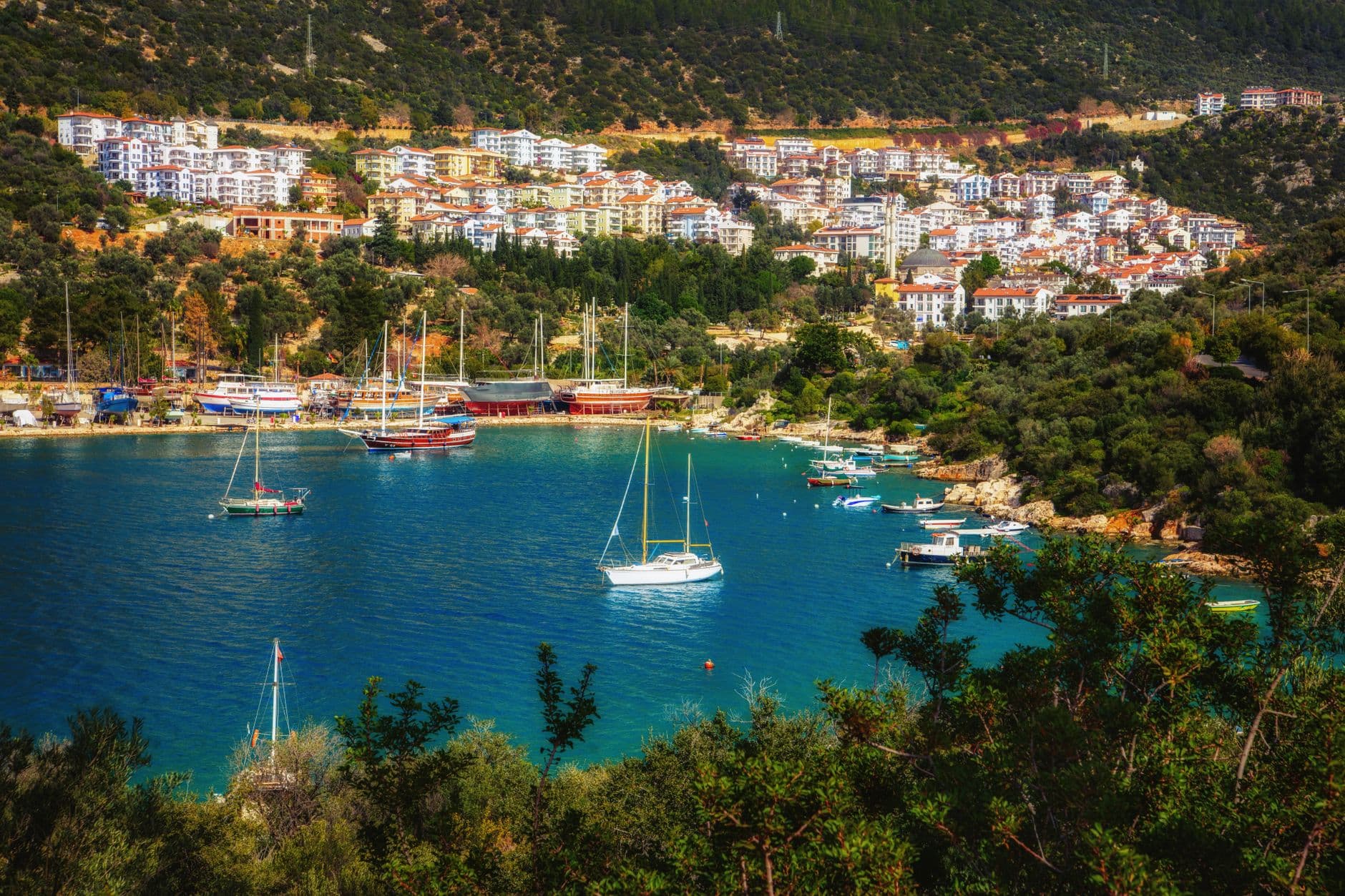
Türkiye has more than 8,000 kilometres of coastline, and a surprising amount of it is perfect for paddling rather than sailing or swimming. The Mediterranean's Turquoise Coast and the Aegean's sheltered gulfs hide dozens of calm bays where the water turns from turquoise to deep blue in a single stroke, where pine trees lean over the shoreline, and where you can glide above sunken ruins without a single motor in earshot.
Sea kayaking and stand-up paddleboarding (SUP) are both growing fast here, and the good news for beginners is that you don't need big surf or big experience. You need the right bay, the right hour of the day, and a little respect for the wind. This guide covers the conditions, the seasons, the gear and the launch spots, so you can plan a paddle that's as safe as it is beautiful.
Why Türkiye Is a Fantastic Paddling Destination
The Mediterranean coast between Antalya and Fethiye is a maze of headlands and coves. Because the bays face different directions, you can almost always find a sheltered launch point even when the open sea is choppy. The water is warm from late spring to early autumn, often 22–26°C in summer, which makes swimming breaks and the occasional capsize genuinely pleasant rather than shocking.
The Aegean side, around the Bodrum and Gökova peninsulas, offers a different flavour: long, low-lying bays, shallow turquoise shelves, and reliable afternoon breezes that are wonderful for sailing but require early starts for paddlers. Further north, the Gallipoli and Saros areas have their own quieter appeal, though currents and shipping lanes there demand local advice.
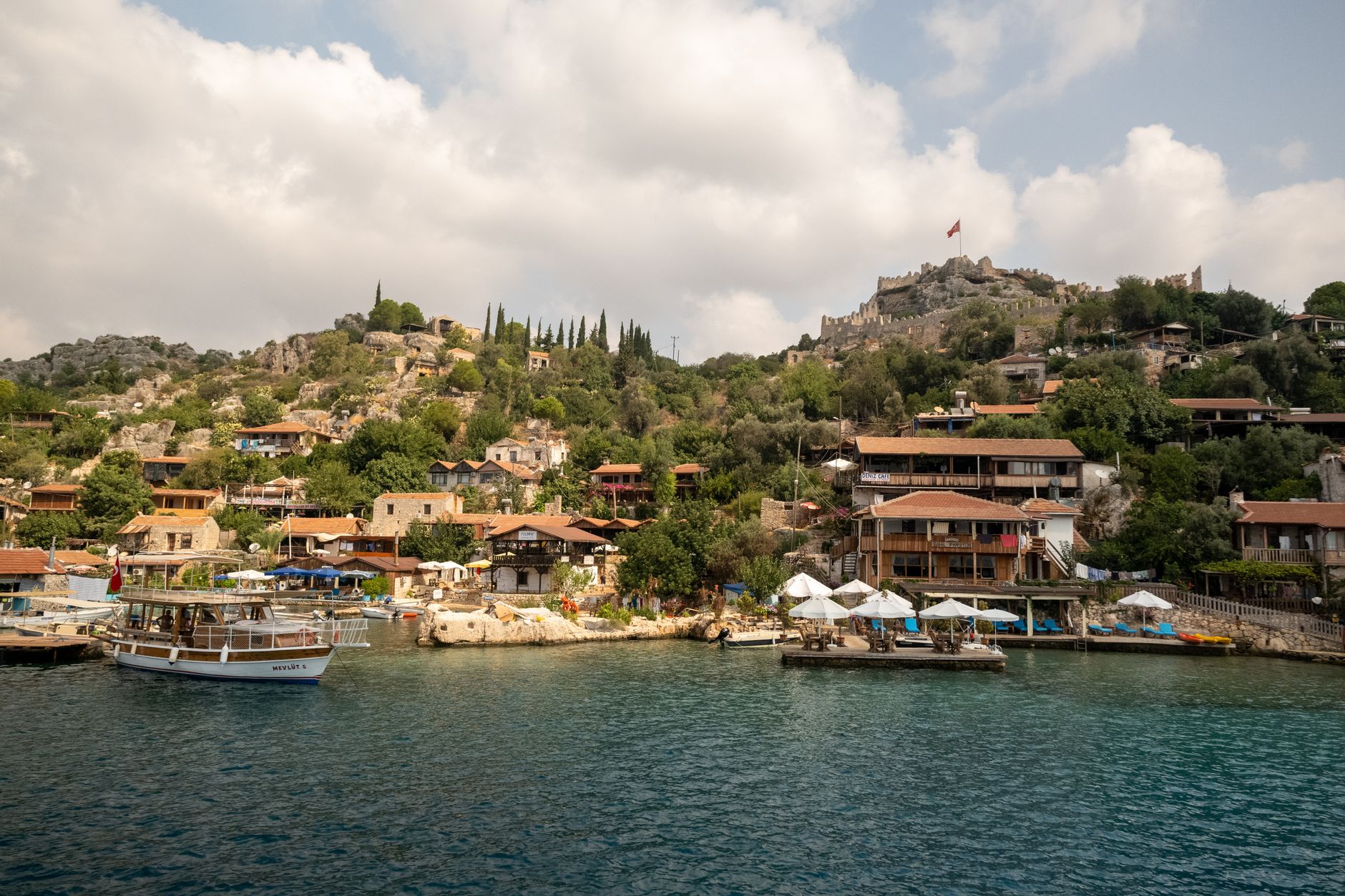
What really sets Türkiye apart is the archaeology at water level. In several places along the Lycian coast you can paddle over half-submerged harbour walls and foundations from ancient Lycia and Rome. Kekova, near Kaş, is the classic example: a sunken city visible through clear, shallow water. Note that swimming and diving around the protected archaeological zone at Kekova are restricted, so paddle gently, stay with your guide, and follow signage and local rules.
The Best Beginner-Friendly Bays and Launch Spots
For first-timers, the priority is flat water, easy entry, and a short paddle to somewhere beautiful. These areas consistently deliver:
- Kaş and the Kekova area (Antalya province): Kaş is Türkiye's sea-kayaking hub, with several established operators running guided day trips, rentals and courses. The harbour itself is busy with boats, so most trips launch from nearby coves or transfer by boat. The Kekova channel is sheltered and shallow, and the sunken-city views make it a superb introduction.
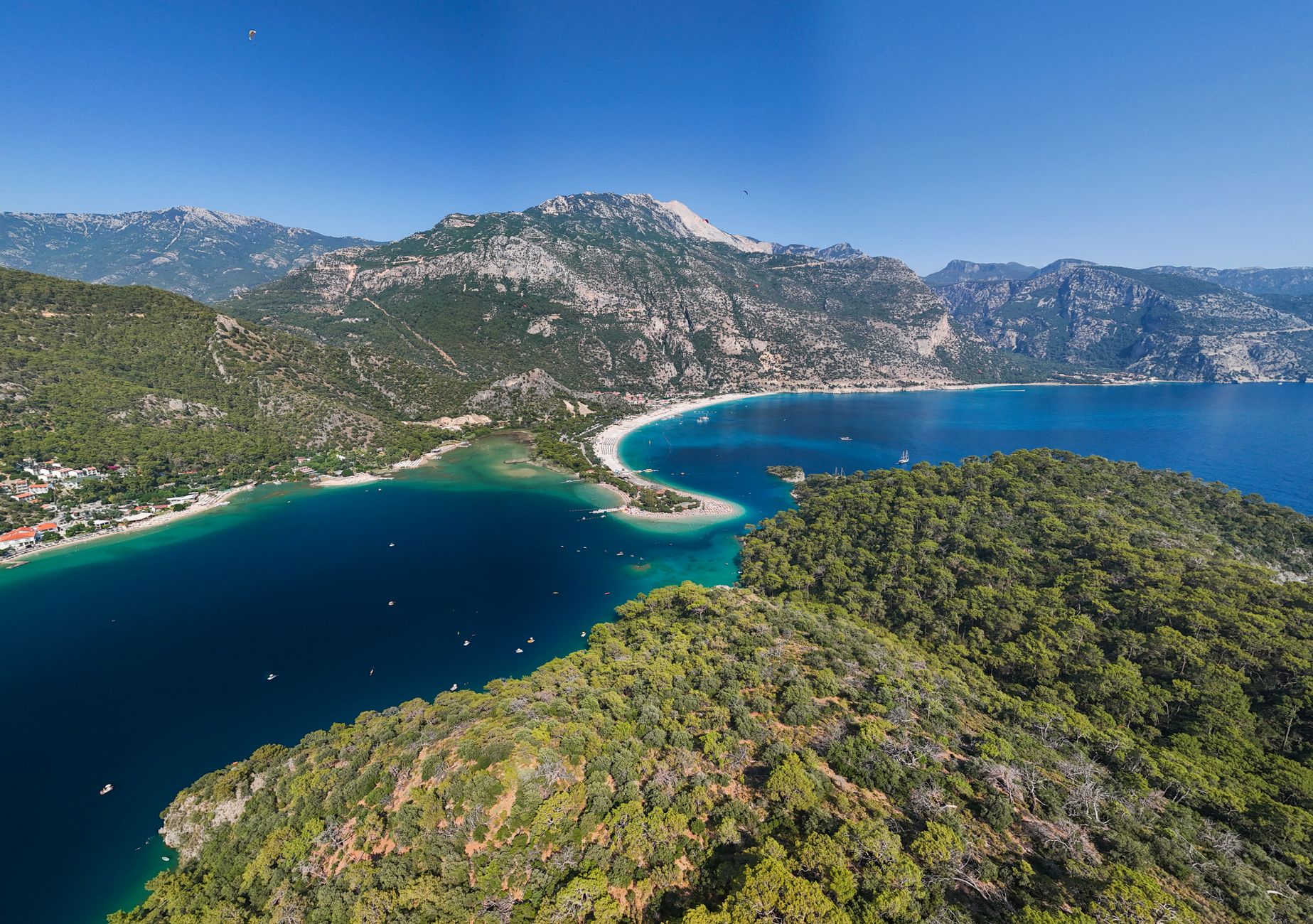
- Ölüdeniz and the Fethiye bays (Muğla province): The famous Blue Lagoon is a protected national park with extraordinarily calm, clear water. Paddling is popular, but rules apply inside the lagoon and nature reserve, so check with operators on where you may launch and swim. Expect boat traffic in high season and stay close to shore.
- Gökova Gulf and Bodrum peninsula (Muğla province): Long, gentle bays such as those around Bördübet and the English Harbour area offer easy distances and lovely swimming stops. The afternoon wind is real, though, so plan to be off the water by early afternoon or paddle into the bay rather than across it.
- Çıralı and Olympos (Antalya province): A long pebble beach with relatively calm mornings and a laid-back base for beginners, plus the added wonder of the eternal flames at Yanartaş on the hillside above.
- Dalyan and İztuzu Beach (Muğla province): The Dalyan river delta and the long sand spit of İztuzu offer flat, sheltered water, though this is a protected loggerhead turtle nesting area with strict seasonal rules on the beach and speed of vessels. Ask locally about where paddling is permitted so you don't disturb nesting zones.
If you are new to the sport, a guided half-day trip is the best value: you get a stable sit-on-top or sea kayak, a buoyancy aid, a briefing on wind and boat traffic, and a route chosen for the day's conditions. Many operators in Kaş and Fethiye also run short SUP lessons in the calm hours before breakfast.
When to Go: Seasons and Daily Timing
Paddling in Türkiye is possible almost year-round in the south, but the experience changes dramatically with the season. Late April to June is arguably the sweet spot: warm air, still-cool water, wildflowers on the hills, and far fewer boats. September and October are equally good, with sea temperatures at their warmest and the summer crowds thinning.
July and August are hot and busy. Paddling is still wonderful, but you must start at dawn, carry more water than you think you need, and wear high-factor sunscreen and a hat. The midday sun is genuinely dangerous, and the afternoon meltemi-style breezes can build quickly along exposed stretches. November to March brings rain, cooler water and occasional storms; paddling is for experienced, well-equipped locals with local knowledge, not for holidaymakers.
Whatever the season, the daily rhythm matters more than the month. In most Mediterranean bays the wind is calmest from first light until late morning, then builds through the afternoon. Plan your outward leg into the wind and your return with it, or better, paddle a loop that keeps you near shore the whole way.
Gear, Rentals and What to Expect to Pay
You do not need to bring your own boat. Rental is widely available in the main paddling centres, particularly Kaş, Fethiye, Ölüdeniz and Bodrum, and prices are generally reasonable by European standards. Expect to pay for a guided half-day sea-kayak trip in the region of a modest day-trip fee, with rentals and SUP hire cheaper still; multi-day expeditions and courses cost more. Confirm what is included: kayak or board, paddle, buoyancy aid, dry bags, water, guide, and usually lunch on full-day trips.
Quality varies, so ask a few questions before you book. Does the operator provide properly fitted buoyancy aids for every paddler, including children? Are guides certified, and do they carry a tow line, spare paddle and a means of communication? Is there a plan for changing weather? A good operator will talk about wind forecasts and abort or reroute without drama.
If you are bringing your own gear, a lightweight sea kayak or inflatable SUP travels well, but check airline rules and remember that a pump, repair kit and leash are essential. For SUP in particular, a coiled ankle leash is standard on flat water, but in any current or near boat traffic, follow your instructor's advice on leash use, since entrapment is a real hazard.
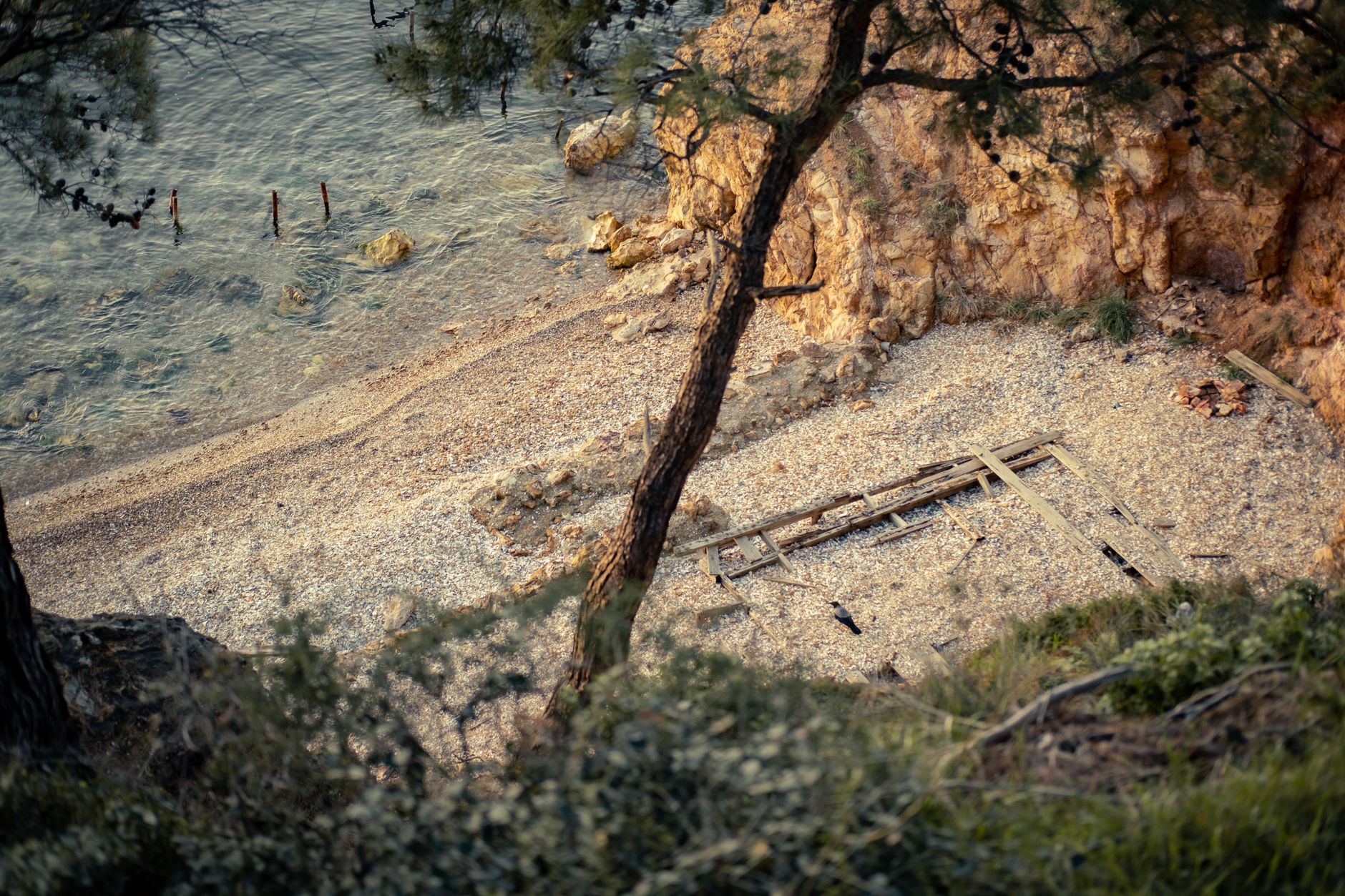
Pack light and pack smart: a hat with a brim, reef-safe sunscreen, a long-sleeved rash vest, sunglasses with a retaining strap, plenty of water, a dry bag for phone and keys, and footwear for rocky entries. A small first-aid kit and a whistle are cheap insurance.
Staying Safe on Calm-Looking Water
Calm water can be deceptive. The Mediterranean is capable of building short, steep chop within an hour when wind funnels between headlands, and boat traffic is the other big hazard. Ferries, gulets and speedboats do not always see a low-profile kayak or a paddler sitting on a board, so cross channels quickly and directly, stay in groups, and keep close to the shore where practical.
Always check the marine forecast before launching, tell someone your plan, and paddle within your ability. Novices should stay in sheltered bays and go with a guide or an experienced friend. Never paddle alone in an unfamiliar area, and never combine paddling with alcohol. If you capsize, stay with your boat, signal for help, and remember that re-entry in deep water takes practice, so learn it in a course before you need it.
Hydration and heat illness are underestimated risks in summer. Drink before you are thirsty, take shade breaks, and watch for headache, dizziness or confusion in yourself and your group. And treat the coastline with care: anchor-free, no-touch wildlife watching, no litter, and extra distance from turtle nesting beaches, seabird cliffs and archaeological zones keeps these places worth returning to.
Pairing Paddling With the Rest of Your Trip
Paddling fits beautifully into a wider Turkish itinerary. Base yourself in Kaş or Fethiye for a few days of morning paddles and afternoon swimming, then head inland to the Lycian Way trails or the travertines of Pamukkale. Or combine a Gökova paddle with a slow week in Bodrum, mixing quiet coves with harbour-town evenings.
If you are still shaping your route, our best-time guide will help you match months to regions, and the itineraries page has ready-made coastal plans you can adapt. For inspiration beyond the sea, browse the destinations section, and if you would like a route tailored to your group's experience, the trip planner and our local experts can build paddling days around the rest of your holiday.
Above all, go early, go gently, and let the coast set the pace. Türkiye's calm bays reward patience: the glassy water at seven in the morning, the first coffee back at the harbour, and the feeling that you have seen a stretch of coast that the sunbathers never will.
Thinking about a trip to Turkey?
Share your contact details and a vetted local expert will follow up with a plan built around you — free, no obligation.