

Why Türkiye Is a Paradise for Vintage Lovers
Türkiye has long been a crossroads of civilizations, and that rich history is reflected in its markets and bazaars. For curious travelers, the country's second-hand and vintage shopping streets offer a treasure trove of handwoven kilims, gleaming copperware, retro textiles, and one-of-a-kind curios. Unlike mass-produced souvenirs, these items carry stories—of Anatolian grandmothers, Ottoman artisans, and the clever reuse culture that has thrived here for centuries.
What makes Türkiye especially exciting is the sheer variety. You can spend a morning sifting through piles of vintage silk scarves in Istanbul's Kadıköy, then hop a bus to Ankara and find yourself surrounded by antique pocket watches and old postcards. The prices are often surprisingly fair, especially when you engage in the friendly banter that locals call bargaining.
In this guide, we'll take you through the best second-hand and vintage shopping streets and markets across Türkiye, share haggling etiquette tips, and help you pack or ship your finds safely. Whether you're a seasoned collector or a casual browser, you're about to fall in love with Turkish craftsmanship and reuse culture.
Istanbul: The Grand Bazaar of Second-Hand
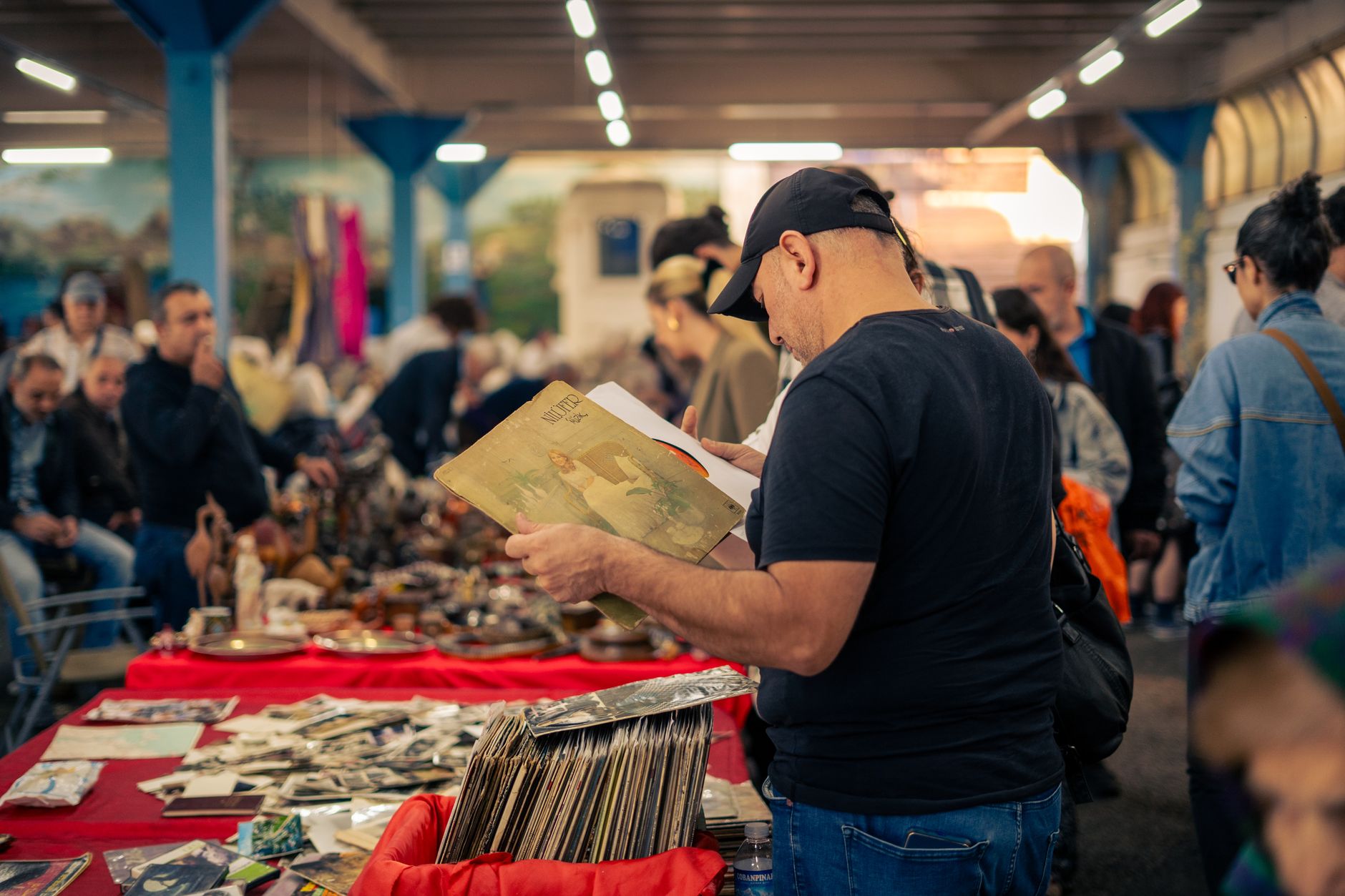
Istanbul is the beating heart of Türkiye's vintage scene. Start in Kadıköy on the Asian side, where the Tuesday flea market (Salı Pazarı) spills onto the streets around the Kadıköy Mosque. Here you'll find vintage clothing, old vinyl records, retro kitchenware, and hand-painted ceramics. The atmosphere is lively, and prices are generally lower than in tourist-centric areas.
On the European side, head to Feriköy Antika Pazarı, held every Sunday in the Feriköy neighborhood. This is one of the city's most beloved antique markets, with stalls selling Ottoman-era copper pots, antique jewelry, and vintage photographs. It's a great place to find authentic kilims and embroidered textiles at negotiable prices.
Don't miss the Horhor Antique Market in Fatih, a labyrinthine building packed with dealers offering everything from old maps to vintage cameras. Even if you're not buying, the browsing experience is unforgettable. And for a more bohemian vibe, explore the backstreets of Balat, where vintage shops and second-hand boutiques pop up among colorful houses. Keep an eye out for retro Turkish movie posters and old advertising signs.
Izmir and the Aegean: Coastal Vintage Charm
Izmir's Kemeraltı Bazaar is a historic market that dates back to the Ottoman era. While it's known for its coffee and textiles, dig deeper and you'll find second-hand shops selling vintage Levi's, old Turkish coins, and hand-embroidered linens. The nearby Havra Sokak is a haven for antique lovers, with small shops offering copperware, old books, and retro jewelry.
For a more local experience, visit the Bornova Flea Market on weekends, where families sell household items, vintage toys, and sometimes genuine kilims. The Aegean region is also famous for its olive oil soap and natural sponges—great lightweight souvenirs that won't weigh down your luggage.
If you're exploring the coast, stop by Alaçatı's antique shops, which mix vintage Turkish finds with bohemian decor. The town's charming streets are perfect for a leisurely afternoon of browsing.
Ankara: The Capital's Hidden Gems
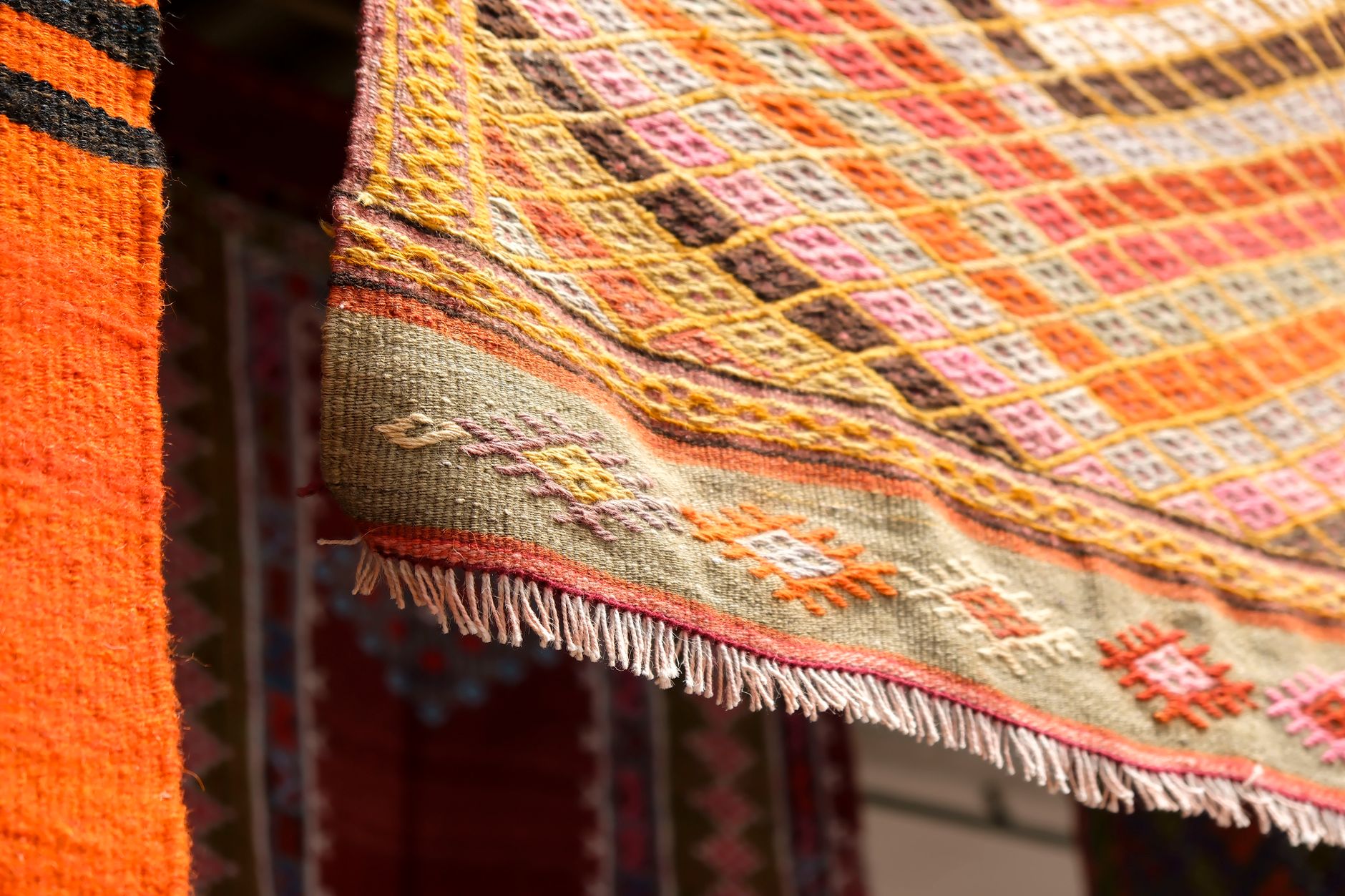
Ankara often gets overlooked by travelers, but its second-hand scene is thriving. The Ankara Antique Bazaar (Ankara Antikacılar Çarşısı) in the Ulus district is a must-visit. It's a covered market with dozens of dealers selling old copper, brass, and silver items, as well as vintage carpets and kilims. Prices here can be very reasonable, especially if you buy multiple items.
For a more eclectic mix, head to the Kızılay area, where you'll find second-hand bookshops and vintage clothing stores tucked between modern cafés. The Çıkrıkçılar Yokuşu street is famous for its antique shops and old hardware stores—perfect for finding unique metalwork and tools.
Ankara's flea markets, like the one in Mamak, are less touristy and offer a raw look at local reuse culture. You might spot vintage radios, old cameras, and handmade textiles.
Other Cities Worth Exploring
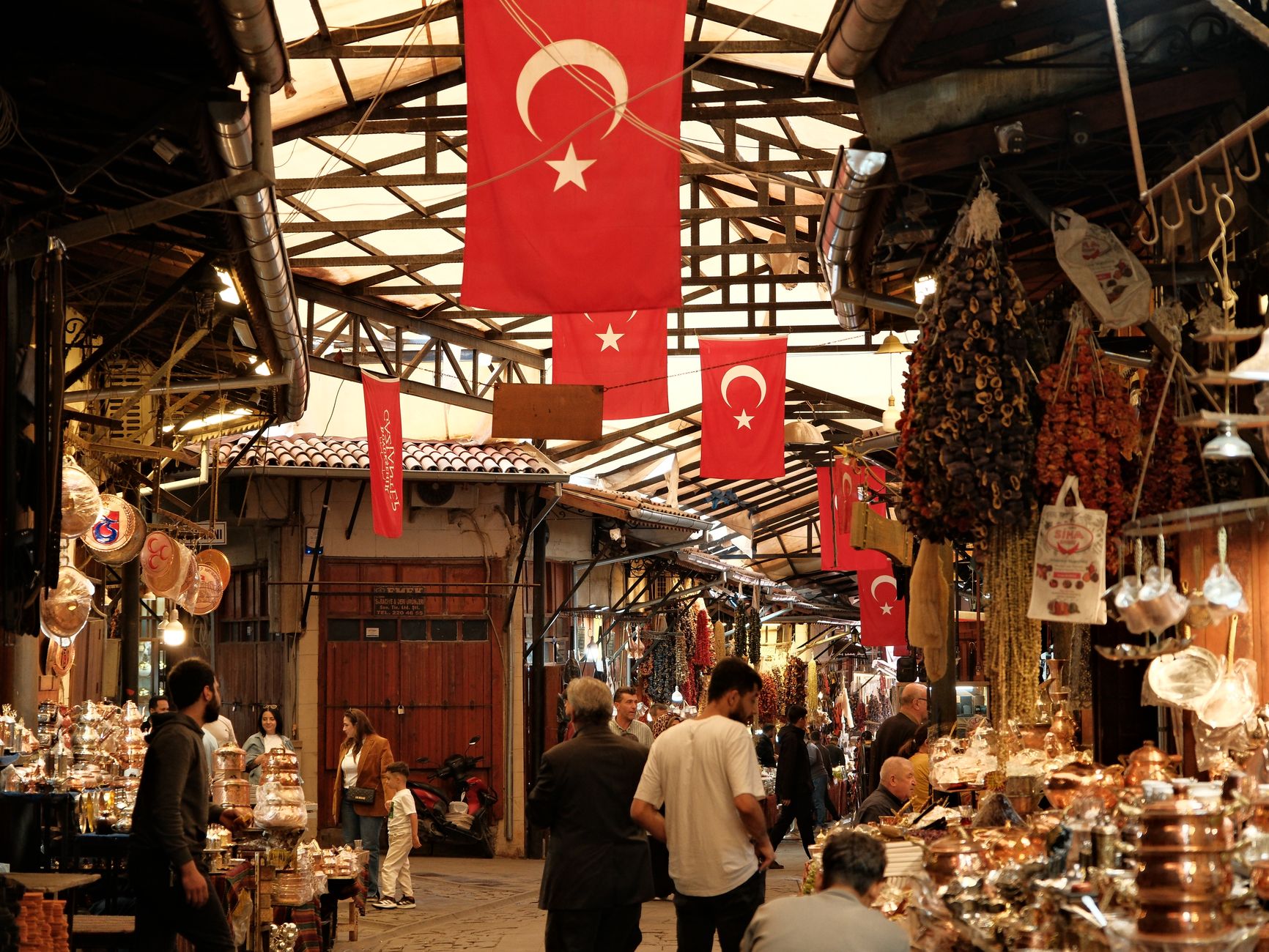
Bursa, the former Ottoman capital, has a wonderful antique market near the Koza Han. It's known for silk textiles, vintage scarves, and old copperware. Antalya's old town, Kaleiçi, has a few vintage shops selling maritime antiques and retro postcards. In Gaziantep, the copper market is a living museum where you can buy hand-hammered copper pots directly from artisans.
For a truly off-the-beaten-path experience, visit Konya's flea market, where you'll find old prayer beads, vintage kilims, and traditional clothing. And in Trabzon on the Black Sea, look for second-hand shops selling old tea sets and Soviet-era trinkets.
Haggling Etiquette: Friendly Banter, Fair Prices
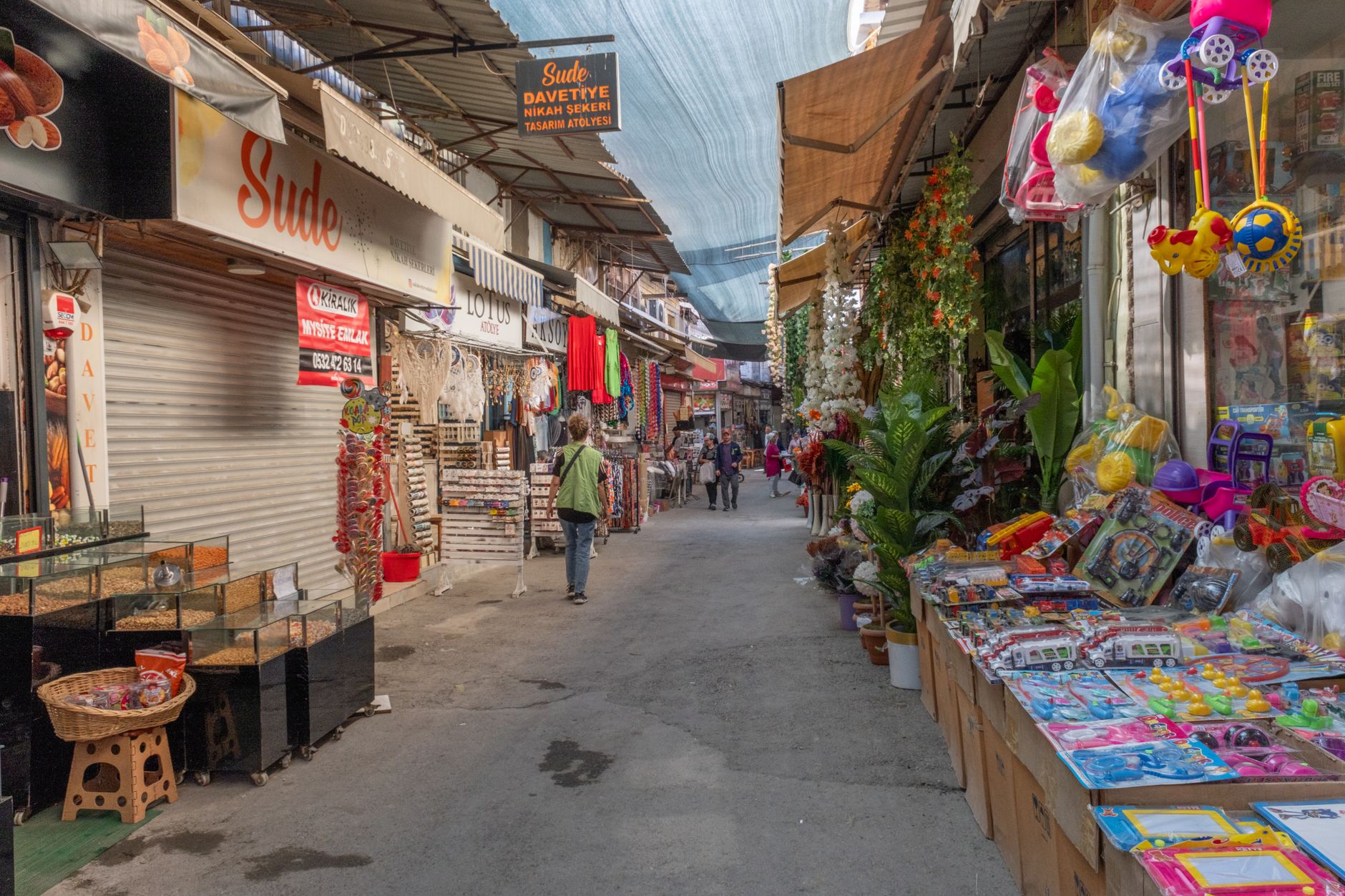
In Türkiye, haggling is not a confrontation—it's a social dance. The key is to be friendly, respectful, and patient. Start by asking the price, then respond with a gentle counteroffer, usually around 30-40% lower. Smile, make eye contact, and use phrases like “Bu çok pahalı” (That's too expensive) or “Son fiyat ne?” (What's your final price?).
Never insult the item or the seller. Instead, compliment the craftsmanship and explain that you're a traveler on a budget. If the seller doesn't budge, you can politely walk away—often they'll call you back with a better offer. Remember, the goal is a fair deal for both sides, not to “win.”
It's also common to be offered tea during negotiations. Accept it—it's a sign of hospitality and helps build rapport. And if you buy multiple items, ask for a discount on the total. Cash is preferred, but many shops accept credit cards.
Shipping and Packing Tips for Your Treasures
Before you buy that beautiful kilim or copper pot, think about how you'll get it home. For small items like jewelry or textiles, pack them in your carry-on or checked luggage, wrapped in bubble wrap or clothing. For larger items like rugs or furniture, ask the shop if they offer shipping. Many antique dealers in Istanbul and Izmir regularly ship internationally and can arrange air freight or sea cargo.
If you're shipping, get a written receipt and tracking number. For kilims, ask the seller to fold and wrap them properly to avoid creases. Copperware should be wrapped in soft cloth to prevent scratches. Always check your country's customs regulations for duties on antiques and handcrafted goods.
Alternatively, you can use local cargo companies like PTT or private couriers. It's often more affordable than you think, especially for larger purchases. Just be sure to insure your package and keep all documentation.
Embrace the Reuse Culture
Türkiye's second-hand and vintage markets are more than shopping destinations—they're a window into the country's soul. The culture of reuse is deeply ingrained here, from grandmothers patching kilims to artisans melting down old copper to create new masterpieces. By buying vintage, you're not only getting a unique treasure but also supporting sustainable practices and local communities.
So bring an open mind, a bit of patience, and a sense of adventure. Whether you're haggling for a vintage watch in Ankara or uncovering a hand-painted plate in Izmir, you'll come home with stories and souvenirs that are truly one of a kind.
Thinking about a trip to Turkey?
Share your contact details and a vetted local expert will follow up with a plan built around you — free, no obligation.