

A Market Coming of Age
Türkiye's tourism sector entered the second quarter of 2026 with a story that is less about raw volume and more about quality, depth, and duration. Travelers are choosing to stay longer, explore further, and invest in richer experiences — a clear sign that the Turkish tourism market is maturing into one of the most sophisticated in the Mediterranean.
Industry analysts note that the composition of visitors is evolving. Rather than rushing through a checklist of landmarks, guests are booking extended itineraries that combine Istanbul's cultural riches, the Aegean's serene coastlines, and the culinary traditions of Anatolia's interior.
This shift benefits everyone: hotels are investing in renovations, restaurants are elevating their menus, and local guides are designing more immersive tours. Turkish hospitality — long celebrated for its warmth — is now matched by infrastructure and service quality that rivals any global destination.
Longer Stays, Deeper Connections
One of the most encouraging trends in the second-quarter data is the increase in average length of stay. Visitors are spending more nights in Türkiye, turning a traditional one-week beach holiday into a two- or three-week journey that spans multiple regions.
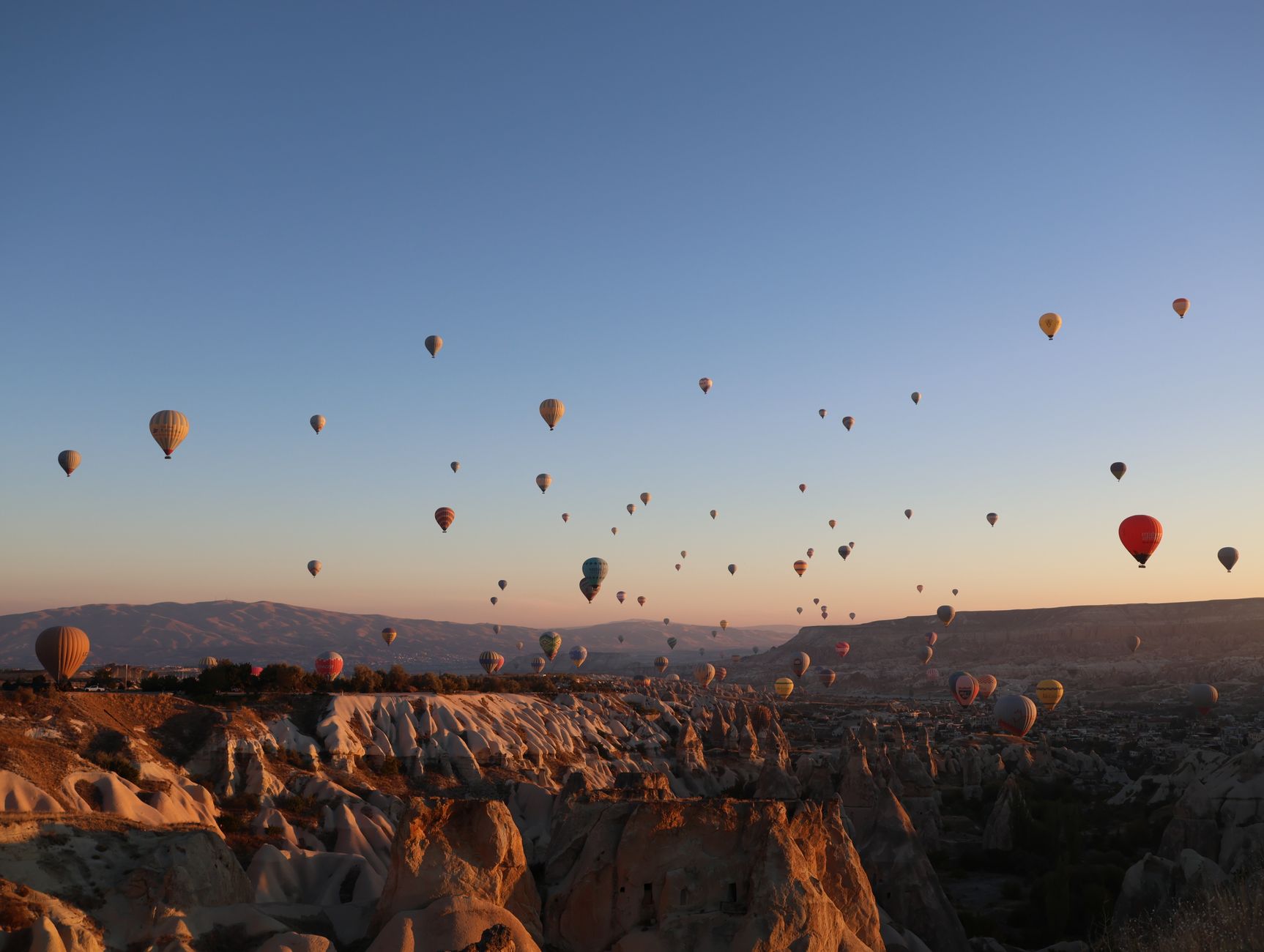
Travelers are discovering that Türkiye's compact geography makes multi-destination trips easy. A morning flight from Istanbul can have you hiking in Cappadocia by afternoon, while a short drive from Izmir opens up the ancient ruins of Ephesus and the boutique wineries of Şirince.
This longer-stay behavior supports local economies beyond the major hubs. Smaller towns in the Black Sea region, the southeast, and the lakes district are welcoming a new generation of curious travelers who want authentic encounters with Turkish daily life.
Investing in Quality Across Every Budget
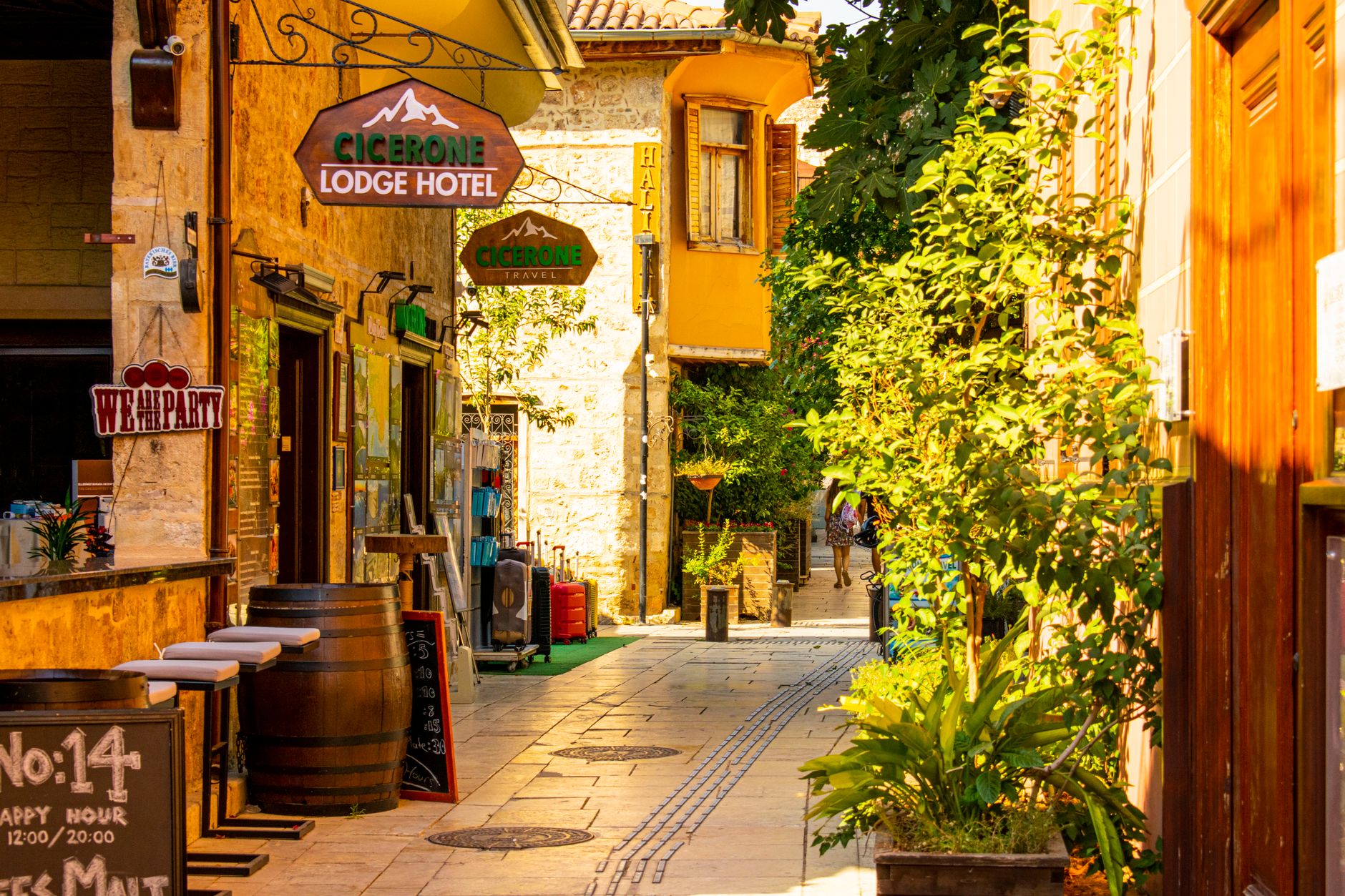
The maturing market is driving investment in hotel upgrades, dining, and guest services at every price point. From family-run pensions in Antalya's old town to luxury resorts along the Turquoise Coast, properties are renovating rooms, expanding wellness facilities, and training staff to meet rising expectations.
Mid-range travelers are the biggest winners. Boutique hotels in Istanbul's Karaköy and Galata districts now offer designer interiors and rooftop terraces at accessible rates, while cave hotels in Cappadocia compete on service and sustainability rather than just novelty.
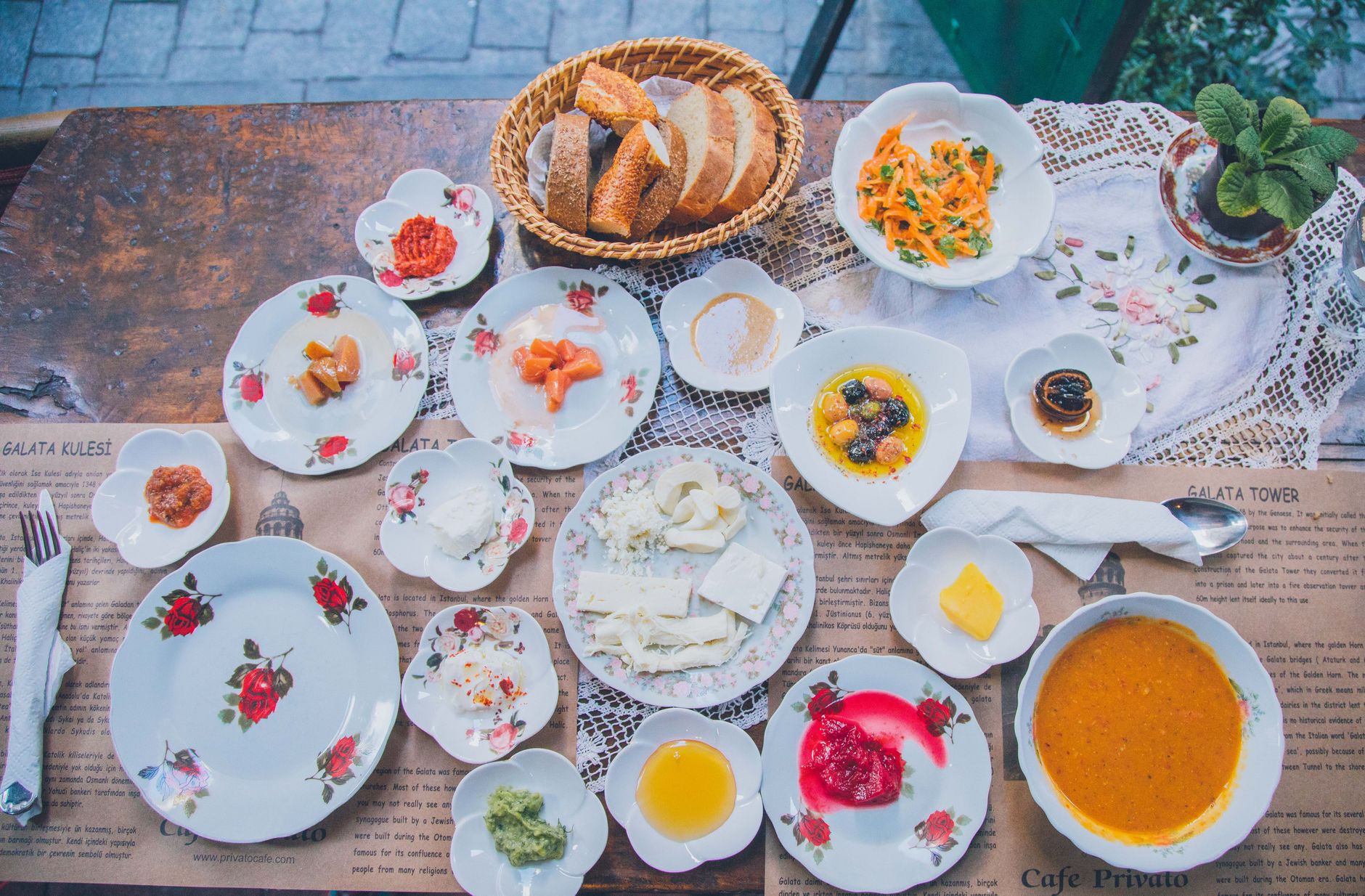
Dining has also matured. Turkish cuisine — already one of the world's great culinary traditions — is being reinterpreted by a new wave of chefs who blend regional recipes with modern techniques. Street food remains legendary, but now travelers can also book tasting menus in Gaziantep, fine-dining experiences in Bodrum, and farm-to-table lunches in the Aegean hinterland.
Beyond the Coast: New Itineraries for Curious Travelers
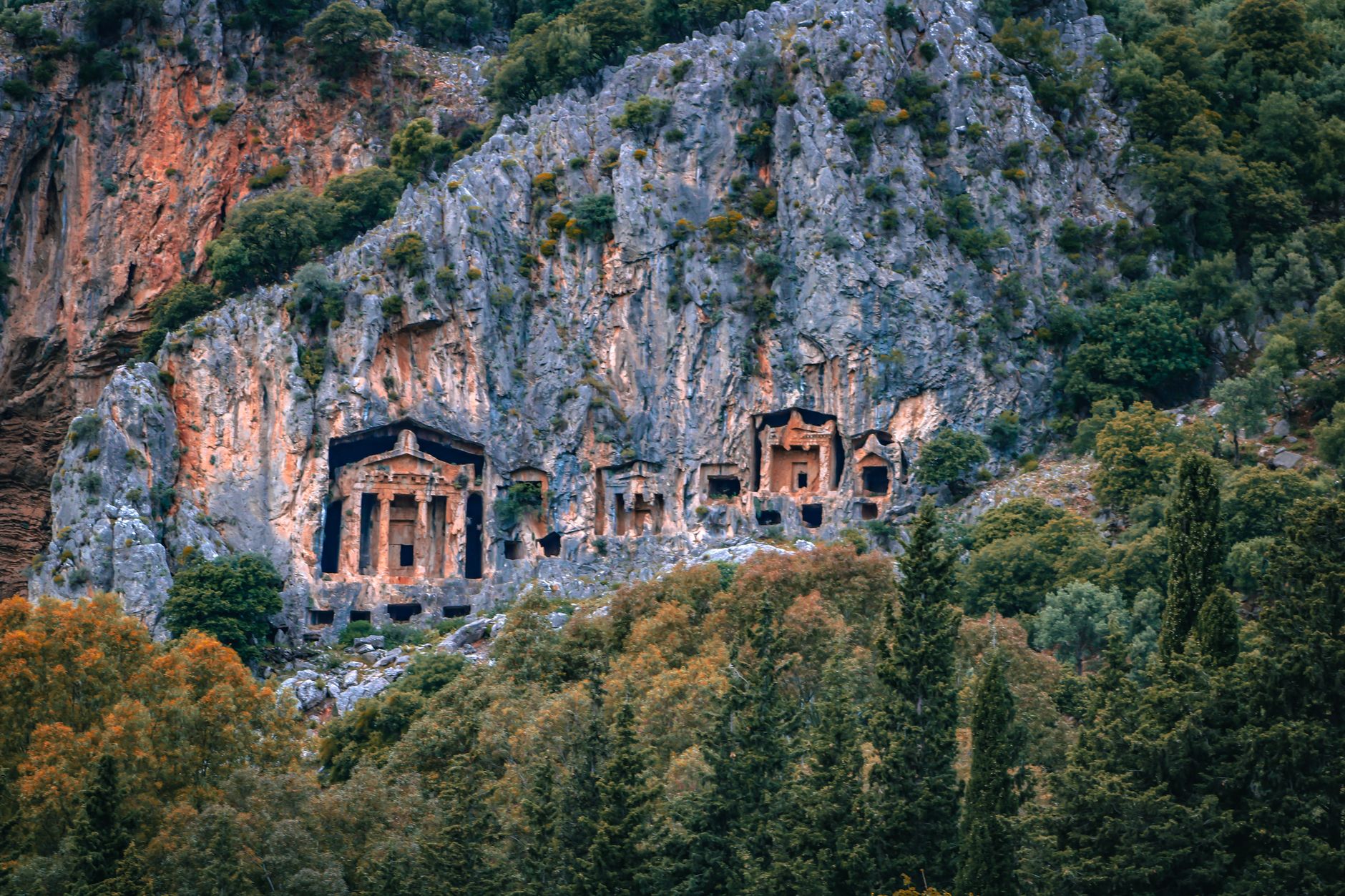
The second-quarter numbers suggest that cultural and nature tourism is gaining share. Travelers are increasingly interested in the Hittite ruins of Hattuşa, the Byzantine monasteries of the Black Sea, and the ancient cities of the Lycian Way.
Guided hiking, cycling, and sailing tours are booking earlier and staying full longer. The Lycian Way, one of the world's most celebrated long-distance trails, reports growing interest from international walkers who combine trekking with traditional village stays.
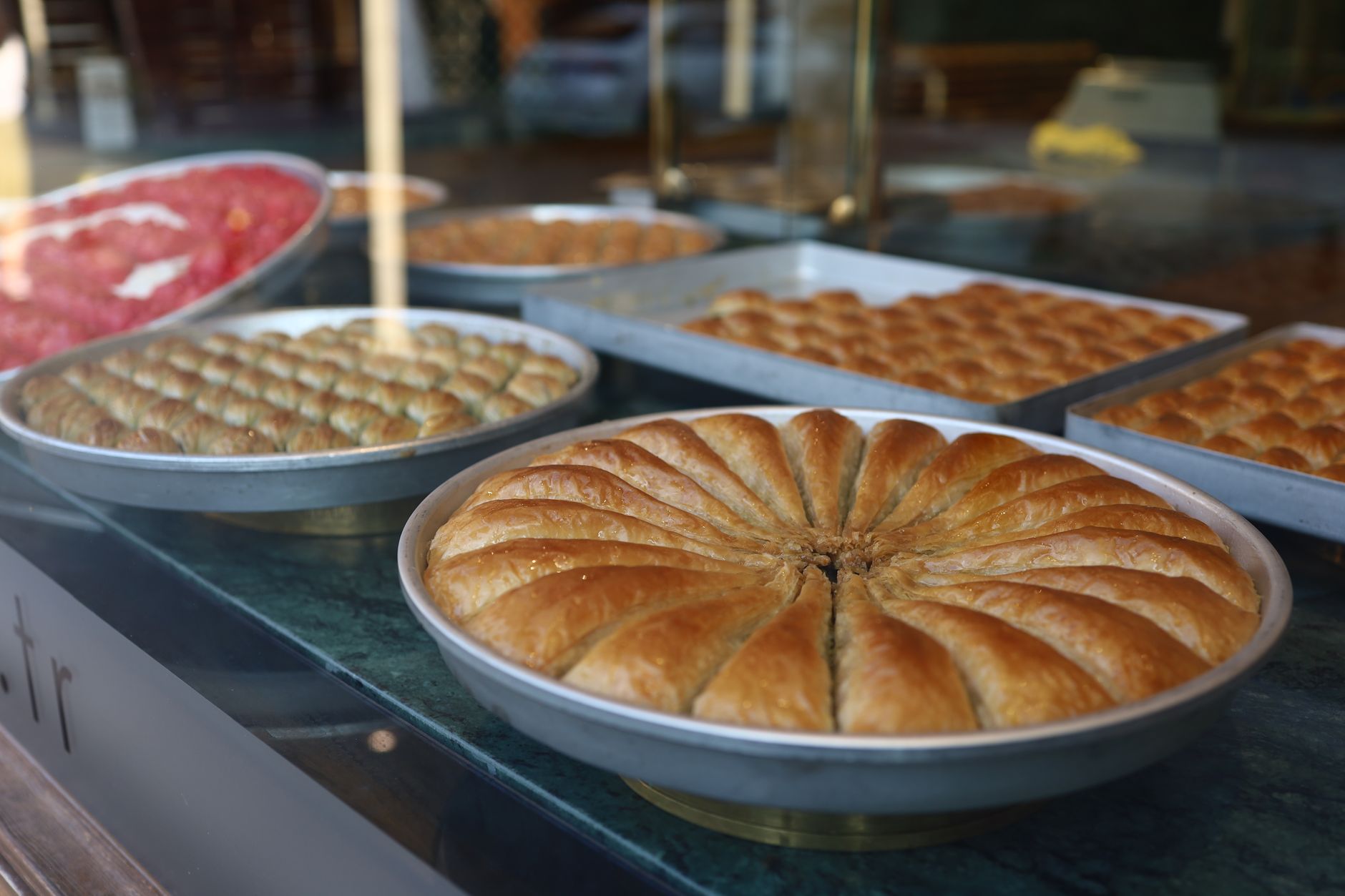
Gastronomy tours are also flourishing. In Gaziantep, a UNESCO City of Gastronomy, visitors learn to make baklava and kebabs alongside local families. In the Aegean, olive oil tastings and vineyard visits have become standard itinerary highlights.
Hospitality That Keeps Travelers Coming Back
At the heart of Türkiye's tourism success is its enduring culture of hospitality. The Turkish concept of misafirperverlik — treating guests as blessings — remains the country's most valuable asset. Travelers consistently cite the warmth of local people as a reason to return.
This human touch is being complemented by professional training programs across the industry. Hospitality schools in Antalya, Istanbul, and Izmir are producing a new generation of multilingual staff who pair traditional courtesy with international service standards.
Repeat visitation is rising, and word-of-mouth recommendations are driving a virtuous cycle. A traveler who spends three weeks exploring Türkiye often returns with family and friends, eager to share the country they discovered.
Looking Ahead: A Sustainable, High-Value Future
The second-quarter data points to a more sustainable and higher-value tourism model. By attracting visitors who stay longer and spend more meaningfully, Türkiye reduces pressure on over-visited sites and spreads economic benefits more evenly across regions.
Government and private initiatives are supporting this shift with investments in rail links, rural tourism, and eco-friendly accommodations. The goal is not simply more visitors, but better visits — for travelers, for communities, and for the country's cultural heritage.
For travelers planning a trip in the coming months, the message is clear: Türkiye is ready to welcome you with open arms, exceptional value at every budget, and experiences that stay with you long after you return home. The maturing market means the hospitality has never been better — and the country has never been more rewarding to explore.
Thinking about a trip to Turkey?
Share your contact details and a vetted local expert will follow up with a plan built around you — free, no obligation.