

Why Staying Connected in Türkiye Is Easier Than You Think
Türkiye has one of the most traveller-friendly connectivity landscapes in the region. Mobile data is genuinely affordable by European or North American standards, coverage in cities and along the coast is strong, and free Wi-Fi is treated almost as a public courtesy — from ferry terminals to tiny tea gardens. You do not need to pay eye-watering roaming fees or hunt down a specialist shop to get online.
The three main mobile operators — Turkcell, Vodafone Türkiye and Türk Telekom — all sell prepaid tourist plans at airports, in shopping malls and on high streets. Turkcell generally has the widest rural coverage, Vodafone is competitive in cities, and Türk Telekom is often the value pick. Exact packages and prices shift constantly with promotions and the lira's exchange rate, so treat any figure you read online (including here) as a rough guide and confirm at the counter.
This guide walks you through physical SIMs, eSIMs, café Wi-Fi culture and topping up data on the road. Think of it as a friendly checklist rather than a price list — the goal is that you spend five minutes sorting connectivity and then get back to the important business of eating breakfast and catching ferries.
Buying a Physical SIM: Airports, Shops and What to Bring
Airport arrivals halls in Istanbul, Antalya, Izmir and Dalaman all have operator counters, usually open around the clock or at least for the bulk of international arrivals. You walk up, hand over your passport, choose a tourist package and walk out with an activated SIM in perhaps ten to fifteen minutes. It is the least stressful option after a long flight, though airport pricing often carries a small premium over city shops.
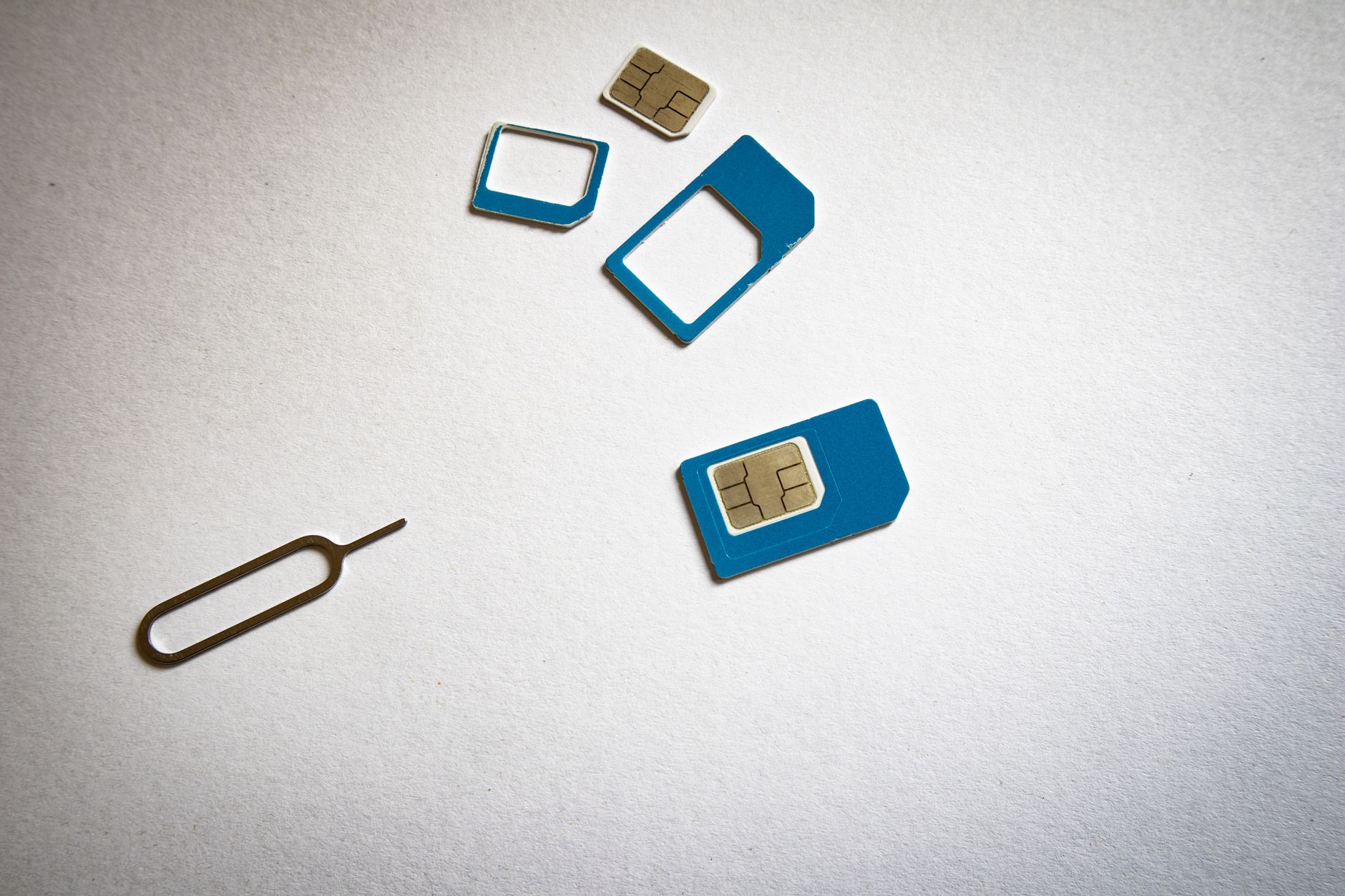
For better value, wait until you reach the city. Operator stores (Turkcell and Vodafone have branches on most main streets and in big malls) and independent phone shops sell the same tourist SIMs, sometimes with more generous data for the same money. Bring your passport — registration is mandatory — and have your phone's IMEI handy, since foreign handsets must be registered for use on Turkish networks.
Two practical notes. First, your phone must be unlocked by your home carrier, or the Turkish SIM simply won't work. Second, registration ties the SIM to your passport; you generally cannot buy one on someone else's behalf and you may hit limits on how many lines one passport can register. If you're staying a month or more, ask about longer prepaid validity rather than stacking weekly tourist packs.
Rule of thumb: buy at the airport only if you truly need data the moment you land. Otherwise, a twenty-minute walk from your hotel usually saves money and gets you a friendlier data allowance.
eSIMs: The Zero-Hassle Option for Short Trips
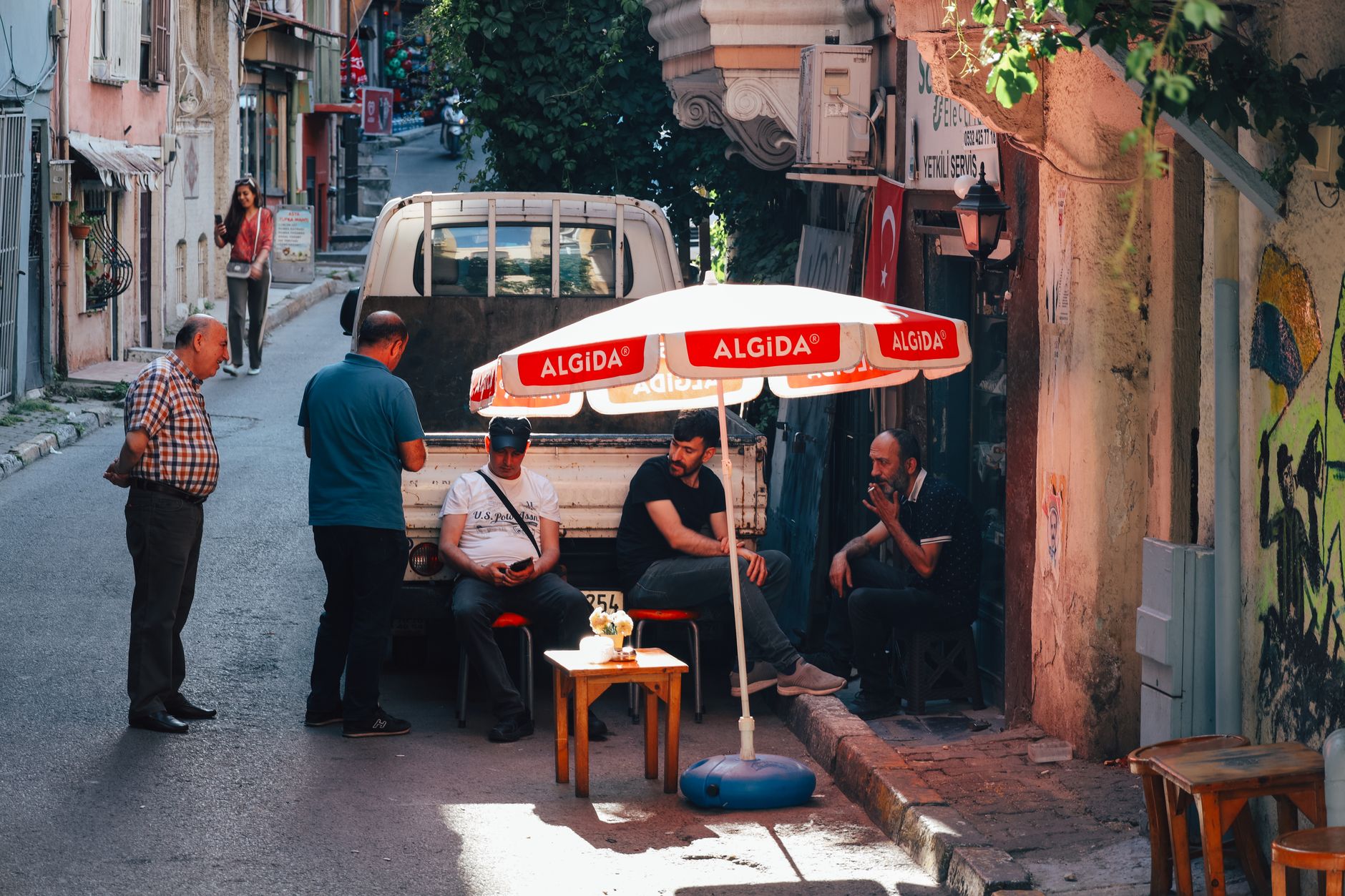
If your phone supports eSIM (most recent iPhones, Samsungs and Pixels do), this is the slickest route of all. You buy a Türkiye data plan from an international eSIM marketplace before you fly, scan a QR code, and land with data already live. No queue, no passport registration, no swapping tiny plastic cards in a taxi.
The trade-offs are worth knowing. Travel eSIMs typically offer data only — no local phone number — and prices per gigabyte are usually higher than a local Turkcell tourist SIM. Some are routed through foreign networks, which can add latency. But for a one- or two-week trip where you mainly need maps, messaging and translation, the convenience is hard to beat.
You can also buy an eSIM directly from a Turkish operator, which gives you a local number and local rates, but activation sometimes requires visiting a store to complete registration. A sensible hybrid: load a small international eSIM for your first day, then pick up a cheap local physical SIM in town if you're staying longer or making local calls. Either way, install and test the eSIM at home before departure so you're not debugging settings in a baggage hall.
Türkiye's Wi-Fi Culture: Free, Fast and Everywhere (Almost)
Turkey's café culture and its Wi-Fi culture are basically the same thing. Order a çay and the password arrives on a little card or is printed on the menu. Independent coffee shops, hotel lobbies, restaurants, bus stations and even some ferries offer free connections, and speeds in cities are usually good enough for video calls and uploading photos.
The catch is inconsistent security. Public networks are, well, public — avoid logging into banking apps or typing passwords on shared Wi-Fi, and prefer your mobile data for anything sensitive. Many venues use simple passwords that change weekly, so if the connection fails, just ask the staff; nobody minds.
Wi-Fi is also your best friend for saving money on data: download offline maps, sync playlists and back up photos over café connections, then keep mobile data for navigation and messages. Long-distance buses, many of them excellent and cheap, increasingly offer onboard Wi-Fi, though reliability varies — don't count on streaming a film through the mountains. For more planning help, our travel tools and destination guides are good companions once you're online.
Topping Up on the Road: Kiosks, Apps and Corner Shops
Running low on data is a minor inconvenience in Türkiye, not a crisis. The classic method is the top-up kiosk (many are yellow or red and sit outside supermarkets and phone shops): enter your number, pay cash, done. Small corner shops (bakkal) also sell top-ups, and operator apps let you top up with a foreign card, though some international cards get declined.
Topping up by app or online usually requires your Turkish number to receive a verification SMS — which is exactly why you should keep your physical SIM active if you have one. If you're on an eSIM without a local number, prepaid credit is harder, so buy a slightly larger data bundle upfront rather than planning many small top-ups.
Watch your data use with the operator's app or your phone's settings, and remember that packages often expire after a set number of days. A weekly tourist pack with a generous data allowance is usually plenty; the cost of a modest top-up is comparable to a couple of coffees, so don't over-optimise. If you're moving between regions, check coverage maps — coastal resorts and major cities are well served, while remote mountain villages may drop to slow connections.

Practical Setup Checklist and Friendly Advice
Before you fly: unlock your phone, download offline maps, install your eSIM if using one, and screenshot your accommodation address in Turkish. On arrival: connect to airport Wi-Fi to message home, then either activate your eSIM or visit an operator counter with your passport. In the city: buy a local SIM from a Turkcell, Vodafone or Türk Telekom shop if you want a number and better rates, and ask staff to set up the APN settings for you — they're happy to.
During your trip: use café Wi-Fi for heavy uploads, keep mobile data for maps and messaging, and top up at a kiosk or shop when you hit about twenty percent remaining. Keep your hotel's Wi-Fi password saved, and don't rely on a single network for anything critical like flight check-in.
Finally, embrace the rhythm of it. Türkiye makes staying connected genuinely low-stress and inexpensive — a rare combination for travellers — which leaves more of your budget and attention for the things that matter. Explore our itineraries and FAQ for more on-the-ground tips, and pack light on the tech: one phone, one eSIM or SIM, and a willingness to ask for the Wi-Fi password will carry you a very long way.
Thinking about a trip to Turkey?
Share your contact details and a vetted local expert will follow up with a plan built around you — free, no obligation.