

Southeastern Türkiye: A Warm Welcome to the New Frontier
For decades, southeastern Türkiye was overlooked by international travelers who flocked to Istanbul, Cappadocia and the Aegean coast. That is changing fast. Mardin, Gaziantep, Şanlıurfa and Batman are emerging as a compelling new frontier for cultural travelers—a region where millennia of history, living traditions and some of the world's oldest cuisine come together with remarkable value and genuine hospitality.
Local tourism authorities report rising interest from independent travelers, food enthusiasts and photographers. "Guests arrive expecting a stopover and leave planning their return," says a Mardin-based guide who leads small groups through the old city's honey-colored stone alleys. "The warmth here is not a marketing slogan—it's how people live."
Safety is a common concern for first-time visitors, but those who make the journey consistently describe well-organized, welcoming cities with a strong tourist infrastructure. As with any trip, standard precautions and local advice apply, but the overwhelming impression is one of generosity and curiosity toward guests.
Mardin: Stone, Silk and Sunset Over Mesopotamia
Perched above the Mesopotamian plain, Mardin is arguably the most photogenic city in the region. Its Old Town is a labyrinth of carved limestone houses, mosques, churches and monasteries that reflect centuries of Arab, Kurdish, Turkish and Syriac Christian heritage. The view from the zinciriye Medresesi and the Ulu Cami terrace at sunset is unforgettable.
The city's bazaars—especially around Cumhuriyet Meydanı and the Kayseriye district—are perfect for slow browsing: handwoven silk, copperware, almonds and spiced coffee. Don't miss a meal at a traditional konak restaurant, where dishes like kaburga dolması (stuffed lamb ribs) and sembusek are served with local wines from nearby Midyat.
Mardin is also a gateway to the Syriac monasteries of Deyrulzafaran and Mor Hananyo, and to the ancient town of Midyat, whose silver filigree workshops are still family-run. New boutique hotels in restored stone mansions have opened in the past two years, making overnight stays far more comfortable.
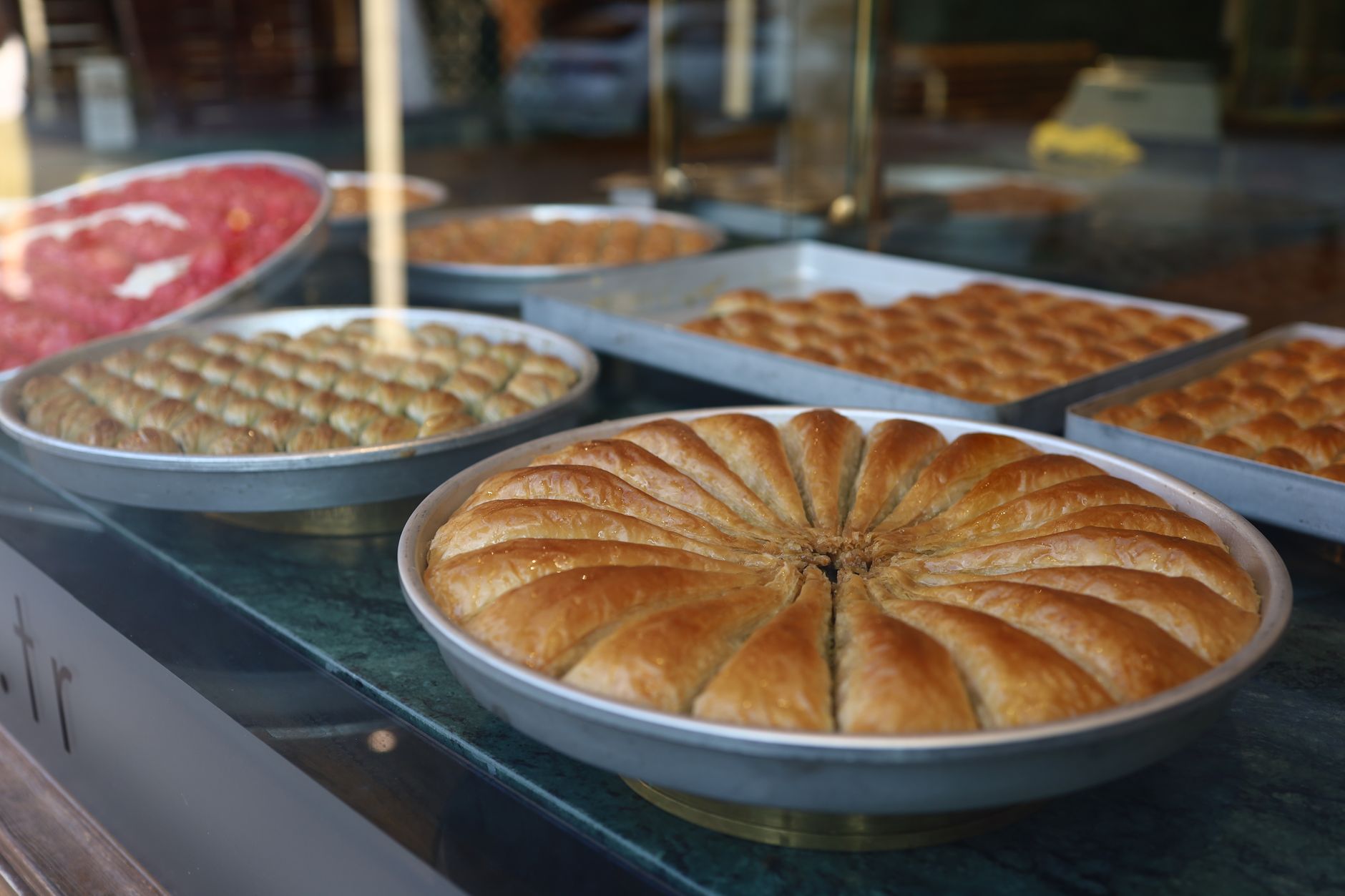
Gaziantep: The Undisputed Capital of Turkish Cuisine
Gaziantep—often called Antep—is a UNESCO Creative City of Gastronomy, and for good reason. This is the home of baklava made with pistachios from the surrounding orchards, of lahmacun, of küşleme and of a breakfast culture that can stretch for hours. Food-focused travelers now plan entire itineraries around the city's markets and restaurants.
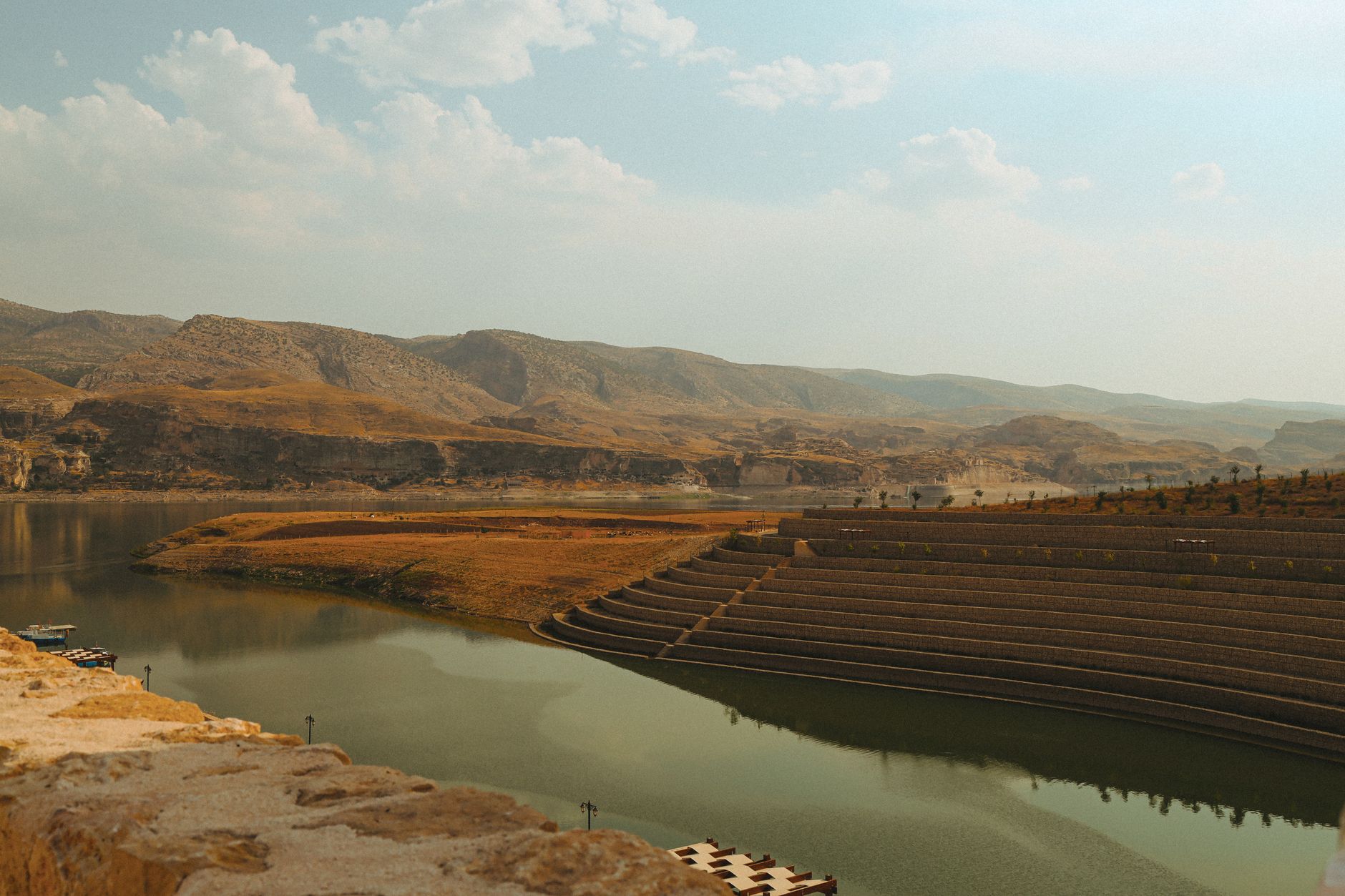
Start at the Elmacı Pazarı and the Bakırcılar Çarşısı (Coppersmiths' Bazaar), then visit the Zeugma Mosaic Museum, which houses one of the world's finest collections of Roman mosaics, including the haunting "Gypsy Girl." The city's culinary museum, Mutfak Sanatları Merkezi, offers cooking classes where visitors learn to roll baklava and blend spice mixes.
New hotels, including several design-led properties near the old town, have made Gaziantep a convenient base for exploring nearby sites like the ancient city of Zeugma and the half-submerged village of Halfeti on the Euphrates. Local guides can arrange day trips that combine history, food and river views.
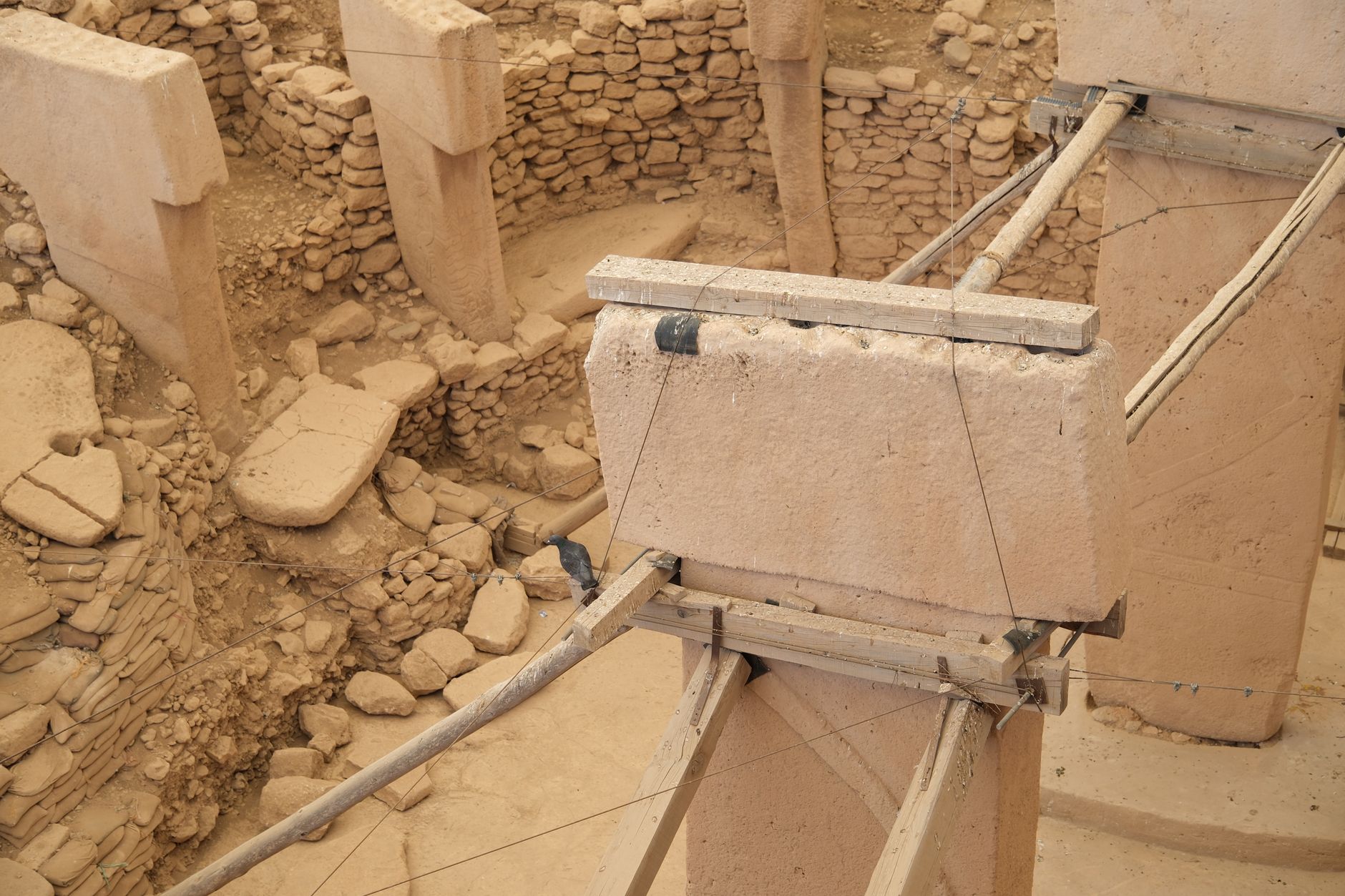
Şanlıurfa: Neolithic Wonders and Prophetic Legends
Şanlıurfa—known as Urfa—is where legend and archaeology collide. Just outside the city lies Göbekli Tepe, a Neolithic temple complex dating back some 11,600 years and widely considered the world's oldest known temple. Its discovery reshaped our understanding of prehistoric humanity, and new visitor facilities now make the site accessible to a wider public.
In the city itself, the Balıklıgöl (Pool of Abraham) and the surrounding mosque complex offer a serene, deeply atmospheric experience. The nearby bazaar is a maze of scents—urfa biber (isot pepper), coffee, and handmade textiles. A short drive away, the ancient city of Harran with its beehive houses is a living museum of traditional architecture.
Urfa's food scene is equally legendary: try çiğ köfte (the meatless version is a local specialty), kebab varieties, and the region's pistachio desserts. Several new hotels have opened in restored courtyard houses, and local guides offer themed tours focused on archaeology, faith and food.
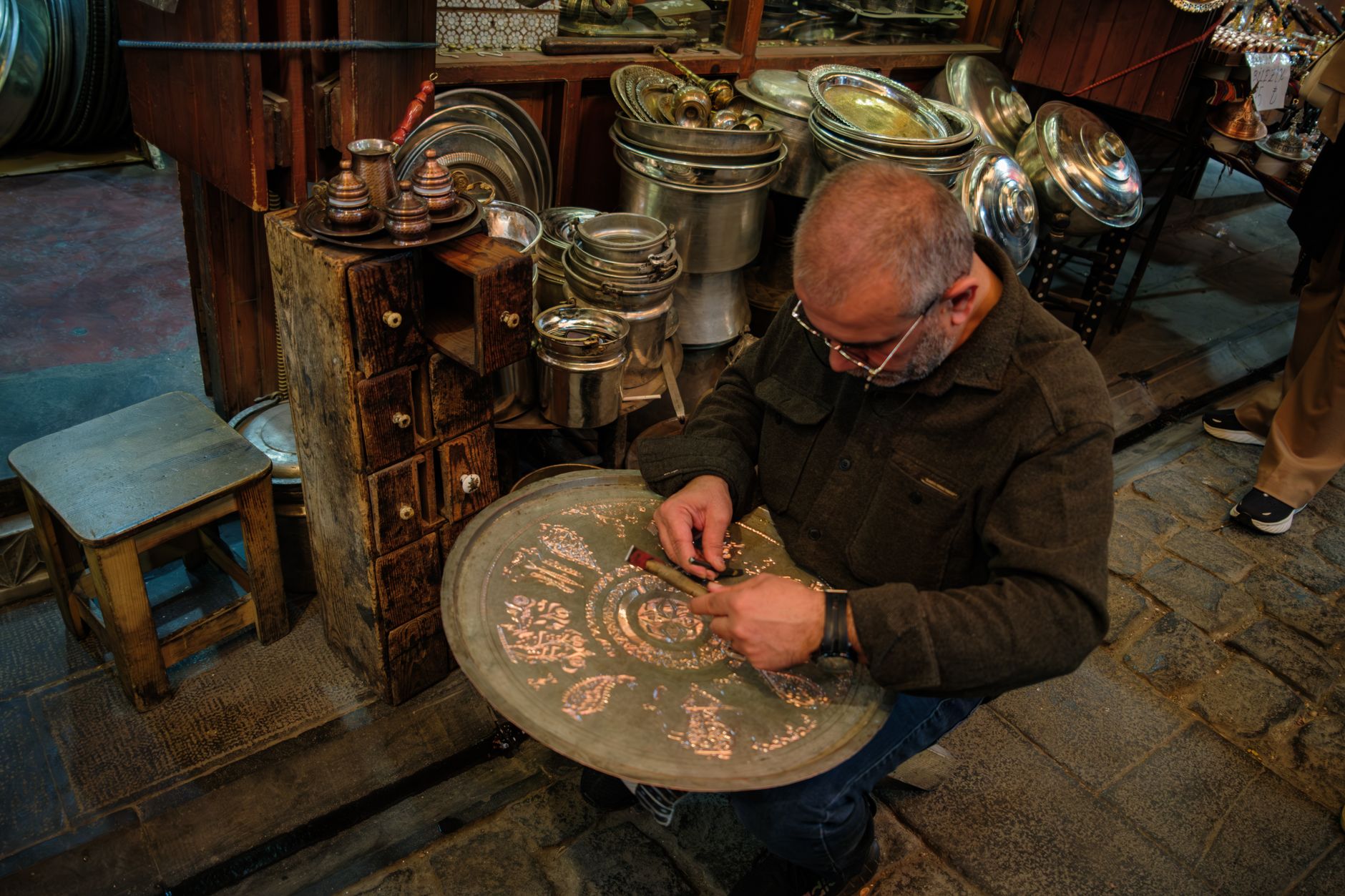
Batman: Gateway to Hasankeyf and the Tigris Valley
Batman may be less famous than its neighbors, but it is rapidly gaining attention as the gateway to Hasankeyf, an ancient town on the Tigris River with a history spanning thousands of years. Although parts of Hasankeyf were submerged by the Ilısu Dam, the citadel, cave dwellings and historic bridge remain, and a new cultural park preserves the relocated monuments.
The Tigris River valley around Batman offers stunning landscapes, including the Malabadi Bridge, a 12th-century marvel of Seljuk engineering. The city itself has a growing café culture and a welcoming bazaar, and it serves as a practical base for exploring the region's lesser-known Assyrian and Ottoman heritage.
New hotel openings in Batman have improved accommodation options, and local tour operators now offer day trips to Hasankeyf, the bridge and nearby villages. For travelers seeking an off-the-beaten-path experience, Batman delivers authenticity without sacrificing comfort.
Practical Advice: Itineraries, Guides and Getting Around
A multi-city itinerary of 7–10 days works well: fly into Gaziantep, spend two days eating and exploring, then drive or take a bus to Şanlıurfa (2.5 hours). From there, continue to Mardin (3 hours) and optionally Batman (2 hours). Domestic flights connect all four cities to Istanbul and Ankara, and car rental is affordable and reliable.
Hiring a local guide is the single best investment for this region. Guides provide context, translation and access to family-run workshops and restaurants that travelers might otherwise miss. Many speak English, and rates are reasonable—especially for small groups. Reputable agencies can be found through hotel concierges or the local tourism offices.
When to go: spring (April–May) and autumn (September–November) offer mild weather and vibrant markets. Summers are hot, but early mornings and evenings are pleasant. Dress modestly when visiting religious sites, and always accept the offer of tea—it's part of the hospitality that defines southeastern Türkiye.
Why Go Now: Safety, Hospitality and Value
Southeastern Türkiye is not a conflict zone; it is a region of vibrant cities, busy markets and welcoming families. Travelers who visit report feeling safe and well cared for, with tourism police and local authorities attentive to visitors' needs. The Turkish government has invested heavily in infrastructure, and new hotels, museums and visitor centers are opening across the region.
The value proposition is strong: boutique hotel rooms often cost a fraction of Istanbul prices, meals are generous and affordable, and entrance fees to world-class archaeological sites remain low. Above all, the hospitality is genuine—expect to be invited for tea, to be given directions with a smile, and to leave with new friends.
For cultural travelers seeking a deeper, more authentic Türkiye, the southeast is no longer a frontier to be wary of—it is a frontier to be explored. As one local hotelier puts it, "We have been waiting for you for centuries. Come and see."
Thinking about a trip to Turkey?
Share your contact details and a vetted local expert will follow up with a plan built around you — free, no obligation.