
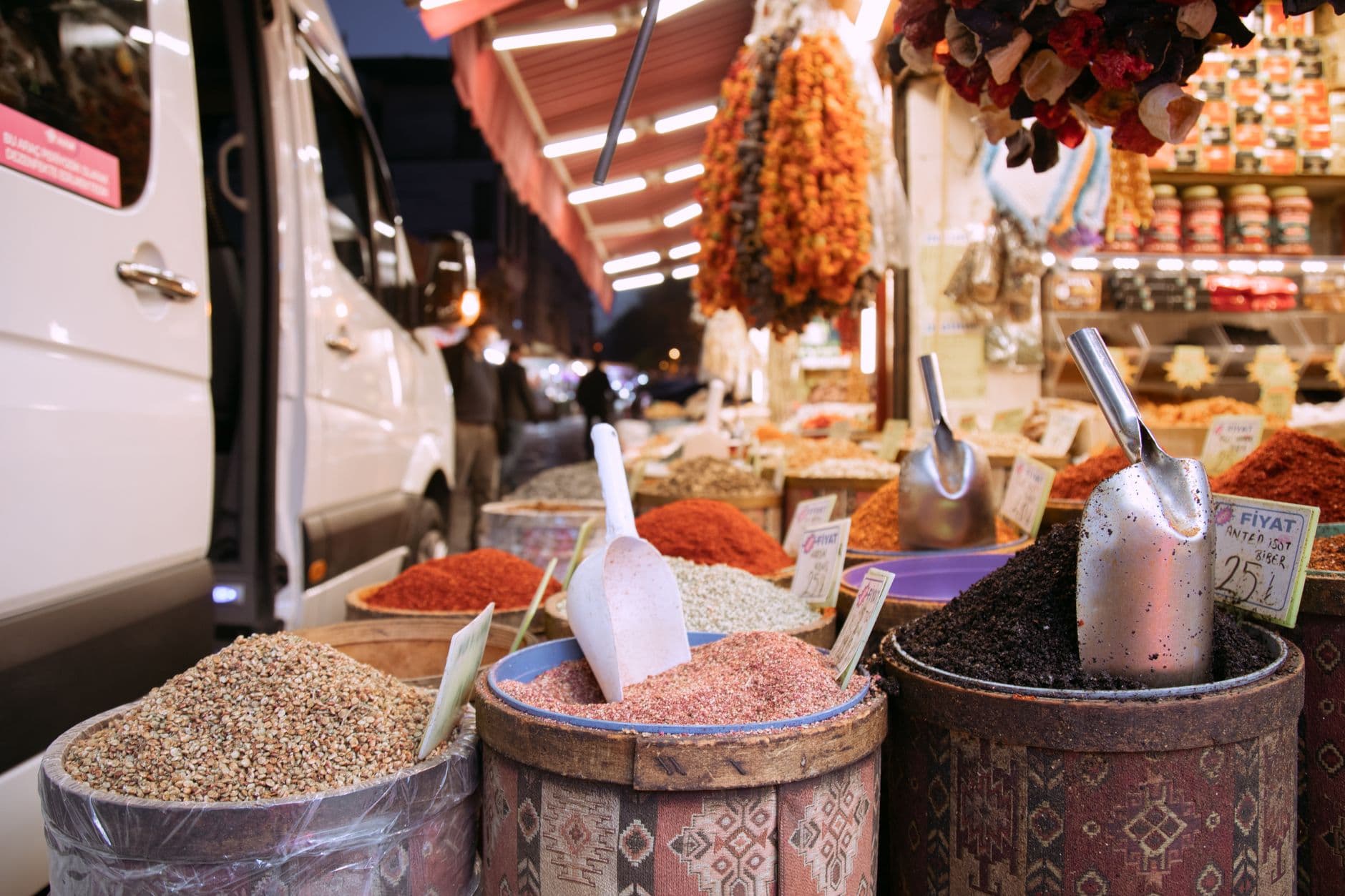
Introduction: A Feast for the Senses
Stepping into Türkiye's spice bazaars is like entering a kaleidoscope of colors, aromas, and sounds. The air is thick with the scent of cumin, sumac, and dried mint; pyramids of vibrant spices tempt you at every turn; and the cheerful chatter of vendors invites you to explore. Whether you're wandering through Istanbul's iconic Mısır Çarşısı (Spice Bazaar) or stumbling upon a local market in Gaziantep, these experiences are a highlight of any trip to Türkiye.
As a traveler, you'll want to bring home more than just memories—a packet of authentic Turkish spices can transport you back to these bustling markets for months to come. But with so many stalls and unfamiliar products, how do you choose the best? This guide will walk you through the secrets of buying, tasting, and carrying home Türkiye's finest spices, with practical tips on prices, freshness, and customs regulations.
Istanbul's Spice Bazaar: A Historical Treasure Trove
The Mısır Çarşısı, or Egyptian Bazaar, is Istanbul's most famous spice market, located in the Eminönü district near the Galata Bridge. Built in the 17th century as part of the New Mosque complex, it remains a vibrant hub of trade. The L-shaped building houses over 80 shops, many family-run for generations, offering an overwhelming array of spices, dried fruits, teas, and Turkish delights.
As you stroll through the arched corridors, you'll notice the friendly banter of vendors offering samples of dried figs, Turkish delight, and roasted nuts. Don't be shy—accepting a small taste is part of the culture and a great way to gauge quality. For a deeper dive into Istanbul's highlights, see our destinations guide.
Beyond the Spice Bazaar, Istanbul has other lesser-known spice markets worth exploring, such as the Kadıköy Market on the Asian side and the weekly pazars (farmers' markets) in various neighborhoods. These offer a more local experience with lower prices.
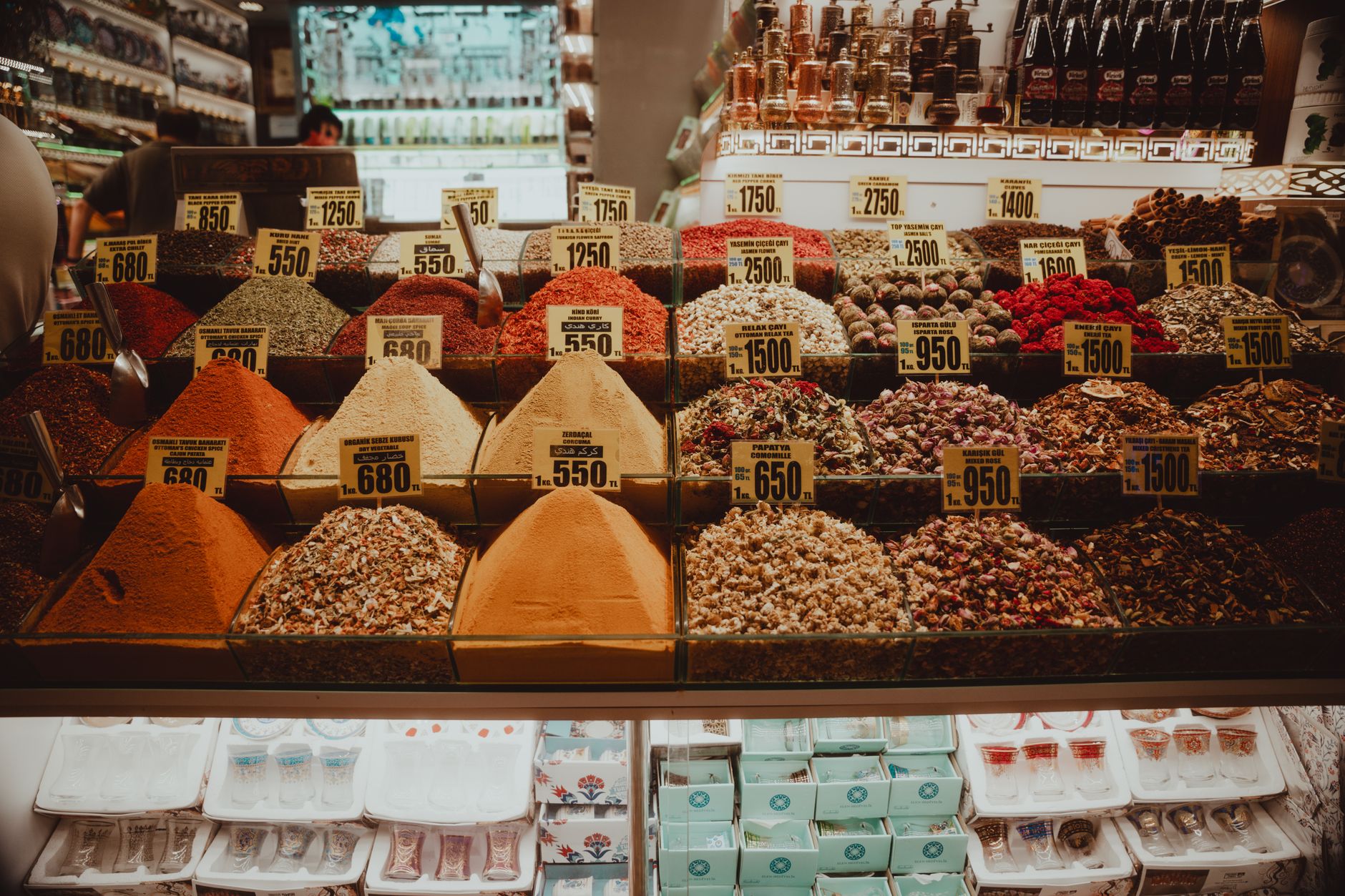
What to Buy: Essential Turkish Spices and More
With hundreds of products on display, it helps to know the stars of Turkish cuisine. Here are the essentials to look for:
- Sumac: A tangy, deep red spice made from dried berries, perfect on salads, grilled meats, and hummus.
- Pul Biber (Aleppo Pepper): A moderately spicy, fruity chili flake that's a staple in Turkish cooking.
- Kimyon (Cumin): Earthy and warm, used in kebabs and meat dishes.
- Nane (Dried Mint): Fragrant and cooling, great for teas and yogurt dishes.
- Tarçın (Cinnamon): Turkish cinnamon is milder and sweeter than cassia; perfect for desserts.
- Karabiber (Black Pepper): Look for freshly ground or whole peppercorns.
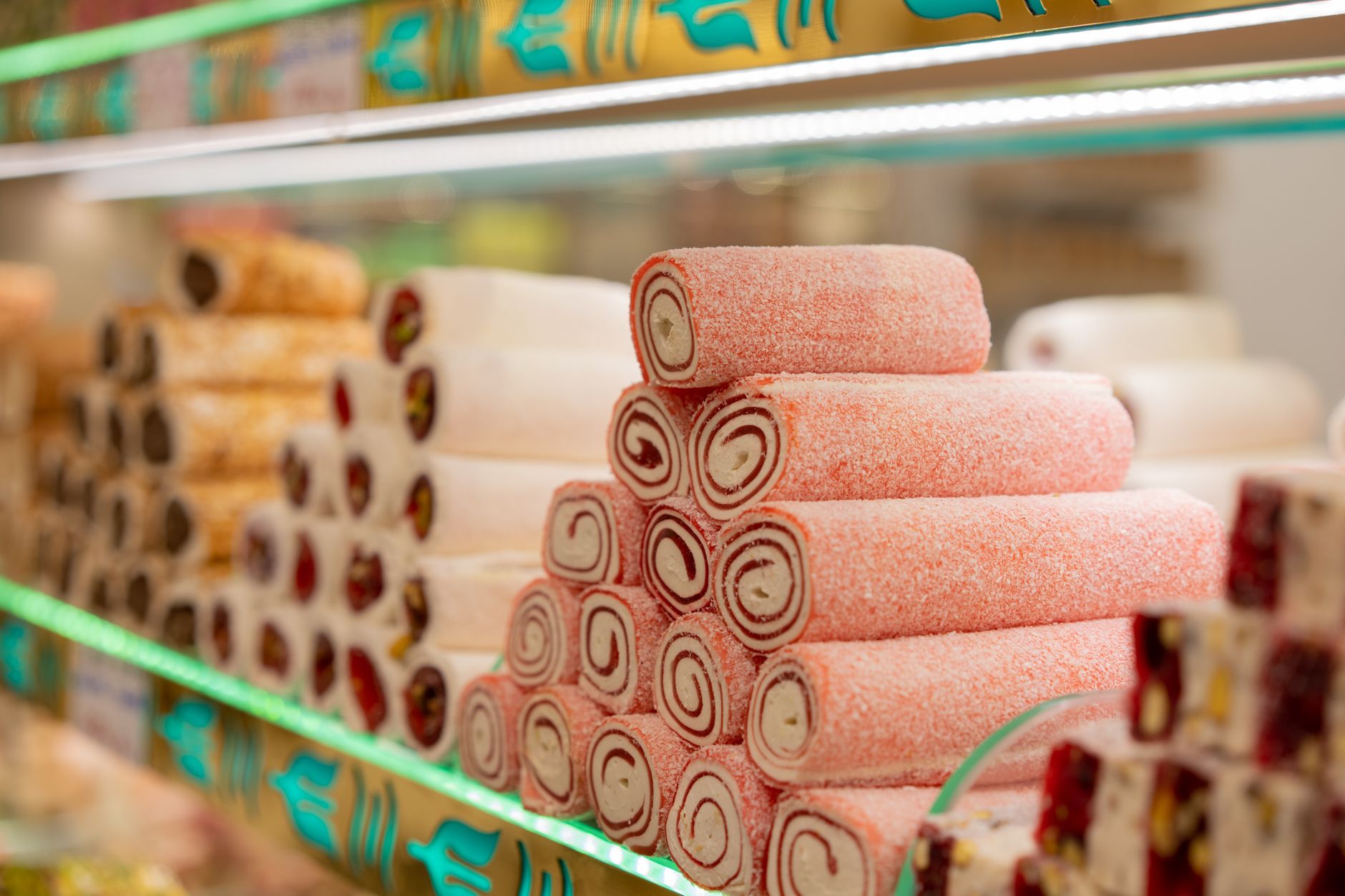
- Turkish Delight (Lokum): Not a spice, but a must-buy sweet in flavors like rosewater, pomegranate, and pistachio.
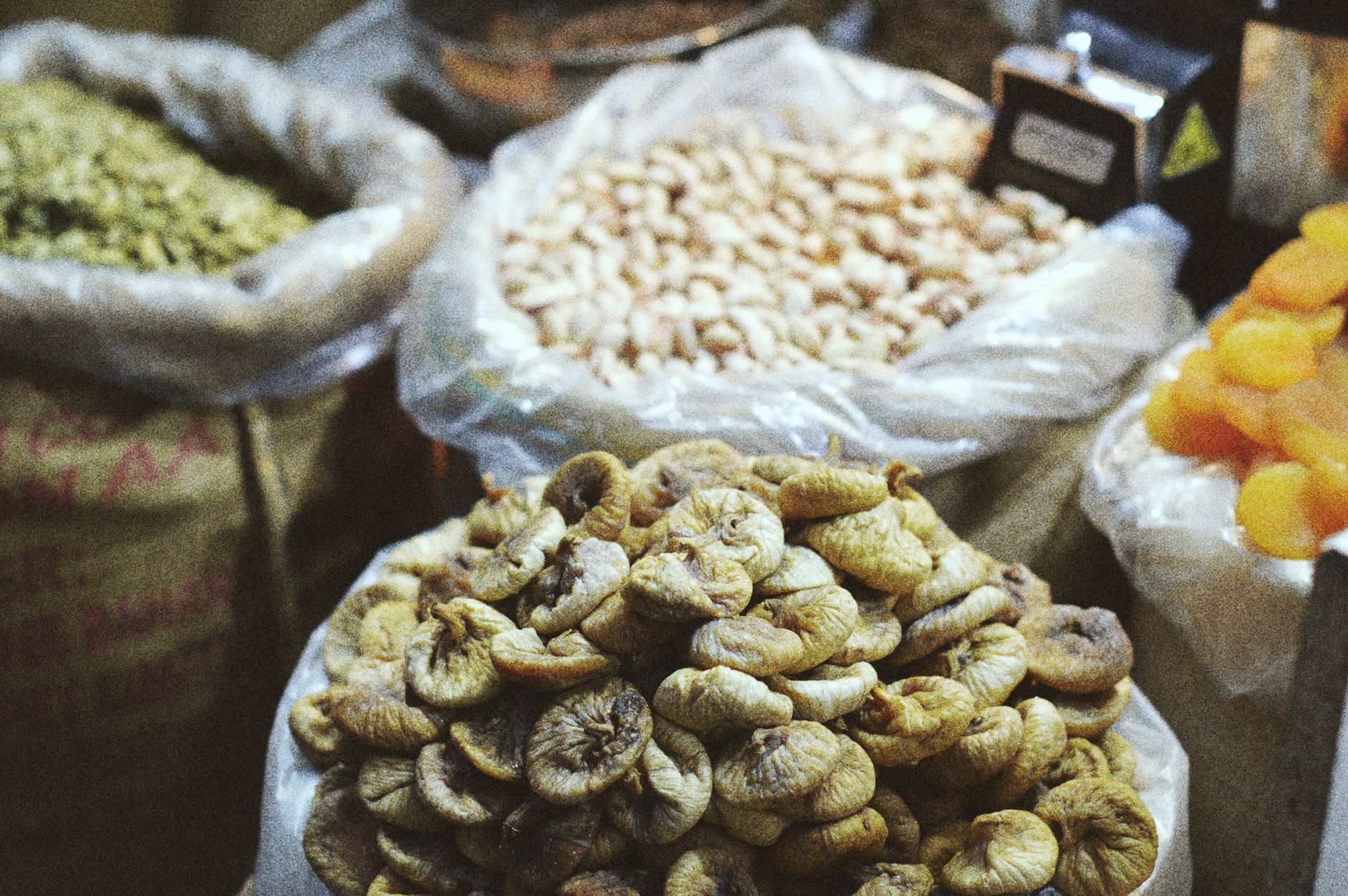
- Dried Fruits and Nuts: Apricots, figs, raisins, and pistachios are excellent.
- Turkish Tea and Coffee: Don't miss finely ground Turkish coffee and fragrant teas.
For more culinary inspiration, explore our blog.
How to Taste Before Purchasing
Tasting is not only allowed but encouraged. Vendors often offer small samples of spices, dried fruits, and sweets. Here's how to taste like a pro:
- Observe freshness: Spices should be vibrant in color and aromatic. Avoid dull, faded powders.
- Smell first: A quick sniff tells you a lot about potency. Fresh spices have a strong, clear aroma.
- Taste a pinch: For spices like sumac or pul biber, take a tiny pinch and rub between your fingers to release oils, then taste. It should be flavorful, not musty.
- Check for clumps: Good spices flow freely; clumps may indicate moisture or age.
- Ask for recommendations: Vendors are proud of their products and happy to guide you.
Remember that hygiene matters: choose stalls with high turnover and clean displays.
Regional Markets: Beyond Istanbul
While Istanbul's bazaars are convenient, regional markets offer unique specialties and better prices. Here are some highlights:
- Gaziantep: Famous for pistachios and pul biber. Visit the local spice market for authentic flavors.
- Şanlıurfa: Known for its spicy isot pepper and rich culinary traditions.
- İzmir: The Kemeraltı Bazaar is a huge market with spices, dried fruits, and local delicacies.
- Antalya: The old town bazaar offers spices and souvenirs in a charming setting.
Exploring these markets is a great way to experience local culture. For itinerary ideas, check our itineraries.
Packing and Customs: Bringing Spices Home
Before you buy, consider how you'll pack your spices and what customs regulations apply. Here are practical tips:
- Packaging: Spices are best stored in airtight containers or double-bagged in zip-lock bags to prevent spills and preserve aroma. Many vendors vacuum-seal spices for travel.
- Customs rules: Most countries allow small quantities of spices for personal use, but check your country's regulations. Generally, processed spices are fine, but fresh fruits, vegetables, and meat products are restricted.
- Declare if required: Always declare food items if asked. Keep receipts for proof of purchase.
- Liquids: If you buy liquid extracts or oils, pack them in checked luggage according to airline rules.
- Weight limits: Spices are light but bulky; be mindful of luggage weight limits.
For more travel tips, visit our travel tools page.
Price Guide and Freshness Tips
Prices vary by location and quality. As a rough guide (2026):
- Sumac: 50-100 TL per 100g in Istanbul bazaars; cheaper in local markets.
- Pul Biber: 40-80 TL per 100g.
- Saffron: Very expensive; only buy from reputable sources.
- Turkish Delight: 40-80 TL per kg.
- Dried Apricots: 80-150 TL per kg.
For freshness, buy from stalls with high turnover. Whole spices (like peppercorns and cumin seeds) stay fresh longer than ground. Store in a cool, dark place at home.
Remember that haggling is common in bazaars, but polite negotiation is key. A smile and a friendly attitude go a long way.
Conclusion: Savour the Experience
Türkiye's spice bazaars are more than shopping destinations—they're sensory adventures that connect you with centuries of culinary tradition. By following these tips, you'll not only bring home exquisite spices but also cherished memories of friendly vendors and vibrant markets. For a deeper understanding of Turkish culture, explore our guides.
Happy travels and afiyet olsun!
Thinking about a trip to Turkey?
Share your contact details and a vetted local expert will follow up with a plan built around you — free, no obligation.